Waterproof Outdoor LED Flood Lights: Ultimate Guide for Safety & Longevity

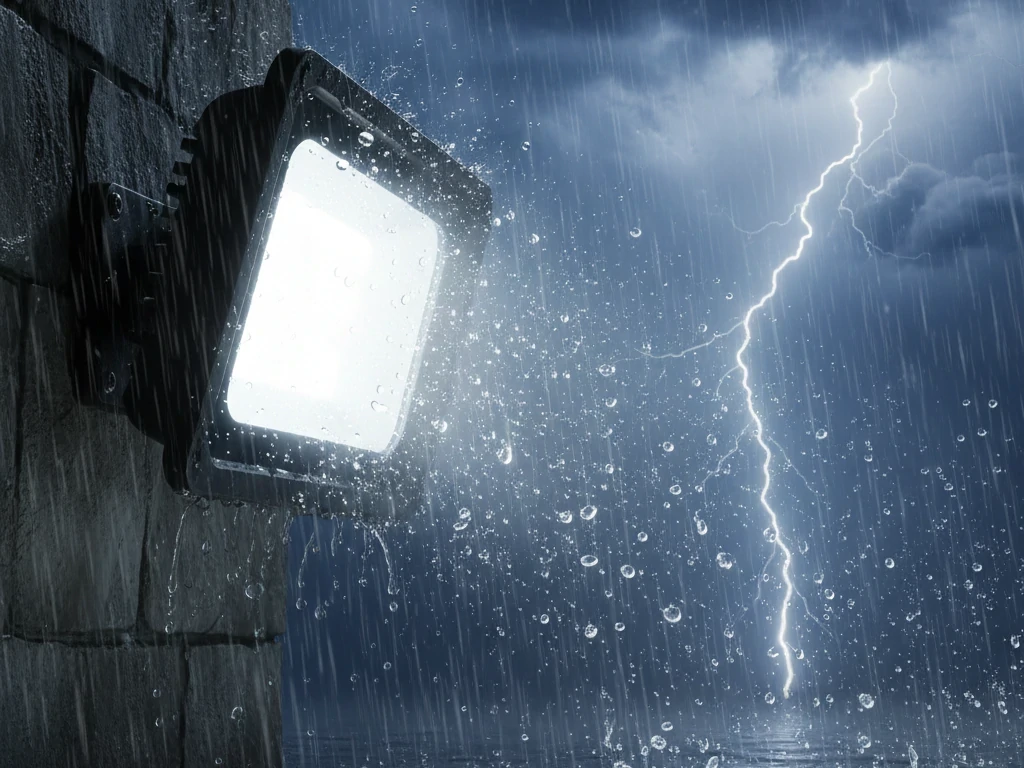
If you have ever installed an outdoor flood light that failed after a single rainy season, you already understand the real value of waterproof outdoor LED flood lights. Outdoor lighting is exposed to moisture, temperature swings, dust, insects, and electrical stress day after day. Choosing the wrong product—or installing the right product the wrong way—almost always leads to early failure.
This guide was written for homeowners, contractors, facility managers, and serious DIYers who want lighting that actually lasts. We will walk through how waterproof outdoor LED flood lights are built, how to choose the right model, how many lumens you really need, how to install them safely, and why some LED flood lights fail far sooner than expected.
Introduction – Why Waterproof Outdoor LED Flood Lights Matter
Outdoor lighting serves three critical purposes: safety, security, and usability. Pathways, driveways, loading areas, yards, and building perimeters all rely on dependable illumination. When lighting fails, the consequences range from inconvenience to genuine safety hazards.
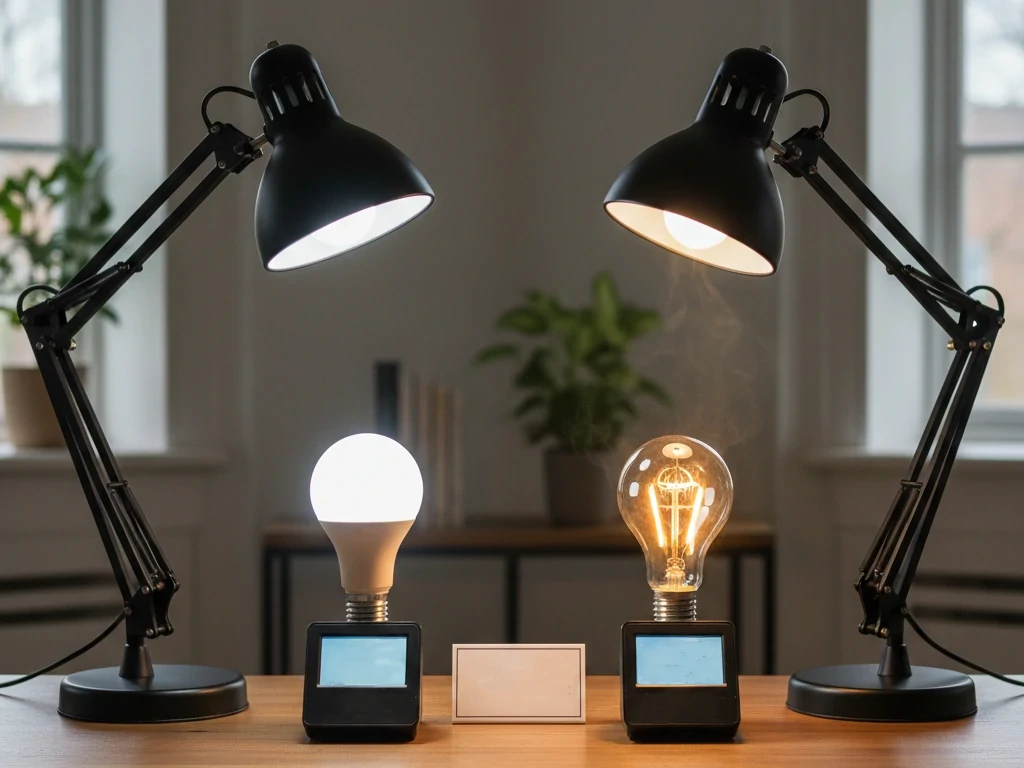
Traditional halogen and incandescent flood lights consume large amounts of power, generate extreme heat, and burn out quickly. LED technology changed that landscape. Modern LEDs use far less electricity, produce minimal heat, and can operate tens of thousands of hours.
However, not all LED flood lights are created equal. The outdoor environment is unforgiving. Rainwater finds microscopic gaps. Condensation forms inside housings. Heat expands seals. Cold contracts them.
That is why waterproof outdoor LED flood lights are not a luxury—they are a necessity.
If you are asking:
- Are LEDs waterproof?
- Which IP rating should I choose?
- Can LED flood lights be used indoors?
- Why do LED flood lights fail so quickly?
- How many lumens is a good flood light?
You are in the right place.
Understanding Waterproof Outdoor LED Flood Lights
What Makes an LED Flood Light “Waterproof”? (IP Ratings Explained)
When manufacturers describe lighting as waterproof, they are usually referring to an Ingress Protection (IP) rating.
An IP rating has two digits:
- First digit = protection against solid objects (dust, debris)
- Second digit = protection against liquids (water)
Common ratings for waterproof outdoor LED flood lights include:
- IP65 – Dust-tight and protected against water jets
- IP66 – Dust-tight and protected against powerful water jets
- IP67 – Dust-tight and protected against temporary immersion
For most residential and commercial outdoor installations, IP65 is considered the baseline. Areas with heavy rain, wind-driven water, or washdown conditions benefit from IP66. Submersion environments require IP67.
Practical takeaway:
If a product does not clearly state an IP rating, treat it with skepticism.
Are LED Flood Lights Really Waterproof? (Common Misconceptions)
A frequent misconception is that all LEDs are waterproof. The LED chip itself is solid-state and not harmed by moisture. The problem is everything around it:
- Driver electronics
- Solder joints
- Wiring connections
- Optical lenses
So when people ask are LEDs waterproof, the accurate answer is:
LEDs themselves tolerate moisture. LED fixtures may or may not.
Only properly sealed housings with tested IP ratings qualify as true waterproof flood lights.
Marketing language like “weather-resistant” or “outdoor capable” is not a substitute for an IP rating.
Key Components and Technology Behind Waterproof Outdoor LEDs
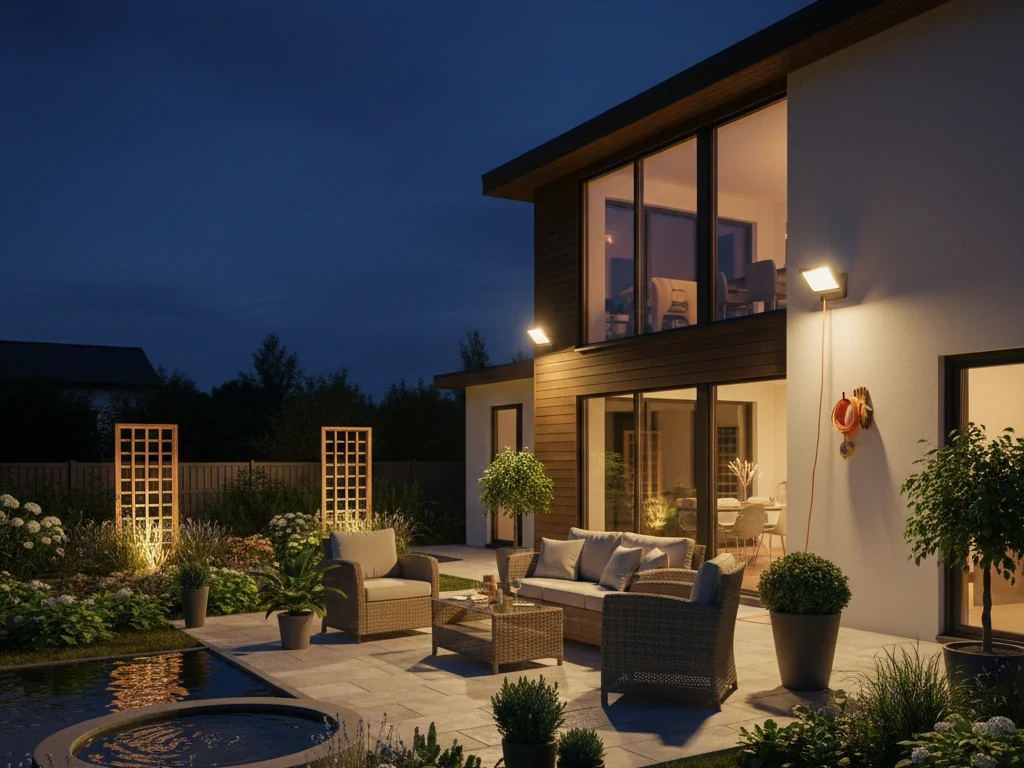
When choosing waterproof outdoor LED flood lights, understanding what goes inside the fixture is just as important as knowing how to install it. Not all LED flood lights are built the same, and many failures can be traced back to the components and technology rather than the LED chips themselves. Even people asking “are LEDs waterproof?” often overlook the fact that while the diodes themselves resist moisture, the surrounding electronics are vulnerable.
LED Chips and Drivers – The Heart of Performance
At the core of any flood light are the LED chips and the driver. Think of the chips as the engine and the driver as the fuel system. A high-quality chip emits consistent, bright light with minimal color shift over years. Lower-quality chips degrade faster, creating uneven illumination and reduced effectiveness.
The LED driver plays a critical role: it converts your home or building’s AC power to the DC current the chips need. Poor drivers can overheat or fail under voltage fluctuations, leading to flickering or total light loss. In field studies of failed waterproof flood light outdoor installations, driver failure is the most common culprit. Experts recommend always checking specifications for surge protection and stable current output.
A practical tip: if a flood light’s driver is fully enclosed without thermal ventilation, expect shorter lifespan. On the other hand, drivers with heat-dissipating designs extend the fixture’s operating life dramatically.
Heat Management and Housing Design
Heat management is the silent factor that separates durable flood lights from those that fail in months. Even efficient LEDs generate heat, and if it accumulates, it accelerates chip degradation and driver stress.
Well-designed waterproof outdoor LED flood lights use:
- Aluminum housings – metal conducts heat away from the electronics
- Finned heat sinks – increase surface area to promote cooling
- Vented designs – allow airflow without compromising waterproof integrity
Plastic housings without heat sinks may look modern but trap heat, reducing lifespan. For example, a 50W LED flood light in a poorly ventilated plastic case can overheat to 85–90°C within hours, while a properly designed aluminum fixture stays around 50–55°C.
Even if you’re considering LED indoor flood lights for humid warehouses, the same heat management principles apply. Excess heat, even indoors, can reduce performance and longevity.
Seals, Gaskets, and Moisture Protection
Moisture is the enemy. For waterproof flood lights, seals are just as important as LEDs themselves. Experts in outdoor lighting note that the majority of field failures are due to water ingress, not chip degradation. Tiny gaps in gaskets or poor silicone seals allow condensation to enter, corroding wiring and drivers.
Components that ensure waterproofing include:
- Silicone gaskets around lenses and housing edges
- Compression seals at cable entries
- Tempered glass lenses that resist cracking
- Waterproof cable glands for connections
Over time, exposure to UV light and extreme temperatures can harden rubber gaskets. Regular inspection ensures the integrity of these seals. Even a small leak can transform a reliable waterproof flood light outdoor into a fixture that fails within months.
Why Component Quality Matters More Than Brand
Many people assume a known brand guarantees durability, but even unbranded or generic waterproof outdoor LED flood lights can last if the components are properly engineered. What matters most is:
- Chip quality
- Driver stability
- Heat management
- Sealing and moisture control
Field experience confirms that heavy-duty aluminum housings with industrial-grade seals last far longer than cheap plastic fixtures, regardless of the logo. In addition, choosing the correct IP rating for your environment—IP65, IP66, or IP67—prevents moisture intrusion, which is the primary cause of failure.
Pro Tip: When installing waterproof outdoor LED flood lights, pay attention to the housing weight. Heavier fixtures often indicate thicker aluminum construction and better heat dissipation. Combine that with quality driver specs and proper sealing, and you’re far less likely to replace lights every couple of seasons.
Indoor vs. Outdoor Use – Can LED Flood Lights Be Used Indoors?
Many homeowners and contractors wonder whether they can repurpose waterproof outdoor LED flood lights inside their homes or commercial spaces. The short answer is yes—but there are important considerations that go beyond simply plugging the fixture into a power outlet. Understanding the differences between LED indoor flood lights and their outdoor counterparts is key to achieving the right illumination and avoiding unnecessary wear.
LED Indoor Flood Lights – Typical Applications
LED indoor flood lights are designed specifically for environments where moisture, dust, and weather exposure are minimal. Common applications include:
- Warehouses and industrial workspaces
- Gymnasiums and sports halls
- Garages and workshop areas
- Retail stockrooms and storage facilities
Indoor flood lights prioritize controlled light distribution over rugged durability. Their housings often use lighter materials, and they generally do not include high-grade waterproofing or corrosion-resistant seals. For example, an indoor flood light may last decades in a dry environment but would fail quickly if used outdoors without protection.
Using Waterproof Outdoor LED Flood Lights Indoors
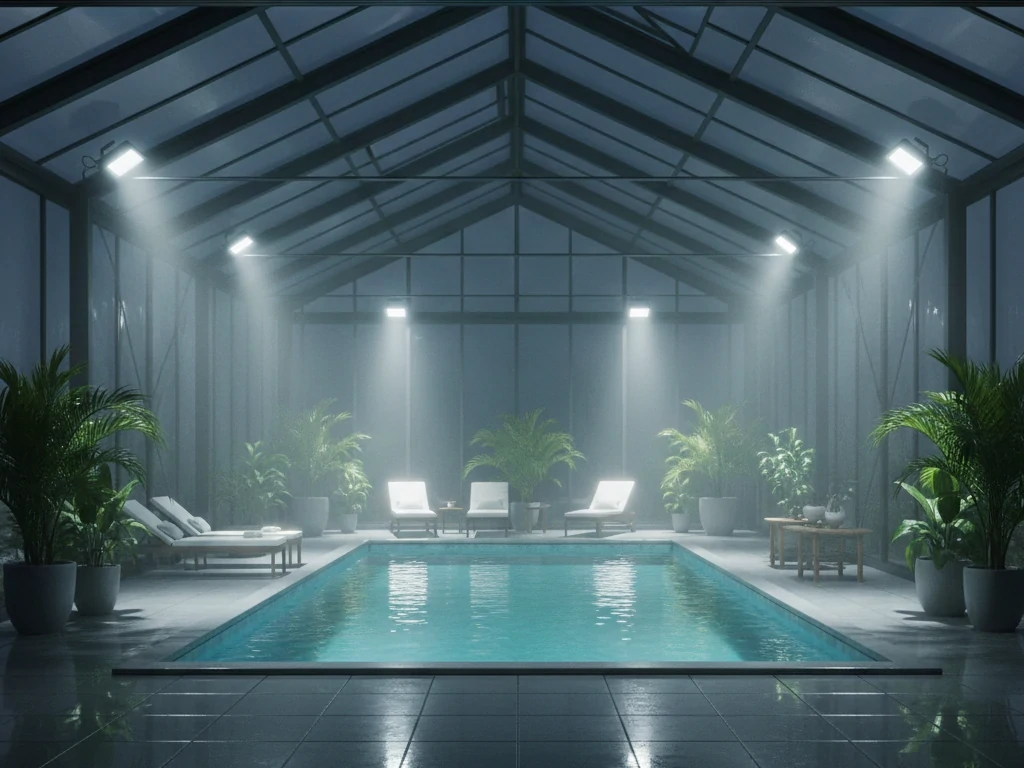
Many people discover that waterproof outdoor LED flood lights can be safely installed indoors, especially in spaces that experience high humidity or occasional water exposure, such as:
- Indoor pools
- Greenhouses
- Industrial kitchens
- Laundries or car washes
Advantages of using outdoor-rated fixtures indoors include:
- Durability: Outdoor housings are designed to withstand rain, snow, dust, and impact. Indoors, this translates into extreme longevity.
- Heat management: Outdoor flood lights typically feature robust heat sinks and aluminum housings, which prevent overheating even in enclosed areas.
- Reduced maintenance: Moisture-resistant seals mean indoor humidity or occasional splashes are less likely to compromise performance.
However, there are trade-offs:
- Brightness: Outdoor fixtures are often brighter than necessary for indoor use. A 5,000-lumen outdoor flood light may overwhelm a standard garage or office space.
- Weight and mounting: Heavy aluminum housings require secure mounting points and may not be compatible with all indoor ceilings.
- Cost: Outdoor-rated fixtures generally cost more upfront than typical indoor flood lights.
Are LEDs Waterproof in Indoor Settings?
The question “are LEDs waterproof?” is especially relevant when considering indoor environments with moisture. The LED chips themselves are solid-state and inherently resistant to water. The components most vulnerable to moisture are the driver and wiring connections.
When using waterproof flood light outdoor fixtures indoors:
- The IP rating may be overkill for dry indoor areas, but it adds a safety margin.
- Fixtures rated IP65 or higher are immune to occasional condensation and indoor spray hazards.
- Even in high-humidity spaces, properly sealed housings protect the electronics.
Practical Tips for Indoor Installation of Outdoor Flood Lights
- Assess lumen requirements: Choose fixtures that provide sufficient brightness without causing glare. For example, 1,500–3,000 lumens may be enough for a workshop, while a warehouse may need 5,000 lumens or more.
- Consider beam angle: Wide-angle beams cover more space, reducing the number of fixtures needed.
- Secure mounting: Heavy outdoor housings must be properly anchored to walls, ceilings, or structural beams.
- Check dimming compatibility: Some outdoor flood lights can be dimmed; verify driver compatibility before installation.
- Evaluate heat clearance: Even indoors, maintain airflow around the fixture to prevent unnecessary heat buildup.
When Outdoor Fixtures Make Sense Indoors
Situations where waterproof outdoor LED flood lights outperform traditional indoor lights include:
- High-humidity or splash-prone environments: Gym showers, pools, kitchens, or greenhouses.
- High-impact or dusty areas: Workshops, factories, and garages where dust, debris, or accidental contact could damage standard indoor flood lights.
- Long-term durability: If you prefer “install once and forget,” the robust design of outdoor-rated lights provides peace of mind.
By understanding these differences, you can make an informed decision about whether to use waterproof outdoor LED flood lights indoors, without compromising safety, energy efficiency, or lifespan.
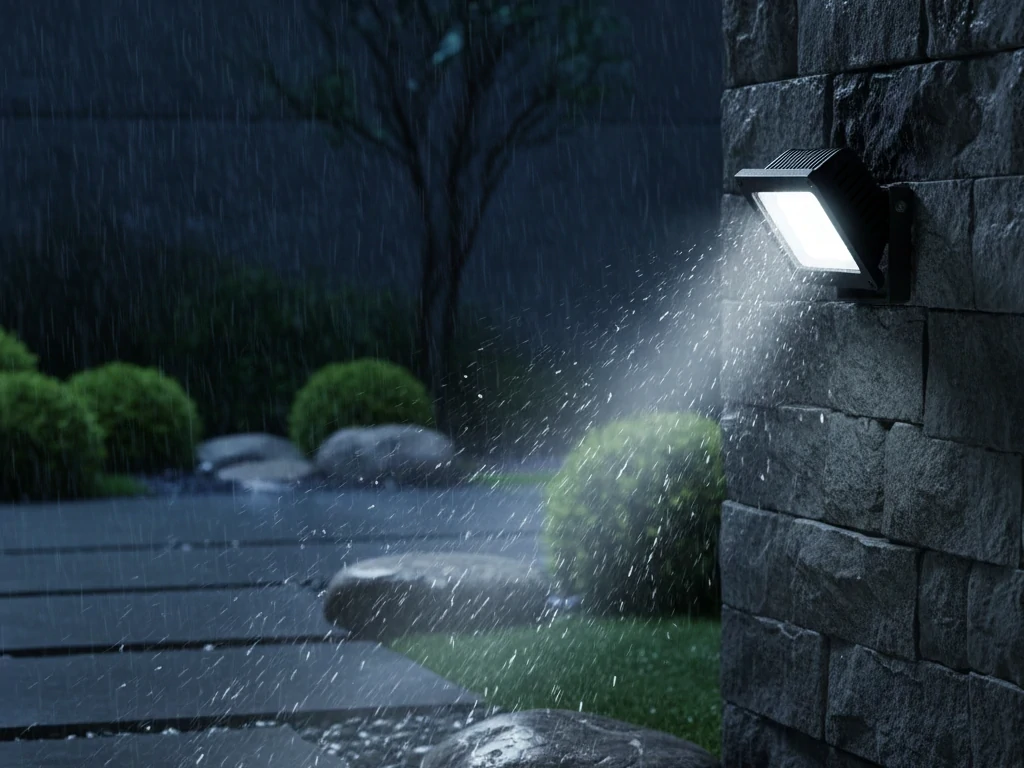
Choosing the Right Waterproof Outdoor LED Flood Light
Selecting the right waterproof outdoor LED flood lights isn’t just about picking the brightest or cheapest option on the shelf. Your choice affects safety, energy consumption, maintenance frequency, and the overall lifespan of the lighting system. Understanding lumen requirements, efficiency, IP rating, and installation environment ensures that the fixture you choose will perform reliably for years.
Lumens and Brightness – How Many Lumens Do You Need?
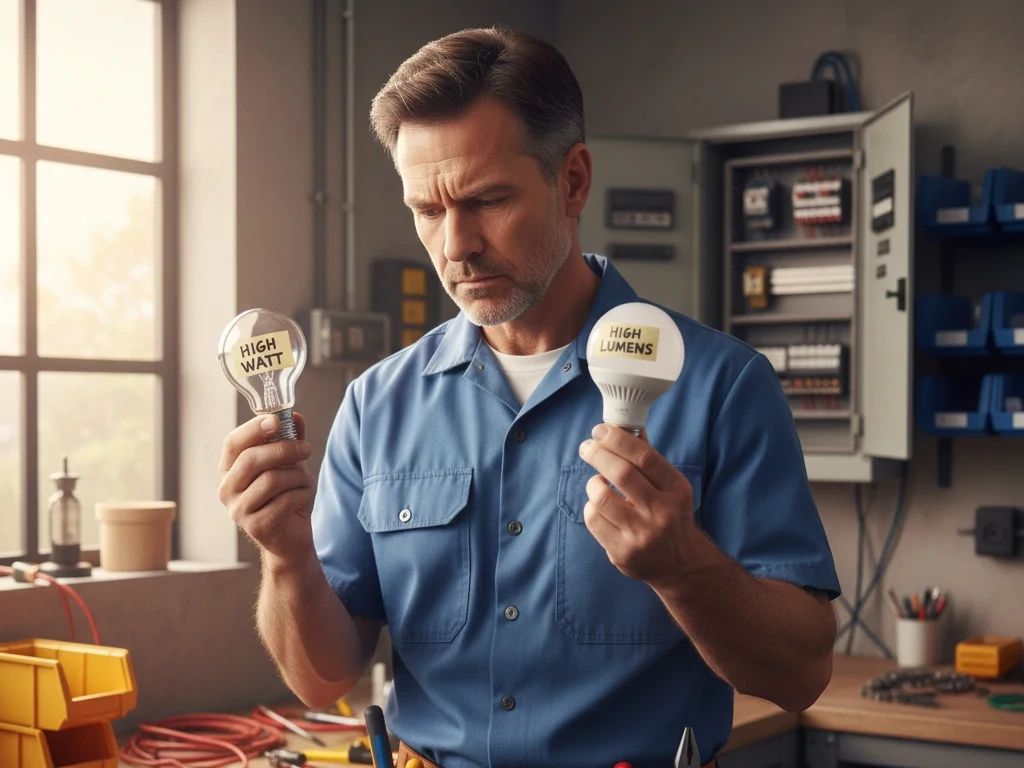
Lumens measure the actual light output, and they are far more important than wattage for both indoor and outdoor lighting. For example, two flood lights rated at 50 watts may produce drastically different lumens depending on chip quality and driver efficiency.
General guidelines for waterproof flood lights:
- 300–700 lumens: Accent lighting for gardens or small decorative areas.
- 700–1,500 lumens: Pathway or landscape lighting.
- 1,500–3,000 lumens: Residential security lighting, small yards, or driveways.
- 3,000–5,000 lumens: Large security areas, commercial perimeters, or parking lots.
- 5,000+ lumens: Industrial-scale flood lighting or high-security installations.
Experts often recommend using higher lumens for motion-activated security lights, as brighter light serves as a deterrent to intruders. Overly bright fixtures in small spaces, however, can create glare or light pollution.
Wattage vs. Lumens vs. Efficiency
Many consumers still choose flood lights based on wattage, but this is misleading. Wattage measures power consumption, not brightness. Efficiency, expressed in lumens per watt, gives a better indication of performance:
- High-quality fixtures: 120–150 lumens per watt.
- Lower-quality fixtures: 80–100 lumens per watt.
For instance, a 100W waterproof outdoor LED flood light with 150 lumens per watt produces 15,000 lumens. The same 100W fixture at 90 lumens per watt only produces 9,000 lumens—a 40% difference in output.
Choosing efficient flood lights reduces both electricity costs and heat generation, extending the lifespan of the fixture.
Motion Sensors, Smart Controls, and Automation
Modern waterproof flood light outdoor models often include features that improve energy efficiency and convenience:
- Motion sensors: Turn lights on only when needed, reducing power usage.
- Dusk-to-dawn photocells: Automatically activate lights at sunset and turn them off at sunrise.
- Smart control integration: Allows remote operation and scheduling for commercial or residential setups.
For indoor areas with intermittent activity, such as gyms or warehouses, outdoor-rated flood lights with motion sensors provide durability while minimizing electricity waste.
Solar-Powered Waterproof Flood Lights
Solar-powered fixtures have become increasingly practical for certain applications:
- Best for: Pathways, gardens, remote yards, or temporary setups where wiring is impractical.
- Limitations: Solar models generally have lower lumen output and depend on adequate sunlight for consistent performance.
Even with solar technology, wired waterproof outdoor LED flood lights remain superior for high-output, security-focused, or commercial installations. The choice depends on balancing convenience, power availability, and desired brightness.
IP Ratings and Environmental Considerations
Selecting a proper IP rating is critical. For residential gardens or driveways, IP65 is often sufficient. For areas exposed to heavy rain, wind-driven water, or occasional submersion, IP66 or IP67 is recommended. Installing a fixture with an inadequate rating will drastically reduce its lifespan, no matter how efficient the LED chips are.
- IP65: Dust-tight, protected against water jets.
- IP66: Dust-tight, protected against strong water jets.
- IP67: Dust-tight, can withstand temporary submersion.
Installing a fixture indoors that is rated for IP66 or IP67 provides additional durability, especially in humid environments, but may be unnecessary for dry, low-risk areas.
Beam Angle and Coverage
The beam angle determines how the light spreads over the area. Wide-angle beams (90–120°) cover larger areas with fewer fixtures, while narrow beams (30–60°) concentrate light on specific targets such as doorways, pathways, or security zones.
Consider your layout:
- Security lighting: Slightly narrow beams aimed downward to reduce glare while illuminating entry points.
- Landscape lighting: Wide-angle beams for uniform coverage of gardens or yard areas.
Beam angle, combined with lumens, defines both effectiveness and user experience.
Practical Selection Checklist
Before buying waterproof outdoor LED flood lights, consider:
- Lumens required based on space and purpose.
- IP rating for expected weather and moisture exposure.
- Housing material (aluminum recommended for heat dissipation).
- Driver and chip quality to avoid early failure.
- Optional features: motion sensors, dusk-to-dawn, smart integration.
- Mounting location and beam angle to ensure proper coverage.
- Budget vs. long-term energy and maintenance costs.
Following this checklist helps avoid common mistakes such as underpowered lights, early corrosion, or overheating.
Installation Guide for Waterproof Outdoor LED Flood Lights
Installing waterproof outdoor LED flood lights may seem straightforward—after all, it’s “just a light,” right? But in reality, proper installation is critical for performance, longevity, and safety. Incorrect mounting or wiring is one of the leading causes of early failure, even for the best fixtures. This guide walks you through preparation, installation, and safety considerations to ensure your investment lasts for years.
Tools and Preparation
Before touching wires, gather the right tools and materials. Doing this saves time and prevents mistakes:
- Basic tools: Drill, screwdriver set, pliers, and adjustable wrench.
- Electrical tools: Voltage tester or multimeter to confirm power is off.
- Mounting supplies: Screws, anchors, brackets, and heavy-duty fasteners suitable for the fixture weight.
- Weatherproofing materials: Silicone sealant and outdoor-rated junction boxes.
- Safety gear: Ladder with stabilizers, insulated gloves, and eye protection.
Preparation steps:
- Turn off the circuit breaker at the panel to avoid shock hazards.
- Assess the mounting location for stability and coverage. For outdoor security, lights should illuminate entry points, walkways, or large yard areas.
- Check your fixture’s IP rating. Even for waterproof flood lights, proper sealing at the mounting location prevents water ingress.
Pro tip: If you’re installing in high-wind or rainy areas, select a mounting location with slight overhead protection to extend the fixture’s lifespan.
Step-by-Step Installation Process
- Mount the junction box: Secure a weatherproof junction box to the wall or eave where the fixture will be installed. The box protects connections from moisture and provides a stable base.
- Feed the wires: Pass the supply cables through a waterproof cable gland. This ensures that no water can follow the wire into the housing.
- Make electrical connections: Connect hot (live), neutral, and ground wires to the fixture. Use outdoor-rated connectors and ensure each connection is tight. For multi-fixture installations, avoid overloading the circuit.
- Attach the bracket and fixture: Heavy aluminum housings, common in waterproof outdoor LED flood lights, require secure anchoring. Confirm that brackets are level and tightly fastened.
- Seal entry points: Apply silicone sealant around the cable entry and mounting holes to maintain waterproof integrity. Even a small gap can compromise the IP rating.
- Adjust beam angle: Point lights downward slightly for security or downward-focused illumination to reduce glare.
- Test operation: Restore power, test functionality, and verify motion sensors (if included) operate correctly.
Pro tip: Outdoor-rated fixtures are often heavier than LED indoor flood lights. Ensure anchors penetrate structural material, not just siding or drywall.
Safety Considerations During Installation
Safety is non-negotiable. Mistakes in wiring or grounding can create fire or shock hazards. Experts recommend:
- Always ground the fixture: Proper grounding prevents electric shock if moisture breaches the housing.
- Avoid exposed connections: Use junction boxes and cable glands to keep wiring sealed.
- Check circuit load: Don’t exceed breaker or wiring capacity; high-wattage waterproof flood lights can draw significant current when combined.
- Verify local codes: Some regions require permits or inspections for outdoor electrical work. Compliance ensures safety and avoids insurance complications.
- Ladder and height safety: For higher installations, have a partner assist and use stabilizers or scaffolding.
Installing waterproof outdoor LED flood lights isn’t just about mounting a light—it’s about creating a safe, durable, and effective lighting system.
Additional Tips for Longevity
- Install the fixture in a slightly downward-facing angle to minimize water pooling on the lens.
- Avoid placing the light directly under tree branches that drip or accumulate debris.
- For multiple fixtures, maintain consistent height and angle for even illumination.
- Check periodically (every 6–12 months) for dirt buildup, moisture, or seal degradation.
By following these steps, even someone with intermediate DIY skills can install waterproof outdoor LED flood lights that perform reliably for years. Professional installers may still be recommended for high-voltage or high-elevation applications.
Maintaining Waterproof Outdoor LED Flood Lights
Even the best waterproof outdoor LED flood lights require minimal maintenance to sustain performance and prevent premature failure. While LEDs themselves are highly durable, the components around them—drivers, housings, seals—can degrade over time due to moisture, dust, or heat. Proper maintenance ensures consistent brightness, safety, and longer lifespan, whether you are installing them outdoors or repurposing some units indoors.
Routine Cleaning and Inspection
Routine inspection is the simplest way to protect your investment:
- Check the lens: Dirt, pollen, or debris on the lens can reduce light output by up to 30%. Wipe gently with a damp cloth or mild soap solution.
- Inspect gaskets and seals: Silicone or rubber gaskets can harden or crack under UV exposure and temperature swings. Replace if any signs of deterioration appear.
- Examine mounting hardware: Ensure brackets, screws, and anchors remain tight. Outdoor vibrations or wind can loosen fasteners over time.
- Look for moisture: Small condensation droplets inside the fixture indicate a potential seal failure. Address immediately to prevent corrosion of internal drivers or wiring.
For installations in high-humidity areas or industrial settings, inspection every six months is recommended. For standard residential yards, annual checks may suffice.
Basic Troubleshooting
Even well-maintained waterproof flood light outdoor units can occasionally experience issues. Recognizing the problem early helps prevent costly replacements:
- Flickering or intermittent light: Often caused by loose connections, a failing driver, or voltage fluctuations. Inspect wiring and ensure tight connections.
- Dimming or uneven illumination: Could indicate overheating, degraded LED chips, or dust accumulation on the lens. Clean and verify proper airflow around the fixture.
- Partial LED failure: Some LED clusters may fail before others. This is typically a driver issue or chip degradation. Replacing the driver or the fixture may be required.
Remember, even if the LEDs themselves are inherently durable, the driver and electronics are more vulnerable to environmental stress. Proper maintenance prevents most failures.
Safety Tips During Maintenance
- Always turn off power before cleaning or opening the fixture.
- Use insulated gloves if inspecting wiring.
- Avoid using high-pressure water directly on the fixture; even IP65-rated lights are tested under controlled conditions.
- Replace damaged gaskets or cracked lenses immediately to maintain the waterproof integrity.
Maintaining a waterproof outdoor LED flood light isn’t difficult, but ignoring these steps is the fastest way to compromise the fixture’s lifespan.
Tips for Longevity
- Keep fixtures angled downward to prevent standing water on the lens.
- Trim nearby branches that could drip sap or block airflow.
- Avoid enclosing lights in tight boxes or cabinets, which can trap heat.
- Use surge protection on circuits powering multiple fixtures, especially in areas prone to lightning or voltage spikes.
- Document installation details: mounting height, IP rating, and wiring layout to make future maintenance easier.
These strategies protect both residential and commercial installations. Even if you occasionally repurpose waterproof outdoor LED flood lights indoors, following similar cleaning and inspection practices ensures consistent performance.
Why Maintenance Matters More Than You Think
Many failures attributed to LED technology are actually caused by neglect. Moisture intrusion, dust accumulation, and heat buildup gradually reduce output and accelerate driver failure. Regular maintenance:
- Keeps light levels consistent for safety and security.
- Reduces energy waste from overheating or dirty lenses.
- Extends lifespan, maximizing ROI.
- Prevents small issues from turning into total fixture failures.
Maintenance is particularly important for high-output outdoor flood lights, which produce more heat and are more exposed to the elements than LED indoor flood lights.
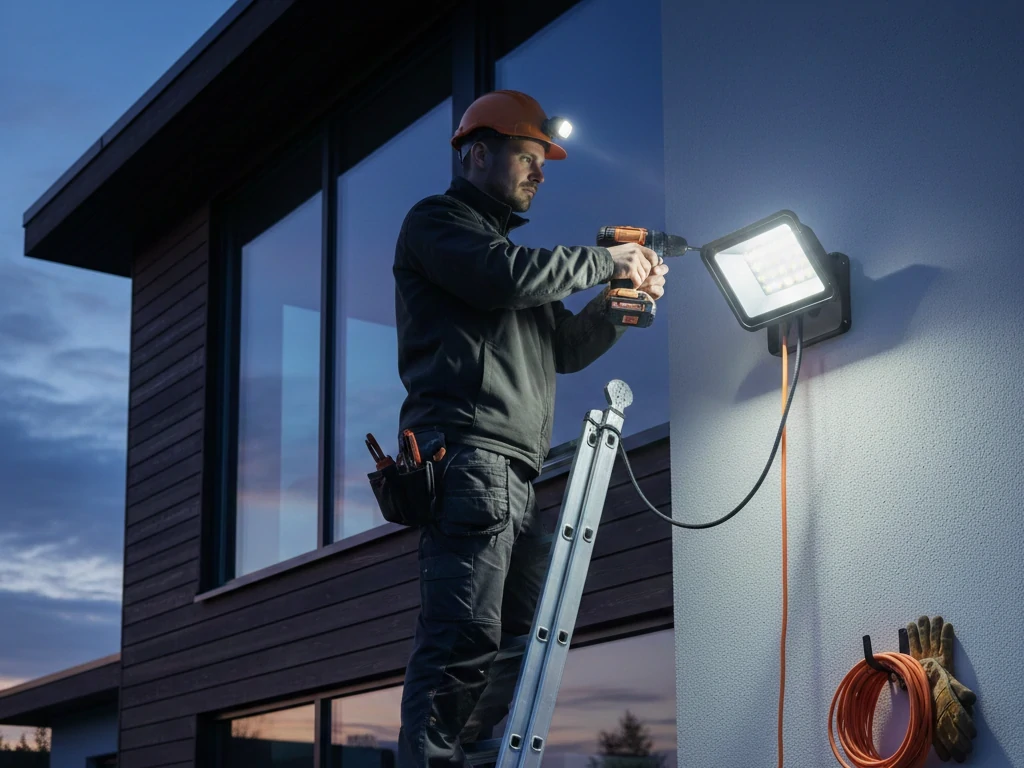
Why LED Flood Lights Fail – And How to Prevent It
Even the most durable waterproof outdoor LED flood lights can fail prematurely if certain conditions are ignored. Many users mistakenly blame the LED chips themselves, but field studies and expert analysis show that the primary causes of failure often lie elsewhere: poor installation, heat buildup, water intrusion, or low-quality drivers. Understanding these failure points helps you select, install, and maintain lights that last.
Common Causes of LED Flood Light Failure
- Driver Malfunctions
The LED driver converts AC power to the DC current required by the LEDs. Driver failure is the single most common cause of flickering or complete light loss. Low-quality drivers overheat or cannot handle voltage spikes, especially in outdoor installations exposed to fluctuating weather. Studies indicate that up to 60% of premature LED flood light failures are driver-related.
- Overheating
While LEDs are efficient, they still generate heat. Insufficient heat dissipation from poor housings or blocked airflow can reduce lifespan dramatically. For example, a 50W outdoor flood light in a sealed plastic casing can reach 85–90°C within hours, shortening the life of the LEDs and driver. Proper aluminum housings with fins and airflow maintain operating temperatures around 50–55°C, dramatically increasing longevity.
- Moisture Intrusion
Even waterproof flood lights outdoor rated IP65 or higher can fail if gaskets, seals, or cable glands are compromised. Water entering the fixture corrodes wiring and drivers, causing short circuits or complete failure. Field inspections often reveal that what appears as LED failure is actually water-damaged electronics.
- Voltage Fluctuations
Sudden surges or drops in electricity can damage both LEDs and drivers. Surge protection is particularly important in areas prone to lightning or unstable grid power.
- Physical Damage or Debris
Outdoor installations are exposed to wind, debris, or accidental impact. Scratches on the lens or damaged housings can compromise both light quality and waterproofing.
Preventing Failures – Expert Recommendations
- Choose Quality Components
Look for LED flood lights with industrial-grade drivers, aluminum housings, and robust gaskets. Even if LED indoor flood lights are cheaper, outdoor-rated units are engineered to withstand moisture, heat, and impact.
- Ensure Proper Installation
Secure mounting, correct wiring, and proper sealing at cable entries are crucial. Heavy outdoor housings need strong anchors and careful alignment to maintain beam coverage and minimize vibration stress.
- Maintain Heat Management
Install lights with adequate airflow and heat dissipation. Avoid enclosing them in boxes or tight spaces, even indoors, as trapped heat accelerates failure.
- Regular Maintenance
Routine inspection of gaskets, seals, and lenses prevents water ingress. Cleaning dust and debris ensures proper light output and prevents overheating. Experts recommend checking waterproof outdoor LED flood lights every 6–12 months depending on exposure.
- Use Surge Protection
Adding a surge protector prevents voltage spikes from damaging the driver and LED chips. This is especially important for outdoor installations and areas with frequent storms.
Practical Signs of Impending Failure
Knowing the warning signs helps avoid sudden outages:
- Flickering lights or intermittent operation
- Dimming or uneven illumination
- Moisture droplets inside the housing
- Unusual heat from the fixture
If you notice any of these signs, immediate inspection and maintenance can save the fixture. Often, replacing a driver or resealing the housing resolves the problem without discarding the entire light.
Key Takeaways for Longevity
- Drivers matter more than LEDs: Even premium LEDs can fail if paired with substandard drivers.
- Heat kills electronics: Proper housing and ventilation are essential.
- Seals prevent water damage: Inspect and replace gaskets regularly.
- Regular maintenance saves money: A little care every year extends the life of your waterproof outdoor LED flood lights significantly.
Experts emphasize that most failures are preventable. By selecting well-engineered fixtures, installing them properly, and performing basic maintenance, you can avoid premature failures and maximize both safety and return on investment.
Lifespan Expectations – How Long Waterproof Outdoor LED Flood Lights Last
One of the most common questions from homeowners and facility managers is: “How long do waterproof outdoor LED flood lights last?” Unlike traditional halogen or incandescent flood lights, LED technology offers impressive longevity—but the real-world lifespan depends on multiple factors, including installation, maintenance, and environmental exposure. Understanding these factors ensures you choose fixtures that provide reliable illumination for years without frequent replacement.
Manufacturer Ratings vs. Real-World Performance
Most waterproof outdoor LED flood lights are rated for 25,000 to 50,000 hours of operation. At 8 hours per day, that translates to roughly 8–17 years of service. However, these ratings assume ideal conditions:
- Proper voltage supply without frequent surges
- Adequate heat dissipation
- No water ingress or dust accumulation
- Stable environmental temperatures
In real-world installations, especially outdoors, factors like high humidity, extreme temperatures, or poor mounting can reduce this expected lifespan. For example, a 50W fixture installed under direct sun with blocked airflow may fail after just 4–5 years due to heat stress on the driver and LEDs.
Factors Affecting Lifespan
- Quality of LED Chips and Drivers
Field studies consistently show that low-quality drivers are the main reason even high-end LED chips fail prematurely. High-grade drivers with thermal protection and stable current output extend operational life significantly.
- Heat Management
Aluminum housings with fins and proper airflow prevent overheating, a common cause of early failure. Even indoors, in humid warehouses or gymnasiums, overheating can degrade LED indoor flood lights faster than expected.
- Moisture and Seal Integrity
Water intrusion accelerates driver and wiring failure. Maintaining gaskets, silicone seals, and IP-rated entry points is essential. Even waterproof flood light outdoor units can fail if seals deteriorate over time.
- Electrical Surges
Power fluctuations, including lightning strikes or unstable grids, shorten fixture lifespan. Experts recommend surge protection to protect both waterproof outdoor LED flood lights and indoor equivalents in industrial facilities.
Realistic Lifespan Expectations by Environment
- Residential yards and driveways: 10–15 years
- Commercial or industrial outdoor spaces: 8–12 years due to higher usage and exposure
- High-humidity indoor areas (pools, greenhouses): 8–10 years if using outdoor-rated fixtures
- Exposed rooftops or coastal areas: 6–9 years without regular inspection and maintenance
These estimates assume proper installation and periodic maintenance, including cleaning lenses, checking seals, and inspecting for moisture.
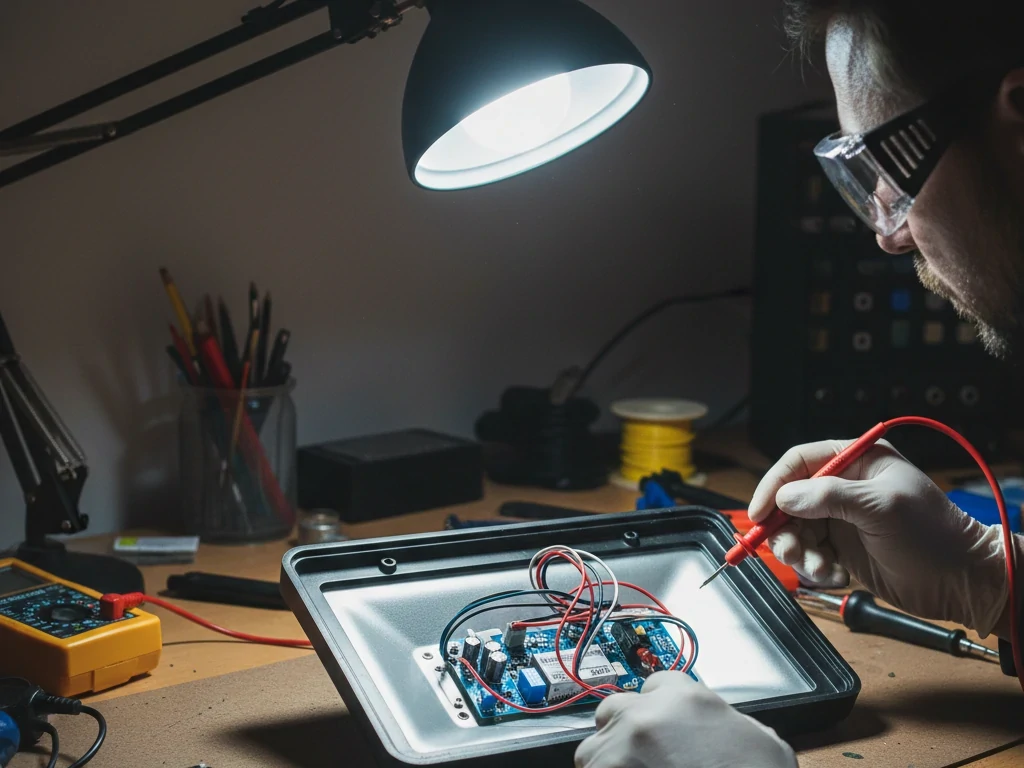
Conclusion – Choosing the Best Waterproof Outdoor LED Flood Lights
If you remember nothing else from this guide, remember this:
Most outdoor lighting failures are not caused by LEDs—they are caused by water, heat, and poor design.
Choose fixtures with real IP ratings. Favor heavy aluminum housings. Install them correctly. Maintain them occasionally.
Do that, and your waterproof outdoor LED flood lights will not just survive outdoors—they will thrive for years.
For homeowners, this means fewer ladder climbs and lower energy bills.
For professionals, it means fewer callbacks and happier clients.
That is the difference between simply buying a light and investing in a lighting solution.
FAQs – Waterproof Outdoor LED Flood Lights
How long do waterproof outdoor LED flood lights last?
Most waterproof outdoor LED flood lights are rated for 25,000 to 50,000 hours, which translates to roughly 8–17 years at 8 hours per day. Real-world lifespan depends on factors like:
• Proper installation
• Adequate heat management
• Seal integrity to prevent moisture ingress
• Voltage stability
Experts report that driver failure is the leading cause of premature outages. Proper maintenance—checking gaskets, cleaning lenses, and inspecting mounts—can extend lifespan considerably.
How to install waterproof outdoor LED flood lights?
Installing these lights safely involves several key steps:
1. Turn off power at the breaker.
2. Mount a weatherproof junction box for electrical connections.
3. Feed wires through waterproof cable glands.
4. Connect hot, neutral, and ground wires using outdoor-rated connectors.
5. Securely attach the fixture with strong anchors.
6. Seal cable entry points with silicone.
7. Adjust beam angle and test operation.
For heavy or high-mounted fixtures, consider professional installation to ensure both safety and optimal illumination. Even when using LED indoor flood lights, following similar wiring and mounting precautions is important.
What are the safety considerations for waterproof outdoor LED flood lights?
Safety is critical with any high-powered lighting. Key considerations include:
• Proper grounding to prevent shocks
• Using insulated gloves and tools during installation
• Avoiding exposed wiring and ensuring all seals remain intact
• Verifying circuit capacity; do not overload breakers
• Installing surge protection in areas prone to lightning or voltage spikes
Ignoring these precautions is the fastest way to cause both fixture failure and personal injury.
Can LED flood lights be used indoors?
Yes, waterproof outdoor LED flood lights can be used indoors, particularly in areas with high humidity or splash risk, such as:
• Indoor pools
• Greenhouses
• Industrial kitchens
• Workshops
Advantages include durability, heat management, and reduced maintenance. However, be mindful of brightness: outdoor units often produce higher lumens than required indoors. For small indoor spaces, LED indoor flood lights are usually sufficient.
Why do LED flood lights fail so quickly?
Premature failure is typically due to:
• Poor driver quality
• Overheating from inadequate heat dissipation
• Moisture ingress from damaged gaskets or seals
• Voltage fluctuations or surges
Field studies indicate that up to 80% of failures are driver-related, not the LED chips themselves. Regular maintenance and proper installation prevent most of these issues.
How many lumens is a good flood light?
The ideal lumen output depends on the application:
• 300–700 lumens: Accent lighting
• 700–1,500 lumens: Pathway or small security areas
• 1,500–3,000 lumens: Residential security lighting
• 3,000–5,000 lumens: Large yards or commercial perimeters
• 5,000+ lumens: Industrial areas or high-security zones
Higher lumens deter intruders and provide clear illumination but can create glare if overused indoors.
Are LEDs waterproof by themselves?
LED chips themselves are solid-state devices and inherently resistant to moisture. The vulnerable components are:
• Drivers
• Wiring connections
• Housings and gaskets
A well-designed waterproof flood light outdoor ensures the driver and wiring are sealed, protecting the entire fixture from water damage.
How should I maintain waterproof outdoor LED flood lights?
• Clean lenses and housings periodically
• Inspect gaskets and seals for cracks or hardening
• Tighten mounting hardware
• Check for moisture or condensation inside the fixture
• Install surge protection to prevent driver damage
Even occasional cleaning and inspection significantly extend the lifespan.
Can multiple waterproof flood lights be installed on a single circuit?
Yes, but you must calculate total wattage to avoid overloading the breaker. For example, ten 50W waterproof outdoor LED flood lights draw 500W total. Ensure the circuit capacity and wire gauge can handle the load safely.
What environmental factors affect performance?
• Extreme temperatures (hot or cold) can reduce lifespan
• Humidity or water exposure beyond IP rating may cause corrosion
• Dust, debris, or foliage can reduce brightness and airflow
• Proximity to vibration or physical impact may loosen hardware
Selecting the right IP rating and performing regular maintenance ensures optimal performance in any environment.