
Table of Contents
If you’ve ever stood in the lighting aisle or scrolled through pages of spotlights led options online and wondered why some fixtures look blindingly bright while others feel underwhelming, the answer almost always comes down to one measurement: spotlight lumens. This single number determines how powerful a beam is, how far it can reach, and how effectively it can illuminate accents, landscapes, or entire rooms. Yet most people misunderstand what spotlight lumens actually represent and how many they really need.
In this comprehensive guide, we’re breaking down the science behind spotlight lumens, how they compare across different lighting types, and how to select the perfect brightness for everything from a cozy home spotlight setup to a heavy-duty outdoor security light. Whether you’re upgrading spot led light bulbs, choosing energy-saving options, or evaluating task and accent lights, understanding spotlight lumens transforms how you design your lighting environment.
Let’s dive right in.
What Exactly Is a Lumen?
Definition and Physical Meaning
A lumen is the unit that tells you how much visible light a source emits. While watts measure how much energy a bulb consumes, spotlight lumens measure how much light you actually get. This shift from wattage to lumens became especially important when LEDs replaced incandescent bulbs, because LEDs deliver far more brightness per watt.
When examining spotlights led, lumens are your most reliable indicator of perceived brightness. If you choose a spotlight with too few lumens, your room or outdoor area will feel dim. Choose too many, and you may experience glare or discomfort. That’s why mastering the meaning of spotlight lumens is essential.
Difference Between Lumens, Lux, and Watts
It’s easy to get lost in the terminology, so here’s a quick breakdown:
- Lumens (lm) measure total light output.
- Lux (lx) measures how much light lands on a surface—lumens spread over an area.
- Watts (W) measure energy consumed, not brightness.
When deciding between spot led light bulbs, always prioritize lumens. The wattage simply tells you how efficient the bulb is. For example, a 7-watt LED can produce 600+ lumens—something an older incandescent would need 40–50 watts to achieve.
Spotlight lumens = actual brightness. Watts = energy cost. Lux = illumination effect. Once this clicks, choosing home spotlight or specialty lighting becomes dramatically simpler.
How Many Lumens Does a Good Spotlight Need?
Selecting the ideal brightness for your space starts with understanding recommended spotlight lumens ranges for different environments. The “right” number varies widely depending on the size of the area, the purpose of the light, ceiling height, and how narrow or wide the beam angle is.
Let’s break it down.
Residential Spotlights
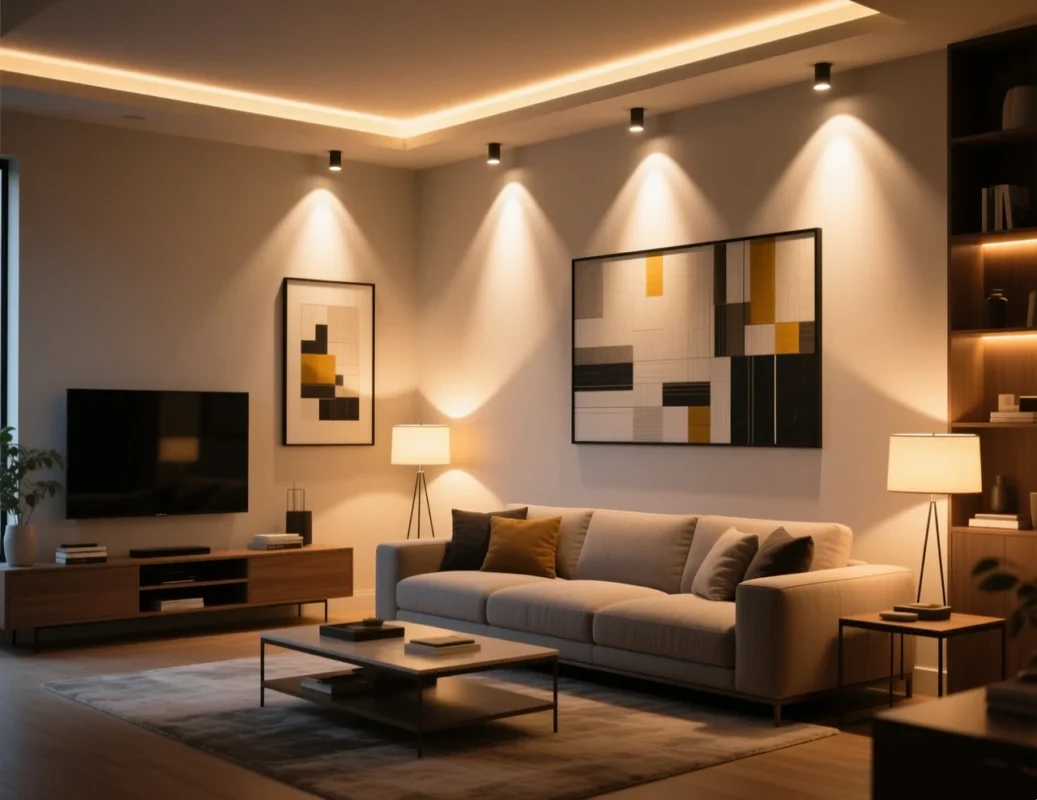
For indoor residential use, you typically use spotlights led to highlight artwork, illuminate hallways, brighten kitchens, or add layers of light to living areas. Each scenario demands different spotlight lumens levels.
Accent Lighting
Accent or decorative lighting usually requires 400–800 spotlight lumens. These are perfect for:
- Highlighting bookshelves
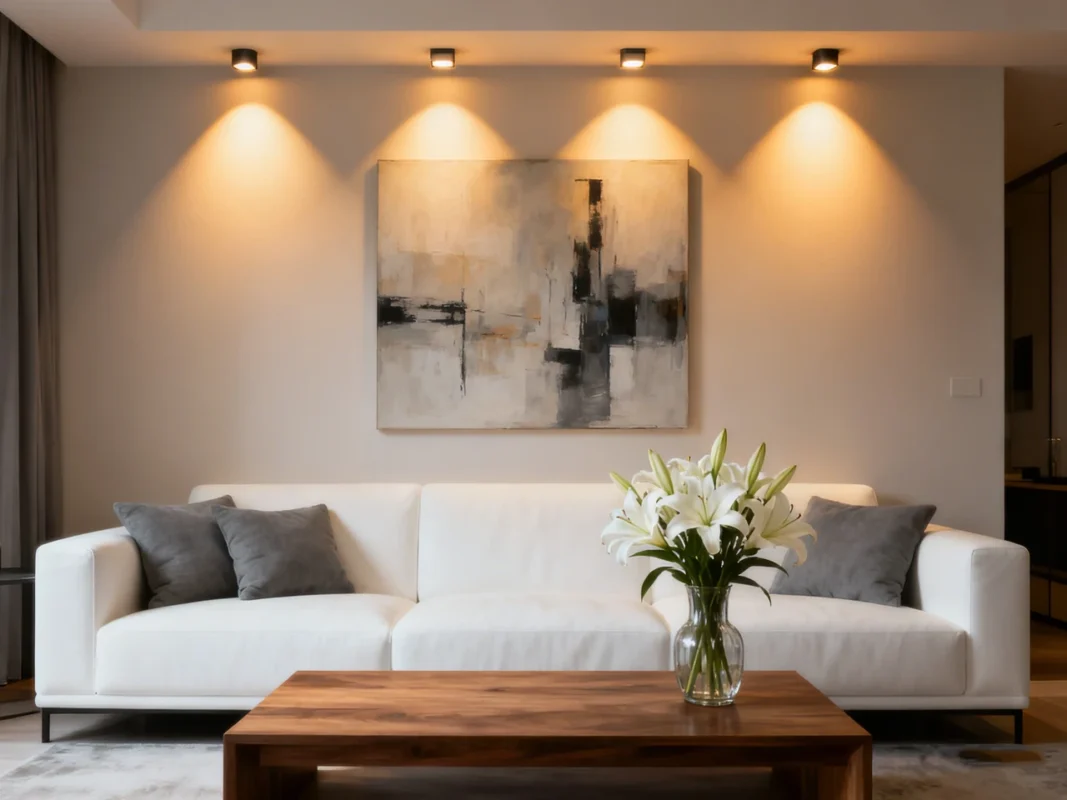
- Illuminating a painting
- Adding sparkle to a feature wall
- Creating mood lighting in dining areas
With spot led light bulbs, even 500–600 lumens can pack a punch because the beam is focused rather than diffused.
Task Lighting
Task lighting—especially in kitchens, closets, or bathrooms—needs to be brighter. Most professionals recommend 800–1,200 spotlight lumens for detailed tasks like:
- Cooking
- Grooming
- Reading
- Crafting
A common mistake is under-lighting kitchens with low-lumen bulbs. Because spotlights create directional beams, having too few spotlight lumens results in shadows exactly where you don’t want them.
Commercial and Art-Gallery Spotlights
Commercial displays and galleries often push brightness even higher. In these environments, the goal is clear illumination, accurate color rendering, and enough throw distance to highlight merchandise or artwork.
Typical ranges:
- 1,000–2,000 spotlight lumens for retail lighting
- 2,000–5,000 spotlight lumens for gallery walls, sculptures, and stage areas
Here, spotlights led with precise beam angles and high CRI values outperform older technologies. A narrower beam provides greater punch without additional energy use. Designers often choose several medium-lumen lights rather than one extremely high-powered unit to prevent harsh glare.
Outdoor and Security Spotlights
Outdoor lighting demands significantly more spotlight lumens, especially when you need wide coverage or long-range visibility.
Landscape and Garden Lighting
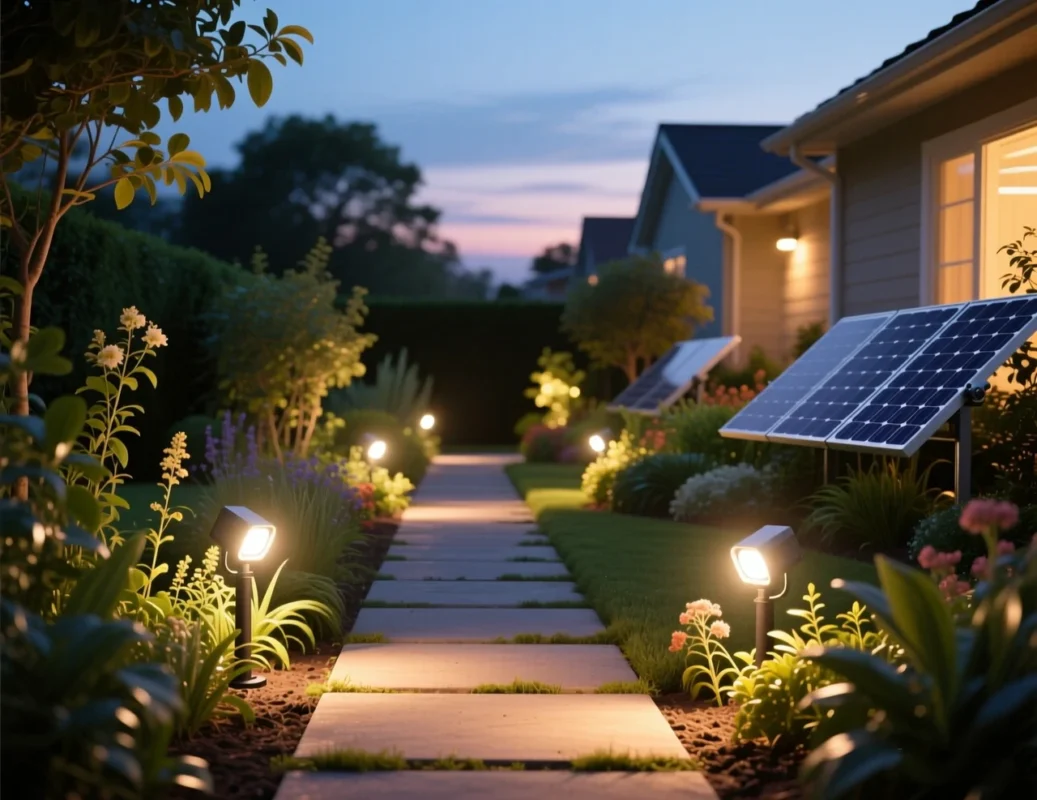
Subtle garden or pathway illumination typically uses 500–1,500 spotlight lumens. These levels are ideal for:
- Trees
- Shrubs
- Architectural accents
- Water features
Solar fixtures—like high lumen solar spot lights (covered later)—are particularly popular for this range.
Security Lighting
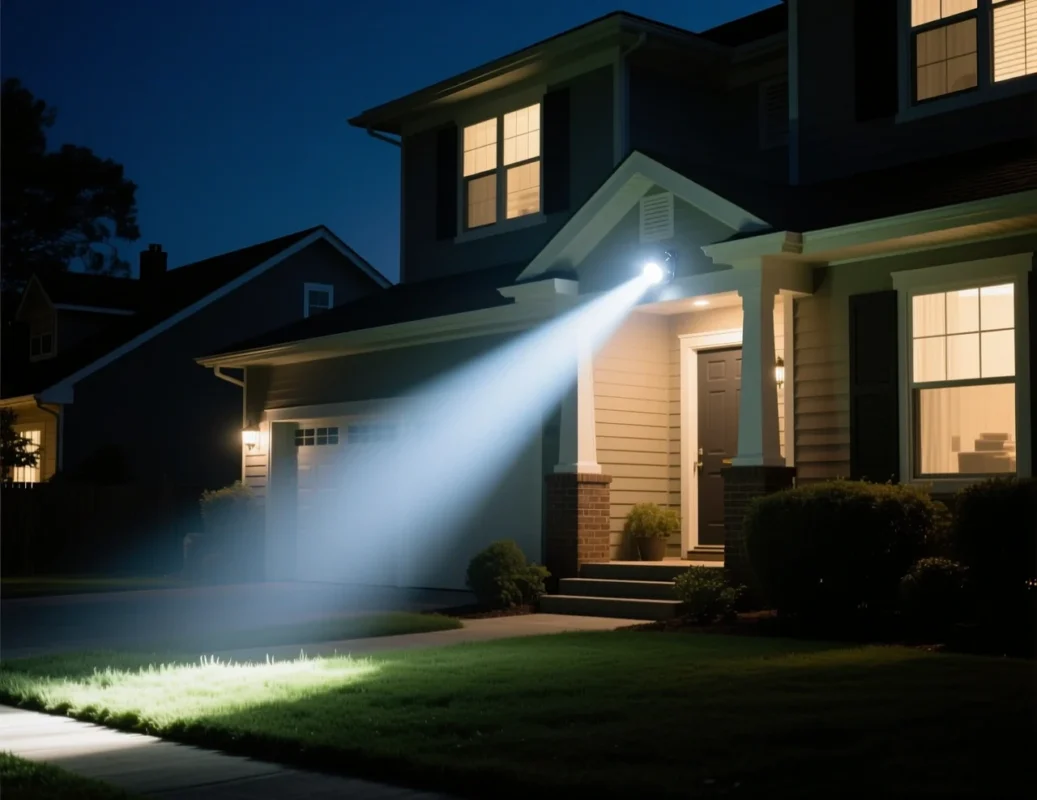
Security lighting needs to be bright enough to deter intruders, illuminate large areas, or activate motion sensors reliably. This often means:
- 1,500–3,000+ spotlight lumens for doorways
- 2,000–5,000 spotlight lumens for wide-area coverage
- 3,000+ spotlight lumens for perimeter lighting
Even in these cases, beam control matters. The most efficient security lighting uses enough lumens to provide visibility without overwhelming the environment or creating light pollution.

Calculating Lumens for Your Space
Understanding the recommended spotlight lumens ranges is useful, but applying them to your specific room or outdoor area requires a little more calculation. The good news? You don’t need to be an engineer to estimate how many spotlight lumens you need—you just follow a simple formula.
Using the Lumen Method (Lumen Calculation)
Lighting experts often rely on the “lumen method” to determine the amount of light required in a room. It’s a straightforward equation:
Room area (in square feet) × target foot-candles = total required lumens
Foot-candle recommendations vary depending on the activity in the room. For example:
- Living room: 10–20 foot-candles
- Kitchen: 30–40 foot-candles
- Bathroom: 20–30 foot-candles
- Workspace or workshop: 50–70 foot-candles
Let’s say your living room is 200 square feet.
If you want a comfortable ambient level, you multiply:
200 sq ft × 15 foot-candles ≈ 3,000 spotlight lumens
This doesn’t necessarily mean you need one 3,000-lumen light fixture. You might choose several spotlights led that collectively provide the total illumination. For example:
- Four home spotlight fixtures at 700–800 lumens each
- Or six spot led light bulbs at 500 lumens each
Distributing spotlight lumens creates even lighting and prevents harsh shadows.
Adjusting for Ceiling Height, Reflectance, and Beam Angle
The lumen method gives you a baseline, but real-world spaces rarely behave perfectly. This is where adjustments come into play.
Ceiling Height
Higher ceilings require more spotlight lumens to achieve the same perceived brightness because light must travel farther. Rooms with 9–11 foot ceilings often require:
- 20–30% more lumens
- Narrower beam angles to focus the light
Wall and Ceiling Reflectance
Dark walls absorb light. Light-colored walls reflect it.
- Dark room? Add 20–50% more spotlight lumens.
- White or bright room? You can stay on the lower end of the recommended range.
Beam Angle
Beam angle may be the most overlooked factor in lighting design.
- Narrow beam (15–30°): concentrated, bright, ideal for accents
- Medium beam (30–60°): balanced spread for general lighting
- Wide beam (60–120°): washes large areas but dilutes the brightness
A 500-lumen spotlight with a narrow beam can appear brighter than a 900-lumen spotlight with a wide beam. This is why choosing the right spot led light bulbs matters just as much as selecting the right number of lumens.
Spotlight Types & Applications
Spotlights come in a wide range of designs and power sources, each suited for different uses. Understanding the types helps you choose the best option for your project—whether it’s a garden upgrade, a camping tool, or a new home spotlight plan.
Types of Spotlights Based on Power Source
Best Rechargeable Spotlight
A best rechargeable spotlight is typically a handheld or portable light used for outdoor activities, emergencies, or projects where wiring isn’t practical. These usually offer:
- Mobility
- Long battery life
- Adjustable brightness
- Often, 800–3,000+ spotlight lumens
Because they’re designed for versatility, a best rechargeable spotlight often includes multiple modes, from flood to narrow spot beams. This makes them ideal for camping, garage repairs, or emergency kits.
High Lumen Solar Spot Lights
Outdoor solar fixtures are growing rapidly in popularity. High lumen solar spot lights are used mainly for:
- Gardens
- Pathways
- Landscape accents
- Entrances
Most modern high lumen solar spot lights offer 500–1,500 spotlight lumens, depending on panel efficiency, battery storage, and weather conditions. These are perfect for eco-conscious homeowners who want reliable lighting without wiring or electricity bills.
Types Based on Use Case
High Lumen Spot Light
When you need maximum brightness, a high lumen spot light—typically 1,500 to 6,000+ lumen output—delivers. People use them for:
- Construction sites
- Security perimeters
- Large outdoor events
- Long-distance illumination
These lights often feature narrow, high-intensity beams capable of reaching impressive distances.
Spot LED Light Bulbs
Spot led light bulbs are the most common indoor choice. These are typically GU-style or MR-style bulbs with highly directional beams. They can produce anywhere from 400 to 1,200 spotlight lumens, making them ideal for:
- Living rooms
- Kitchens
- Bathrooms
- Hallways
- Exhibits
- Small retail spaces
Their versatility and efficiency make spot led light bulbs a backbone of modern home lighting.
High Lumen Solar Spot Lights
(Already covered above, will be referenced again naturally to maintain keyword frequencies.)
Automobile Spotlights
When visibility equals safety, automobile spotlights step in. These high-output beams help with:
- Off-road driving
- Nighttime navigation
- Search-and-rescue operations
- Long-distance roadside visibility
The typical automobile spotlights range starts around 1,000 lumens but can climb far higher for professional-grade use.
Home Spotlight
A home spotlight is any fixed indoor lighting fixture that focuses light on a specific area. This can mean:
- Downlights
- Ceiling-mounted spotlights
- Wall-mounted spot fixtures
- Adjustable track spotlights
A good home spotlight system blends task, accent, and ambient lighting. Achieving this balance depends on choosing the right spotlight lumens for each layer.
LED Spotlights: Advantages and Disadvantages
LED technology fundamentally changed the lighting industry. Understanding the pros and cons helps you make informed decisions, whether you’re buying home spotlight fixtures, retrofitting spot led light bulbs, or upgrading outdoor lighting.
What Is a LED Spot Light Bulb?
A LED spot light bulb is a directional light source that uses light-emitting diodes instead of traditional filaments. Unlike incandescent bulbs—which waste enormous amounts of energy as heat—LEDs convert most of their electricity into visible light.
Common characteristics include:
- Long lifespan
- Low energy consumption
- Focused, controlled beams
- Superior lumen-per-watt ratios
- Crisp, clean light quality
Most spot led light bulbs on the market today produce between 500 and 1,200 spotlight lumens, depending on wattage, design, and beam angle.
Pros of LED Spotlights
LED spotlights remain one of the most popular lighting choices for homeowners and businesses because they deliver a remarkable combination of brightness, longevity, and efficiency.
Energy Efficiency
LEDs generate significantly more spotlight lumens per watt than older lighting technologies. This means you save on your energy bill while getting brighter, more consistent illumination.
Long Lifespan
An LED spotlight can last years longer than incandescent or halogen bulbs. This reduces replacement costs and maintenance.
Cleaner, Higher Quality Light
Whether you’re illuminating a piece of artwork or washing a wall with light, LEDs offer vibrant colors and excellent clarity. High CRI options make objects appear more natural and accurate.
Immediate Full Brightness
Unlike older bulbs that warm up slowly, spotlights led turn on instantly at full brightness—even in cold weather. This is especially valuable for high lumen solar spot lights, which often rely on LEDs for reliability.
Disadvantages of LED Spotlights
Even with all their benefits, LED spotlights aren’t perfect. Here are some drawbacks to be aware of:
Higher Upfront Cost
LEDs cost more initially compared to older bulb types. Over time, their energy savings offset the cost—but the initial investment can be noticeable.
Potential Glare
More spotlight lumens doesn’t always mean better lighting. Poorly aimed or overly bright LEDs can produce glare that’s uncomfortable or even unsafe.
Heat Management Requirements
LEDs produce less heat than incandescents, but they do generate internal heat that must be dissipated through built-in heat sinks. In tight fixtures, heat buildup can reduce lifespan.
Light Pollution Concerns
Outdoor LEDs—especially high lumen spot light units—can contribute to light pollution if not aimed carefully. Shielding, dimming, and thoughtful placement help mitigate this.
How to Choose the Right Spotlight Based on Lumens
At this point, you understand what spotlight lumens are, the recommended ranges for various environments, and the differences among spotlight types. Now it’s time to pull it all together and select the right fixture.
Matching Lumens to Purpose
Choosing lighting begins with deciding the purpose of each spotlight:
Accent
- 400–800 spotlight lumens
- Narrow beam angle
- Great for highlighting décor, art, or architectural features
Task
- 800–1,200 spotlight lumens
- Medium beam angle
- Ideal for kitchens, vanities, and detailed work areas
Security or Outdoor
- 1,500–3,000+ spotlight lumens
- Wide or adjustable beams
- Suitable for driveways, yards, and building perimeters
Specialty Uses
- Automobile spotlights → long-range, high-intensity
- Best rechargeable spotlight → portable, multi-mode
- High lumen solar spot lights → sustainable outdoor illumination
Each scenario calls for different spotlight lumens, beam angles, and fixture designs.
Other Key Factors to Consider
Beam Angle
One of the most important decisions in spotlight selection.
- Narrow → maximum punch per lumen
- Medium → balanced spread
- Wide → gentle wash, fewer shadows
Color Temperature
Your room’s mood depends heavily on color temperature:
- Warm (2700–3000K): cozy, inviting
- Neutral (3500–4100K): versatile
- Cool (5000–6500K): crisp, energizing
CRI (Color Rendering Index)
The higher the CRI, the more naturally the colors appear under the light. For artwork or retail displays, you want a CRI of 90+.
Dimming Compatibility
Not all spot led light bulbs dim smoothly. If you want adjustable brightness, make sure both the fixture and the switch support dimming.
Longevity and Reliability
Especially with high lumen spot light fixtures, quality matters. Cheap components lead to failures, flickering, or reduced output over time.
Spotlight Use Cases
Best Rechargeable Spotlight
The best rechargeable spotlight is designed for users who need powerful, portable illumination. Common uses include:
- Camping
- Car emergencies
- Home repairs
- Power outages
- Outdoor activities
These lights often feature adjustable beams, reaching anywhere from:
- 800 spotlight lumens on low mode
- 1,500–3,000 spotlight lumens on high mode
Because they run on rechargeable batteries, they offer flexibility you can’t get from wired fixtures.
High Lumen Spot Light
When you need raw brightness, a high lumen spot light delivers. This type is used in:
- Security patrols
- Construction
- Search-and-rescue
- Farms or rural properties
- Boating
- Outdoor events
Many high lumen spot light designs come with durable housings, weatherproof seals, and extremely focused beams capable of reaching hundreds of feet.
Spot LED Light Bulbs
Inside homes, offices, and small businesses, spot led light bulbs are the go-to choice. Benefits include:
- Excellent efficiency
- Strong lumen output
- Directional lighting that avoids waste
- A wide range of beam angles
They easily provide 500–1,200 spotlight lumens—perfect for layered indoor lighting strategies.
High Lumen Solar Spot Lights
These are ideal for environmentally friendly landscape lighting. Solar fixtures have improved significantly in recent years, allowing high lumen solar spot lights to compete with wired models for:
- Path lighting
- Accent lighting on trees
- Home entrances
- Yard perimeters
Because they operate independently of the grid, they’re also ideal for users who want lighting without increased utility bills.
Automobile Spotlights
Automobile spotlights are engineered for long-distance visibility and safety. They’re vital for:
- Off-road driving
- Nighttime expeditions
- Search operations
- Rural nighttime navigation
These beams often combine high power with narrow focus, producing thousands of spotlight lumens that reach far down a trail or road.
Home Spotlight
A home spotlight isn’t just about brightness—it’s about layering lighting to create a warm, functional environment. Homeowners use spotlights for:
- Artwork
- Hallways
- Open-concept living areas
- Kitchen islands
- Bathrooms and dressing mirrors
Understanding spotlight lumens helps homeowners strike a balance between comfort and functionality.
Safety, Efficiency & Sustainability
Lighting isn’t just decorative or functional—it has environmental, safety, and well-being consequences. Making smart choices with spotlight lumens helps you reduce energy usage, prevent unsafe glare, and improve long-term satisfaction with your lighting design.
Avoiding Light Pollution and Over-Illumination
Outdoor high lumen spot light fixtures can produce far more brightness than you need. If they are not aimed carefully, the light spills upward or into neighboring properties.
To reduce pollution:
- Use shielded fixtures
- Choose appropriate beam angles
- Avoid unnecessary brightness
- Install dimmers or motion sensors
High lumen solar spot lights should also be oriented downward at proper angles for effective visibility.
Energy Efficiency and Cost Savings
LEDs radically changed the relationship between lumens and watts. You now get more spotlight lumens from a fraction of the power used by older bulbs.
Benefits include:
- Lower energy bills
- Reduced heat output
- Minimal bulb replacements
- Environmentally friendly operation
Whether you’re using spotlights led in the living room or a best rechargeable spotlight for emergencies, LEDs stretch every watt.
Regulatory & Environmental Concerns
Some regions restrict outdoor lighting brightness to prevent:
- Light trespass
- Glare problems
- Skyglow
Choosing the right spotlight lumens ensures compliance while still delivering adequate illumination.
Maintenance and Long-Term Reliability
Long-term performance depends on:
- Quality LEDs
- Proper heat management
- Good driver circuitry
- Weather-resistant housings for outdoor models
This is especially true with high lumen solar spot lights and automobile spotlights, which face harsh environmental conditions.
Conclusion
Decoding spotlight lumens puts you in control of your lighting environment. Whether you’re upgrading a cozy room, designing outdoor security layers, installing spot led light bulbs, or selecting high lumen solar spot lights for landscape accents, understanding lumens ensures the perfect match of brightness, efficiency, and beam precision. It also empowers you to differentiate among spotlights led, general LED lighting, and other high-intensity fixtures like automobile spotlights.
Choosing the right lumens is not about picking the brightest option but selecting the lumen level that suits the task, environment, and visual comfort needed. When you balance beam angle, lumen output, and lighting purpose, your home spotlight or outdoor system becomes more effective and energy-efficient. With the right knowledge, any space—indoors or outdoors—can be transformed into a beautifully illuminated, safe, and functional environment.
If you are interested in outdoor solar lights or indoor lights then you can visit AuroLamp, where you are sure to find your favorite lights.
Frequently Asked Questions About Spotlight Lumens
How many lumens is a normal spotlight?
A normal spotlight typically ranges from 400 to 800 spotlight lumens for indoor residential use. This level is ideal for accent lighting, small task areas, and general-purpose home spotlight applications. When using spot led light bulbs, this lumen range provides crisp, focused illumination without washing out a room. In outdoor settings, “normal” can start higher—around 1,000 spotlight lumens—depending on how far the beam needs to travel.
How many lumens does a good spotlight have?
A “good” spotlight generally offers 800 to 2,000 spotlight lumens, depending on its purpose. For kitchens, hallways, garages, or commercial spaces, this range provides the necessary brightness for clear visibility and strong beam performance. When choosing between spotlights led options, the quality of the optics and beam control is just as important as the lumen rating, because a well-focused beam uses lumens more efficiently.
Is 2000 lumens good for a spotlight?
Yes, 2,000 spotlight lumens is excellent for many medium-to-large applications. This brightness level works well for:
• Outdoor security
• Large living rooms
• Tall ceilings
• Landscape lighting
• Automobile spotlights
• Workshops or garages
When paired with a narrow beam, 2,000 lumens can create long-range illumination. For wide flood-style beams, it remains effective but may produce softer coverage. In outdoor contexts, 2,000 lumens is often considered the sweet spot for general security lighting and high lumen spot light performance.
What is a LED spot light bulb?
A LED spot light bulb is a focused-beam lighting device that uses light-emitting diodes to cast a directed stream of illumination. Unlike traditional bulbs that scatter light in all directions, spot led light bulbs concentrate brightness into a narrow cone, making them ideal for accent lighting, task lighting, and long-distance beam projection. These bulbs are known for high efficiency, low heat output, and long lifespan—qualities that make them essential for both home spotlight systems and outdoor installations.
What is the disadvantage of LED light bulbs?
LED light bulbs have many advantages, but they do come with a few drawbacks:
• They may cost more upfront compared to older technologies
• Some models can produce directional light that feels too harsh if not paired with proper optics
• They may require compatible dimmer switches to avoid flickering
• Poor-quality LEDs can degrade in color accuracy over time
However, in the context of spotlight lumens, LEDs remain the most efficient lighting option, delivering high brightness without exceeding energy limits. This is especially true for spotlights led, which rely heavily on beam precision and lumen stability.
What is the difference between LED lights and spotlights?
LED lights describe the technology, while spotlights describe the beam style. LED lights can be bulbs, panels, tubes, strips, or projectors. Spotlights, on the other hand, are fixtures designed to produce a narrow, focused beam.
Key distinctions:
• LED refers to the light source
• Spotlight refers to the beam shape and application
• Many spotlights use LEDs, but not all LED products are spotlights
• Spotlights emphasize directional illumination; LEDs can produce directional or wide light
When choosing spotlights led, you’re selecting an LED-based spotlight that combines energy efficiency with a purposeful beam optimized for highlighting or long-range lighting.
What are the three types of spotlights?
The three main types of spotlights are:
Fixed Spotlights
These lights aim in one set direction and are common in kitchens, hallways, and galleries. Their consistent beam is perfect for accent areas or fixed tasks.
Adjustable or Directional Spotlights
These can tilt, swivel, or rotate. Because you can aim them precisely, they’re widely used in living rooms, offices, and display environments. Many home spotlight systems rely on directional units.
Outdoor or Landscape Spotlights
Designed for durability, weather resistance, and higher spotlight lumens, these fixtures illuminate gardens, architecture, and security zones. Many are powered by solar technology, including high lumen solar spot lights, which offer excellent brightness without wiring.
Are more lumens always better for a spotlight?
Not always. More spotlight lumens means more brightness, but too much brightness can:
• Create glare
• Produce harsh shadows
• Waste energy
• Reduce visibility if mis-aimed
The best spotlight is the one appropriately matched to the space and task. For example, a high lumen spot light may be ideal for security, but overwhelming for indoor reading or artwork.
Are high-lumen solar spotlights bright enough for outdoor security?
Modern high lumen solar spot lights absolutely can provide excellent security lighting. Many models exceed 1,000–2,000 spotlight lumens, depending on panel efficiency and battery capacity. While solar units vary in output, today’s top-performing designs rival wired lights in brightness, especially when strategically placed along pathways, driveways, and perimeters.
How far will a high-lumen spotlight shine?
A high-powered, high lumen spot light with a narrow beam angle can throw light hundreds of feet. Distance depends on:
• Beam angle
• Optics quality
• Total lumen output
• LED efficiency
• Ambient lighting
For example, automobile spotlights typically use narrower beams to achieve impressive reach, often extending visibility across large outdoor spaces.