

Table of Contents
Power cables are essential components in our daily lives, powering everything from household appliances to electronic devices. Among the various types, the 2-prong power cable stands out for its simplicity and widespread use. This comprehensive guide delves into the details of 2-prong power cables, exploring their types, safety considerations, and practical applications.
Introduction to 2-Prong Power Cables
What is a 2-Pin Power Supply Cable?
A 2-pin power supply cable is one of the most common and straightforward types of electrical cords used in households and offices today. Essentially, it features two metal prongs that connect a device to a standard electrical outlet, allowing the flow of electricity. Unlike 3-prong cables, which include a ground prong for added safety, 2-prong cables rely solely on the live (hot) and neutral wires. This makes them ideal for devices that are either double-insulated or inherently low-risk, such as radios, lamps, or two prong chargers for small electronics.
One of the advantages of a 2-pin electrical connector is its simplicity. The plug’s design is straightforward, often flat or cylindrical, making it easy to use without any complicated alignment. Variations in 2 pin power cord types allow these cables to serve multiple purposes, from powering solar lights in your backyard to connecting older household appliances. A 2 slot power cord is just another common form of this type of cable, characterized by two parallel flat prongs that fit snugly into standard North American outlets.
It’s important to note that while the design seems simple, not all power cable 2 prong models are created equal. Differences in wire gauge, insulation material, voltage rating, and connector shape can significantly affect performance and safety. Using a substandard or incompatible cable could lead to overheating or even electrical hazards. For this reason, always check the specifications of the device and the cable, particularly when using them with high-wattage appliances or 2 pin power supply cables intended for continuous use.
Moreover, modern 2-prong cables often incorporate features for user convenience and durability. Some are reinforced to resist bending, twisting, or fraying, while others are designed with polarized plugs—where one prong is slightly wider than the other—to ensure proper insertion and reduce the risk of electrical faults. Whether it’s powering a two prong charger, a solar light, or a compact electronic device, the power cable 2 prong remains a reliable, versatile, and widely adopted solution.
History and Popularity of Two-Prong Chargers
The story of the 2-prong power cable dates back over a century. When household electricity became widely available in the early 1900s, appliances were simple, low-powered, and often double-insulated, meaning a ground wire was not strictly necessary. As a result, the 2-pin electrical connector emerged as a standard solution, offering ease of use and affordability. Early examples include lamps, radios, and toasters—devices that didn’t pose significant risks if a grounding wire was absent.
Over the decades, as electronics became more complex, the 3-prong design with grounding gained prominence. However, the 2-prong power supply cable retained its popularity for certain applications. Its simplicity, cost-effectiveness, and compact design kept it in circulation, particularly in low-power electronics, chargers, and 2 slot power cords used for devices like printers, gaming consoles, and small kitchen appliances. Even today, many two prong chargers for laptops, cameras, and other gadgets still rely on this classic design.
The appeal of the 2-prong system also lies in its accessibility. Unlike some proprietary connectors, a standard 2-pin connector is compatible with virtually every outlet designed for its prong configuration, making it incredibly user-friendly. In addition, innovations in cable manufacturing, such as better insulation materials and more durable plugs, have enhanced both safety and longevity, helping these cables meet modern electrical standards.
Interestingly, the 2-prong power cable is also widely used in outdoor applications, including powering solar lights. These applications benefit from the cable’s flexibility and simplicity, allowing for quick installation and reliable performance without the need for specialized grounding. Whether for indoor electronics or outdoor devices, the 2-prong cable remains a trusted choice for millions of households.
In summary, the history and ongoing popularity of power cable 2 prong solutions highlight their unique blend of practicality, versatility, and enduring safety. By understanding their origins and design evolution, users can make informed choices when selecting 2 pin power cord types, two prong chargers, or even 2 slot power cords for their daily needs.
Types of 2-Pin Power Cables
2 Pin Power Cord Types
When it comes to 2-pin power cords, there’s more variety than meets the eye. Understanding the differences in 2 pin power cord types is crucial for ensuring both safety and compatibility with your devices. At a high level, these cables can be classified based on the prong design, electrical current type, and polarity.
For instance, polarized 2-pin power cables feature one prong wider than the other. This simple design ensures that the live and neutral wires connect correctly, reducing the risk of electrical shock or damage to your device. Non-polarized cords, on the other hand, can be inserted either way, which is convenient but requires careful attention to safety standards.
Another important distinction is between AC and DC 2-pin power supply cables. AC cables are used primarily for household devices such as lamps, radios, and older televisions, where alternating current from the wall socket is sufficient. DC cables are designed for devices like laptops, small electronics, and even some solar lights, which require direct current for proper operation. Choosing the correct 2 pin electrical connector type can prevent device malfunction and extend the life of your equipment.
Finally, wire gauge and insulation quality play a significant role in performance. A thicker gauge cable can safely carry higher current, while durable insulation materials protect against wear, heat, and moisture. Modern power cable 2 prong designs often include flexible, heat-resistant materials, making them suitable for both indoor and outdoor applications. In short, understanding the nuances of 2 pin power cord types helps you make informed choices and ensures reliable power delivery for all your devices.
2 Slot Power Cords and Their Applications
A 2 slot power cord is one of the most recognizable forms of the 2-prong design. This style features two parallel flat prongs that fit snugly into North American outlets. Its straightforward design makes it compatible with a wide range of devices, from simple lamps to two prong chargers for electronics.
The applications of 2 slot power cords are vast. In residential settings, they commonly power household appliances like coffee makers, radios, and task lighting. In office environments, they are often used for equipment such as monitors, printers, and small desk fans. Additionally, outdoor applications like solar lights frequently employ these cords because they are easy to install, flexible, and resistant to moderate environmental conditions.
One of the key benefits of 2 slot power cords is their simplicity. They allow for quick plug-in and unplug operations, which is especially convenient in situations where cords need to be moved or replaced frequently. However, it’s important to note that, unlike 3-prong cords, they do not provide grounding. Therefore, devices connected via 2 slot power cords should either be double-insulated or designed specifically to operate safely without a ground connection.
Moreover, modern 2 slot power cords come in various lengths and insulation types, allowing users to choose the perfect cord for their setup. From flexible, short cords for electronics to longer, heavy-duty cords for lamps or solar lights, the versatility of power cable 2 prong solutions ensures they remain a staple in homes and offices alike.
Two-Prong Charger Cables
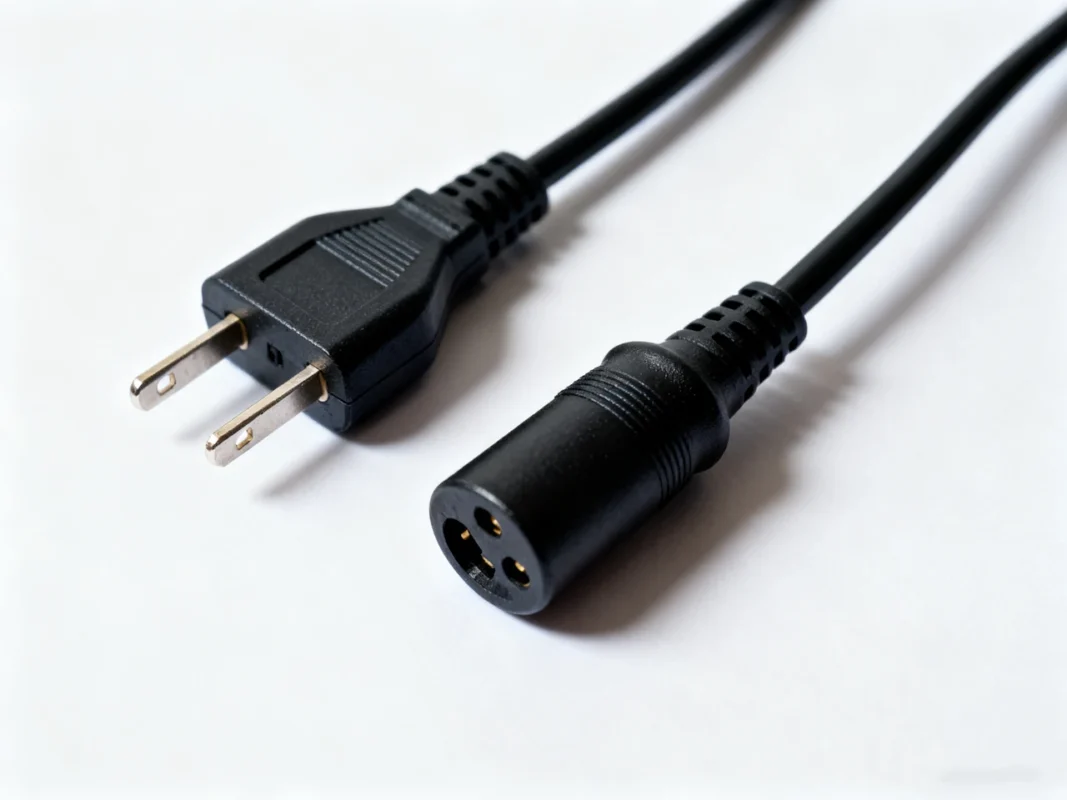
Two-prong charger cables represent a specialized category of 2-pin power cables designed specifically for charging electronic devices. These are commonly seen in chargers for laptops, cameras, and portable devices, where low- to moderate-power delivery is required. A typical two prong charger has a 2-pin plug on one end and a device-specific connector on the other, allowing seamless charging directly from a wall outlet.
The appeal of these chargers lies in their simplicity and convenience. They are lightweight, easy to transport, and compatible with standard outlets via a 2 pin electrical connector. Many modern designs include features like strain relief near the plug, flexible insulation, and heat-resistant materials to ensure longevity. Some even support solar lights, allowing outdoor charging without complicated wiring.
It’s also worth noting that the design of two-prong charger cables continues to evolve. While the basic 2-pin structure remains the same, improvements in materials and safety standards have made these cables more durable and reliable than ever. When selecting a power cable 2 prong for your devices, it’s important to choose a certified, high-quality option that matches your device’s voltage and current requirements.
From everyday two prong chargers for laptops to specialty cords for solar lights, these cables combine versatility with safety and remain a critical component of modern electronics. By understanding their types and applications, you can confidently select the right 2 pin power supply cable for virtually any low-power device.
Safety and Standards
How Safe Are 2-Pin Power Cables?
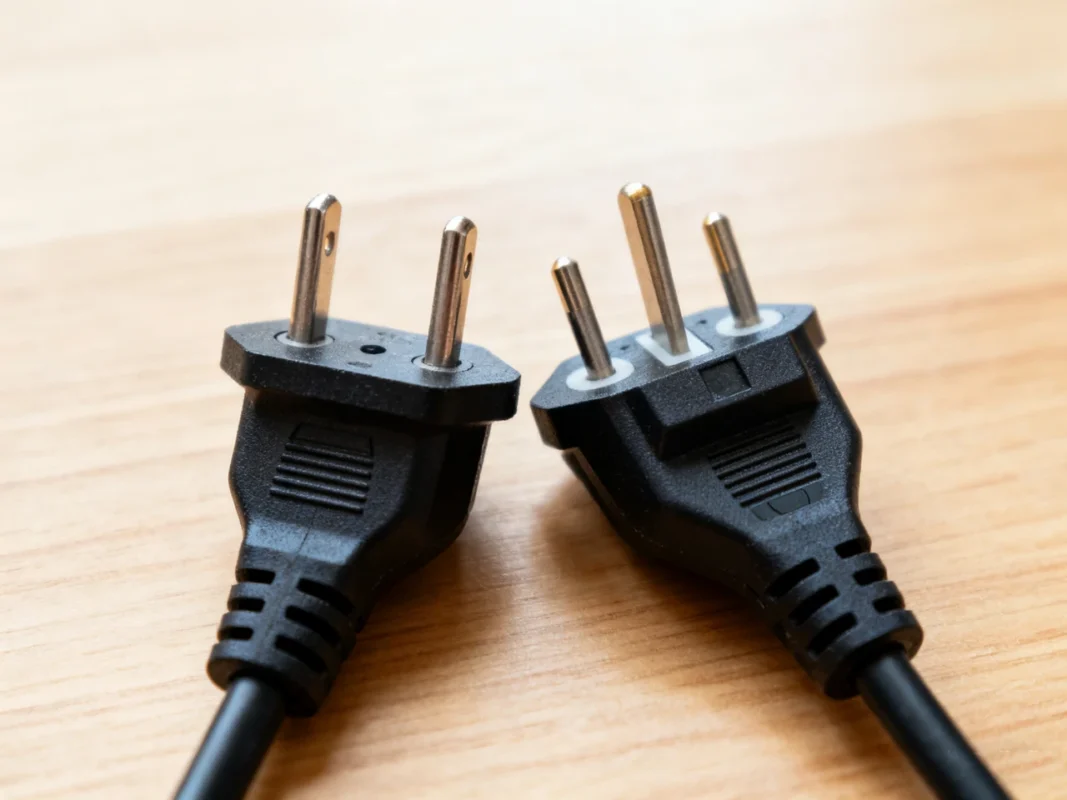
The question of safety is often top of mind when dealing with power cable 2 prong setups. Generally, 2-pin power cables are considered safe for devices that don’t require grounding, such as two prong chargers, small household appliances, or solar lights. Their design is simple, consisting of a live and a neutral prong, which provides a basic path for electricity without the added protection of a ground wire.
However, this simplicity comes with certain caveats. Unlike 3-prong cables, a 2 pin power supply cable does not include grounding. This means that if a device develops a fault, electricity could potentially travel through the device’s casing, creating a shock hazard. To mitigate this risk, most modern low-power devices are double-insulated, which adds a layer of protection, making them safe for use with 2-pin connectors.
Another aspect of safety is the quality of materials. High-quality 2 pin power cord types feature heat-resistant insulation, robust connectors, and durable wiring, which reduce the risks of short circuits, overheating, or accidental damage. On the other hand, poorly manufactured cables can degrade quickly, especially with frequent bending or outdoor use for applications like solar lights. Regular inspection of your 2 pin electrical connector for fraying, cracks, or discoloration is essential for safe operation.
In practice, using a 2 slot power cord with the right device and following manufacturer guidelines is generally safe. When combined with responsible usage—such as avoiding overloaded outlets, keeping cables dry, and selecting certified products—you can safely power a wide range of electronics and chargers without compromising household safety.
Are All 2-Pin Power Cables the Same?
A common misconception is that all power cable 2 prong types are identical. In reality, there is significant variation in design, size, and electrical capacity. Different 2 pin power supply cables are engineered for specific voltage and current loads. For example, a two prong charger for a laptop typically requires a thicker cable with higher insulation ratings than a simple LED lamp or solar light cable.
Connector style is another distinguishing factor. 2 pin electrical connectors come in multiple forms, including cylindrical, rectangular, and the flat 2 slot power cord style. Even within the same category, cables may vary in length, insulation flexibility, and durability, all of which can impact both usability and safety.
Material quality and certification are also critical. Cables that meet safety standards such as UL or CE certifications are tested to ensure they can handle their rated voltage and current safely. Choosing non-certified or generic 2 pin power cord types can lead to overheating, electrical shorts, or fire hazards, especially if used with devices that draw higher power.
In short, while all 2-prong cables serve the same basic function of connecting devices to power, they are not all created equal. Understanding the specifications and intended use of each 2 pin power supply cable ensures that your electronics, chargers, and solar lights operate safely and efficiently.
Are All 2 Pin Connectors the Same Size?
Not all 2 pin connectors are the same size, and using the wrong size can cause loose connections, electrical arcing, or device damage. Popular types of 2 pin electrical connectors include the C7 “figure-8” connector and the C5 “cloverleaf” connector. The C7 is often used for smaller devices like radios, portable speakers, or two prong chargers, while the C5 is frequently found in laptops, projectors, or more power-demanding electronics.
Even within standard categories, slight differences in prong thickness or spacing can make a cable incompatible with certain devices. That’s why it’s essential to verify the connector type when selecting a 2 pin power supply cable. For 2 slot power cords, proper fit ensures a secure connection to the wall outlet, preventing accidental unplugging and minimizing electrical hazards.
Size differences also affect international compatibility. A power cable 2 prong designed for North America may not fit outlets in Europe or Asia without an adapter. Using the wrong connector type without considering voltage differences can not only damage devices but also pose significant safety risks.
For best results, always check your device’s requirements, choose the appropriate connector size, and use certified 2 pin power cord types that match both voltage and current needs. By doing so, you maintain the safety, efficiency, and longevity of your electronics, chargers, and even outdoor solar lights.
Comparing 2-Prong and 3-Prong Power Cords
What is the Difference Between 2 Prong and 3 Prong Power Cords?
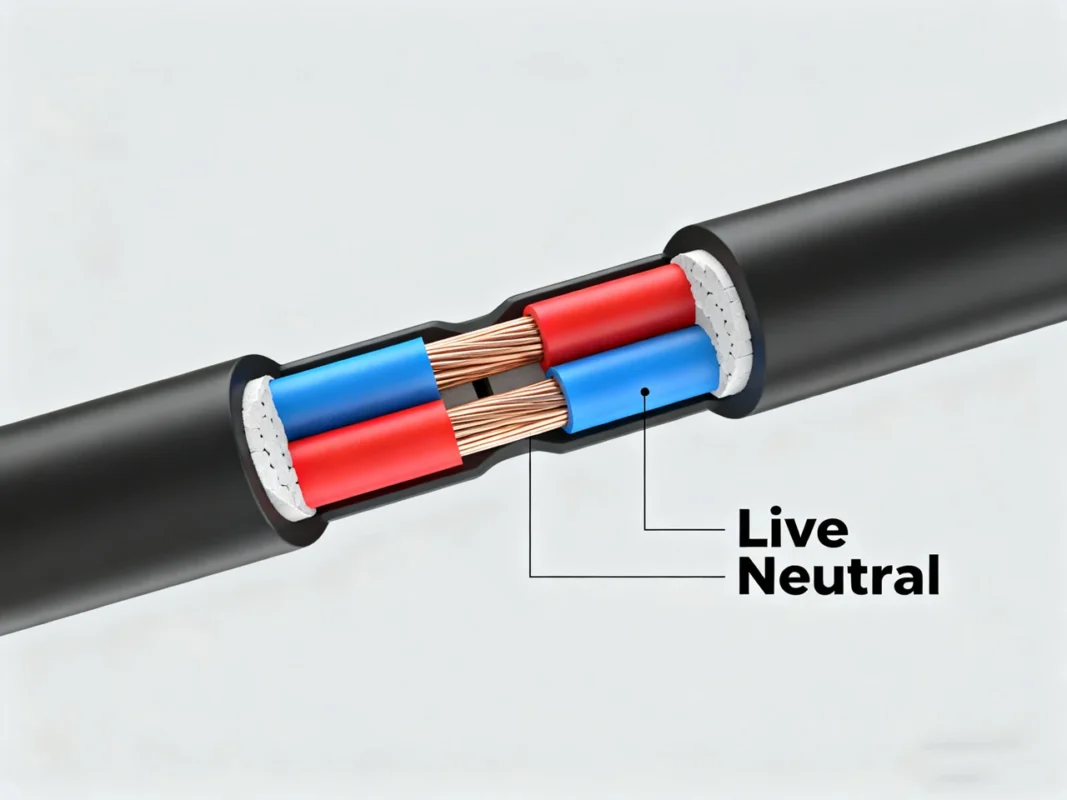
Understanding the distinction between 2-prong and 3-prong power cords is essential for both safety and compatibility. The most obvious difference lies in the additional prong: a 3-prong cord features a ground prong alongside the live (hot) and neutral prongs, while a 2-prong cord only has live and neutral. This ground prong provides an extra layer of safety, directing any stray current safely to the ground and reducing the risk of electrical shock or damage.
While power cable 2 prong solutions are ideal for low-power devices like two prong chargers, radios, lamps, and solar lights, appliances that require grounding—such as refrigerators, desktop computers, and other high-powered electronics—should always use a 3-prong cord. Grounded cords offer peace of mind, especially in environments where moisture, high power draw, or aging outlets may create potential hazards.
Additionally, there’s a subtle difference in physical design. Many 2 pin power supply cables feature a polarized plug, with one prong wider than the other to ensure correct insertion. In contrast, 3-prong cords have a distinct grounding prong, making them incompatible with some older 2-prong outlets unless an adapter is used. Understanding these differences helps you choose the right 2 pin power cord type for safe and efficient operation.
Can You Use a 3 Prong Cord on a 2 Prong Outlet?
This is a common question among users upgrading older homes or trying to plug in modern electronics. Technically, it is possible to connect a 3-prong cord to a 2-prong outlet using a plug adapter, but there are important safety considerations. The ground prong will not make a proper connection, meaning the device is no longer grounded. For appliances designed to rely on grounding for safety, this can significantly increase the risk of electrical shock or damage.
However, certain devices designed with double insulation can safely use a 2-pin connector even if a 3-prong cord is adapted. For example, two prong chargers, some LED devices, and low-power electronics or solar lights are often double-insulated, making them safe for such use. When using adapters, it’s crucial to ensure the adapter itself is certified and rated for the device’s voltage and current.
Another tip: avoid using 3-prong cords with adapters for high-powered appliances like kitchen appliances or computers. For these devices, it’s better to either upgrade the outlet to a 3-prong socket or use a certified 2 slot power cord specifically rated for the appliance’s needs. This ensures both safety and longevity, preserving your devices and home wiring.
What’s the Difference Between C13 and C14?
For more technical applications, especially in computing and networking, C13 and C14 connectors are commonly used. These connectors are part of the IEC (International Electrotechnical Commission) standard and are often seen in data centers, servers, desktop computers, and monitors.
A C13 connector refers to the female end of the power cord, which typically plugs into the device. The C14 connector, on the other hand, is the male counterpart found on the power supply or device socket. Both are designed to handle higher currents than typical household 2 pin power supply cables, making them suitable for computers, monitors, and other electronics with substantial power demands.
It’s also important to note that some C14 connectors include a locking mechanism, preventing accidental disconnections—a feature not found in standard 2 pin electrical connectors. While C13 and C14 cords technically use three pins internally, the same principles of compatibility, grounding, and proper rating apply: using the correct connector ensures safety and uninterrupted power delivery.
For users managing both home electronics and professional equipment, understanding these differences is essential. While 2 pin power cords are perfect for two prong chargers and low-power devices, knowing when to switch to a C13/C14 configuration helps prevent equipment damage, ensures compliance with safety standards, and maintains optimal performance.
How to Choose and Use a 2-Pin Power Cable
How Do I Choose a 2-Pin Power Cable?
Choosing the right power cable 2 prong might seem straightforward, but there are several details that make a big difference in safety and performance. The first step is to check your device’s power requirements. Look at the voltage (V) and current (A) ratings listed on the device or charger. A 2 pin power supply cable should always meet or exceed those requirements to avoid overheating or damaging the equipment.
Next, consider the type of connector. Not all 2 pin electrical connectors are the same — for example, a C7 “figure-8” connector is commonly used for game consoles, DVD players, and some laptop chargers, while other devices may require a slightly larger or differently shaped plug. Matching the correct connector style ensures a secure fit and stable power delivery.
Cable quality is just as important. High-quality 2 pin power cord types will feature thicker insulation, durable prongs, and often a polarized design that ensures proper alignment in the socket. Avoid bargain-bin cords that lack certification. Instead, look for cables labeled with UL (Underwriters Laboratories) or CE marks, which indicate they’ve passed rigorous safety tests.
Finally, think about length and flexibility. A 2 slot power cord that’s too short might force you to rely on unsafe extension setups, while one that’s overly long could create clutter and trip hazards. If you’re powering outdoor devices such as solar lights, look for weather-resistant insulation and cords rated for outdoor use. Choosing wisely ensures your two prong charger or household appliance runs reliably and safely.
What is a 2 Pin Connector Used For?
A 2 pin connector has a surprisingly wide range of applications. At its core, it’s designed to provide electricity to devices that don’t require grounding. This makes it perfect for low- and medium-power electronics, where portability and simplicity matter more than heavy-duty grounding.
In everyday life, you’ll see power cable 2 prong setups in lamps, radios, small kitchen appliances, and compact fans. They’re also common in the world of chargers: many laptops, cameras, and portable speakers use two prong chargers that rely on a 2 pin power supply cable. In addition, many outdoor devices such as decorative solar lights use 2-pin connectors because of their easy installation and straightforward design.
Beyond household use, 2 pin electrical connectors are also essential in certain industrial and automotive contexts. For example, they are often used in DC power connections for LED lighting systems, low-voltage equipment, and even some specialty tools. Their versatility lies in the fact that they’re lightweight, easy to connect, and widely available in different 2 pin power cord types to match specific devices.
So whether you’re replacing a cord for your home appliance or setting up a garden of solar lights, the 2 slot power cord or 2 pin power supply cable is a trusted solution with decades of reliable service behind it.
Are 2 Pin Connectors Easy to Use?
One of the biggest advantages of a power cable 2 prong is its ease of use. Unlike some specialty cords that require precise alignment or locking mechanisms, most 2 pin electrical connectors are designed for simple plug-and-play functionality. You insert the prongs into the outlet, and the device is ready to run — no fuss, no special tools required.
For consumers, this ease translates to convenience. A two prong charger can be packed into a travel bag without taking up much space, and a 2 slot power cord can quickly power up a lamp or speaker without the need for adapters. Even outdoor setups, such as stringing together solar lights, benefit from the simplicity of 2 pin power cord types, which are often designed to snap together with minimal effort.
That said, easy doesn’t mean careless. To ensure long-term usability, avoid yanking cords out by the wire — always grip the plug itself when disconnecting. Regularly check the cord for fraying, bent prongs, or other signs of wear. With proper handling, a 2 pin power supply cable can last for years, continuing to deliver safe, efficient power.
In short, the user-friendly nature of 2-pin connectors has kept them relevant even as electrical standards have evolved. Whether you’re charging a device, powering small appliances, or installing decorative solar lights, the simplicity and reliability of power cable 2 prong solutions make them an everyday essential.
Maintenance and Best Practices
Tips for Extending the Life of 2-Pin Cables
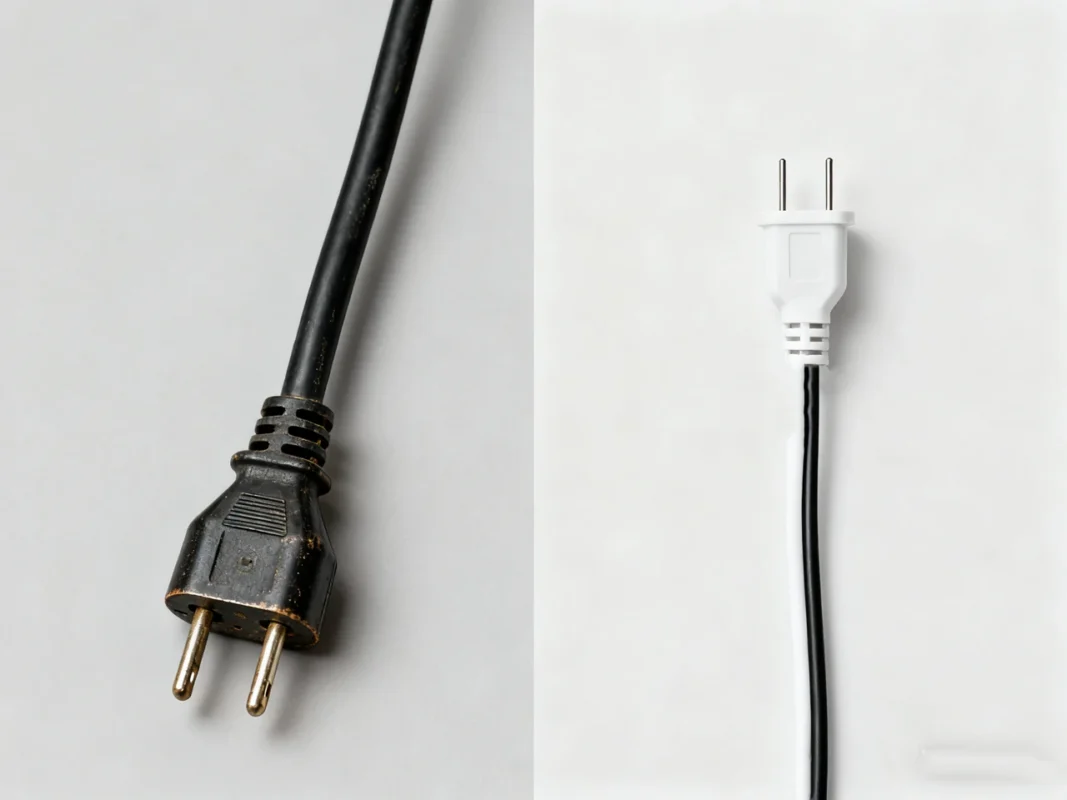
A power cable 2 prong can last for years if treated with care, but like all electrical components, it requires some basic maintenance to ensure reliability and safety. The first and most important step is proper handling. Always plug and unplug your 2 pin power supply cable by gripping the connector itself, never by pulling on the cord. This simple habit prevents strain on the internal wires and reduces the risk of fraying or breakage.
Storage also matters. When not in use, loosely coil your two prong charger or 2 slot power cord instead of tightly wrapping it around a device. Overly tight coils can stress the insulation and cause micro-cracks over time. For portable cords, like those used with laptops or solar lights, consider using a Velcro strap to keep them neatly organized without adding unnecessary pressure.
Regular inspection is another easy but often overlooked tip. Every few months, check your 2 pin electrical connector for bent prongs, damaged insulation, or exposed wires. If you spot wear, it’s better to replace the cord immediately rather than risk overheating or electrical hazards. High-quality 2 pin power cord types with thicker insulation and UL certification tend to last longer, making them a worthwhile investment.
Lastly, match your cable to the right environment. If you’re using a power cable 2 prong outdoors for decorative solar lights, choose weather-resistant cords specifically designed for outdoor use. Indoors, keep cords away from heat sources, sharp edges, and high-traffic areas where they might be crushed under furniture. These small precautions extend the lifespan of your cables and maintain their safe performance.
Common Mistakes to Avoid
Even with durable 2 pin power supply cables, certain habits can shorten their lifespan or create safety risks. One of the biggest mistakes people make is using the wrong type of cord for the device. Not all 2 pin power cord types are interchangeable — a cable designed for a radio may not be suitable for a game console or two prong charger. Always double-check the voltage and current rating before plugging in.
Another common error is overloading extension cords. Many people plug a 2 slot power cord into a cheap multi-outlet adapter and then connect several devices at once. This not only stresses the cable but also poses a fire hazard. Instead, use properly rated surge protectors or dedicated outlets for high-demand devices.
Misusing adapters is another pitfall. For instance, trying to fit a 3-prong grounded plug into a 2-prong adapter without understanding the safety trade-offs can put your device at risk. If you must adapt, do so only for low-power, double-insulated devices like solar lights or lightweight electronics — never for refrigerators, computers, or other grounded appliances.
Lastly, neglecting damage signs is a mistake many homeowners make. A frayed power cable 2 prong, a loose 2 pin electrical connector, or a bent prong should never be ignored. These are early warnings that the cable’s integrity is compromised. Replacing the cord immediately is safer (and cheaper) than dealing with a damaged device or electrical hazard later.
By avoiding these mistakes and following proper handling practices, you’ll not only keep your devices powered reliably but also maximize the lifespan of your 2 pin power supply cable. It’s all about using the right 2 pin power cord type for the job and treating it with the care it deserves.
Conclusion
Understanding the nuances of 2-prong power cables is essential for ensuring safety and compatibility with your devices. By considering factors like connector type, voltage, and current ratings, you can make informed decisions that enhance the longevity and performance of your electrical equipment. Always prioritize safety and adhere to recommended guidelines when selecting and using power cables.
Frequently Asked Questions
Are all 2-pin power cables the same?
No, not all power cable 2 prong options are identical. While they share a similar two-prong design, there are different 2 pin power cord types with variations in shape, size, voltage ratings, and insulation. For example, a figure-8 C7 cable used for DVD players is not interchangeable with a flat 2 slot power cord used for radios. Always check compatibility before buying a replacement 2 pin power supply cable.
How safe are 2-pin power cables?
When used correctly, power cable 2 prong solutions are very safe, especially for devices that are double-insulated or low-powered, such as two prong chargers or solar lights. However, they don’t have a grounding prong, which means they lack the extra protection against electrical surges. To ensure safety, use high-quality, certified cables, avoid overloading outlets, and never use a damaged 2 pin electrical connector.
What is the difference between 2 prong and 3 prong power cords?
The key difference is grounding. A power cable 2 prong only has live and neutral prongs, while a 3-prong cord adds a grounding pin for extra safety. Devices with metal casings or higher power draw, such as refrigerators or desktop computers, require grounding. Meanwhile, smaller devices like lamps, radios, or two prong chargers often work safely with 2 pin power supply cables.
Can you use a 3 prong cord on a 2 prong outlet?
Yes, but with limitations. Using a 3-prong to 2-prong adapter allows the plug to fit, but the ground connection won’t function. That means the device isn’t truly grounded, which can be risky for high-powered or sensitive electronics. Only double-insulated devices should use this setup. When in doubt, upgrade your outlet or use a properly rated 2 slot power cord instead.
What’s the difference between C13 and C14?
C13 and C14 are IEC standard connectors often used in computers and networking equipment. A C13 connector is the female end that plugs into the device, while a C14 is the male end found on power supplies. Unlike a 2 pin electrical connector, these are three-pin solutions designed for higher current loads and grounding. They are not interchangeable with typical household 2 pin power cord types but are essential in professional and industrial applications.
How do I choose a 2-pin power cable?
Start by matching the connector type to your device. Some 2 pin power supply cables are shaped differently — figure-8, flat, or round. Next, check the voltage and current rating to make sure it meets your device’s requirements. Look for certified, durable insulation and polarized plugs for added safety. Finally, choose the right length: a 2 slot power cord that’s too short creates strain, while one that’s too long can clutter your space.
What is a 2 pin connector used for?
A 2 pin connector is typically used for powering small to medium devices that don’t need grounding. Common examples include two prong chargers, small appliances, DVD players, game consoles, and even outdoor solar lights. Because of their simplicity, 2 pin electrical connectors are also popular in automotive, LED, and low-voltage DC applications.
Are all 2 pin connectors the same size?
No, they come in different sizes and shapes depending on the application. A power cable 2 prong for a laptop may use a figure-8 connector, while a radio might use a flat 2 slot power cord. Even within similar devices, manufacturers sometimes design proprietary sizes. That’s why it’s important to check the device manual or match the replacement 2 pin power supply cable with the original one.
How do I disconnect a 2 pin connector?
Always disconnect by gripping the plug itself, not the cord. Pulling on the wire of a power cable 2 prong can loosen the internal connections or damage the insulation. For tight connections, gently wiggle the 2 pin electrical connector as you pull it out. Never use tools that could bend the prongs or puncture the insulation. Proper disconnection helps extend the lifespan of your 2 pin power supply cable.
Are 2 pin connectors easy to use?
Yes, they are among the simplest types of connectors available. With a power cable 2 prong, you just insert the prongs into the outlet and you’re ready to go — no grounding wire or complicated locking mechanism needed. This simplicity makes them especially popular for portable electronics, two prong chargers, and everyday devices like solar lights. However, their ease of use should never come at the expense of safety: always use cables in good condition and rated for your device.
Can a 2-pin power cable work with modern electronics?
Yes, but only when the device is designed for it. Many modern gadgets, such as laptops and gaming consoles, still use 2 pin power supply cables or two prong chargers. That said, higher-powered electronics usually rely on grounded 3-prong connections. When in doubt, follow the manufacturer’s instructions and choose the right 2 pin power cord type for your device.