

Table of Contents
When it comes to keeping your garden, patio, or outdoor pathways illuminated, solar lights batteries play a crucial role. Many homeowners wonder, can you use regular batteries in solar lights or whether their solar lights can function without batteries at all. Choosing the right batteries not only ensures consistent brightness but also extends the life of your solar lights. In this comprehensive guide, we’ll explore everything from solar batteries double A options to solar lights replacement batteries, helping you make informed decisions and get the most out of your solar lighting setup.
Introduction to Solar Light Batteries
When you think about solar lights, it’s easy to focus on the sleek designs or the glow they provide at night. But behind every reliable outdoor solar light is a key component that often gets overlooked: solar lights batteries. These batteries are not just placeholders—they store the energy captured from sunlight during the day and release it at night, ensuring your garden paths, patios, or fences are consistently illuminated. Understanding the types, functions, and care of these batteries is essential for anyone who wants long-lasting, high-performing solar lights.
What Are Solar Lights Batteries?
Solar lights batteries are specialized rechargeable power sources designed specifically for solar lighting systems. Unlike standard disposable batteries, they are built to handle daily charge and discharge cycles, withstand outdoor temperature changes, and provide steady energy over time.
There are several common types:
- Nickel-Metal Hydride (NiMH): Durable and eco-friendly, these batteries are common in mid-range solar lights.
- Nickel-Cadmium (NiCd): Known for high cycle life, though slightly less environmentally friendly.
- Lithium-Ion (Li-ion): High energy density and long lifespan, ideal for premium solar lights that require consistent brightness.
Using the right solar batteries double A or AAA type ensures that your solar light performs at its best, delivering the brightness and duration expected each night.
Why Choosing the Right Battery Matters
Picking the correct battery is more than just a technical detail—it directly affects performance, safety, and the overall lifespan of your solar lights. Here’s why it’s crucial:
- Performance and Brightness: A low-quality or incompatible battery may dim your lights or cause them to turn off prematurely.
- Battery Lifespan: Rechargeable solar batteries are designed for repeated charging cycles, while regular disposable batteries can quickly fail if used in solar lights. This answers the common question: can you use regular batteries in solar lights? Usually, it’s not recommended.
- Cost and Maintenance: Investing in proper solar lights replacement batteries may seem more expensive upfront, but it reduces the frequency of replacements and prevents potential damage to your lights.
- Safety and Reliability: Batteries built for solar lights resist leakage and overheating, which are risks when using standard batteries outdoors.
In short, understanding what type of battery your solar light requires and choosing the right one is essential for consistent nighttime illumination, long-term savings, and protecting your investment.

Types of Batteries Used in Solar Lights
When it comes to solar lights batteries, not all batteries are created equal. The type of battery you use directly affects the performance, longevity, and reliability of your solar lighting system. Understanding the differences between rechargeable solar batteries and regular disposable batteries is key to making informed choices. This section will break down the main types, highlight their advantages and disadvantages, and explain why selecting the right battery matters for your outdoor lighting setup.
Rechargeable Solar Batteries
Rechargeable batteries are the backbone of most solar lighting systems. They are specifically designed to handle the frequent charging and discharging cycles that solar lights require. Common types include:
- Nickel-Metal Hydride (NiMH): These batteries are widely used in garden and pathway solar lights. They are environmentally friendly, offer higher capacity than older NiCd models, and provide reliable performance even in cooler temperatures.
- Nickel-Cadmium (NiCd): Known for durability, NiCd batteries can withstand many charge cycles. They are slightly less eco-friendly but are a solid choice for outdoor solar lighting that requires consistent performance.
- Lithium-Ion (Li-ion): Lithium-ion batteries are ideal for high-performance solar lights. They offer higher energy density, longer lifespan, and consistent brightness, making them perfect for premium solar fixtures or areas that require stronger illumination.
Using the correct solar batteries double A or AAA ensures that your lights operate efficiently throughout the night, maintaining brightness without sudden drops.
Regular Disposable Batteries
Some people wonder, can you use regular batteries in solar lights? While technically possible, it’s generally not recommended. Standard disposable batteries, such as alkaline AA or AAA, are designed for single-use applications and are not built to handle repeated charging cycles.
- Short Lifespan: Regular batteries will drain quickly, often leaving your lights dim or non-functional by the middle of the night.
- Risk of Leakage: Using disposable batteries outdoors exposes your solar lights to potential leakage, which can damage circuits.
- Poor Performance: These batteries cannot store or release energy as efficiently as dedicated solar batteries, leading to inconsistent lighting.
While using regular batteries may work temporarily in a pinch, investing in proper solar lights replacement batteries is far more reliable and cost-effective in the long run.
Comparing Solar Batteries vs. Regular Batteries
Choosing between a rechargeable solar battery and a disposable battery isn’t just about convenience—it’s about long-term performance. Rechargeable solar batteries are designed to last multiple seasons, withstand outdoor conditions, and maintain steady brightness throughout the night. In contrast, regular disposable batteries may fail quickly, cost more over time due to frequent replacements, and potentially damage your solar lights.
In short, for anyone asking do all solar lights need batteries, the answer is yes if you want reliable nighttime performance. Even the most efficient solar panel cannot provide light without a battery to store energy for nighttime use. Using the right type of battery ensures your investment in solar lighting pays off season after season.
Do All Solar Lights Need Batteries?
A common question among solar light users is, do all solar lights need batteries? The short answer is: it depends on the design of the light, but in most cases, yes, a battery is essential for consistent nighttime illumination. Let’s explore why batteries are such a critical component and when solar lights might operate without them.
Solar Lights With Built-in Batteries
Most outdoor solar lights today come with built-in rechargeable batteries. These batteries are usually NiMH, NiCd, or Li-ion, and are sealed within the light fixture. Their main role is to store the energy collected by the solar panel during the day and release it at night.
Benefits of built-in batteries include:
- Consistent Performance: Even on cloudy days, the battery stores enough energy to keep your lights shining through the night.
- Low Maintenance: Built-in batteries are designed for longevity and generally don’t require frequent replacement.
- Convenience: You don’t have to worry about which type of solar lights replacement batteries to buy; the system is pre-configured to work seamlessly.
In other words, most high-quality solar lights rely on these batteries to function properly. Without them, you risk dim lighting or complete failure during nighttime hours.
Solar Lights Without Batteries
Some decorative or budget solar lights are designed to operate without a battery. These lights often use capacitors to store a small amount of energy for immediate use, but they come with limitations:
- Limited Nighttime Use: Without a battery to store excess energy, these lights may only shine for a short time after sunset.
- Dependence on Sunlight: If a day is cloudy or the solar panel is shaded, these lights may not turn on at all.
- Lower Brightness: Lights without batteries often have weaker LEDs because they can’t draw consistent energy throughout the night.
While lights without batteries may work in specific scenarios, they are generally not suitable for pathways, gardens, or areas where reliable illumination is required.
Key Takeaway
Understanding whether your solar light needs a battery is crucial for long-term satisfaction. Even if some lights can technically operate without a battery, investing in solar batteries double A or the appropriate rechargeable replacement ensures that your outdoor spaces remain bright, safe, and aesthetically pleasing night after night.
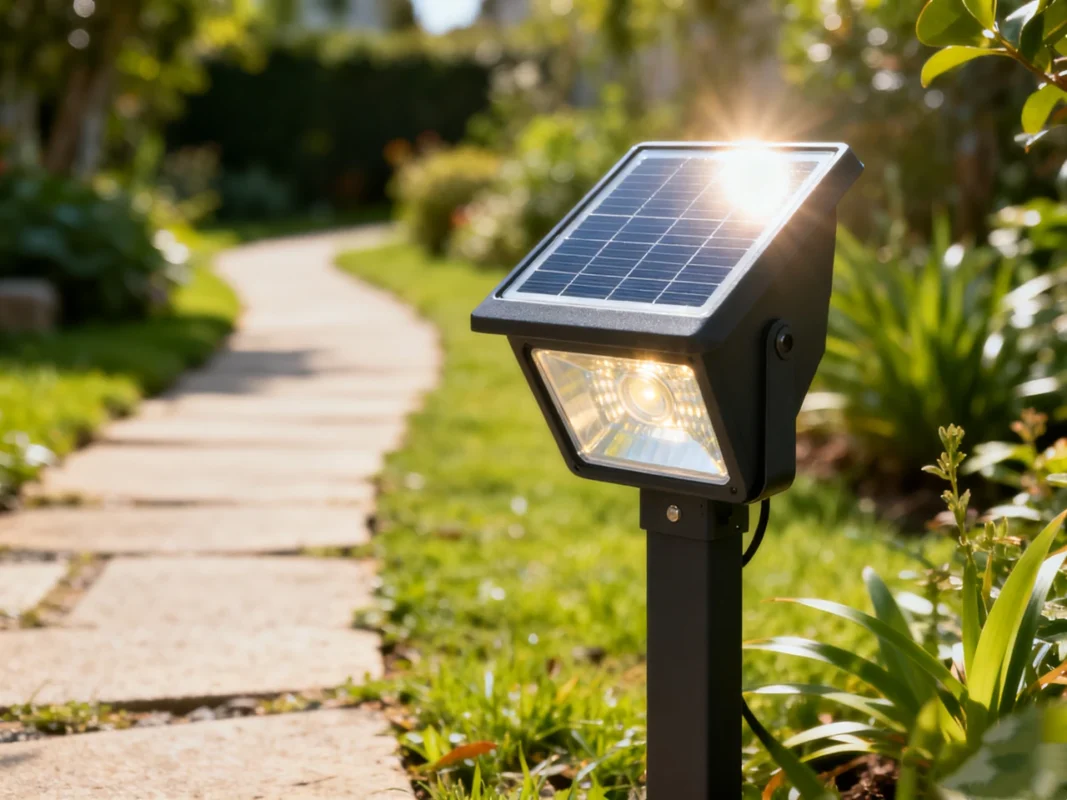
How to Choose the Right Replacement Battery for Solar Lights
Even the best solar lights eventually need a battery refresh. Knowing how to choose the right replacement is essential for keeping your lights bright and functional. Selecting the correct solar lights replacement batteries ensures longevity, consistent brightness, and prevents potential damage to your solar fixtures.
Identifying Compatible Batteries
Before buying a replacement, it’s important to match the battery type, voltage, and capacity to your solar light’s requirements. Here’s what to look for:
- Voltage: Most solar lights are designed for 1.2V rechargeable AA or AAA batteries. Using the wrong voltage can result in poor performance or even damage.
- Capacity (mAh): A higher milliamp-hour (mAh) rating means the battery can store more energy, giving your solar lights longer runtime. For example, upgrading to a higher-capacity solar batteries double A can extend nighttime illumination.
- Battery Type: Choose between NiMH, NiCd, or Li-ion based on your light’s original specifications. NiMH is common for most garden lights, while Li-ion is preferred for high-performance or premium fixtures.
By carefully checking these details, you ensure that your replacement battery will fit properly and operate efficiently.
Battery Brands and Recommendations
Not all batteries are created equal. Reputable brands are more reliable, last longer, and resist leakage or damage:
- Energizer Rechargeable AA/AAA: Widely trusted for outdoor lighting applications.
- Panasonic Eneloop NiMH Batteries: Known for holding charge longer and performing well in varying temperatures.
- Duracell Rechargeable Batteries: Offers high capacity, ideal for solar lights that require consistent brightness.
Choosing a quality brand prevents problems like dim lighting, premature battery failure, or the need for frequent replacements. Investing in proper solar lights replacement batteries saves time and money in the long run.
Tips for Selecting the Best Battery
- Always check the manufacturer’s instructions for recommended battery type and size.
- Avoid using regular disposable batteries; although tempting, using them in solar lights can cause leakage, inconsistent performance, or permanent damage. This directly addresses the common question: can you use regular batteries in solar lights.
- Consider upgrading to batteries with higher capacity if your solar lights consistently run out of power before morning.
Key Takeaway
Choosing the right replacement battery is more than just buying a pack off the shelf. Understanding voltage, capacity, and type, and investing in trusted brands ensures your solar lights batteries deliver reliable performance year after year. Properly selected batteries keep your outdoor spaces bright, safe, and inviting, making the investment in solar lighting worthwhile.
How to Replace and Recharge Solar Light Batteries
Even the best solar lights batteries wear out over time, and knowing how to replace and recharge them correctly is essential for keeping your outdoor spaces bright. Whether you are upgrading old solar lights replacement batteries or troubleshooting dim lights, following the right steps ensures safety, longevity, and optimal performance.
Step-by-Step Guide to Replacing Batteries
Replacing solar light batteries is straightforward if you follow a few careful steps:
- Turn Off the Light: Always switch off the solar light to prevent short circuits or accidental discharge.
- Locate the Battery Compartment: Most solar lights have a small access panel on the underside or back. Carefully open it using a screwdriver if needed.
- Remove the Old Battery: Take note of the battery orientation (positive and negative ends) before removing the old battery.
- Insert the New Battery: Place the new solar batteries double A or AAA in the same orientation as the old ones. Using the correct type ensures your lights function efficiently.
- Close the Compartment: Secure the cover tightly to protect against moisture and debris.
- Test the Light: Turn it back on or allow it to charge in sunlight to verify proper operation.
By following these steps, you maximize the lifespan of your replacement batteries and avoid common problems like leakage or poor contact.
How to Recharge Solar Lights
Rechargeable solar lights batteries store energy from sunlight, but proper recharging ensures consistent brightness:
- Direct Sunlight Charging: Position your solar lights in direct sunlight for several hours. This allows the solar panel to fully charge the batteries.
- Clean the Solar Panel: Dust, dirt, and leaves can block sunlight. Regularly cleaning the panel ensures maximum energy absorption.
- Alternative Charging Methods: On cloudy days or during winter, some solar lights can be charged using USB solar chargers or indoor LED lamps. These methods provide backup charging when sunlight is insufficient.
- Avoid Overcharging: While rechargeable batteries are designed for daily cycling, leaving them in extreme heat for prolonged periods can reduce their lifespan.
Proper charging practices prevent premature battery failure and ensure your solar lights shine consistently throughout the night.
Tips for Maintaining Batteries After Replacement
- Regular Inspection: Check batteries every few months for signs of corrosion or leakage.
- Seasonal Care: During winter or extended periods of inactivity, remove batteries and store them in a cool, dry place.
- Use Quality Replacements: Investing in trusted brands for solar lights replacement batteries ensures longer life and reliable performance.
Key Takeaway
Knowing how to replace and recharge your solar lights batteries keeps your outdoor lighting system reliable and bright. Proper battery handling, from selection to installation and recharging, directly affects the longevity and efficiency of your lights, making your investment in solar lighting worthwhile. Following these steps ensures your pathways, gardens, and patios remain illuminated safely and consistently.
Common Issues and Troubleshooting
Even the best solar lights batteries can encounter problems over time. Understanding common issues and knowing how to troubleshoot them can save you time, money, and frustration. Whether your lights aren’t shining as bright as before or have stopped working entirely, these tips will help you diagnose and fix most solar light problems.
Why Solar Lights Stop Working
Several factors can cause solar lights to malfunction:
- Depleted Batteries: Batteries lose their ability to hold a charge after repeated use. If your solar lights dim early or fail to turn on, it might be time to replace the solar lights replacement batteries.
- Dirty Solar Panels: Dust, leaves, or debris on the solar panel can block sunlight, preventing the batteries from fully charging. Regular cleaning can restore efficiency.
- Faulty Wiring or Connections: Loose wires or corroded contacts inside the battery compartment can disrupt power flow. Inspect the wiring carefully when troubleshooting.
- Poor Sunlight Exposure: Solar lights need direct sunlight to charge efficiently. Shadows from trees, buildings, or other objects can limit charging and affect nighttime performance.
By systematically checking these factors, you can often identify the cause without needing a professional repair.
What Happens if You Put a Regular Battery in a Solar Light?
A frequent question is: can you use regular batteries in solar lights? While regular AA or AAA batteries may work temporarily, they are not designed for repeated charge cycles. Using them can cause:
- Leakage: Disposable batteries can leak, damaging your light’s electronics.
- Reduced Performance: Lights may be dimmer or operate for fewer hours at night.
- Permanent Damage: Repeated use of non-rechargeable batteries can harm circuitry, requiring costly repairs.
For safe and reliable operation, always use the recommended solar batteries double A or other compatible rechargeable batteries.
Tips for Troubleshooting Solar Light Issues
- Test the Battery: If your light isn’t working, try swapping in a fully charged replacement battery.
- Check the Solar Panel: Ensure it is clean and oriented to receive maximum sunlight.
- Inspect Connections: Tighten any loose wires and clean battery contacts to ensure a stable electrical path.
- Observe Nighttime Performance: Track how long the light stays on to determine if the battery capacity is sufficient.
- Consider Upgrades: If your lights consistently underperform, upgrading to higher-capacity solar lights replacement batteries can improve runtime and brightness.
Key Takeaway
Most issues with solar lights are linked to batteries, sunlight exposure, or connections. By understanding these common problems and applying proper troubleshooting techniques, you can maintain your solar lights’ efficiency and extend the life of your solar lights batteries. Regular maintenance ensures that your outdoor spaces remain well-lit, safe, and visually appealing throughout the year.

Maintenance Tips to Extend Battery Life
Even the best solar lights batteries will last longer when cared for properly. Simple maintenance practices can enhance performance, reduce the need for frequent replacements, and ensure your outdoor lighting remains bright and reliable. Whether you’re using solar batteries double A or other rechargeable types, following these tips can make a noticeable difference.
Regular Cleaning and Proper Storage
- Clean the Solar Panels: Dirt, dust, and debris can block sunlight, reducing the battery’s ability to charge fully. Wipe the panels gently with a soft cloth at least once a month.
- Inspect Battery Contacts: Corrosion or dirt on contacts can interfere with power flow. Clean them with a dry cloth or mild rubbing alcohol to maintain a solid connection.
- Proper Storage During Inactivity: If you plan to store solar lights for weeks or months, remove the batteries and store them in a cool, dry place. This prevents self-discharge and prolongs battery life.
Seasonal Care for Solar Lights
Seasonal changes, especially winter, can affect battery performance.
- Protect from Extreme Cold: Cold temperatures can reduce battery efficiency. Storing lights indoors or insulating them helps maintain charge capacity.
- Check During Rainy Seasons: Excess moisture can affect both the battery and the solar panel. Ensure battery compartments are sealed and dry.
- Rotate Batteries if Needed: If your lights are used heavily, rotating or replacing batteries every 1–2 years keeps brightness consistent.
Additional Tips for Long-Lasting Performance
- Use Quality Replacement Batteries: Always choose recommended solar lights replacement batteries for consistent results.
- Avoid Overcharging: While solar lights are designed to prevent overcharging, leaving them in extreme heat or intense sunlight for prolonged periods may reduce battery lifespan.
- Monitor Light Performance: If your lights start to dim before dawn consistently, it may indicate it’s time for a replacement battery.
Key Takeaway
Routine maintenance, including cleaning, proper storage, seasonal care, and using high-quality batteries, ensures your solar lights batteries perform at their best for years. A little attention goes a long way in keeping your outdoor spaces well-lit, safe, and inviting. With the right care, your solar lights can remain a reliable source of illumination through every season.
Conclusion
Understanding the importance of solar lights batteries and selecting the appropriate type can significantly enhance the performance and longevity of your solar lighting system. By choosing the right batteries, maintaining your solar lights properly, and addressing issues promptly, you can enjoy consistent and reliable illumination for years to come.
FAQs About Solar Lights Batteries
What kind of battery do you use for solar lights?
Most solar lights use rechargeable batteries such as NiMH (Nickel-Metal Hydride), NiCd (Nickel-Cadmium), or Li-ion (Lithium-Ion). These batteries are designed to handle repeated charge and discharge cycles, withstand outdoor conditions, and deliver reliable nighttime illumination. Using the right battery ensures your solar lights operate efficiently and last longer.
Is it worth replacing batteries in solar lights?
Absolutely. Over time, solar batteries lose their ability to hold a charge, causing lights to dim or stop functioning. Replacing them with proper solar lights replacement batteries restores brightness, extends the light’s lifespan, and prevents potential damage to the fixture. It’s a small investment that keeps your outdoor spaces safe and visually appealing.
How long does a solar light battery last?
Typically, solar lights batteries last 1–3 years, depending on battery type, quality, sunlight exposure, and usage patterns. Premium batteries like solar batteries double A often last longer than standard NiMH cells. Regular maintenance can also prolong their lifespan.
What happens if you put a regular battery in a solar light?
While you technically can use regular AA or AAA batteries in a solar light, it’s not recommended. Non-rechargeable batteries may leak, underperform, or even damage the light’s circuitry. For safe and reliable operation, always use rechargeable solar lights batteries designed for your fixture.
Can solar lights work without batteries?
Some basic solar lights can function without batteries, but only during daylight when the solar panel directly powers the LEDs. They cannot store energy for nighttime use, so if you want reliable evening illumination, batteries are essential.
How to recharge solar lights?
To recharge solar lights batteries effectively:
• Place them in direct sunlight for several hours.
• Keep the solar panel clean to maximize energy absorption.
• Use alternative charging methods like USB solar chargers if sunlight is limited. Following these steps ensures your batteries are fully charged and your lights shine brightly at night.Do solar batteries double A last longer than standard AA batteries?
Yes. Solar batteries double A are designed for multiple charge cycles and outdoor conditions, whereas standard AA disposable batteries are single-use and not optimized for solar systems. Using solar-specific AA batteries ensures longer runtime and more consistent performance.
Can all solar lights accept replacement batteries?
Not all solar lights allow battery replacement. Some have sealed units with built-in batteries, while others are designed with accessible compartments for solar lights replacement batteries. Check your manufacturer’s instructions before attempting to replace the battery.
How do I know when a solar battery needs replacement?
Signs that your solar battery may need replacement include:
• Dimming or flickering lights
• Lights that turn off prematurely at night
• Visible corrosion or leakage in the battery compartment Replacing old batteries with compatible solar lights batteries restores brightness and prevents damage.Are lithium batteries better for outdoor solar lights than NiMH?
Lithium-ion batteries generally offer higher energy density, longer lifespan, and more consistent brightness compared to NiMH. They are ideal for high-performance solar lights, though NiMH is still suitable for standard garden or pathway lights.