

Table of Contents
If you’ve ever walked out to your backyard pool at night and thought, “This space should feel more magical than this,” you’re not alone.
For many homeowners, the pool becomes almost invisible after sunset. Traditional wired lighting can be expensive, complicated to install, and sometimes downright intimidating for DIYers. That’s where floating solar pool lights step in and completely change the game.
Over the past several years, I’ve tested and installed dozens of lighting setups—from built-in underwater systems to simple decorative lights—and I can tell you this with confidence: floating solar pool lights are one of the easiest upgrades you can make to a pool.
They’re wireless.
They recharge themselves.
And when chosen correctly, they turn an ordinary backyard into something that feels like a resort.
In this guide, we’ll walk through everything you need to know about floating solar pool lights, including how they work, how to choose the right type, installation tips from real-world experience, and how to avoid the common mistakes that make people regret their purchase.
What Are Floating Solar Pool Lights and Why Are They So Popular?
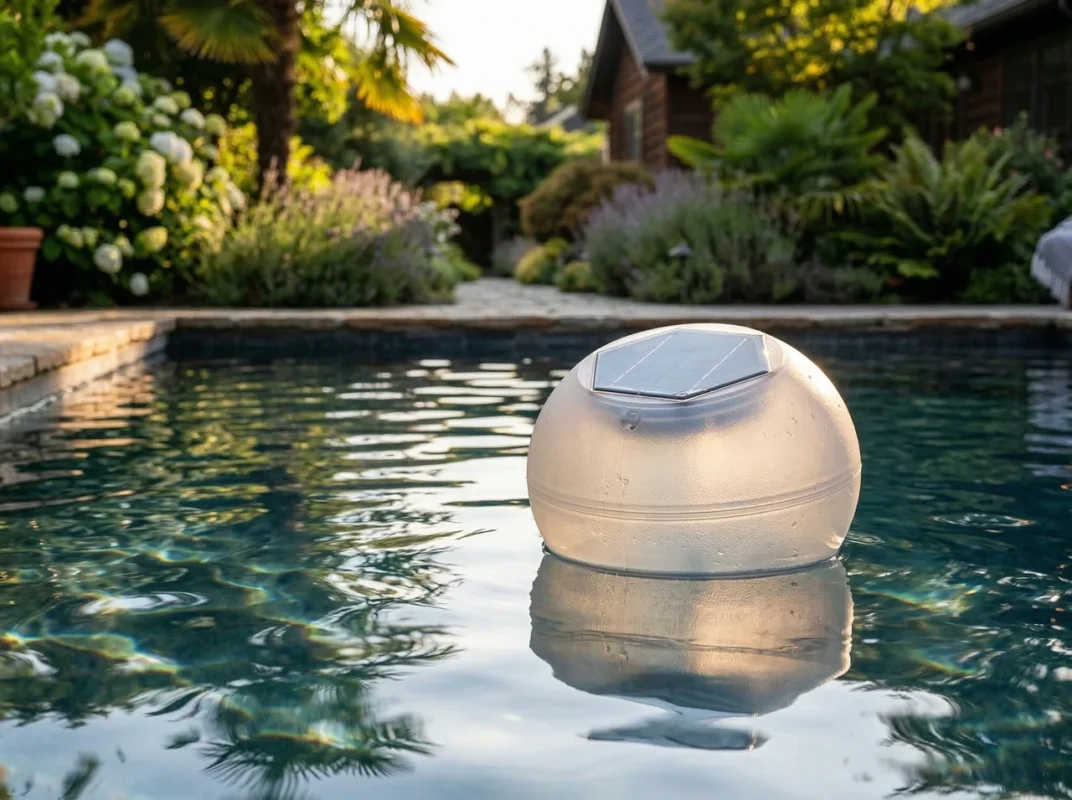
At their core, floating solar pool lights are self-contained lighting devices that float on the surface of your pool and charge during the day using sunlight.
Unlike wired pool light systems that require electrical work, these lights are completely independent. A small solar panel sits on top of the unit, capturing sunlight during the day and storing energy in a built-in battery. Once darkness falls, the lights automatically switch on.
The reason floating solar pool lights have become so popular comes down to three simple factors:
- No wiring
- No electrical costs
- Instant atmosphere
But popularity isn’t just about convenience.
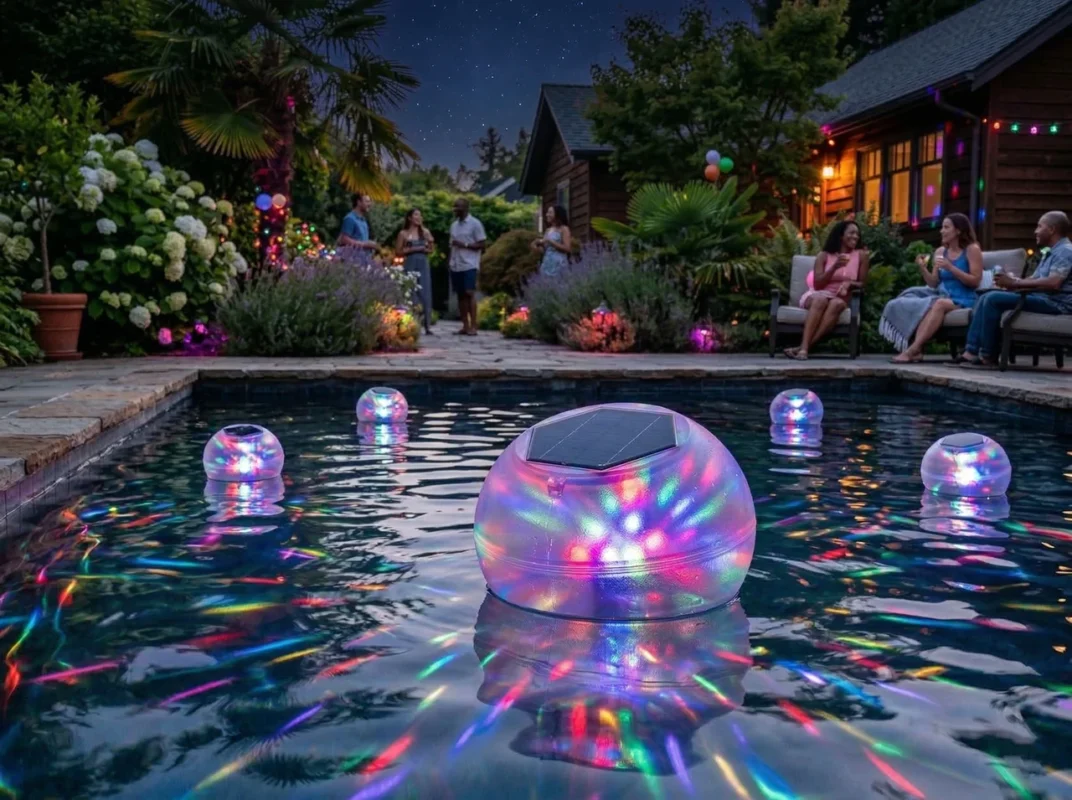
Many modern floating solar pool lights combine lighting with decorative elements, including color-changing LEDs, fountain effects, and even party-style lighting similar to disco pool lights solar systems.
Why Floating Solar Pool Lights Are Better Than Traditional Pool Lighting
When homeowners start researching nighttime pool lighting, they usually assume the only “serious” option is built-in underwater lighting. But after working with dozens of pool setups and hearing feedback from pool owners over the years, a different trend becomes clear: many people eventually switch to floating solar pool lights because they’re easier, safer, and surprisingly effective.
Traditional wired lighting still has its place, especially in commercial pools or luxury installations. However, for most residential pools, floating solar pool lights solve many of the practical problems that wired systems create. From installation cost to energy efficiency, the difference can be dramatic..
No Electrical Installation or Expensive Upgrades
One of the biggest barriers to installing traditional pool light systems is the installation process itself.
Built-in lighting usually requires:
- drilling into the pool wall
- installing waterproof electrical conduits
- connecting to a dedicated electrical circuit
- meeting local electrical safety codes
- sometimes draining part of the pool during installation
For many homeowners, this turns what should be a simple lighting upgrade into a major project.
By contrast, floating solar pool lights eliminate the entire electrical step. Each solar light unit contains its own panel, battery, and LED system. You simply place the floating solar pool lights on the water surface and let sunlight handle the charging.
From a practical standpoint, this makes floating solar pool lights one of the most accessible pool upgrades available. Even someone with zero DIY experience can install them in minutes.
Lower Operating Costs Over Time
Another major advantage of floating solar pool lights is the long-term cost savings.
Traditional lighting systems run on household electricity, which means every hour the pool light stays on adds to your power bill. While modern LED fixtures are efficient, they still consume energy.
In contrast, floating solar pool lights run entirely on stored solar energy. During the day, the built-in solar light panel converts sunlight into electricity and stores it in a rechargeable battery. At night, the lights automatically activate without drawing any power from your home.
Over the course of a swimming season, the difference becomes noticeable. Many homeowners appreciate that floating solar pool lights provide nightly illumination without increasing their energy usage.
Greater Flexibility for Pool Layout and Lighting Design
Traditional pool light fixtures are installed in fixed locations. Once the wiring and housing are installed, moving them usually requires significant renovation work.
This limits your ability to experiment with lighting design.
With floating solar pool lights, the layout can change anytime. Because the lights move naturally with the water, they create dynamic reflections and constantly shifting patterns across the pool surface.
For homeowners who enjoy hosting gatherings or evening swims, this flexibility becomes a major advantage. You can cluster floating solar pool lights in one area for a relaxed atmosphere or spread them across the entire pool for balanced illumination.
Some people even combine multiple lighting styles—such as decorative floating units alongside a solar powered pool fountain light—to create layered lighting effects that fixed installations simply can’t replicate.
Safer Lighting with No Underwater Electrical Components
Safety is always a major concern when electricity and water are involved.
Modern built-in pool light systems are designed with strict safety standards, but they still involve electrical components submerged in water. Over time, aging wiring, damaged seals, or improper installation can increase maintenance risks.
Floating solar pool lights remove this concern entirely.
Because they operate independently using a sealed solar light system and internal battery, there are no electrical connections between the water and your home’s power supply. The lights simply float on the surface and store solar energy during the day.
This design gives many pool owners peace of mind, especially families with children who frequently play in the water after sunset.
Easier Maintenance and Replacement
Traditional pool lighting systems are not easy to maintain.
If a built-in pool light fails, the repair process often involves:
- draining water below the light housing
- removing underwater fixtures
- replacing wiring or seals
- resealing the housing
These repairs can quickly become expensive.
With floating solar pool lights, maintenance is much simpler. If a unit stops working after several seasons, you simply remove it from the water and replace it. There’s no plumbing work, electrical troubleshooting, or complicated repairs involved.
For many homeowners, this simplicity is one of the main reasons they continue using floating solar pool lights year after year.
Instant Decorative Impact
While traditional lighting focuses primarily on visibility, floating solar pool lights add something extra: atmosphere.
Because they sit on the water surface, they create reflections and soft light patterns that move with the water. Many designs also include color-changing LEDs or rotating light effects similar to disco pool lights solar, which can transform a quiet backyard pool into a lively nighttime setting.
Even simple decorative models can double as waterproof pool decor lights, adding visual interest without requiring permanent installation.
This decorative flexibility is something built-in lighting systems rarely achieve on their own.
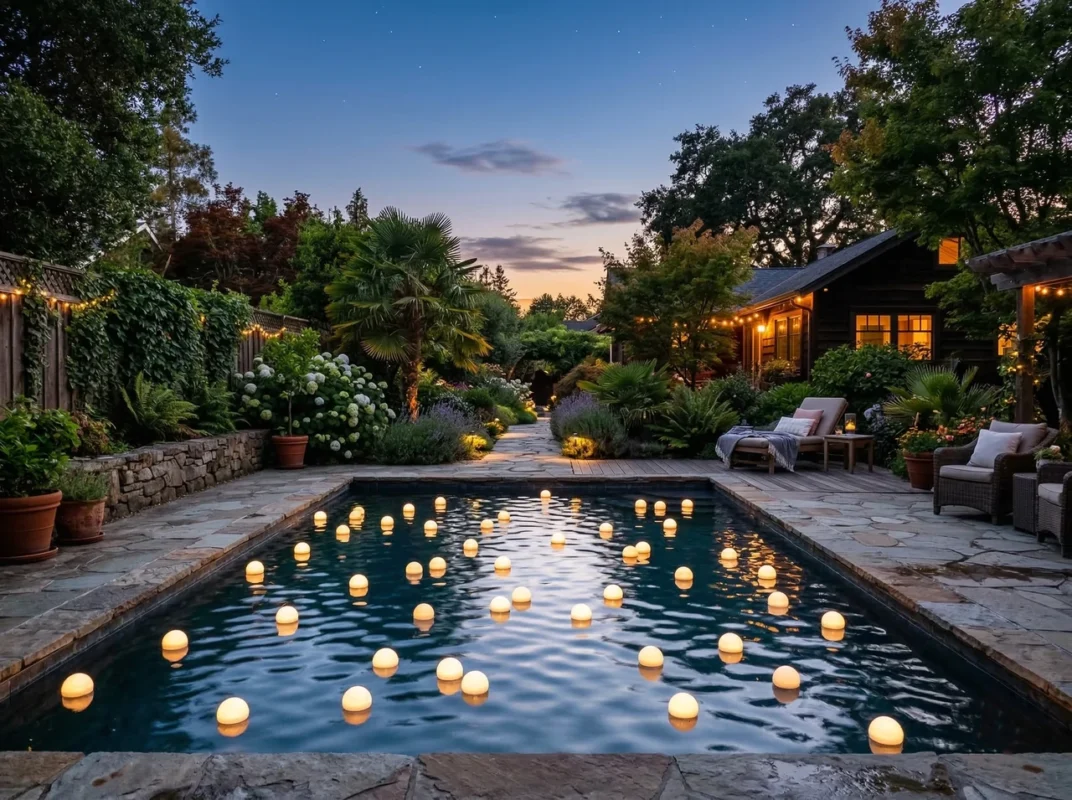
Types of Floating Solar Pool Lights You Can Choose From
Not all floating solar pool lights are the same. In fact, there are several different categories, each designed for a different purpose.
Understanding these types will help you pick the right pool light for your pool.
Inflatable Pool Lights Solar Designs
One of the most popular options today is inflatable pool lights solar.
These lights are typically shaped like glowing spheres or lanterns and contain a sealed solar module at the top.
Advantages:
- Soft glowing effect
- Lightweight design
- Large lighting surface
- Easy storage during winter
Many homeowners use inflatable pool lights solar setups when they want decorative lighting rather than bright illumination.
They’re particularly great for parties.
Solar Pond Lights Floating for Pools and Ponds
Another popular option is solar pond lights floating.
Originally designed for ponds and water gardens, these lights have become a favorite for pools because they offer a more natural aesthetic.
A solar pond lights floating unit often resembles:
- Water lilies
- Floating lanterns
- Decorative discs
Many pool owners combine solar pond lights floating units with landscaping to create a spa-like environment.
Waterproof Pool Decor Lights
Some lights are designed primarily for aesthetics.
These waterproof pool decor lights may include:
- glowing shapes
- floating cubes
- color-changing lanterns
The best waterproof pool decor lights are fully sealed and capable of staying in the water all season without leaking.
Solar Powered Pool Fountain Light
If you want something that really stands out, consider a solar powered pool fountain light.
These lights combine a floating solar panel with a small fountain pump and LED lights.
Benefits include:
- gentle water movement
- dramatic lighting reflections
- improved water circulation
A solar powered pool fountain light can transform a quiet pool into a visually striking centerpiece.
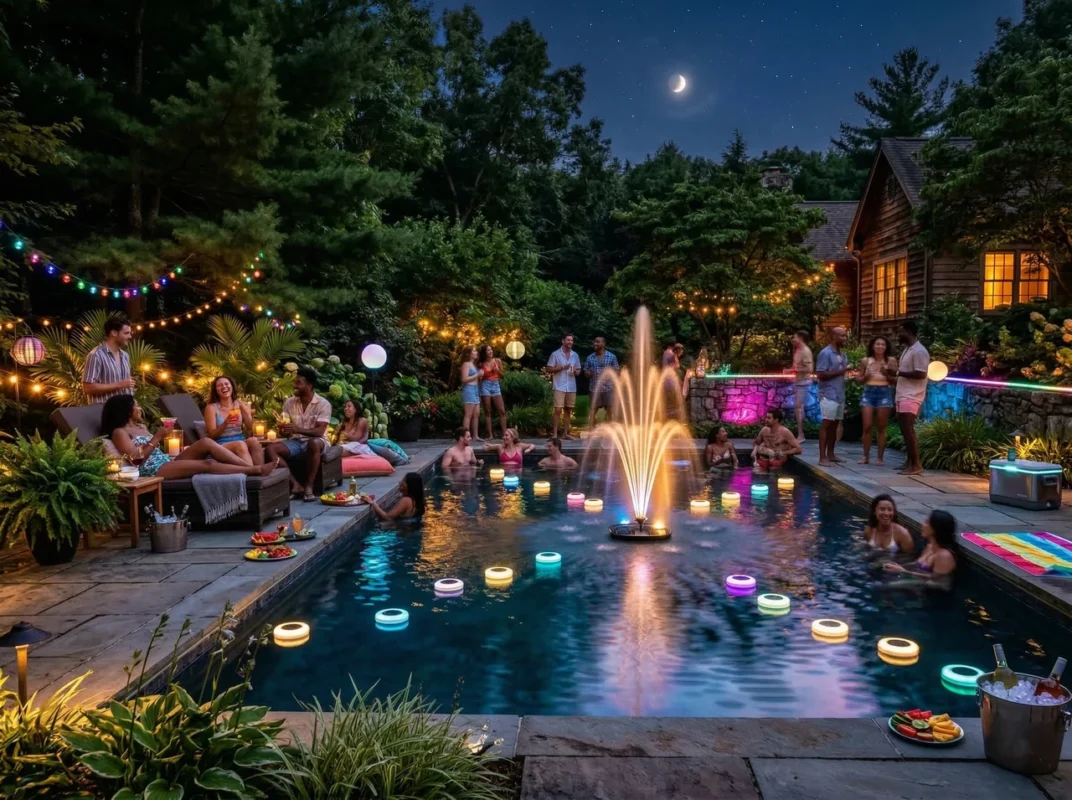
Disco Pool Lights Solar for Parties
When it comes to entertaining guests, disco pool lights solar are hard to beat.
These lights project rotating colored beams across the water surface and surrounding patio area.
Typical features include:
- rotating LEDs
- multiple color modes
- wide coverage lighting
If you host night parties, disco pool lights solar systems create an instant nightclub vibe in the backyard.
How Floating Solar Pool Lights Actually Work
At first glance, floating solar pool lights look almost too simple to be effective. You place them on the water during the day, and by evening they’re glowing across the pool surface. No wiring, no switches, no outlets.
But behind that simplicity is a well-designed system that combines solar energy technology, waterproof engineering, and energy-efficient LEDs. Understanding how floating solar pool lights actually work can help you choose better products, use them more effectively, and avoid common performance problems.
Solar Panels Capture Energy Throughout the Day
The most visible component of floating solar pool lights is the small solar panel located on the top surface. This panel is responsible for converting sunlight into electrical energy.
During the daytime, the panel absorbs sunlight and generates electricity through photovoltaic cells. The energy produced doesn’t power the pool light immediately. Instead, it’s stored in a rechargeable battery inside the unit.
For best performance, floating solar pool lights should receive several hours of direct sunlight each day. When the solar panel gets strong sunlight, the battery stores enough energy to power the lights throughout the evening.
In real-world pool setups, placement matters. If trees, patio covers, or umbrellas block sunlight, the solar light panel may not collect enough energy. That’s one of the most common reasons some floating solar pool lights appear dim at night.
Rechargeable Batteries Store the Collected Solar Energy
Inside every set of floating solar pool lights is a rechargeable battery that stores the electricity generated by the solar panel.
This battery acts as the energy reservoir for the entire system. Throughout the day, the solar light panel continuously sends energy to the battery until it reaches full capacity.
The size and quality of this battery play a major role in how long the pool light stays illuminated at night.
Higher-capacity batteries allow floating solar pool lights to run for longer periods, often providing 8 to 12 hours of light. Lower-quality batteries may only support a few hours of illumination before fading.
Temperature can also affect battery performance. In extremely cold environments, some floating solar pool lights may not hold a full charge. This is why many pool owners store their lights indoors during winter months.
When the battery is working properly, floating solar pool lights recharge automatically every day and continue operating for an entire swimming season without manual charging.
LED Lighting Produces Bright and Efficient Illumination
The actual lighting in floating solar pool lights is typically generated by energy-efficient LED bulbs.
LED technology is ideal for solar-powered applications because it uses very little electricity while producing bright and consistent light. This efficiency allows a small solar panel and battery to power the pool light for many hours.
Another advantage of LED lighting is durability. LEDs can last for tens of thousands of hours, which means the lighting system inside floating solar pool lights often outlasts the battery itself.
Depending on the design, LEDs may produce:
- warm white illumination
- cool white lighting
- multi-color effects
- rotating color patterns
Some decorative designs even resemble disco pool lights solar, projecting colorful reflections across the water surface.
In addition to entertainment lighting, LEDs can also be used in waterproof pool decor lights to highlight the pool environment and create relaxing nighttime ambiance.
Built-In Light Sensors Activate the Lights Automatically
One of the most convenient features of floating solar pool lights is that they turn on automatically.
This is possible because most units include a small light sensor that detects changes in ambient light levels. During the day, the sensor recognizes bright conditions and keeps the pool light turned off while the battery charges.
As evening approaches and natural light fades, the sensor triggers the LED system and the floating solar pool lights begin glowing across the water.
This automatic process means there’s no need to manually switch anything on or off.
Once installed, floating solar pool lights simply follow a daily cycle:
- Collect sunlight during the day
- Store energy in the internal battery
- Activate automatically at dusk
- Provide illumination throughout the night
For homeowners who want a low-maintenance lighting solution, this automatic behavior is one of the biggest advantages of using floating solar pool lights.
Waterproof Sealing Protects the Internal Components
Because these lights sit directly on the water surface, durability and waterproofing are critical.
Well-designed floating solar pool lights are built with sealed housings that protect the solar panel, battery, and LED electronics from water intrusion. These housings are typically constructed from weather-resistant plastics or composite materials that can handle long-term exposure to sunlight and pool chemicals.
This sealed design allows floating solar pool lights to function both as lighting devices and as waterproof pool decor lights, safely floating in the pool for extended periods.
However, like any outdoor device, seals can eventually wear down after years of exposure. That’s why experienced pool owners occasionally inspect their floating solar pool lights for condensation or water buildup.
Proper maintenance helps ensure the solar light system continues operating efficiently season after season.
Water Movement Creates Dynamic Lighting Effects
Unlike fixed lighting systems, floating solar pool lights move naturally with the water.
Even gentle pool circulation or wind can cause the lights to drift slowly across the surface. This movement creates dynamic reflections and shifting light patterns that make nighttime pools look far more lively than static lighting.
Some pool owners enhance this effect by combining multiple lighting styles. For example, decorative floating units may be paired with a solar powered pool fountain light, which adds water motion and enhances the reflection patterns created by floating solar pool lights.
The result is a layered lighting effect that looks more organic and visually engaging than traditional fixed lighting.
How to Choose the Best Floating Solar Pool Lights
Some floating solar pool lights stay bright all night and hold up through an entire summer. Others fade after a couple of hours or stop working after a few weeks. The difference usually comes down to a few key design factors.
Below are the most important things to look for before buying your next pool light.
Brightness and Lighting Purpose
The first question you should ask is simple: What do you want the lights to do?
Not all floating solar pool lights are designed for the same purpose. Some are meant purely for decoration, while others are intended to improve nighttime visibility.
Decorative lights—often used as waterproof pool decor lights—produce a soft glow that enhances the atmosphere around the pool. They’re great for relaxing evenings, outdoor dinners, or poolside gatherings.
However, if you want lighting that helps people actually see while swimming, you’ll need floating solar pool lights with higher brightness levels.
A good rule of thumb is this:
- Decorative lighting creates ambiance
- Functional lighting improves visibility
Many homeowners use a combination of both. For example, several decorative floating solar pool lights can be paired with brighter units or a solar powered pool fountain light to create layered illumination.
Solar Panel Efficiency
Because these lights rely entirely on solar power, the quality of the solar panel plays a huge role in performance.
High-quality floating solar pool lights use efficient photovoltaic panels that collect sunlight even during partially cloudy conditions. Less efficient panels require long hours of direct sunlight to charge properly.
If the panel isn’t efficient enough, the solar light may not store enough energy to keep the pool light running through the night.
When evaluating floating solar pool lights, look closely at the panel size and placement. Larger panels generally collect more energy, especially when the light floats in areas that don’t receive constant sun exposure.
Experienced pool owners often mention that the best floating solar pool lights continue charging even during slightly overcast days, which helps maintain consistent nighttime performance.
Battery Capacity and Runtime
Another critical factor when choosing floating solar pool lights is battery capacity.
The internal battery stores the energy collected by the solar light panel during the day and powers the LED lighting at night. A larger battery usually means longer illumination time.
In real-world use, most well-designed floating solar pool lights provide between 8 and 12 hours of lighting after a full day of sunlight. That’s typically enough to cover an entire evening of swimming or outdoor entertaining.
However, some low-capacity batteries only support a few hours of light before fading.
If your goal is reliable nighttime lighting, prioritize floating solar pool lights with longer runtime ratings. Pool owners who frequently host evening gatherings especially appreciate lights that stay bright well past midnight.
Waterproof Construction and Durability
Pools expose lighting equipment to a harsh environment. Water, chlorine, salt, sunscreen residue, and constant sunlight can all affect the lifespan of a pool light.
This is why durable waterproof construction is essential.
High-quality floating solar pool lights are built with sealed housings that protect the internal electronics from water intrusion. These sealed designs also allow the lights to function as waterproof pool decor lights, safely floating on the surface for extended periods.
When evaluating durability, pay attention to:
- tight seam construction
- thick exterior materials
- UV-resistant surfaces
Strong waterproof construction ensures that floating solar pool lights continue working throughout the entire swimming season without leaking or failing.
Stability and Floating Design
One feature many buyers overlook is how stable the lights are on the water surface.
Some small floating solar pool lights are lightweight and can easily tip over if the water moves. When that happens, the solar panel faces downward and the solar light can’t recharge properly.
Better designs include wider bases or balanced weight distribution that helps keep the panel facing upward.
Stability becomes even more important in pools with active swimmers or strong water circulation. Well-balanced floating solar pool lights remain upright and continue charging during the day, ensuring the pool light operates reliably each evening.
Lighting Effects and Color Modes
While brightness and durability matter most, lighting effects also play a role in the overall pool experience.
Some floating solar pool lights offer simple white lighting, while others include multiple color modes or gradual color transitions. These effects can dramatically change the atmosphere around the pool.
For example, rotating or color-changing lights similar to disco pool lights solar styles are often used during pool parties or nighttime gatherings. They add movement and vibrant reflections across the water surface.
On the other hand, softer lighting styles—such as solar pond lights floating designs—create a calmer, spa-like environment that many homeowners prefer for quiet evenings.
Choosing the right lighting effect depends entirely on the mood you want to create in your pool area.
Pool Size and Lighting Coverage
Another common mistake people make when buying floating solar pool lights is underestimating how many lights they need.
A single pool light floating in the middle of a large pool usually won’t create the dramatic effect people expect. The lighting works best when several units are spaced evenly across the water.
For small pools, a few floating solar pool lights may be enough to create balanced illumination. Larger pools often require several units to achieve consistent lighting coverage.
Some homeowners also place a solar powered pool fountain light in the center and arrange multiple floating solar pool lights around it. This setup creates a layered lighting design that enhances reflections and visual depth.
Ease of Maintenance
Finally, consider how easy the lights are to maintain.
One of the biggest advantages of floating solar pool lights is that they require very little upkeep. Still, certain designs make maintenance easier than others.
For example, lights with smooth surfaces are easier to wipe clean when sunscreen residue or debris accumulates on the solar light panel. Regular cleaning ensures the panel collects sunlight efficiently and keeps the pool light performing at its best.
The best floating solar pool lights are designed to operate for months with minimal attention, allowing pool owners to enjoy the lighting without constantly adjusting or repairing it.
How Many Floating Solar Pool Lights Do You Need?
One of the most common questions pool owners ask when shopping for floating solar pool lights is surprisingly simple: How many lights do I actually need?
The answer depends on three key factors—pool size, lighting purpose, and the brightness of the pool light you choose. Unlike fixed lighting systems, floating solar pool lights create illumination through movement and reflection on the water surface. Because of this, using multiple lights usually produces a much better visual effect than relying on just one.
For small backyard pools, around 10–15 feet wide, 3 to 4 floating solar pool lights are typically enough to create balanced lighting. These lights will drift gently across the surface and spread reflections across the water, giving the pool a soft nighttime glow.
Medium-sized pools often benefit from 5 to 7 floating solar pool lights. At this level, the lights begin to create layered reflections that make the entire pool area feel brighter and more inviting. Many homeowners combine standard floating solar pool lights with decorative waterproof pool decor lights to add visual interest without overwhelming the space.
For larger pools, especially those used for evening gatherings, 8 to 12 floating solar pool lights usually provide the best coverage. Spacing them evenly allows the solar light reflections to spread naturally across the water while maintaining good visibility around the pool edges.
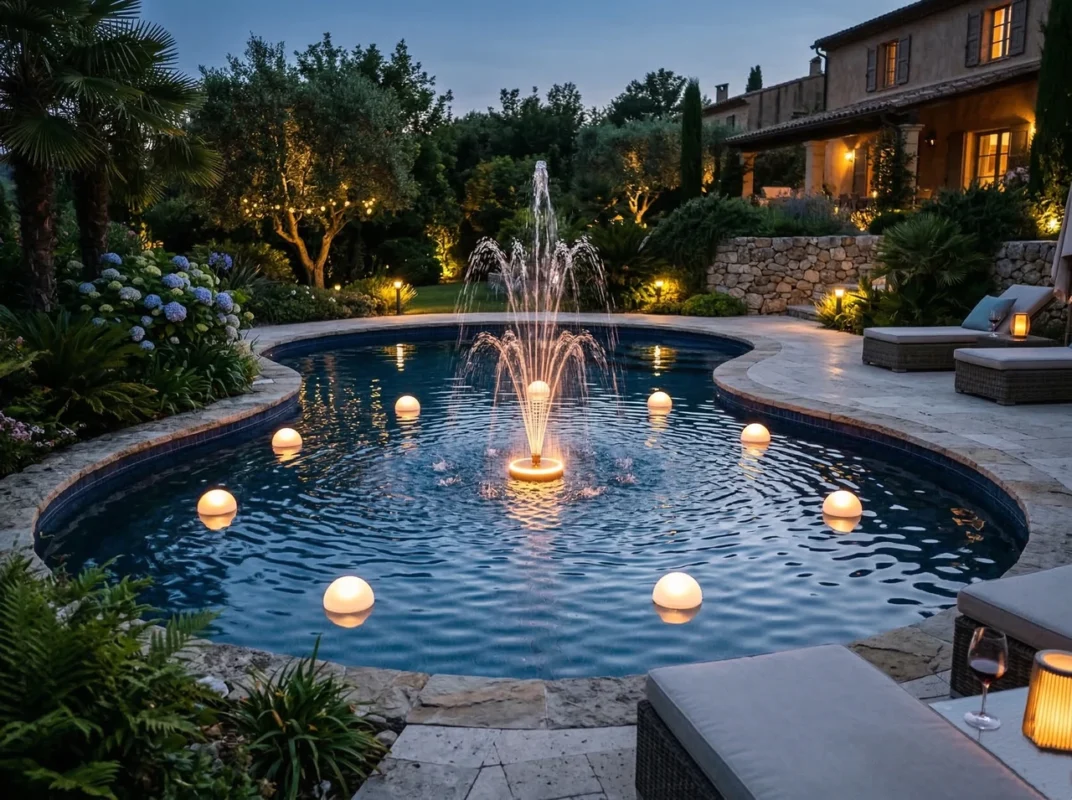
Another practical approach is to create a centerpiece. For example, placing a solar powered pool fountain light in the middle of the pool and surrounding it with several floating solar pool lights can produce dramatic reflections and improve overall lighting balance.
Ultimately, the goal isn’t just brightness—it’s atmosphere. When positioned correctly, floating solar pool lights transform the water surface into a glowing focal point that enhances the entire backyard environment.
Real Installation Tips from Pool Owners
One of the biggest advantages of floating solar pool lights is the simplicity of installation.
However, there are still a few tips that experienced pool owners swear by.
Let Them Charge Fully First
Before placing floating solar pool lights in your pool, allow them to charge in direct sunlight for at least 6–8 hours.
This ensures maximum brightness on the first night.
Avoid Shade
Trees, fences, and patio umbrellas can block sunlight from reaching the solar light panel.
For the best performance, keep floating solar pool lights in areas that receive full daylight.
Use a Combination of Light Styles
Many backyard designers combine:
- inflatable pool lights solar
- solar pond lights floating
- waterproof pool decor lights
This creates layered lighting that feels more natural and visually interesting.
Maintenance Tips for Floating Solar Pool Lights
One of the biggest advantages of floating solar pool lights is that they require minimal upkeep compared to traditional pool light systems. However, like any outdoor lighting, a little maintenance goes a long way in keeping them performing at their best. From my experience helping homeowners and testing multiple setups, following these simple tips ensures your floating solar pool lights last for years and continue to illuminate your pool beautifully.
Keep the Solar Panels Clean
The solar panel on top of each floating solar pool light is crucial for charging the internal battery. Dirt, sunscreen residue, pollen, and debris can accumulate on the panel, reducing sunlight absorption and shortening runtime. A quick weekly wipe with a soft cloth and mild soapy water is usually enough to maintain efficiency. Clean panels help ensure your solar light provides full brightness throughout the night.
Inspect for Water Intrusion
Even well-sealed waterproof pool decor lights can develop small leaks over time. Check your floating solar pool lights periodically for condensation inside the housing. If you notice moisture, remove the light from the pool and allow it to dry completely. Consistently monitoring for water intrusion protects the internal battery and LED system, extending the lifespan of your lights.
Rotate Lights and Prevent Drifting
While floating solar pool lights are designed to drift naturally, they may occasionally gather in one corner of the pool or drift toward walls. Adjusting their placement ensures even illumination. For larger pools, consider tethering lights or using pool features like fountains as central points to distribute the lights evenly, improving the overall effect.
Store During Harsh Weather
In colder climates, freezing temperatures can damage the battery and housing of floating solar pool lights. Removing lights before winter and storing them in a dry, cool area helps preserve battery life and waterproof seals. Similarly, extreme storms or high winds may warrant temporary removal to prevent damage.
Replace Batteries When Needed
Most floating solar pool lights use rechargeable batteries designed to last multiple seasons. Over time, however, battery performance may decline. If you notice dimmer light output despite proper sun exposure, it’s often a sign the battery needs replacement. Keeping spare batteries on hand ensures uninterrupted illumination without needing to replace the entire unit.
Common Mistakes People Make When Buying Floating Solar Pool Lights
Even though floating solar pool lights are simple to use, many homeowners make avoidable mistakes when purchasing them. These errors can lead to disappointing performance, wasted money, or lights that don’t last through the season. Based on years of experience advising pool owners and testing different lighting setups, here are the most common pitfalls and how to avoid them.
Choosing Lights Without Considering Pool Size
One of the biggest mistakes is buying too few or too dim floating solar pool lights for the pool. A single unit in a large pool rarely produces enough illumination to make a difference. Conversely, overcrowding a small pool with too many lights can look cluttered and reduce the elegance of the lighting. Always match the number and brightness of your pool light to the size and shape of your pool.
Ignoring Sunlight Exposure
Because floating solar pool lights rely entirely on solar energy, placement is crucial. Many homeowners place lights in shaded areas or forget to account for surrounding trees, umbrellas, or structures that block sunlight. This results in poor battery charging and dim lights at night. To avoid this, ensure each solar light receives several hours of direct sun during the day.
Overlooking Battery Capacity and Runtime
Another common error is assuming all floating solar pool lights run equally long. Low-capacity batteries may only provide a few hours of light, leaving your pool dim before the evening ends. Always check the battery specifications and runtime claims. Pool owners who want reliable illumination for social gatherings should prioritize units designed to run 8–12 hours on a full charge.
Focusing Only on Looks
While decorative features like color-changing LEDs or disco pool lights solar effects are fun, some buyers prioritize style over functionality. Choosing lights that look impressive but lack brightness, stability, or durability often leads to disappointment. The best floating solar pool lights combine aesthetic appeal with practical performance, providing both ambiance and visibility.
Neglecting Durability and Waterproofing
Some floating solar pool lights fail quickly because homeowners overlook waterproofing quality or materials. Thin housings, poorly sealed electronics, or low-quality plastics can allow water or chemicals to seep in, damaging the battery and LEDs. Selecting lights with robust construction ensures long-term performance and reduces the need for frequent replacement.
Forgetting Maintenance Requirements
Even though floating solar pool lights are low-maintenance, completely ignoring upkeep is a mistake. Dirty solar panels, water intrusion, or drifting units can all reduce performance. Simple actions—like wiping panels, checking for condensation, and rotating lights—can make a huge difference in brightness and longevity.
Final Thoughts – Are Floating Solar Pool Lights Worth It?
After years of experimenting with backyard lighting systems, I can confidently say that floating solar pool lights are one of the most practical upgrades for any pool owner.
They’re affordable.
They require no installation.
And they instantly transform nighttime swimming.
Whether you’re using inflatable pool lights solar, solar pond lights floating, decorative waterproof pool decor lights, or a dramatic solar powered pool fountain light, the right combination of floating solar pool lights can turn an ordinary backyard pool into a stunning nighttime retreat.
And the best part?
All it takes is sunlight and a few minutes of setup.
FAQs About Floating Solar Pool Lights
How do you charge solar pool lights?
Most floating solar pool lights charge automatically via the built-in solar panel. Place the lights in direct sunlight during the day, and the internal rechargeable battery will store enough energy to power the LEDs at night. For best results, ensure the panels aren’t shaded by trees or umbrellas.
Are they safe for salt water pools?
Yes, as long as the lights are fully waterproof and sealed. Salt water can be harsh on exposed metals, so choose waterproof pool decor lights with corrosion-resistant housing. Periodically rinse and inspect the lights to maintain longevity.
How long do they stay lit at night?
High-quality floating solar pool lights typically run 8–12 hours on a full daytime charge. Runtime depends on sunlight exposure, battery capacity, and LED efficiency. Cleaning the solar panels regularly helps maximize illumination time.
Can you leave them in the pool all day?
Yes, leaving them in the pool during the day helps them charge efficiently. However, if strong storms, heavy winds, or freezing temperatures are expected, it’s best to temporarily remove the lights to prevent damage.
Do they work in above ground pools?
Absolutely. Floating solar pool lights are compatible with in-ground and above-ground pools, as well as temporary pools and decorative water features. Their self-contained design eliminates the need for wiring or electrical installation.
How do I keep them from floating away?
Most units are naturally stable, but tethering them to a pool edge or anchoring near a central feature like a solar powered pool fountain light can prevent drifting. Proper placement also ensures even lighting coverage across the pool.
Are they bright enough for swimming?
It depends on the model. Standard decorative floating solar pool lights provide soft ambiance, while higher-lumen units or multiple lights can offer adequate illumination for safe swimming. Combining several lights often achieves both visibility and aesthetic appeal.