
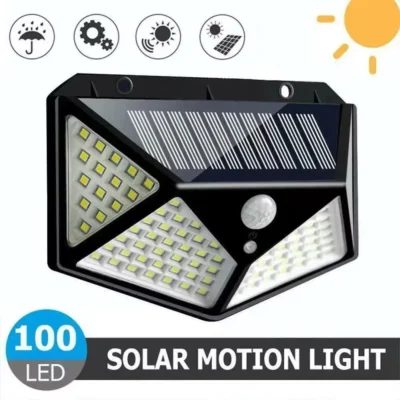
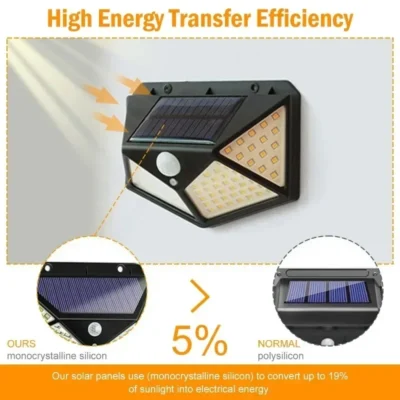
Solar-Powered Garden Lamp – LED Outdoor Light with Motion Sensor, Waterproof
-47%
Select options
This product has multiple variants. The options may be chosen on the product page
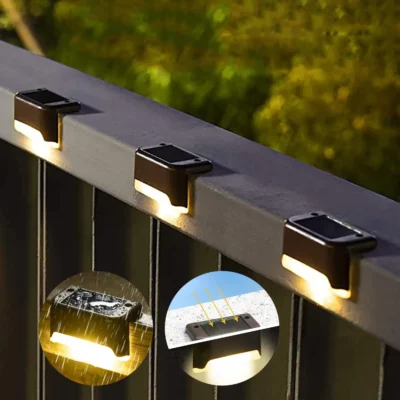
Solar LED Outdoor Lights – Waterproof Garden, Deck & Step Lamps
$22.98 – $30.94Price range: $22.98 through $30.94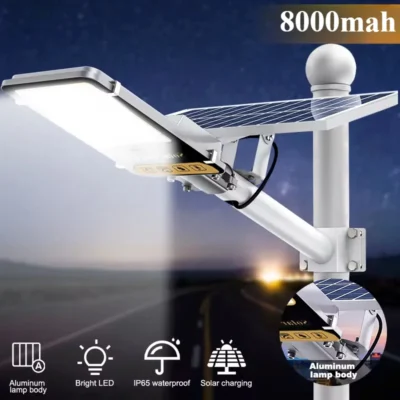
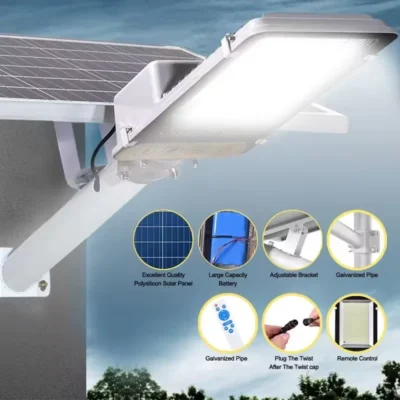
High-Power 8000mAh Solar Street Light – Waterproof Outdoor Wall & Garden Lamp
-42%
Select options
This product has multiple variants. The options may be chosen on the product page
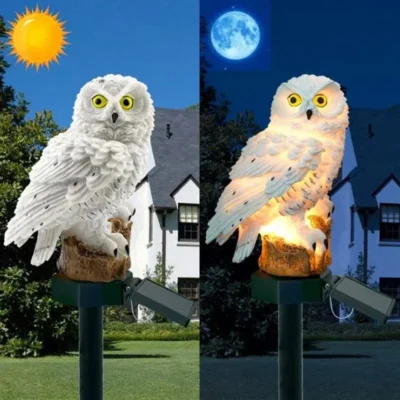
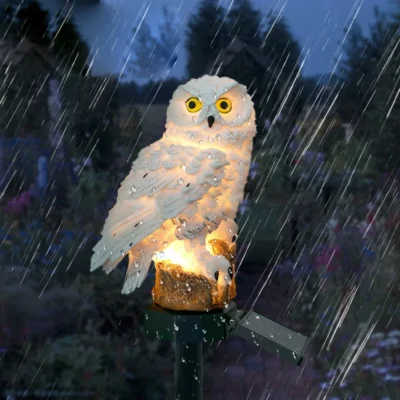
Solar-Powered Owl Garden Light – LED Outdoor Waterproof Lamp
$28.03 – $67.06Price range: $28.03 through $67.06-37%
Select options
This product has multiple variants. The options may be chosen on the product page
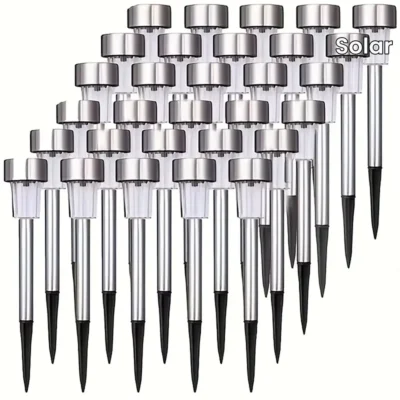
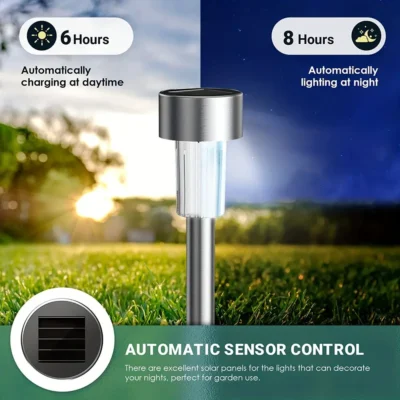
10-Pack Solar Garden Lanterns – Waterproof Outdoor Pathway Lights
$33.72 – $72.79Price range: $33.72 through $72.79-47%
Select options
This product has multiple variants. The options may be chosen on the product page
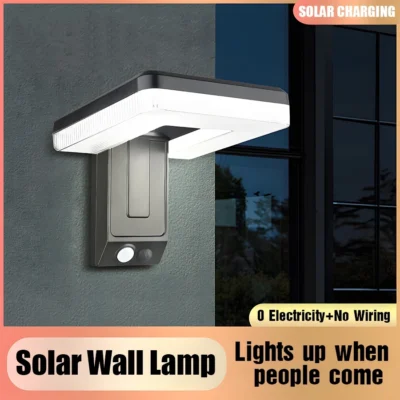
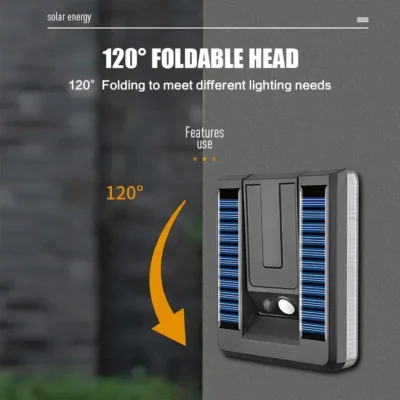
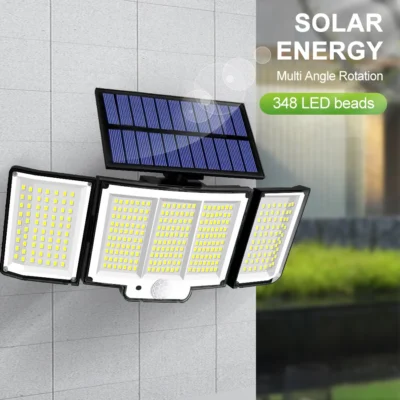
Foldable LED Solar Wall Light – 120° Motion Sensor Waterproof Outdoor Lamp
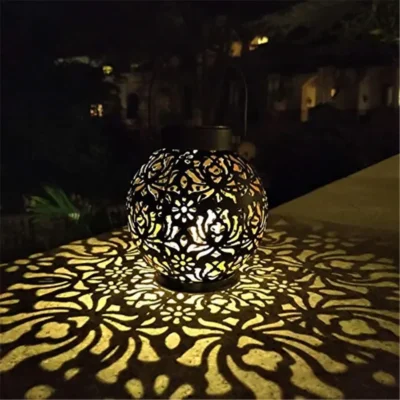

Solar LED Garden Light – Hollow Iron Art Hanging Lamp, Waterproof
-47%
Select options
This product has multiple variants. The options may be chosen on the product page
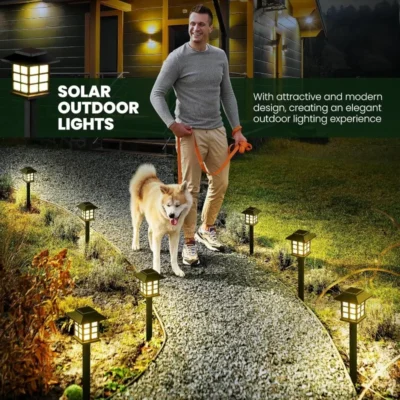
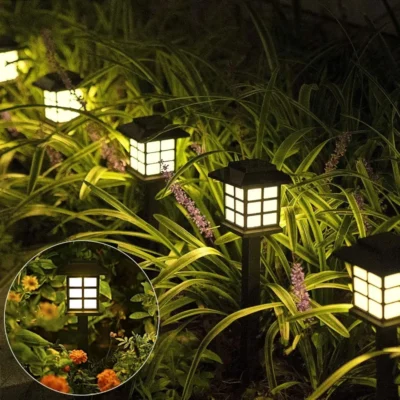
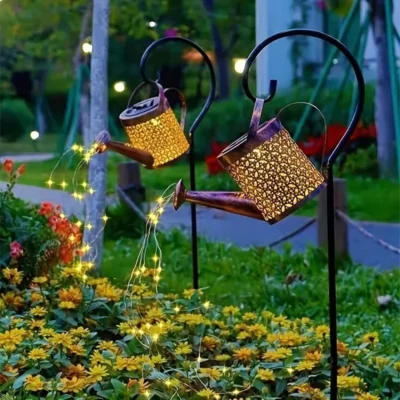
2-Pack Solar Pathway Lights – Waterproof Outdoor Garden & Yard Lamps
-38%
Select options
This product has multiple variants. The options may be chosen on the product page
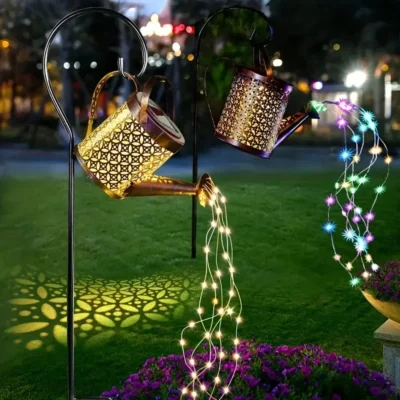
Retro Metal Solar Lantern – Waterproof Hanging LED Fairy Light for Garden
$32.25 – $32.93Price range: $32.25 through $32.93-43%
Select options
This product has multiple variants. The options may be chosen on the product page
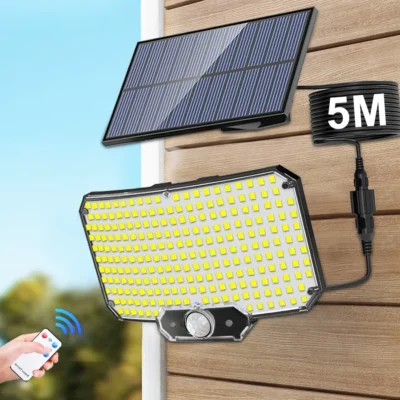
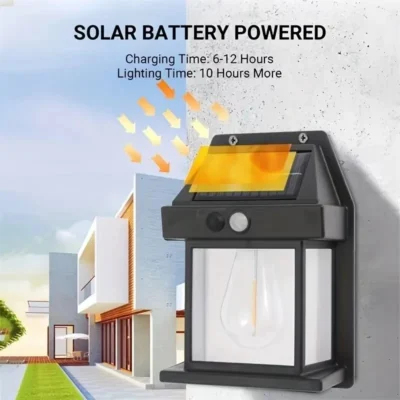
LED Solar Wall Light – Outdoor Motion Sensor, IP65 Waterproof, Super Bright
$33.85 – $53.16Price range: $33.85 through $53.16-47%
Select options
This product has multiple variants. The options may be chosen on the product page
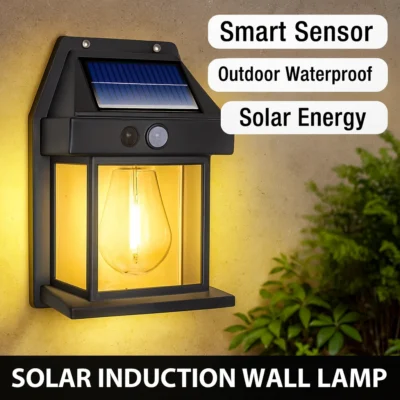
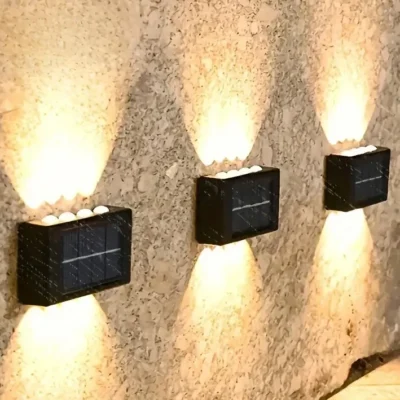
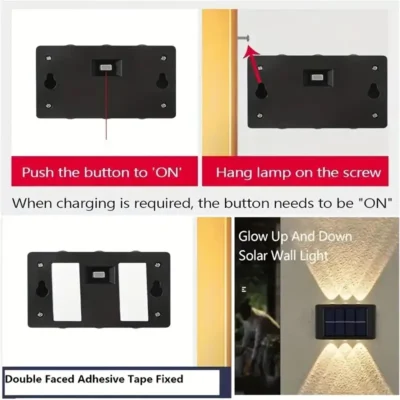
Solar Wall Light Outdoor Waterproof LED Motion Sensor Lamp
-44%
Select options
This product has multiple variants. The options may be chosen on the product page
Decorative Solar Wall Light – Outdoor LED Landscape Lamp for Garden, Patio & Fence
$25.44 – $37.99Price range: $25.44 through $37.99Why Choose Solar Lights?
What Are Solar Lights and How Do They Work?
Solar lights are outdoor lighting devices powered entirely by energy from the sun. Each unit typically includes a small solar panel, rechargeable battery, LED bulb, and a light sensor. During daylight hours, the panel converts sunlight into electricity and stores it in the battery. When night falls, the sensor automatically activates the LEDs, using the stored energy to illuminate your space.
This simple yet effective system makes solar lights one of the most energy-efficient and sustainable lighting options available. There’s no need for electrical wiring or ongoing utility costs—just a reliable, eco-friendly light source powered by nature. Whether you’re lighting a pathway, garden, deck, or driveway, a high-quality solar light provides both functionality and charm with minimal effort.
Key Benefits of Solar Garden Lights
Solar garden lights offer more than just convenience—they bring long-term value, beauty, and peace of mind to outdoor spaces. Here are the standout benefits:
- Energy Efficiency and Cost Savings: Since solar lights rely on sunlight, they significantly reduce electricity consumption and lower your utility bills. Once installed, they operate for free.
- Easy Installation: No complicated wiring or professional help is needed. Simply place your solar light where it receives direct sunlight, and it will charge automatically.
- Eco-Friendly Illumination: Solar lights harness renewable energy, reducing your carbon footprint and helping protect the environment.
- Low Maintenance: With durable materials and automatic operation, they require minimal attention beyond occasional cleaning of the panel and replacing the battery every few years.
- Aesthetic Appeal: Modern solar lights come in diverse designs—from subtle path lights to decorative string options—that enhance the beauty and safety of your landscape.
In short, solar lights deliver dependable lighting that’s as sustainable as it is stylish.
Limitations and Typical Downsides
While solar lights are convenient and green, they’re not without limitations. Understanding these helps you set realistic expectations and maintain their performance.
- Dependence on Sunlight: The most obvious limitation is that solar lights need sufficient sunlight to charge fully. On cloudy days or in shaded areas, performance can diminish.
- Battery Degradation: Over time, the rechargeable batteries lose capacity, causing dimmer output or shorter run times. Replacing them every couple of years can solve this.
- Brightness Levels: Although technology has improved dramatically, solar lights may not reach the same brightness as wired systems. Selecting models with appropriate lumens for your space is key.
- Weather Sensitivity: Extreme cold or heavy moisture can shorten the lifespan of components. Choosing waterproof, weather-resistant designs helps prevent this.

Core Technical Factors When Selecting Outdoor Solar Lights
Solar Panel Type and Efficiency
The solar panel is the heart of any solar light. It determines how quickly and effectively sunlight is converted into usable energy.
- Monocrystalline panels offer the highest efficiency, ideal for areas with limited sun exposure.
- Polycrystalline panels are slightly less efficient but cost-effective for general garden use.
- Amorphous panels perform better in partial shade or cloudy weather, though they charge more slowly.
When possible, choose solar lights with larger or higher-quality panels that maximize daily energy absorption. This ensures consistent illumination even during shorter winter days.
Battery Capacity and Type
A solar light’s performance depends heavily on its battery. The battery stores the day’s captured energy and powers the LED lights at night.
- Lithium-ion batteries deliver long lifespans and fast charging.
- Nickel-metal hydride (NiMH) batteries are stable and reliable, especially in varying temperatures.
- Nickel-cadmium (NiCd) batteries are cheaper but less eco-friendly and lose capacity faster.
Pay attention to battery capacity, usually measured in milliamp-hours (mAh). Higher capacity means longer illumination time through the night. Regular replacement every one to two years keeps your solar lights bright and dependable.
Lumen Output and Brightness Level
Brightness is measured in lumens, not watts. This determines how much light your solar fixture emits.
- 20–50 lumens: Ideal for soft pathway lighting or decorative accents.
- 100–300 lumens: Suitable for driveways, patios, or garden features.
- 500+ lumens: Works well for security or floodlighting purposes.
Selecting the right lumen range ensures you get both the function and mood you need—whether it’s gentle ambient glow or strong visibility for safety.
Lighting Duration and Energy Storage
High-quality solar lights typically offer 8–12 hours of lighting per full charge. This duration depends on battery size, panel efficiency, and available sunlight. Some advanced designs include energy-saving features like dimming modes, motion sensors, or automatic shutoff to extend runtime.
Material Durability and Weather Resistance
Outdoor solar lights must withstand various environmental conditions. Look for products made with corrosion-resistant metals, shatterproof glass, or UV-stabilized plastic. An IP rating of at least IP65 ensures protection against rain and dust.
Weatherproof construction not only prevents damage but also supports consistent performance throughout the year, including during colder months.
Sensor Technology and Smart Features
Many modern solar lights now come equipped with sensors that enhance convenience and efficiency.
- Light sensors automatically turn the lights on at dusk and off at dawn.
- Motion sensors provide brighter illumination only when movement is detected, conserving energy.
- Timer controls let you customize operational hours for specific needs.
Smart technology in solar lighting can also adapt brightness levels based on remaining battery life, ensuring steady light output until sunrise.
Maintenance Requirements
While solar lights are known for being low-maintenance, some routine care keeps them in peak condition.
Clean the solar panel regularly to remove dirt or debris that blocks sunlight. Replace old or corroded batteries, check for loose connections, and ensure panels face direct sunlight. A few minutes of upkeep can significantly extend the system’s lifespan.
Balancing Performance and Aesthetics
The best outdoor solar lights strike a balance between functionality and design. Choose models that complement your outdoor décor while meeting your brightness and energy needs. Whether you prefer sleek, modern path lights or rustic lantern-style fixtures, performance should always match visual appeal.
Choosing the Right Solar Light for Your Application
Pathway and Driveway Lighting
For pathways, driveways, and garden edges, low-to-medium lumen solar lights (20–100 lumens) are ideal. These offer a gentle, guiding glow that enhances safety without overwhelming the landscape. Look for stake-style lights or flush-mounted models that line walkways evenly. Spacing them about 6 to 8 feet apart creates uniform coverage and prevents dark gaps. Opt for fixtures with durable, weather-resistant construction to withstand foot traffic and rain.
Garden and Decorative Lighting
To highlight flower beds, trees, or architectural features, choose solar spotlights or uplights with adjustable heads. Aim for 100–300 lumens for accent lighting that brings depth and visual interest after sunset. For a softer decorative touch, solar string lights or lanterns can add warmth and character to pergolas, patios, or fences. Selecting warm white or soft amber tones enhances ambiance while maintaining energy efficiency.
Security and Motion-Sensing Lights
If your goal is safety and visibility, high-lumen solar lights (500 lumens or more) are your best option. Motion-sensor models conserve power by activating only when movement is detected, providing bright, focused light for driveways, garages, or entryways. Choose models with a wide detection angle (typically 120–180 degrees) and adjustable sensitivity to avoid false triggers from small animals or passing cars.
Wall, Fence, and Step Lighting
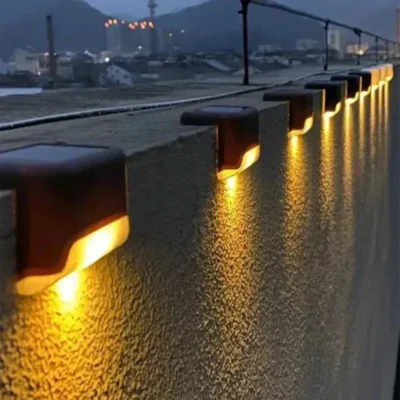
Compact solar wall lights or step lights are excellent for accenting vertical or narrow surfaces. With 50–150 lumens, these fixtures improve visibility and safety without producing glare. They’re particularly useful for stairways, decks, or retaining walls where subtle illumination adds both function and style.
Landscape and Accent Lighting
For showcasing landscaping elements like shrubs, statues, or water features, solar floodlights with adjustable brightness are ideal. A range of 150–400 lumens typically provides enough power for vivid, yet balanced illumination. Directional lighting also helps reduce light pollution by keeping illumination focused where it’s needed.
Ambient and Decorative Zone Lighting
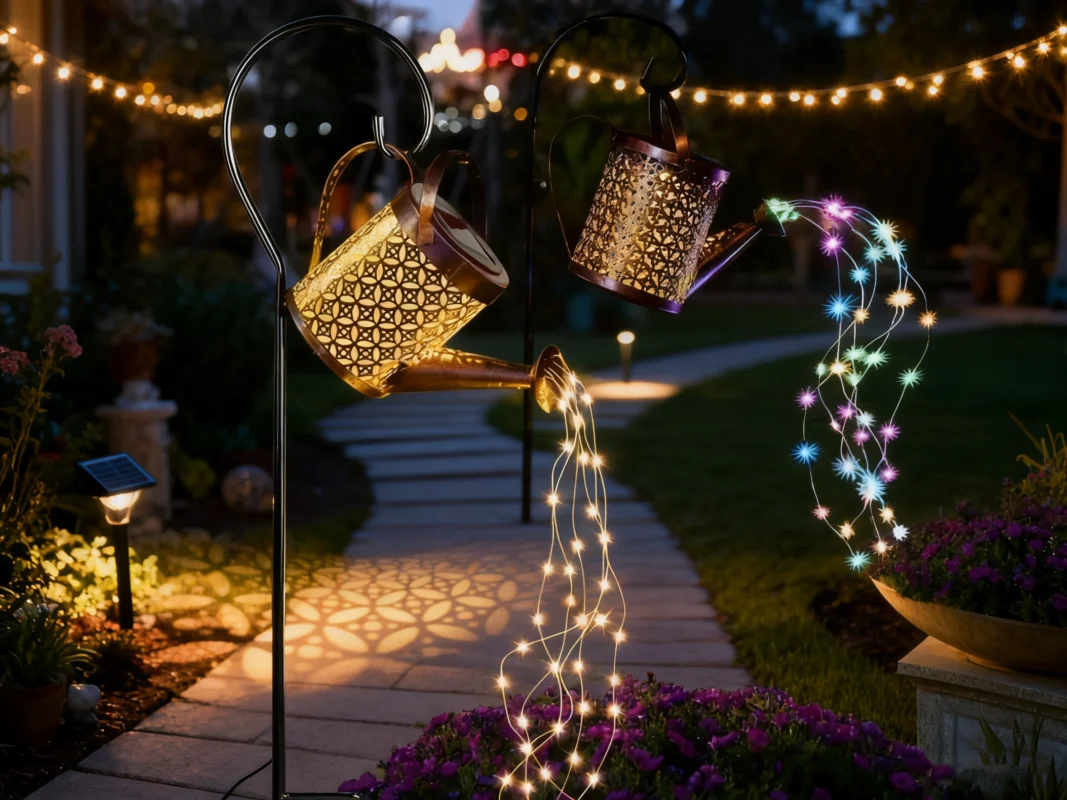
If you want to create mood lighting for evening gatherings, solar string lights, hanging bulbs, or garden lanterns work beautifully. They provide a cozy, inviting atmosphere without consuming electricity. Choose models with a color temperature between 2700K–3000K for a warm, welcoming glow.
Area and Landscape Coverage
Consider the coverage area when choosing solar lights. A larger solar panel and battery combination is better for wide or heavily shaded spaces. For smaller gardens or patios, compact lights with lower wattage can still deliver satisfying illumination.
Weather and Location Considerations
Climate plays a major role in performance. If your area experiences long winters or frequent rain, prioritize lights with a high IP rating (IP65 or above) for waterproof protection. In warmer regions, UV-resistant materials prevent fading and cracking under intense sunlight.
Energy Storage and Runtime
For consistent performance, select solar lights that can run for at least 8–10 hours after a full day of charging. If you live in areas with limited daylight during certain seasons, models with efficient panels and large-capacity batteries will maintain reliable illumination through the night.
Matching Design and Function
Beyond performance, aesthetics matter. Solar lights come in countless designs—from sleek stainless steel to rustic bronze finishes. Choose styles that blend naturally with your outdoor décor while serving their intended purpose.
For instance, modern pathway lights suit minimalist landscapes, while vintage lanterns complement traditional gardens.
Adaptive Lighting for All Seasons
Some solar lights include automatic dimming or seasonal adjustment features, which regulate brightness based on available sunlight. These systems preserve energy during cloudy days and extend battery life through the winter months.
Placement Tips for Maximum Efficiency
- Ensure solar panels face true south (in the northern hemisphere) for optimal sunlight exposure.
- Avoid placing lights under trees, awnings, or shaded areas.
- Clean panels monthly to prevent dust or pollen buildup.
- Group lights strategically to layer brightness—using low-lumen accents alongside high-lumen security lighting creates visual balance.
Choosing by Purpose Summary
| Application | Recommended Lumens | Light Type | Purpose |
| Pathways / Walkways | 20–100 lumens | Stake or bollard lights | Safe navigation |
| Gardens / Decor | 100–300 lumens | Spotlights, lanterns | Accent and beauty |
| Security Areas | 500+ lumens | Motion-sensor lights | Safety and deterrence |
| Steps / Walls | 50–150 lumens | Wall or step lights | Subtle visibility |
| Patios / Social Areas | 50–200 lumens | String or hanging lights | Warm ambience |
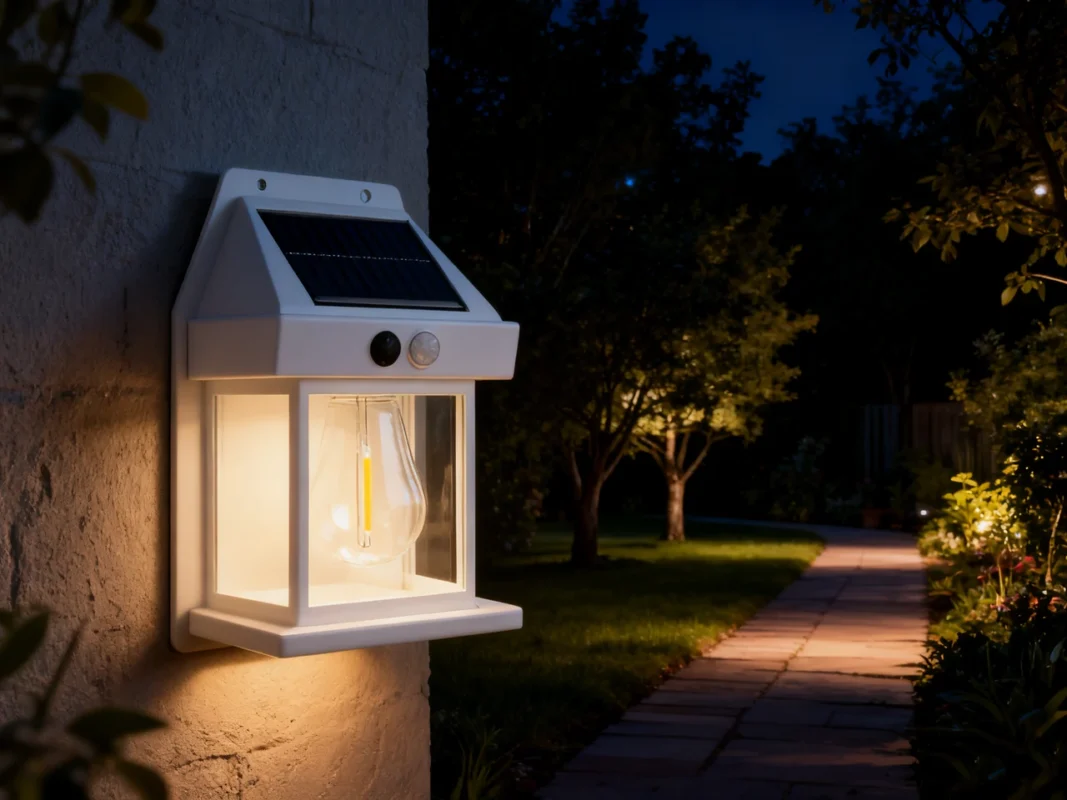
Common Problems & Troubleshooting for Solar Lights
Pathway and Driveway Lighting
If your solar lights appear dimmer than usual, the most likely cause is reduced battery capacity or dirty solar panels. Dust, pollen, or debris can block sunlight, preventing the battery from fully charging.
Fix: Wipe the solar panel gently with a damp cloth to restore efficiency. If brightness remains low after cleaning, consider replacing the rechargeable batteries—typically every 1–2 years.
Lights Not Turning On at Night
When solar lights fail to activate after dusk, several factors might be at play:
- The power switch may be turned off.
- The battery may be completely discharged due to insufficient sunlight.
- Nearby artificial lights can trick the light sensor into staying off.
Fix: First, check the switch and ensure it’s in the “on” position. Move the fixture away from bright streetlights or porch lights. Then, place it in full sunlight for 1–2 days to recharge.
Short Run Time After Dark
If your solar lights only stay illuminated for a short period, it often means the battery isn’t holding charge effectively. This could be from aging batteries or low solar exposure.
Fix: Replace the old battery with a compatible rechargeable one. Also, reposition your solar light to maximize direct sunlight exposure for at least six hours daily.
Flickering or Intermittent Operation
Flickering often signals a loose connection or moisture infiltration. Outdoor fixtures are exposed to rain and humidity, which can affect internal wiring or contacts.
Fix: Disassemble carefully, dry any moisture inside, and check wire connections. Make sure seals are intact to prevent future water intrusion.
Solar Lights Not Charging During the Day
If your solar lights don’t seem to charge, inspect the panel orientation and environmental conditions. Shade, dirt buildup, or obstructions like overhanging branches can reduce solar absorption.
Fix: Relocate the solar panel to a sunnier location, ensuring it faces south (in the northern hemisphere) for maximum exposure. Clean the panel surface regularly.
Lights Stop Working After a Few Months
If your lights fail completely, the issue might lie in battery wear or faulty circuitry. Batteries naturally degrade after hundreds of charge cycles.
Fix: Replace the batteries and inspect for corrosion on the terminals. If damage is visible, clean the contacts using a small brush and mild vinegar solution before installing new batteries.
Lights Not Charging in Winter
Cold temperatures and shorter days can affect charging efficiency. While solar lights can remain outdoors year-round, low sunlight in winter limits performance.
Fix: Position your lights in the sunniest winter spot possible, and wipe off snow or frost from panels. Some users store lights indoors during prolonged storms to preserve battery life.
Cloudy or Rainy Weather Issues
Solar lights can still charge on cloudy days but at a slower rate. Continuous cloudy conditions may prevent full battery charging.
Fix: Switch off the lights for a day or two to let them charge uninterrupted, then resume normal use once the weather improves.
Sensor or Timing Malfunctions
Light sensors can sometimes misread environmental light due to dust, insects, or nearby illumination.
Fix: Clean the sensor lens gently and make sure no light source shines directly onto it. Resetting the unit by turning it off for 24 hours may also recalibrate the sensor.
Corrosion or Rust on Components
Outdoor moisture can cause corrosion on metal parts or terminals, leading to power loss.
Fix: Inspect your lights periodically. Remove corrosion using a small wire brush, and apply a thin layer of dielectric grease to protect contacts.
Condensation Inside Light Housing
Condensation forms when humid air gets trapped inside the casing. This can fog the lens or cause electrical issues.
Fix: Open the housing and let it dry in the sun. Ensure all gaskets are properly sealed before reassembling.
Inconsistent Lighting Across Multiple Fixtures
When some lights in a group work and others don’t, the cause could be uneven sunlight exposure or battery inconsistency.
Fix: Swap batteries between units to test performance, and make sure each light receives equal solar access.
Overheating or Battery Swelling
Excessive heat or overcharging can cause battery swelling or leakage.
Fix: Immediately replace swollen batteries. Position the solar lights where they receive sunlight without becoming overly hot, such as avoiding reflection from metal surfaces.
Wiring or Circuit Failures
For integrated systems, poor internal wiring or component failure can lead to permanent malfunction.
Fix: If cleaning, battery replacement, and repositioning fail, inspect for damaged wiring. When possible, contact a qualified technician or replace the unit entirely.
Regular Maintenance Tips
To minimize these issues, follow a routine maintenance schedule:
- Clean solar panels monthly to maintain peak charging efficiency.
- Replace rechargeable batteries every 12–24 months.
- Check for water ingress after heavy rain.
- Ensure the panel’s tilt and orientation are optimized for seasonal sunlight.
Installation Best Practices for Solar Garden Lights
Plan Your Lighting Layout
Before you start, take time to map out your garden or pathway. Identify areas that need ambient lighting, visibility, or decorative enhancement.
- For pathways, space lights 6–8 feet apart for even coverage.
- For accent lighting, angle lights toward focal points such as plants or water features.
- For security lighting, position fixtures strategically to eliminate dark corners.
Visualizing your layout in advance helps you balance brightness, aesthetics, and functionality.
Choose Optimal Sunlight Exposure
Solar lights thrive on direct sunlight. Place each unit in an open area that receives at least 6–8 hours of sun per day. Avoid locations shaded by trees, walls, or overhangs. When installing solar lights in partially shaded spaces, consider adjusting the panel angle or relocating the fixture slightly for improved exposure. Remember: even a few hours of shade can significantly reduce battery charging capacity.
Install Panels at the Right Angle
The angle of your solar panel determines how efficiently it absorbs sunlight.
- In the Northern Hemisphere, tilt panels southward.
- In the Southern Hemisphere, tilt them northward. The optimal tilt angle roughly equals your local latitude, but you can adjust seasonally—steeper in winter, flatter in summer—to capture maximum light.
Keeping panels clean and properly angled ensures full daily charging, especially during shorter winter days.
Secure Fixtures Firmly
Outdoor solar lights must withstand wind, rain, and temperature fluctuations. Anchor stake lights deeply into the ground, ensuring they’re stable and upright. For wall-mounted or deck lights, use weatherproof screws and brackets. Loose fixtures not only reduce efficiency but can also pose tripping hazards or tilt away from sunlight.
Test Positioning Before Final Placement
Before committing to a location, test the light output overnight. Place the solar lights temporarily where you plan to install them, allow them to charge for a full day, and observe brightness after dusk. Adjust positions for even illumination and to avoid unwanted glare toward windows or seating areas.
Keep Panels Clean and Unobstructed
Dust, pollen, and water stains can block sunlight absorption. Wipe panels gently every few weeks using a soft cloth and mild soap solution. Avoid abrasive cleaners that may scratch the surface.
Routine cleaning helps maintain charging efficiency and consistent brightness throughout the year.
Replace Batteries as Needed
Most solar lights use rechargeable batteries that degrade over time. Plan to replace them every 12–24 months, depending on usage and climate. When doing so, always match the correct battery type (NiMH or lithium-ion) and capacity to ensure optimal performance.
Consider Seasonal Adjustments
In winter, the sun’s lower position and shorter days reduce charging time. Reposition your solar lights toward the sunniest area and occasionally switch them off for a day or two to allow full recharging.
In summer, check for overheating risks—especially if panels are exposed to reflective surfaces like metal or glass.
Avoid Artificial Light Interference
Streetlights, porch lights, or motion sensors can confuse the built-in light sensor in your solar lights, preventing them from turning on automatically at dusk. Ensure your installation site is free from competing light sources or reposition the fixtures slightly to shield the sensor.
Use Proper Spacing for Balanced Illumination
Crowding solar lights can cause overlapping beams and uneven brightness. Conversely, placing them too far apart may create dark zones. For most gardens and pathways, a spacing of 6–10 feet offers the best visual flow and illumination balance.
Check for Moisture Protection
Before installing in humid or rainy environments, inspect the light housing for secure seals and waterproof gaskets. A fixture with a minimum IP65 rating ensures resistance to dust and water jets. Position lights slightly above ground level to avoid puddling or water damage during heavy rainfall.
Allow Initial Full Charge
When installing new solar lights, let them charge under direct sunlight for at least 24–48 hours before first use. This helps the battery reach full capacity and ensures reliable nighttime performance from the start.
Regularly Inspect for Wear and Tear
Outdoor conditions can take a toll on fixtures. Every few months, check for loose screws, cracked panels, corrosion, or discolored lenses. Early maintenance prevents larger problems later and prolongs the overall life of your solar lights.
Combine Function and Aesthetics
Installation is not just technical—it’s also creative. Arrange solar lights to accentuate textures, pathways, and architectural features while ensuring safe navigation. Layering light levels—soft for ambiance, brighter for visibility—adds depth and character to your garden design.
Document and Monitor Performance
Keep track of installation dates, battery replacements, and seasonal adjustments. Monitoring how your solar lights perform under different conditions helps you make data-driven decisions for future setups or upgrades.
Maintenance Checklist & Lifecycle Expectations
Monthly Cleaning Routine
Dust, pollen, and debris can accumulate on the solar panel surface, reducing charging efficiency. Wipe panels gently once a month using a soft, damp cloth and mild soap solution. Avoid abrasive materials or chemical cleaners that could scratch the surface. Clean lens covers as well to ensure optimal light diffusion at night.
Battery Care and Replacement
Batteries are the heart of your solar light system. Most models use rechargeable NiMH or lithium-ion batteries that last 1 to 2 years under regular use. Over time, battery capacity naturally declines, resulting in shorter illumination hours. Replace batteries as soon as you notice dimming or reduced run time. Always use batteries with the same voltage and capacity as the originals.
Inspect for Water Damage
Even though most outdoor solar lights are weather-resistant, seals and casings can deteriorate due to exposure to rain, frost, or heat. Every few months, check for cracks, condensation inside the housing, or rust around the screws. Addressing minor issues early prevents moisture damage to circuits and batteries.
Panel and Sensor Maintenance
The solar panel and light sensor work hand-in-hand. Keep the sensor area clean and ensure it’s not obstructed by dirt, spider webs, or nearby artificial lights. If your solar light stops turning on automatically at dusk, the sensor may need cleaning or repositioning.
Seasonal Adjustments
The angle and sunlight duration change throughout the year, influencing charging performance.
- In winter, when sunlight is weaker, tilt panels more steeply and clear away snow or ice.
- In summer, check for overheating and reposition if necessary.
Making small seasonal adjustments ensures your solar lights maintain strong charge cycles year-round.
Corrosion and Hardware Check
Exposure to moisture and soil can lead to corrosion in metal parts or stakes. Inspect connectors, mounting hardware, and frames twice a year. Remove rust with a gentle brush and apply a light protective coating if necessary to extend structural life.
Keep Wiring and Joints Secure
For solar lights with detachable panels or wired connectors, check that cables are properly sealed and intact. Loose or damaged wiring can interrupt power flow, especially during windy or rainy conditions. Use weatherproof clips to secure exposed wiring neatly along fences or posts.
Refresh and Rotate Locations
Rotating solar lights occasionally can extend their life by ensuring even exposure to sunlight and preventing uneven fading or discoloration. If one area of your garden receives more consistent sunlight, relocate weaker units there to restore their efficiency.
Deep Maintenance Every 6–12 Months
Once or twice a year, perform a more detailed inspection:
- Open the housing carefully and remove dust from internal components.
- Check for corrosion on battery terminals.
- Tighten any loose screws or joints.
- Replace any cracked lenses or worn-out rubber seals.
This preventive approach can significantly prolong the lifespan of your solar lighting system.
Frequently Asked Questions
How long do solar lights usually last?
Solar lights generally last 3–5 years with regular maintenance. The solar panels and LEDs can last longer, often up to 8–10 years, while the rechargeable batteries usually need replacement every 1–2 years. Proper care, cleaning, and battery replacement extend the system’s lifespan.
What is the downside of solar lights?
The main limitations include dependence on sunlight, dimming over time due to battery degradation, and lower brightness compared to wired lighting systems. Extreme weather, shading, or improper installation can also reduce performance.
Why do solar lights fail so quickly?
Rapid failure often results from poor sunlight exposure, aging batteries, dirty panels, or water damage. Ensuring optimal placement, regular cleaning, and timely battery replacement prevents premature failure.
Can solar lights charge on cloudy days?
Yes, solar lights can charge on cloudy days, but charging is slower and batteries may not reach full capacity. Positioning panels in the sunniest location and allowing extra charging time helps maintain reliable nighttime illumination.
Can you replace batteries in solar lights?
Absolutely. Most solar lights use rechargeable batteries (NiMH or lithium-ion) that can be replaced. Regular replacement every 12–24 months restores full brightness and ensures consistent operation.
Is it okay to leave solar lights out in the winter?
Yes, solar lights can remain outdoors during winter, but performance may drop due to shorter days and weaker sunlight. Clear snow and frost from panels, and if possible, position them in the sunniest spot to maximize charging.
How many lumens should a good solar light have?
A good solar light should match its purpose:
- 20–50 lumens: Pathway or accent lighting
- 100–300 lumens: Garden features or decorative lighting
- 500+ lumens: Security or floodlighting
Do solar lights need batteries changed?
Yes, rechargeable batteries lose capacity over time. Replacing them every 1–2 years ensures the lights remain bright and functional throughout the night.
How many lumens do I need for outdoor solar lights?
- Pathways/Walkways: 20–100 lumens
- Garden or Accent Lighting: 100–300 lumens
- Security Lighting: 500+ lumens
Selecting the right lumen output ensures sufficient visibility and aesthetic appeal.
Are solar lights energy efficient?
Yes, solar lights are highly energy-efficient. They convert sunlight into electricity without drawing from the grid, significantly reducing energy consumption and monthly utility costs.
What maintenance does a solar lamp need?
Maintenance includes:
- Cleaning solar panels monthly
- Replacing batteries every 12–24 months
- Checking for water ingress, corrosion, or damaged wiring
- Seasonal adjustments for optimal sun exposure
- Testing sensor and light operation regularly
Why are my solar lights flickering?
Flickering usually indicates loose wiring, moisture inside the housing, or a weak battery. Inspect connections, dry out any moisture, and replace aging batteries to restore steady illumination.
Why aren’t my solar lights turning on at night?
Possible causes include dirty panels, blocked sensors, or insufficient sunlight exposure. Clean panels, adjust sensor placement, and ensure at least 6–8 hours of direct sunlight daily for proper charging.
How do I maximize the life of solar lights?
- Install panels in full sunlight
- Clean panels regularly
- Replace batteries as needed
- Inspect for damage or corrosion
- Adjust positioning seasonally
Can solar lights withstand rain or snow?
Most outdoor solar lights are weather-resistant with IP65 or higher ratings. While they can handle rain and snow, clearing snow and ice from panels and ensuring tight seals prevents damage and maintains performance.
How long will my solar lights stay illuminated?
Solar lights typically provide 8–12 hours of illumination on a full charge. Brightness and duration depend on battery capacity, panel efficiency, and available sunlight. Motion-sensor or dimming features can extend runtime.
Can I use solar lights in shaded areas?
While solar lights can work in partial shade, performance decreases because the panels receive less sunlight. Choose models with efficient panels, or relocate them to areas with at least 6 hours of direct sunlight for best results.