

Table of Contents
Outdoor lighting is no longer just about illumination; it’s about sustainability, aesthetics, and convenience. Enter the solar lamp and post — a smart solution for homeowners, landscape designers, and anyone looking to enhance outdoor spaces without the hassle of traditional wiring. Whether you want to light up your garden, driveway, or pathway, solar lighting has evolved into a reliable, efficient, and visually appealing option.
In this comprehensive guide, we’ll explore everything you need to know about solar lamps for lamp posts, from installation to maintenance, retrofitting old posts, choosing the right brightness, and even troubleshooting. We’ll also answer common questions such as “Are solar lamp posts worth it?” and “Can I put a solar light bulb in an old lamp post?” Let’s dive in.
Benefits of Solar Lamp Posts
When it comes to outdoor lighting, a solar lamp and post offers far more than just illumination. Unlike traditional wired lamp posts, solar-powered systems combine efficiency, sustainability, and convenience in ways that make them increasingly popular for homeowners and designers alike. Let’s break down the key advantages that make solar lighting lamp posts a smart investment.
Energy Savings and Zero Utility Costs
One of the most immediate benefits of a solar lamp for lamp post is the dramatic reduction in electricity usage. Because these units generate power directly from sunlight, they operate at virtually no cost after installation. Imagine lighting your driveway, garden, or pathway every night without a single increase in your energy bill. Over time, the cumulative savings can be substantial, especially when replacing multiple traditional lamp posts. This financial efficiency is one of the primary reasons people are transitioning to solar lights for lamp post systems.
Eco-Friendly and Sustainable Lighting
Sustainability is no longer optional; it’s an expectation. Solar lights for lamp post rely on renewable energy, meaning each lamp post reduces dependence on fossil fuels. By incorporating solar pole lanterns or other solar-powered fixtures, homeowners are actively decreasing their carbon footprint. Even small-scale adoption—like upgrading a few garden or pathway posts—contributes to environmental responsibility. This aligns with the growing global focus on clean energy solutions, demonstrating both foresight and social responsibility.
Easy Installation and Retrofit Options
Another standout advantage of a solar lamp and post is its simplicity. Unlike traditional lamp posts, which often require digging trenches and running electrical wiring, many solar systems are almost plug-and-play. For those with existing lamp posts, a bulb solar lamp can retrofit the current structure without replacing the entire post. This makes it an ideal solution for historic properties or landscapes where preserving the original design is important. The minimal labor required also reduces installation costs, making solar an appealing option for both new projects and upgrades.
Low Maintenance and Durability
Durability is a hallmark of well-designed solar lighting lamp posts. High-quality units feature LED bulbs that can last tens of thousands of hours, robust weatherproof housings, and batteries engineered to withstand temperature fluctuations. Routine maintenance is straightforward: cleaning solar panels to maximize energy capture and occasionally checking battery health. Unlike traditional wired posts that may require frequent bulb replacements or electrical inspections, solar lamp and post units often operate reliably for years with minimal attention. This combination of low maintenance and longevity is a major selling point for residential and commercial properties alike.
Enhanced Safety, Aesthetics, and Property Value
Lighting is not just about visibility—it’s about safety and appeal. A properly placed solar lamp for lamp post illuminates pathways, driveways, and entrances, reducing the risk of accidents after dark. Additionally, decorative solar pole lanterns or elegantly designed solar lights for lamp post units add visual charm to any outdoor space. Beyond aesthetics, well-lit landscapes deter intruders, providing an additional layer of security. From a property value perspective, these enhancements can make homes or commercial sites more attractive to buyers or tenants, showcasing the intersection of practicality and design.
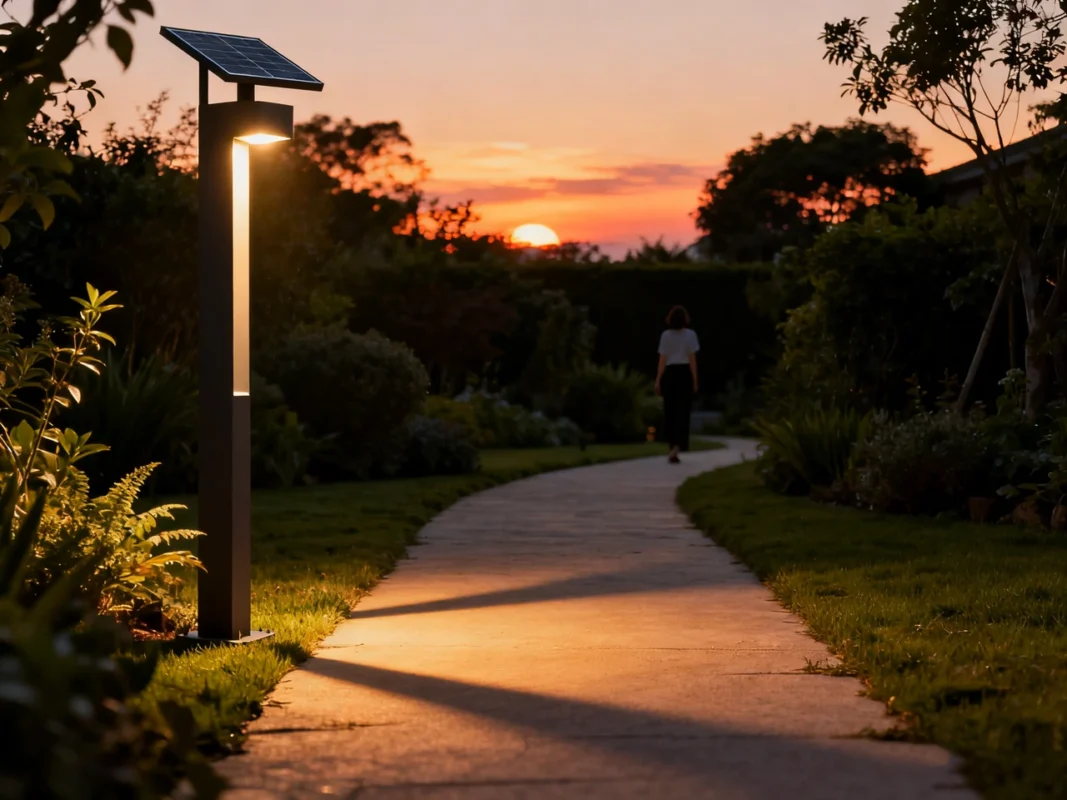
Key Components and Technical Basics
A high-quality solar lamp and post is more than just a light fixture; it’s a carefully engineered system designed to capture, store, and deliver energy efficiently while withstanding outdoor conditions. Understanding its components helps homeowners, landscapers, and DIY enthusiasts make informed decisions when choosing solar lighting lamp posts or upgrading existing setups.
Solar Panel and Charging Circuitry
At the heart of every solar lamp for lamp post is the solar panel. These panels convert sunlight into electricity, allowing the lamp to operate without being tethered to the grid. Solar panels come in several types: monocrystalline panels offer the highest efficiency, polycrystalline panels are cost-effective, and amorphous panels work well in low-light conditions.
Equally important is the charging circuitry, which manages the energy captured by the solar panel. It prevents overcharging, optimizes battery life, and ensures consistent illumination each night. When selecting solar lights for lamp post, it’s crucial to consider both panel efficiency and smart circuitry, as they directly impact brightness, runtime, and overall reliability.
Battery Types and Capacities
Batteries store the energy captured during the day to power the lamp at night. The type and capacity of the battery determine how long your solar lamp and post can stay illuminated, especially during cloudy days or long winter nights. Common battery types include NiMH (Nickel-Metal Hydride), Li-ion (Lithium-ion), and sealed lead-acid batteries. Each has its pros and cons: Li-ion batteries are lightweight and long-lasting, while NiMH is more cost-effective.
Capacity is measured in ampere-hours (Ah) or watt-hours (Wh), and choosing the right one ensures that your bulb solar lamp or larger post can maintain consistent brightness throughout the night without dimming prematurely.
LED Modules and Lumen Output
LEDs have revolutionized solar lights for lamp post, providing energy-efficient, long-lasting illumination. Unlike traditional bulbs, LEDs offer high brightness with minimal power consumption, which is essential for solar-powered systems. When selecting a solar lamp for lamp post, pay attention to lumen output, which measures the amount of light emitted.
For pathways, a 100–300 lumen output is typically sufficient, while driveways or security-focused areas may require 300+ lumens. High-quality LEDs also maintain their brightness over time, ensuring your solar pole lantern continues to perform reliably for years.
Control Electronics and Sensors
Modern solar lighting lamp posts often include intelligent control systems. Dusk-to-dawn sensors automatically turn the lamp on at sunset and off at sunrise, while motion sensors activate the light only when movement is detected, conserving energy. Some advanced models even feature dimming modes that adjust brightness based on available battery charge.
These features make solar lamp and post systems both convenient and efficient. They minimize wasted energy and extend battery life, making your investment more sustainable and user-friendly.
Housing, Enclosure, Weatherproofing, and Materials
Durability is key for outdoor lighting. A solar lamp and post must withstand rain, snow, wind, and UV exposure. Look for an IP (Ingress Protection) rating of IP65 or higher, which ensures the fixture is resistant to dust and water. The pole and housing materials also play a crucial role: aluminum, steel, or fiberglass poles provide stability, while impact-resistant plastics or treated metals protect the internal components.
Properly sealed solar lights for lamp post units prevent moisture ingress, corrosion, and mechanical damage, guaranteeing reliable performance year-round. High-quality construction is particularly important for retrofit projects, where a bulb solar lamp is installed in an older post that may already show signs of wear.
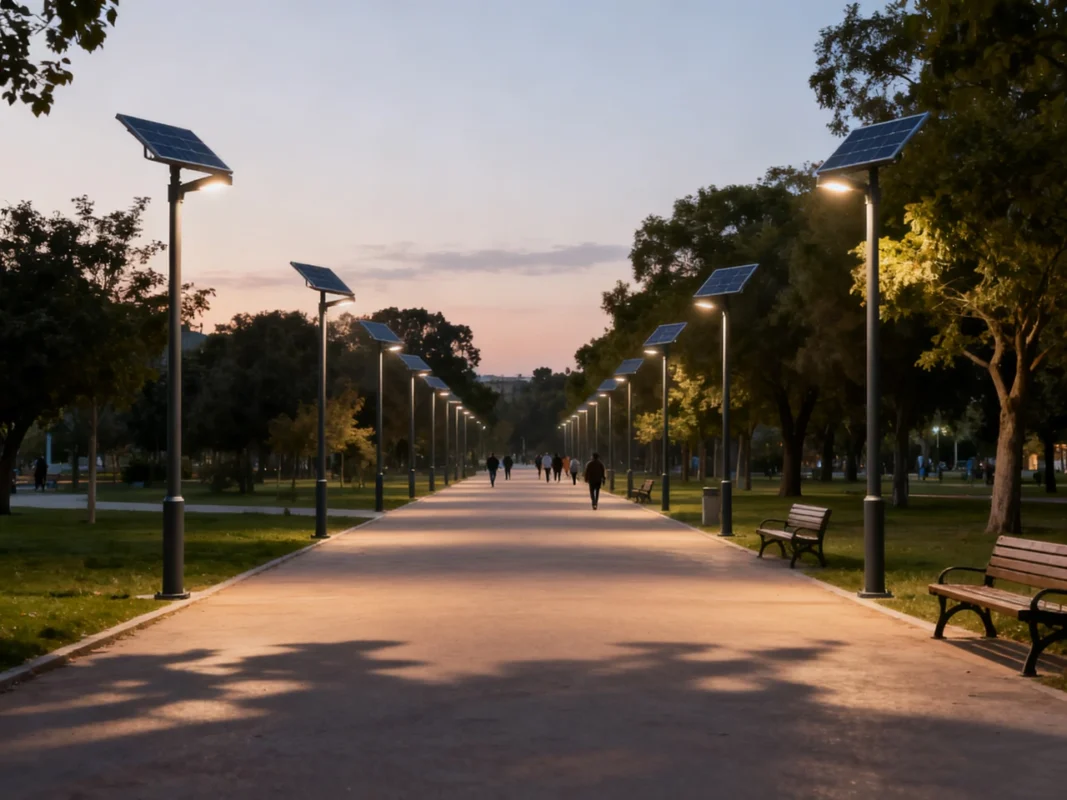
Lifespan, Reliability, and Maintenance
One of the most common questions homeowners ask when considering a solar lamp and post is: “How long will it actually last?” Understanding the lifespan, reliability, and maintenance requirements of your solar lighting system is essential for making a smart investment. Proper care ensures that solar lighting lamp posts continue to illuminate your outdoor spaces efficiently for years.
How Long Do Solar Lamp Posts Last?
On average, a solar lamp and post can last anywhere from three to ten years, depending on the quality of components, environmental conditions, and maintenance habits. LED modules tend to outlast other parts, often operating reliably for 25,000 to 50,000 hours. Batteries, however, are typically the limiting factor—they usually need replacement every two to five years.
Higher-end solar lights for lamp post units often include long-lasting lithium-ion batteries, which can significantly extend the life of your system. Understanding this helps set realistic expectations, especially for long-term projects like garden pathways, driveways, or commercial landscapes.
Degradation of Components
Even the best solar lamp for lamp post will experience some component degradation over time. Batteries naturally lose their ability to hold a charge, which may result in shorter illumination periods. Solar panels may gradually decrease in efficiency, particularly if they are exposed to dust, debris, or partial shading.
LEDs also experience lumen depreciation, meaning they slowly produce less light over time. However, in high-quality solar pole lanterns and modern solar lamp and post units, these changes are gradual and usually do not significantly affect daily performance for many years.
Maintenance Best Practices
Routine maintenance can dramatically extend the lifespan of your solar lamp and post. Some practical tips include:
- Cleaning Solar Panels: Dust, leaves, and snow can block sunlight, reducing charging efficiency. A gentle wipe with a soft cloth or sponge ensures panels operate at peak performance.
- Checking Battery Health: Regularly monitor battery performance and replace cells when output diminishes noticeably. High-quality replacement batteries for solar lights for lamp post are widely available.
- Inspecting Housing and Seals: Examine enclosures for cracks, corrosion, or water ingress. Properly sealed units prevent internal damage and prolong component life.
- Adjusting Positioning: Ensure panels are unobstructed from trees, fences, or other shadows that may appear seasonally.
Seasonal and Environmental Considerations
Environmental conditions can have a significant impact on a solar lamp and post’s reliability. Winter months or prolonged cloudy periods may reduce battery charging, leading to shorter illumination times. Similarly, areas with high humidity, heavy rainfall, or salty air may accelerate wear on metal components.
To maintain optimal performance, select solar lighting lamp posts rated for your local climate, position panels to maximize sunlight exposure, and perform seasonal checks. Even in challenging environments, well-designed solar lamp for lamp post units can continue to provide dependable illumination with proper care.
Retrofitting vs New Installation
When upgrading outdoor lighting, deciding between retrofitting an existing lamp post or installing a new solar lamp and post is a critical step. Each approach has advantages and limitations, and understanding them helps you maximize performance, aesthetics, and cost-effectiveness. Whether you are considering a simple bulb solar lamp upgrade or a full-scale solar pole lantern installation, informed choices make all the difference.
Can I Convert My Lamp Post to Solar?
Yes! Converting existing lamp posts to solar is not only possible but also increasingly popular. Homeowners can replace traditional electric bulbs with a solar lamp for lamp post or install an integrated solar unit atop the existing structure. The main factors to consider are:
- Sunlight Exposure: Your post must receive adequate direct sunlight throughout the day to charge the battery efficiently.
- Structural Integrity: The post should be sturdy enough to support the additional weight of a solar panel or integrated fixture.
- Fixture Compatibility: Ensure the solar unit fits securely on the existing post and that the lumen output meets your lighting needs.
Retrofitting allows you to preserve the aesthetic of your landscape while enjoying the benefits of solar lights for lamp post systems. It’s particularly suitable for historic or decorative posts where replacing the entire structure would be costly or disruptive.
Can I Put a Solar Light Bulb in an Old Lamp Post?
“Bulb solar lamps” provide a convenient alternative for retrofitting. These self-contained bulbs integrate a small solar panel, battery, and LED light into a single unit that can fit standard sockets. When choosing a bulb solar lamp, consider:
- Socket Type: Confirm compatibility with your existing post (e.g., E26/E27).
- Brightness: Ensure the lumen output is sufficient for your desired application.
- Panel Exposure: Bulbs with integrated solar panels need access to sunlight, which may require placement adjustments.
This solution is ideal for homeowners seeking a low-effort upgrade without replacing the entire post. It also allows you to test solar lighting’s effectiveness before committing to a full installation.
Full Solar Lamp Post vs Hybrid / Solar-Assisted Posts
When installing new lighting, you have two main options:
- Full Solar Lamp and Post: These integrated units combine solar panels, batteries, and LEDs in one fixture. They are simple to install, require no wiring, and are self-contained. A solar pole lantern is a typical example, offering both functional lighting and decorative appeal.
- Hybrid / Solar-Assisted Posts: These combine solar power with grid electricity. They are useful in areas with limited sunlight or for high-traffic pathways requiring consistent illumination. Hybrid systems can extend runtime and offer a backup solution in cloudy conditions, though they are generally more expensive and involve some wiring.
Both approaches have benefits, but a fully integrated solar lamp and post is often the easiest and most cost-effective choice for residential projects. Hybrid systems, on the other hand, may be preferable for commercial or large-scale installations where maximum reliability is critical.
Key Considerations for Retrofitting or New Installation
Whether retrofitting or installing new, keep the following in mind:
- Location and Sunlight: Proper placement is critical for battery efficiency. Avoid shaded areas whenever possible.
- Design and Aesthetics: Choose solar lights for lamp post units or solar pole lanterns that complement your landscape design.
- Height and Coverage: Ensure the post height and lumens provide adequate illumination for pathways, driveways, or garden areas.
- Maintenance Access: Even though solar systems are low-maintenance, make sure you can reach the panels and bulbs for periodic cleaning or battery replacement.
By carefully considering these factors, you can ensure that both retrofitted and new solar lamp and post installations deliver reliable, long-lasting, and visually appealing outdoor lighting.
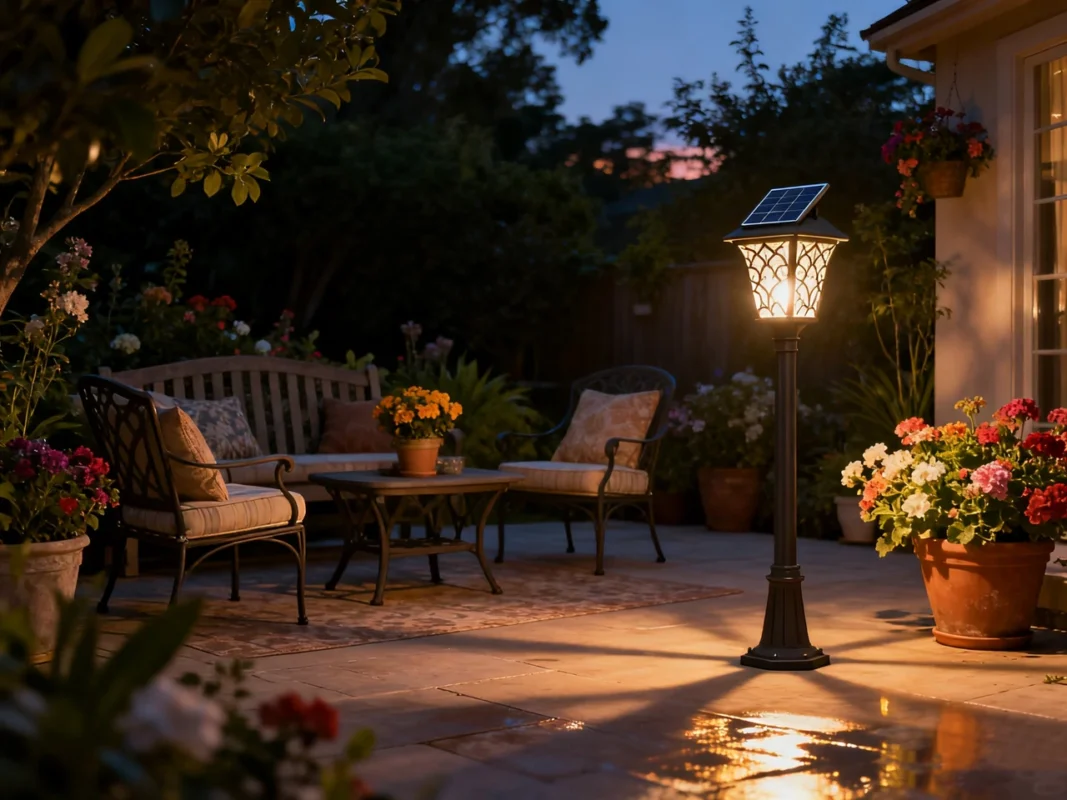
Choosing the Right Solar Lamp Post
Selecting the ideal solar lamp and post is more than picking a design that looks nice—it’s about matching performance, reliability, and aesthetics to your outdoor space. With so many options on the market, understanding the key factors ensures you choose a solar lighting lamp post that not only illuminates effectively but also lasts for years. Here’s a comprehensive guide to help you make an informed decision.
Assessing Required Brightness and Lumens
Brightness is one of the most important factors when choosing a solar lamp for lamp post. Lumen output indicates how much light a fixture emits, and selecting the right level ensures your outdoor spaces are safe and inviting.
- Accent Lighting: For gardens or decorative posts, 50–100 lumens may suffice.
- Pathways and Walkways: 100–300 lumens provides adequate illumination without being overpowering.
- Driveways or Security Areas: 300+ lumens may be needed to ensure visibility and safety.
When selecting solar lights for lamp post, consider both the area you need to illuminate and the spacing between posts. Using fixtures with insufficient lumens can leave dark spots, while overly bright posts can cause glare and energy waste.
Matching Battery Capacity and Runtime
The battery is the lifeline of your solar lamp and post. Higher-capacity batteries store more energy, extending nighttime illumination, even during cloudy days or winter months. Before buying a solar lamp for lamp post, check the battery specifications and compare them to your expected usage.
For long driveways or pathways, choose units with larger batteries or multiple panels to ensure consistent performance. Similarly, solar pole lanterns designed for extended runtime are ideal for areas that require all-night lighting.
Choosing Control Modes and Sensors
Modern solar lighting lamp posts often include sensors that add convenience and energy efficiency. Dusk-to-dawn sensors automatically switch the light on at sunset and off at sunrise, while motion sensors activate the lamp only when movement is detected.
For example, a bulb solar lamp with a motion sensor can light up a pathway only when someone walks by, conserving energy and prolonging battery life. Meanwhile, a dusk-to-dawn solar lights for lamp post fixture ensures continuous illumination without manual intervention. Choosing the right sensor depends on your specific application and desired level of automation.
Mounting Options: Poles, Posts, and Fences
Placement matters. Solar lamp and post units can be mounted on traditional posts, garden poles, fences, or custom structures. When deciding on mounting, consider:
- Height: Higher posts cover more area but may require stronger poles for stability.
- Sunlight Exposure: Panels must be unobstructed to capture maximum sunlight.
- Surface Type: Poles should be anchored securely on soil, concrete, or wooden surfaces.
For homeowners looking to add a decorative touch, solar pole lanterns are particularly versatile, providing both functional lighting and aesthetic appeal.
Aesthetic and Design Considerations
While functionality is key, design matters too. Choose a solar lamp for lamp post that complements your outdoor style. Traditional lantern shapes bring classic charm, while sleek modern designs enhance contemporary landscapes. Additionally, color temperature affects ambiance—warm white light creates a cozy atmosphere, whereas cool white highlights pathways and security areas.
When selecting solar lights for lamp post, consider how they integrate with existing fixtures, garden features, and architectural elements to create a cohesive outdoor lighting scheme.
Practical Tips for Choosing the Right Model
- Check Warranty and Reviews: Reliable manufacturers often provide warranties and positive user feedback, reflecting quality and durability.
- Evaluate IP Ratings: Ensure the fixture is weatherproof, with IP65 or higher ratings for outdoor resilience.
- Compare Features: Consider adjustable brightness, sensor modes, battery type, and solar panel size.
- Test Before Full Installation: For retrofits, try a single bulb solar lamp to assess brightness and sunlight exposure.
By carefully considering these factors, your chosen solar lamp and post will provide consistent, efficient, and attractive lighting for years to come.
Installation Steps and Best Practices
Installing a solar lamp and post may seem intimidating at first, but with the right approach, it can be a straightforward and rewarding project. Proper installation ensures your solar lighting lamp post operates efficiently, lasts longer, and delivers consistent brightness. Whether you’re setting up a new solar lamp for lamp post or retrofitting an existing one with a bulb solar lamp, following best practices is essential for optimal performance.
Pre-Installation Preparation
Before you even touch a wrench, planning is key. Start by surveying your site:
- Sunlight Exposure: Ensure the location receives ample direct sunlight during the day. Solar panels perform best when unshaded by trees, fences, or structures.
- Spacing and Coverage: Measure the distance between posts to avoid uneven illumination. For pathways, posts spaced 8–12 feet apart often provide balanced lighting.
- Height Considerations: Determine the appropriate height for your solar pole lantern or lamp post. Taller posts cover larger areas but may require sturdier mounting.
Investing time in pre-installation planning reduces headaches later and ensures your solar lights for lamp post system delivers maximum efficiency.
Mounting and Securing the Post
The next step is mounting. For new posts, dig a secure hole and anchor the base firmly in soil or concrete. If retrofitting, ensure the existing post is stable enough to support the weight of your solar lamp and post unit.
- Leveling: Make sure the post is perfectly vertical to avoid tilting or uneven lighting.
- Fastening: Use durable screws or bolts appropriate for outdoor use to secure the fixture. Stainless steel hardware is recommended to prevent corrosion over time.
Proper mounting prevents wobbling, ensures sunlight exposure for the solar panel, and reduces the risk of weather-related damage.
Positioning Solar Panels for Optimal Sun
Correct panel placement is crucial for performance. Even the best solar lamp for lamp post will underperform if panels are shaded or misaligned. Key tips include:
- Orientation: In the northern hemisphere, panels should generally face south for maximum sunlight.
- Tilt Angle: Adjust the panel angle to match your latitude, which maximizes energy absorption year-round.
- Avoid Obstructions: Trim nearby branches or adjust post placement to prevent shadows on the panel.
For solar pole lanterns or units on decorative posts, sometimes creative positioning is required to balance aesthetics and functionality.
Testing, Commissioning, and Adjustment
Once installed, it’s important to test the system. Allow the battery to fully charge in sunlight before the first night of operation. Check that the light activates as expected—either through a dusk-to-dawn sensor or motion detection.
- Adjust Sensors: If your solar lights for lamp post have motion sensors, test them from different distances and angles to ensure proper response.
- Verify Brightness: Confirm that the lumen output provides adequate illumination without glare or dark spots.
Fine-tuning ensures your solar lamp and post functions efficiently and provides consistent safety and ambiance.
Troubleshooting Common Issues
Even with proper installation, minor issues can arise. Common challenges include:
- Dim Light: Often caused by insufficient sunlight, dusty panels, or low battery charge. Cleaning panels or repositioning the post usually solves this.
- Sensor Malfunction: Motion or dusk-to-dawn sensors may require recalibration or slight repositioning to detect movement or changes in light accurately.
- Loose Fixtures: Outdoor elements like wind or frost can loosen screws. Regular checks and tightening are recommended.
Following these troubleshooting tips ensures your solar lamp for lamp post continues to perform reliably for years.
Additional Best Practices
- Routine Cleaning: Keep solar panels free of dust, leaves, and debris.
- Battery Replacement: Plan to replace batteries every 2–5 years, depending on type and usage.
- Seasonal Inspection: Check for weather-related damage after storms or heavy snowfall.
- Avoid Overloading: Don’t attach extra fixtures or decorations that could block sunlight or strain the post.
By adhering to these installation and maintenance practices, your solar lamp and post system will remain efficient, durable, and visually appealing throughout its lifespan.
Cost, ROI, and Value Considerations
Investing in a solar lamp and post isn’t just about buying a light—it’s about weighing costs, returns, and long-term value. Understanding the financial and practical implications helps homeowners make informed choices and ensures that solar lighting lamp posts provide maximum benefits over their lifespan.
Upfront Cost vs Lifetime Cost
The initial price of a solar lamp for lamp post can be higher than traditional wired alternatives. High-quality solar lights for lamp post or decorative solar pole lanterns often feature durable materials, efficient batteries, and reliable LEDs, which contribute to their cost. However, unlike conventional electric lamp posts, solar units draw energy from sunlight at no cost. Over time, the elimination of electricity bills can offset the upfront expense.
For example, a single solar lamp may cost $100–$200, whereas the electricity it replaces over five years could amount to $150–$300 in savings. When scaled across multiple posts, the financial benefit becomes even more compelling.
Payback Period and Total Cost of Ownership
Calculating the payback period helps determine the real value of your investment. Factors influencing payback include:
- Energy Savings: How much electricity is offset by solar operation.
- Maintenance Costs: Frequency of battery replacement, cleaning, and repairs.
- Lifespan: How long the solar lamp and post will last before significant component replacement.
A high-quality solar lamp for lamp post typically pays for itself within 3–5 years. After this period, the electricity savings essentially become profit, making the total cost of ownership much lower than traditional alternatives.
Value-Add and Property Appeal
Beyond energy savings, solar lights for lamp post enhance property value. Well-lit pathways, driveways, and gardens improve safety, reduce the risk of accidents, and make the home more visually appealing. Decorative solar pole lanterns can even serve as focal points, elevating landscape design and curb appeal.
For sellers, buyers often appreciate sustainable, energy-efficient upgrades like solar lamp and post units. This eco-conscious feature can make a home stand out in competitive real estate markets.
Incentives, Rebates, and Tax Credits
Many regions offer incentives to encourage renewable energy adoption. Depending on your location, you may qualify for rebates or tax credits when installing solar lighting lamp posts. These incentives can significantly reduce the upfront cost, improving return on investment.
Always check local regulations or utility programs before purchasing. Combining rebates with energy savings can make solar lamp for lamp post installations both financially and environmentally rewarding.
Practical Tips for Cost-Effective Decisions
- Compare Multiple Models: Look at lumen output, battery type, and weather resistance relative to price.
- Prioritize Quality: High-quality components reduce replacement and maintenance costs over time.
- Plan for Scale: Installing multiple solar lights for lamp post simultaneously may lower per-unit cost and maximize ROI.
- Consider DIY Installation: Proper planning and self-installation can reduce labor costs without compromising performance.
By carefully weighing initial costs, operational savings, property value, and potential incentives, a solar lamp and post becomes a smart, long-term investment for both residential and commercial spaces.
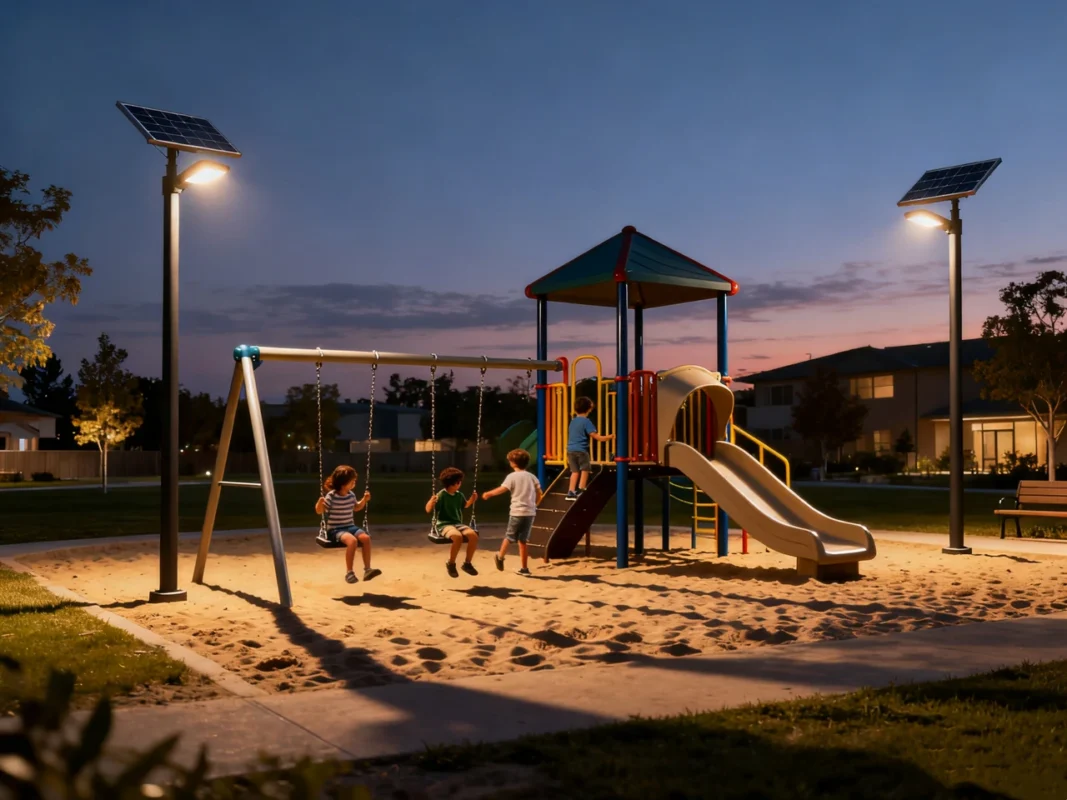
Limitations, Myths, and Risks
While solar lamp and post systems offer remarkable convenience, energy savings, and aesthetic appeal, it’s important to recognize their limitations and address common misconceptions. Understanding potential risks ensures homeowners make informed decisions and maintain realistic expectations for solar lighting lamp posts.
Do Solar Lamps Really Work?
Yes, they absolutely do—but performance depends on several factors. A solar lamp for lamp post needs sufficient direct sunlight to charge its battery fully. In shaded areas, densely wooded properties, or locations with prolonged cloudy weather, illumination may be reduced. High-quality solar lights for lamp post with efficient panels and smart battery management systems, however, reliably light up pathways, driveways, and gardens night after night.
Real-world experience confirms that, when installed correctly, solar pole lanterns provide consistent brightness, making them a dependable alternative to traditional wired posts.
Limitations in Winter, Shading, and Cloudy Regions
Environmental conditions can influence performance. Shorter daylight hours, snow coverage, and persistent cloudiness may limit energy capture, resulting in shorter illumination periods. Similarly, shaded locations under trees or next to buildings can reduce battery charging efficiency.
To mitigate these issues, choose a solar lamp and post with a higher-capacity battery or a larger solar panel, and position it to maximize sun exposure. Regular maintenance, such as clearing snow or debris from panels, also ensures consistent performance throughout the year.
Risk of Component Failure or Vandalism
Although robustly built, solar lighting lamp posts can be subject to wear, accidental damage, or vandalism. Common risks include:
- Battery Degradation: Batteries naturally lose capacity over time, typically requiring replacement every 2–5 years.
- Panel Damage: Hail, falling branches, or debris can crack panels or reduce efficiency.
- Physical Damage: Posts in high-traffic areas or public spaces may suffer knocks or tipping.
Choosing high-quality materials, proper installation, and secure anchoring helps minimize these risks. For decorative solar pole lanterns or retrofitted bulb solar lamps, occasional inspection and maintenance are sufficient to prevent serious damage.
Myths Debunked
Several misconceptions about solar lights for lamp post persist:
- “They don’t work in winter.” While reduced sunlight can impact runtime, modern units with efficient batteries still provide reliable illumination.
- “Solar lamps are dim compared to wired lights.” High-quality LEDs in solar lamp and post units deliver brightness comparable to traditional posts.
- “They’re low quality and short-lived.” Premium solar units are designed to last 5–10 years or more with minimal maintenance, providing dependable long-term performance.
Understanding the facts helps homeowners make informed choices, avoid disappointment, and enjoy the full benefits of solar lighting lamp posts.
Practical Advice to Minimize Limitations
- Select Quality Components: Choose solar panels, batteries, and LEDs from reputable manufacturers.
- Optimal Placement: Ensure sunlight exposure and avoid obstructions for panels.
- Regular Maintenance: Clean panels, check battery health, and inspect housings periodically.
- Consider Hybrid Options: In challenging climates, hybrid or solar-assisted posts provide backup power when sunlight is insufficient.
By acknowledging limitations and debunking myths, homeowners can enjoy the benefits of solar lamp for lamp post systems confidently and maximize both performance and longevity.
Summary and Recommendations
Solar lamp and post systems are versatile, eco-friendly, and aesthetically pleasing. Whether upgrading an old post with a bulb solar lamp, installing new solar pole lanterns, or planning a full outdoor lighting scheme, careful selection, proper installation, and regular maintenance will ensure years of efficient illumination. Choose units with appropriate brightness, battery capacity, and weatherproofing to maximize value and enjoyment.
Frequently Asked Questions
Are solar lamp posts worth it?
Yes, solar lamp and post systems are worth it for most homeowners. They offer energy savings, low maintenance, and environmental benefits while enhancing outdoor aesthetics and safety. Over time, the electricity saved and minimal upkeep make them a cost-effective alternative to traditional wired posts. Solar lights for lamp post also add value to properties, making them a smart long-term investment.
How long do solar lamp posts last?
The average lifespan of a solar lamp and post ranges from 3 to 10 years, depending on battery quality, panel efficiency, and maintenance. LED modules often last longer than batteries, which may need replacement every 2–5 years. Proper care, such as cleaning panels and inspecting housings, can extend the lifespan significantly.
Can I convert my lamp post to solar?
Absolutely. Existing lamp posts can be retrofitted with solar lamp for lamp post units or bulb solar lamps. Ensure adequate sunlight exposure, structural stability, and fixture compatibility. Retrofitting allows you to upgrade lighting without replacing the entire post, making it a convenient and eco-friendly solution.
Do solar lamps really work?
Yes, modern solar lighting lamp posts work reliably when properly installed. High-quality panels, batteries, and LEDs ensure consistent illumination. Performance depends on sunlight exposure, panel orientation, and battery health, but most systems provide effective lighting for pathways, gardens, driveways, and security areas.
Can I put a solar light bulb in an old lamp post?
Yes, “bulb solar lamps” are designed for easy retrofit. These self-contained units integrate a solar panel, battery, and LED into a single bulb that fits standard sockets. Check compatibility with your socket type, sunlight availability, and lumen requirements before installation.
Can you replace outdoor light bulbs?
Yes, replacement is possible. In hybrid or traditional posts, you can swap out bulbs for compatible LEDs or solar alternatives. When replacing bulbs in a solar lamp and post, always ensure they are rated for outdoor use and match the fixture’s voltage and socket type.
Do you have to use special bulbs for outdoor lights?
Yes, outdoor lighting requires bulbs rated for damp or wet conditions. Using the correct bulb prevents damage from moisture, weather, and temperature fluctuations. For solar lights for lamp post, LED modules are typically integrated and specifically designed for outdoor environments, reducing the need for separate bulb selection.
How do I know what replacement bulb I need?
Check the existing fixture’s specifications: socket type (E26/E27, GU10, etc.), voltage, and lumen output. Look for weatherproof ratings (IP65 or higher) for outdoor use. For retrofitted bulb solar lamps, ensure the unit fits the socket and receives sufficient sunlight for charging.
What is a solar pole lantern?
A solar pole lantern is a decorative solar lamp and post mounted on a pole. It combines energy-efficient LED lighting with integrated solar panels and batteries. These units are ideal for pathways, gardens, driveways, and accent lighting, offering both functional illumination and visual appeal.
How many lumens do I need for a solar lamp post?
• Accent lighting: 50–100 lumens
• Pathways and walkways: 100–300 lumens
• Driveways or security areas: 300+ lumens
Choosing the right lumen output ensures your solar lamp for lamp post provides adequate brightness without glare or dark spots.Can solar lamp posts work in cloudy regions?
Yes, but with some limitations. Solar panels will generate less power in overcast conditions, which can reduce runtime. Choosing solar lights for lamp post with high-capacity batteries or larger panels mitigates this issue. Hybrid or solar-assisted options can also provide consistent lighting in low-sunlight areas.
How do I maintain a solar lamp and post?
Regular maintenance includes:
• Cleaning solar panels to remove dust or debris
• Inspecting battery health and replacing when needed
• Checking housings for water ingress or corrosion
• Ensuring posts remain secure and upright
Routine maintenance helps your solar lamp and post perform optimally and extends its lifespan.