-42%
Select options
This product has multiple variants. The options may be chosen on the product page
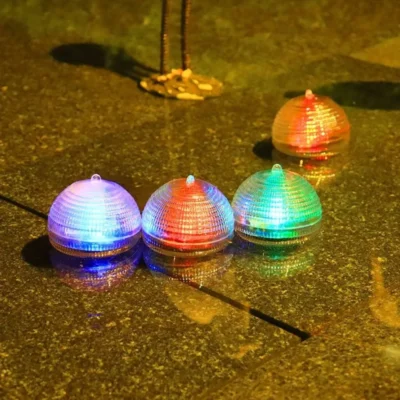
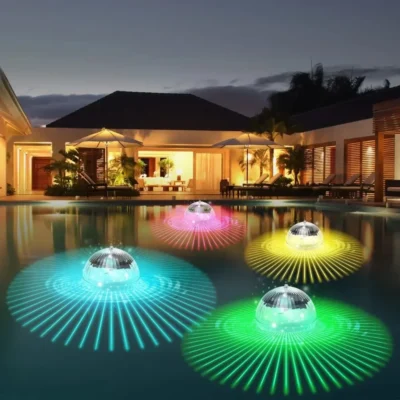
Waterproof Solar Floating Lights – LED Multi-Color Lamp for Fish Tank & Pool
$27.73 – $277.14Price range: $27.73 through $277.14-39%
Select options
This product has multiple variants. The options may be chosen on the product page
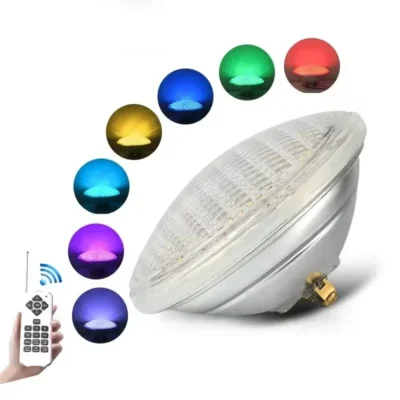
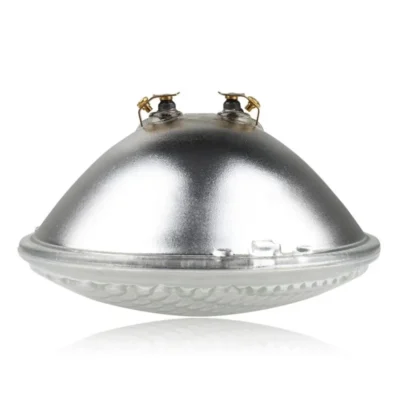
LED Pool Light PAR56 18W/36W/54W – RGB & White Underwater Swimming Pool Light 12Vac
$69.22 – $98.88Price range: $69.22 through $98.88-46%
Select options
This product has multiple variants. The options may be chosen on the product page
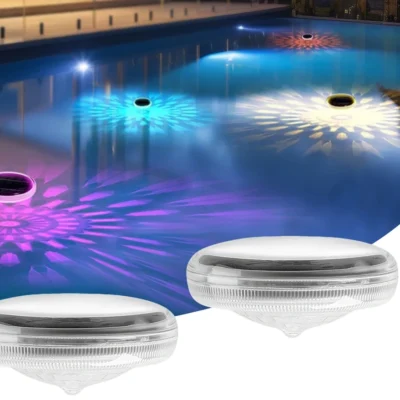
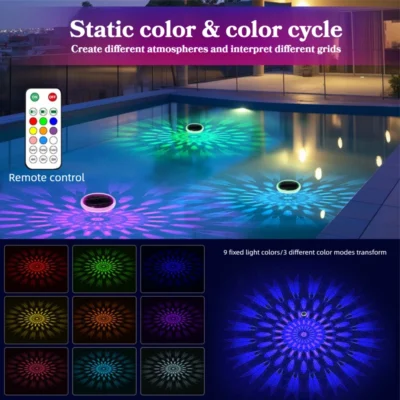
Solar Floating Pool Light – Color Changing, IP67 Waterproof, Remote Control, 9 Modes
$23.83 – $69.76Price range: $23.83 through $69.76-47%
Select options
This product has multiple variants. The options may be chosen on the product page
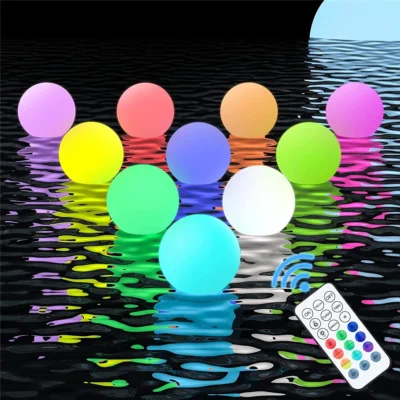
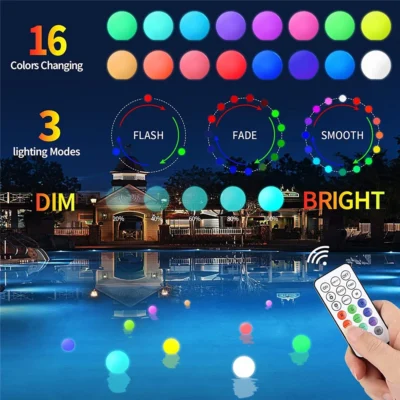
LED Floating Pool Light – 16 Colors, Remote Control, Outdoor Swimming Pool & Garden Decor
$22.98 – $76.08Price range: $22.98 through $76.08Why Proper Pool Lighting Matters
Safety & Visibility Benefits
Good lighting is the first layer of protection for any pool. Clear illumination lets swimmers see steps, ladders, and the pool’s edge, helping prevent slips or missteps after sunset. Well-placed pool lights also make it easier to monitor children and guests in the water. When your pool is evenly lit, it eliminates harsh shadows that can obscure depth perception and potential hazards.
Aesthetic & Ambience Enhancements
Pool lights dramatically transform how an outdoor space feels after dark. Soft white light gives a calm, spa-like ambiance, while vibrant colors can create a party atmosphere or accent architectural features. The reflection of pool lights on the water adds depth and motion, turning an ordinary backyard into a relaxing evening retreat. The right lighting plan can elevate your landscape design and make your pool area feel luxurious, even without costly renovations.
Energy Efficiency and Long-Term Cost Savings
Today’s pool lights combine performance with efficiency. LED options consume up to 80–90% less energy than traditional bulbs, producing more light with less heat. That means lower electricity bills and fewer replacements over time. Because quality fixtures last longer and require less upkeep, investing in durable, energy-efficient pool lights pays off in the long run — both environmentally and financially.
Types of Pool Lights
LED Pool Lights
LED pool lights have become the preferred choice for most pool owners — and for good reason. They are energy-efficient, long-lasting, and offer brilliant illumination with minimal heat output. LEDs can produce a wide range of colors, often controlled remotely or through automated systems. Because they use less electricity and last for many years, LED pool lights are both eco-friendly and cost-effective.
Halogen Pool Lights
Before LEDs became popular, halogen pool lights were the standard. They provide strong, warm light but consume more energy and generate more heat. Halogen bulbs tend to burn out faster, meaning you’ll replace them more often. However, they can still deliver consistent brightness and may suit older pools not yet converted to LED systems.
Fiber Optic Pool Lights
Fiber optic pool lights are valued for their safety and design flexibility. The light source sits outside the pool, while fibers carry the illumination into the water. This setup keeps all electrical components away from the pool itself, minimizing risk. Fiber optics also make it easy to add dynamic color effects or creative patterns that highlight steps, edges, and water features.
Solar Pool Lights
For those looking to minimize energy costs, solar pool lights offer a sustainable option. These lights harness the power of the sun during the day and illuminate the pool area at night. While solar lights typically provide softer illumination, they are easy to install and ideal for accent lighting along the pool perimeter or landscape.
Floating Pool Lights
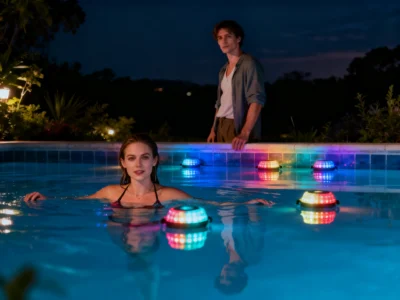
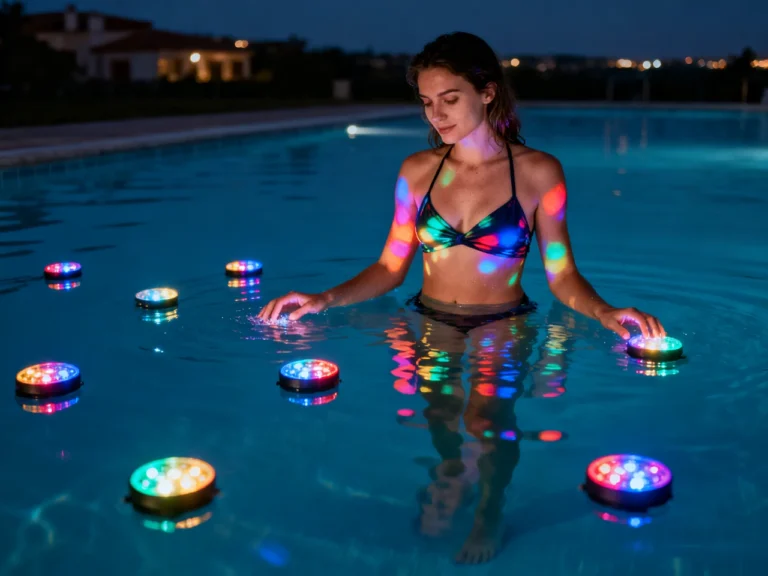
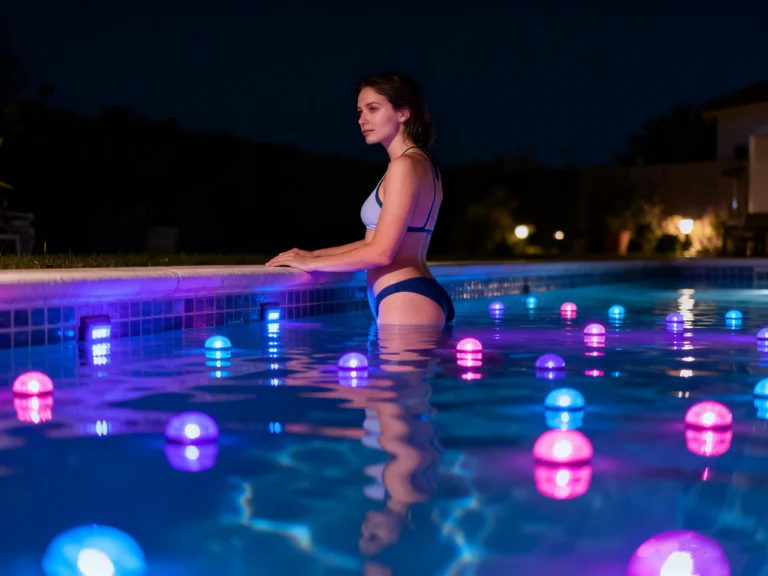
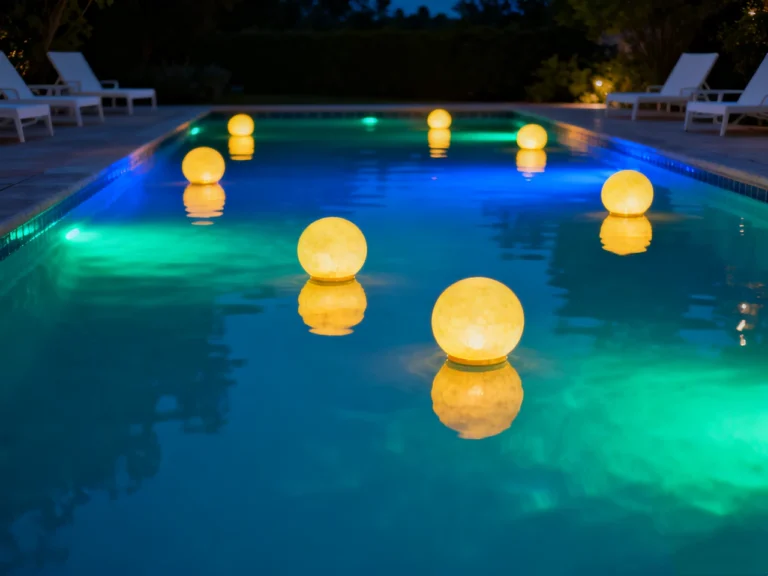
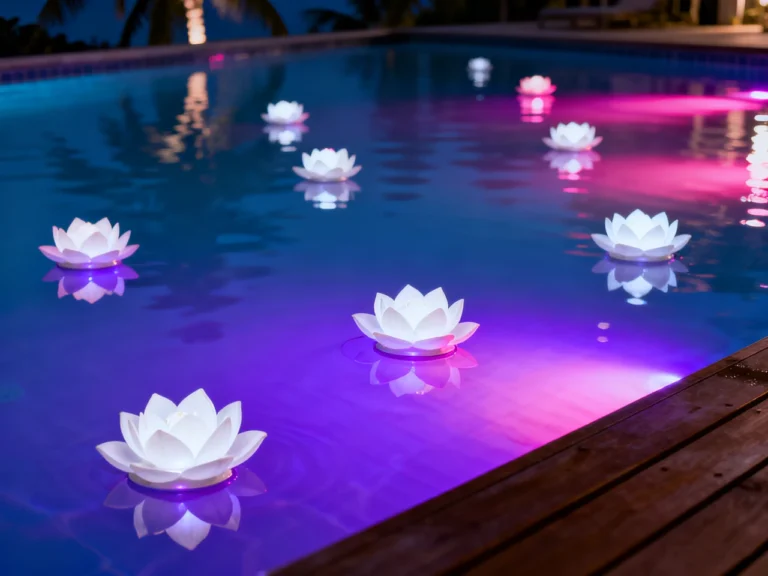
Floating pool lights add a fun, decorative touch to the water surface. Available in various shapes, colors, and brightness levels, they’re perfect for parties or seasonal ambiance. Most models are battery-powered or solar-charged, giving you flexibility without wiring.
Benefits of LED Pool Lights
Exceptional Energy Efficiency
One of the biggest advantages of LED pool lights is their energy efficiency. They consume up to 80% less electricity than halogen or incandescent bulbs while producing the same or even greater brightness. This lower energy draw translates directly into reduced monthly utility bills, making LED lights a smart choice for both your wallet and the environment.
Long Lifespan and Durability
LED pool lights are engineered to last significantly longer than traditional lighting. Many models can operate for 25,000 to 50,000 hours before needing replacement. This longevity means fewer bulb changes, less maintenance, and a reduced chance of mid-season burnout. The solid-state design of LEDs also makes them resistant to vibration and temperature fluctuations, ensuring reliable performance even in demanding pool conditions.
Superior Light Quality
LED technology provides crisp, vivid illumination that enhances the pool’s color and clarity. Unlike older bulbs that tend to fade or yellow over time, LEDs maintain consistent brightness and color output throughout their lifespan. This clear illumination improves visibility for nighttime swimming, making the pool safer and more enjoyable.
Color Variety and Customization
One of the most appealing features of LED pool lights is their ability to change colors. You can shift from a tranquil blue glow to a festive multicolor display in seconds. Many LED lights offer multiple color modes, gradual fades, or even synchronized light shows, allowing you to match the ambiance to your mood or event. This flexibility turns your pool into a visual centerpiece for any occasion.
Eco-Friendly Design
LED pool lights not only save energy but also have a smaller environmental impact. They use no harmful gases or materials and generate minimal heat, which reduces strain on your pool’s electrical components. Fewer replacements also mean less waste, making them a sustainable option for eco-conscious homeowners.
Safety and Low Heat Output
Because LEDs operate at a much cooler temperature, they significantly reduce the risk of overheating and electrical hazards. Their low-voltage design (typically 12V) adds an extra layer of safety, especially in underwater installations. This combination of brightness and security makes LED pool lights one of the safest lighting choices for residential pools.
Cost Savings Over Time
While LED pool lights may have a higher initial cost compared to halogen or incandescent bulbs, their longevity and low energy use quickly offset that investment. With fewer replacements and reduced energy consumption, homeowners often see substantial savings within just a few seasons of use.
Easy Installation and Maintenance
Many modern LED pool lights are designed for straightforward installation, and some can even be replaced without draining the pool. Once installed, maintenance is minimal thanks to their durable construction and long-lasting performance. You’ll spend less time on upkeep and more time enjoying your illuminated pool.
Enhanced Aesthetic Appeal
LED pool lights can completely transform the look of your pool area. Their sharp, customizable glow enhances architectural lines, water features, and landscaping. Whether you’re aiming for a luxurious spa feel or a vibrant party setting, LED lights provide the versatility to bring your vision to life.
Pool Light Buying Guide
Brightness and Beam Angle
The brightness of pool lights determines how well your swimming area is illuminated at night. Look for lights that offer strong, even coverage without producing glare. A wider beam angle helps disperse light more smoothly across the pool floor and walls, reducing dark spots and shadows.
Energy Efficiency
Modern pool lights are designed with efficiency in mind. LED models use a fraction of the electricity compared to halogen or incandescent options. The result? Lower energy bills and a smaller environmental footprint. If sustainability matters to you, prioritize energy-efficient lighting that provides powerful illumination with minimal waste.
Color Options and Control
Color-changing pool lights allow you to shift the mood of your pool with the touch of a button. Whether you prefer calming blues, vibrant reds, or soft whites, multiple color settings give flexibility for different occasions. Some advanced pool lights offer remote or smartphone control, letting you adjust brightness, timing, and effects effortlessly.
Durability and Waterproof Rating
Since pool lights operate in a demanding environment, durability is critical. Choose fixtures that are fully waterproof (rated IP68 or higher) and made with corrosion-resistant materials. A strong seal ensures the light can withstand constant water pressure, temperature fluctuations, and pool chemicals.
Voltage Compatibility
Pool lighting typically runs on either 12V (low voltage) or 120V (line voltage). Low-voltage systems are often safer and easier to maintain, while higher-voltage systems can produce stronger illumination. Always check your pool’s electrical setup before purchasing to ensure compatibility and safety compliance.
Ease of Installation and Maintenance
Some pool lights can be easily replaced without draining the pool, while others require more technical expertise. If you prefer a hands-off approach, consider fixtures designed for simple installation and long-term reliability. A sealed design helps minimize maintenance and reduces the need for frequent bulb replacements.
Lifespan and Warranty
The longevity of your pool light directly affects its cost-effectiveness. LEDs can last 25,000–50,000 hours, far surpassing halogen bulbs. Look for products that include a solid warranty, as it reflects confidence in quality and performance.
Aesthetic Integration
Your pool lighting should complement your landscape and architectural style. Recessed lights offer a sleek, modern appearance, while floating or accent lights can highlight design features. A well-planned lighting layout enhances both form and function, making the entire area more inviting.
How to Choose the Best Pool Light
Determine Your Pool Type
Your pool’s construction affects the type of pool light you can install. In-ground pools typically require built-in wall niches or wet-niche housings, while above-ground pools often use mounting kits or wall-mounted fixtures. Fiberglass, vinyl, and concrete pools each have specific installation needs, so identifying your pool type is the first step.
Assess Voltage and Wiring Compatibility
Pool lights typically operate at 12V (low voltage) or 120V (line voltage). Confirm the voltage of your existing system and whether it requires a transformer for low-voltage options. Installing an incompatible light can compromise safety and performance, so checking wiring compatibility is essential.
Decide on Brightness and Color Options
Determine how bright you want your pool light and whether you want color-changing features. High brightness improves nighttime visibility and safety, while multi-color LEDs provide aesthetic flexibility for events or ambient moods. Consider the size and depth of your pool when choosing the lumen output and beam spread.
Consider Maintenance and Replacement Needs
Some pool lights allow bulb replacement, while others require swapping the entire fixture. Look for lights that are easy to access and maintain without draining the pool if possible. Durable seals, corrosion-resistant materials, and long-lasting bulbs minimize future maintenance headaches.
Check Safety Certifications and Warranties
Ensure your pool light meets local safety standards, including waterproof ratings, grounding requirements, and electrical codes. A strong warranty indicates manufacturer confidence in durability and performance, providing peace of mind for your investment.
Evaluate Aesthetic Integration
Think about how the pool light complements your backyard or pool design. Recessed fixtures provide a modern, seamless look, while floating or accent lights can enhance features like steps, fountains, or landscaping. Choose a light that enhances both functionality and visual appeal.
Plan for Long-Term Use
Consider your lifestyle and how you’ll use the pool. If you host evening gatherings, a higher-output or color-changing light may be ideal. For quiet, casual swimming, a simple bright-white pool light could suffice. Matching your pool light to your long-term needs ensures satisfaction and cost-effectiveness.
Potential Drawbacks & Safety Considerations
Higher Upfront Cost
Quality pool lights, particularly LED models, often come with a higher initial price compared to halogen or incandescent bulbs. While the long-term benefits usually offset this cost, the upfront investment can be a barrier for some homeowners.
Fixture vs. Bulb Replacement
Some modern pool light designs are fully sealed, meaning you cannot replace the bulb independently. In these cases, a failure requires replacing the entire fixture, which can increase maintenance costs over time. It’s essential to understand whether the pool light allows simple bulb swaps or requires full replacement.
Corrosion and Water Intrusion
Even high-quality pool lights can fail prematurely if the housing or seals degrade. Constant exposure to pool chemicals, saltwater, and fluctuating temperatures can lead to corrosion, leaks, and compromised performance. Inspecting gaskets and housings regularly helps prevent unexpected failures.
Electrical Safety
Pool lights operate near or under water, which makes proper electrical installation critical. Key safety considerations include:
- Ensuring the correct voltage (typically 12V or 120V)
- Using ground fault protection (GFCI)
- Properly grounding all fixtures
- Confirming that wiring and transformers meet local code requirements
Incorrect installation can result in electric shock hazards or damage to the pool lighting system.
Heat Generation
While LED lights produce minimal heat, halogen or incandescent pool lights can generate significant warmth. Excessive heat may damage surrounding materials or pose a safety risk, especially in smaller or enclosed pools. Choosing the right technology reduces this concern.
Compatibility and Installation Challenges
Not all pool lights fit every pool type. In-ground, above-ground, concrete, vinyl, or fiberglass pools each have specific requirements for niche size, voltage, and mounting. Incorrect selection can lead to installation difficulties, reduced performance, or costly modifications.
Maintenance Requirements
Even with durable pool lights, ongoing maintenance is necessary. Failing to check seals, clean lenses, and inspect wiring may shorten the life of the fixture and compromise safety. A proactive maintenance routine prevents accidents and prolongs the performance of your pool lights.
Installation & Replacement of Pool Lights
When to Replace Pool Lights
Pool lights have varying lifespans depending on technology. Incandescent or halogen bulbs typically last 1–5 years, while LED pool lights can operate for 25,000–50,000 hours, often exceeding a decade of use. Signs it’s time to replace a pool light include flickering, dimming, water intrusion, discoloration, or visible corrosion. Waiting too long may increase maintenance costs and compromise safety.
DIY vs. Professional Installation
While some minor maintenance tasks can be performed by homeowners, installing or replacing pool lights often involves electrical work, proper sealing, and code compliance. A licensed electrician or pool-lighting professional ensures the light is installed safely and functions correctly, particularly when changing voltage types or retrofitting an older system.
Step-by-Step Replacement Process
- Power Off: Turn off the circuit breaker for the pool light and verify no power is flowing.
- Access the Fixture: Remove the pool light access panel or cover carefully.
- Inspect Housing: Check the niche, gasket, lens, and wiring for corrosion or leaks.
- Remove Old Light: Take out the existing bulb or fixture. Confirm voltage compatibility if replacing with an LED.
- Install New Light: Insert the new pool light or bulb, ensuring the gasket and seal are properly seated.
- Test and Secure: Restore power and test the light before securing the cover. Monitor for any water ingress over the next few days.
Do You Have to Drain the Pool?
Not always. Many modern pool light systems allow bulb or fixture replacement without draining the water (wet-niche style). Some older or less accessible designs may require partial draining, so always check the system requirements before starting.
Typical Costs
Replacing a pool light involves fixture costs and labor, with prices varying by pool type, access, and voltage. In-ground pools with sealed or LED fixtures may require higher investment than above-ground pools. Factoring in transformer upgrades, wiring adjustments, and labor ensures you budget appropriately for a safe and efficient installation.
Post-Installation Checks
After installing your pool light, inspect the lens, seals, and surrounding area regularly. Verify that the light functions correctly and that no moisture has entered the fixture. Routine checks help extend the lifespan of your pool light and maintain safe nighttime swimming conditions.
Pool Lighting Ideas & Placement Tips
Strategic Placement for Safety
Focus on areas where swimmers interact most, such as steps, ladders, shallow zones, and tanning shelves. Properly positioned pool lights enhance visibility and reduce the risk of accidents. Evenly spaced lighting prevents dark spots and shadows, ensuring that every corner of the pool is well-lit without causing glare in swimmers’ eyes.
Highlighting Water Features and Architectural Elements
Use pool lights to accentuate fountains, waterfalls, or unique pool shapes. Lighting reflections on the water can emphasize curves, edges, or textured surfaces, turning functional illumination into a design statement. Creative placement helps integrate pool lights seamlessly with the surrounding landscape.
Color and Mood Effects
Consider color-changing LED pool lights to create different atmospheres. Soft blues and greens provide a calming effect for quiet evening swims, while vibrant reds, purples, or multi-color modes are ideal for entertaining. Adjusting light colors according to mood or occasion adds versatility and visual interest.
Integrating Pool Lighting with Landscape Design
Coordinate pool lights with deck lights, pathway illumination, or garden lighting to create a cohesive outdoor environment. A unified lighting design ensures the pool area feels integrated with the overall backyard aesthetic, enhancing both safety and ambiance.
Lighting for Entertaining vs. Everyday Use
For social gatherings, emphasize brightness, dynamic effects, and color variety to create a lively environment. For casual or family swimming, focus on evenly distributed, soft white illumination that ensures visibility without overwhelming the space.
Layered Lighting Approach
Combine different types of pool lights—wall-mounted, underwater, floating, and accent lights—for layered illumination. This technique allows you to highlight key areas, create depth, and control how light interacts with water, architecture, and surrounding landscaping.
Maintenance & Care for Pool Lights
Routine Seasonal Checks
Inspect your pool lights at the start and end of the swimming season. Look for signs of corrosion, water intrusion, or worn gaskets. Verify that the lights function correctly before the first swim and after winterizing the pool.
Cleaning Lenses and Fixtures
Mineral buildup, algae, and pool chemicals can cloud lenses over time. Gently clean the lens and housing with a non-abrasive cloth to maintain optimal brightness. Avoid harsh chemicals that can damage seals or the fixture surface.
Inspecting Gaskets and Seals
Seals and gaskets prevent water from entering the fixture. Regularly check for cracks, wear, or hardening, and replace them when necessary. A compromised seal can lead to water damage and electrical hazards.
Checking Wiring, Transformers, and GFCI Protection
Ensure all electrical components are in good condition. Inspect wiring connections, transformers, and test ground fault circuit interrupter (GFCI) protection. Flickering or intermittent lights may indicate a wiring issue rather than a bulb problem.
Managing Chemical and Saltwater Exposure
Pools with high chemical levels or saltwater systems can accelerate corrosion. Rinse external fixtures periodically, monitor water chemistry, and select corrosion-resistant pool lights to prolong life.
Upgrading vs. Repairing
If a pool light is older, dimming, or uses outdated technology, consider upgrading to LED or a newer fixture. This can be more cost-effective than frequent repairs while providing brighter, energy-efficient illumination.
Documenting Maintenance
Keep a log of inspections, bulb replacements, and any repairs. Tracking maintenance helps predict when future replacements will be necessary and ensures the pool lights continue to perform reliably.
Frequently Asked Questions
1. How to maintain pool lights?
Regular maintenance includes cleaning lenses, inspecting gaskets and seals, checking wiring and transformers, and ensuring there is no water intrusion. Seasonal inspections before opening and after closing the pool help maintain brightness and extend lifespan.
2. What are the benefits of LED pool lights?
LED pool lights offer energy efficiency, long lifespan, lower heat output, color-changing options, and reduced maintenance, making them ideal for both residential safety and ambiance.
3. What are the safety considerations for pool lights?
Safety considerations include proper voltage selection, using ground fault circuit interrupter (GFCI) protection, ensuring waterproof seals, preventing corrosion, and following local electrical codes.
4. What are the features of pool lights?
Key features include voltage, brightness/lumens, color options, material durability, water and corrosion resistance, ease of maintenance, and compatibility with pool type and niche.
5. How to change a pool light bulb?
Turn off the power, remove the access cover, inspect the housing, replace the bulb or fixture, reseal the gasket, restore power, and test the light before closing the panel.
6. What is the best lighting for a swimming pool?
LED pool lights are generally the best option due to energy efficiency, long lifespan, brightness, and design flexibility, though halogen or fiber optic options may suit specific needs.
7. Are most pool lights 12V or 120V?
Many modern pool lights operate at low voltage (12V or 24V) for safety, while older systems may use 120V. Confirm compatibility with your pool’s electrical setup before upgrading.
8. Can I replace my pool light with an LED bulb?
Yes, if the fixture is compatible with LED technology in terms of voltage, size, and water resistance. In some cases, replacing the whole fixture may be required.
9. Do you have to drain water to replace a pool light?
Not always. Many wet-niche or accessible designs allow replacement without draining the pool, though some older installations may require partial draining.
10. Are LED pool lights worth the money?
Yes. Despite a higher upfront cost, LEDs save energy, require fewer replacements, and offer customizable colors and effects, delivering long-term value.
11. How do I know what pool light to buy?
Consider pool type, voltage, niche size, desired brightness and color options, ease of maintenance, and long-term usage requirements.
12. Do you need an electrician to change a pool light?
For most installations, especially when wiring or voltage modifications are involved, hiring a licensed electrician ensures safety and compliance with electrical codes.
13. How much should it cost to change a pool light?
Costs vary based on pool type, fixture, and labor. Replacing a typical in-ground pool light can range from hundreds of dollars, including parts and installation.
14. What causes pool lights to fail prematurely?
Common causes include water intrusion, corrosion, overheating, poor installation, damaged gaskets, or electrical issues with wiring or transformers.
15. Can pool lights be used in saltwater pools?
Yes, but they must be rated for saltwater exposure and corrosion-resistant. Regular inspection and maintenance are crucial to prevent damage from the more aggressive environment.
16. What color lighting is best for pool mood vs safety?
Bright white light provides the best visibility for safety, while blues, greens, or multi-color settings are ideal for creating mood and ambiance.
17. How many lights do I need for my pool?
The number of pool lights depends on size, shape, depth, and desired effect. Larger pools often require multiple lights to eliminate dark zones and ensure even coverage.
18. What maintenance steps should be done when winterizing a pool light?
Turn off power, inspect gaskets and seals, clean the lens, remove corrosion, and verify that wiring and transformer are in good condition to ensure lights remain functional for the next season.