
When it comes to illuminating your home efficiently and stylishly, few options match the versatility and cost-effectiveness of LED lights house solutions. From indoor string lights that transform your living room into a cozy haven to robust LED bars that highlight your kitchen countertops, understanding how LED lighting works—and how to use it smartly—is essential for both homeowners and renters aiming to save energy without sacrificing style.
Why Choose LED Lights for Your Home?
When deciding how to light your home efficiently, understanding the advantages of LED lights house setups is essential. LED lighting is no longer just a modern luxury—it’s a practical choice for energy-conscious homeowners who want reliable, long-lasting illumination without excessive costs. Below, we break down the key reasons to choose LED lighting and what you need to know before making the switch.
Understanding LED Light Energy Consumption
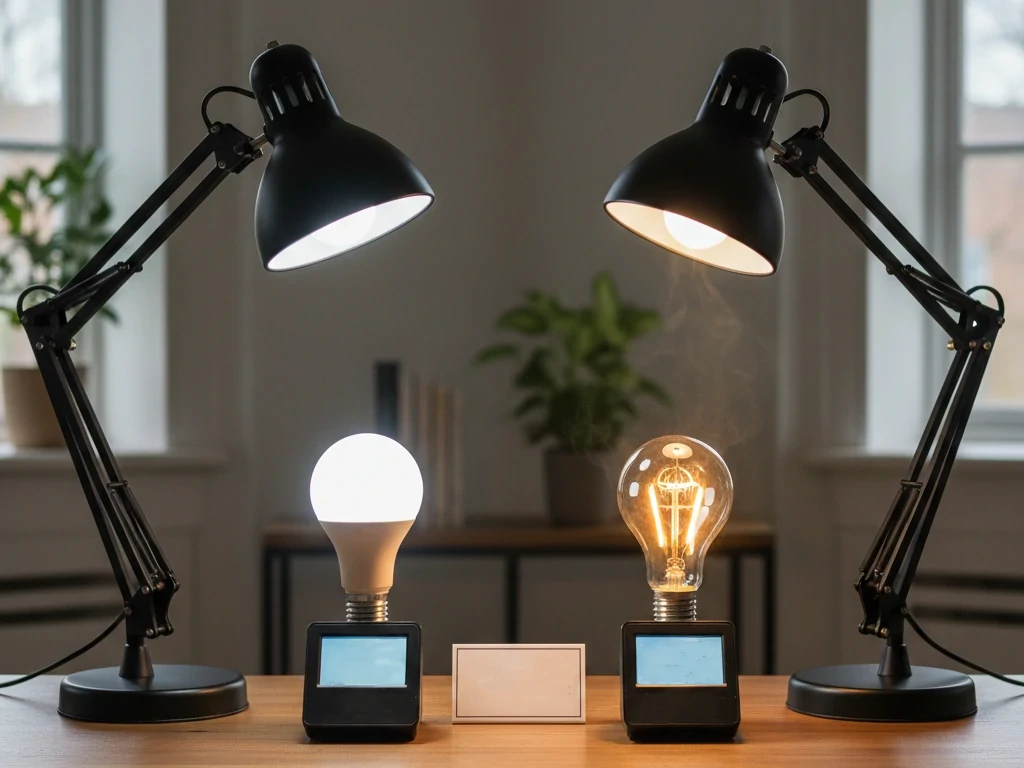
One of the primary reasons homeowners switch to LEDs is their impressive energy efficiency. Compared to incandescent or halogen bulbs, LEDs consume significantly less electricity to produce the same level of brightness. For example, a 10-watt LED bulb can generate the same light output as a traditional 60-watt incandescent bulb.
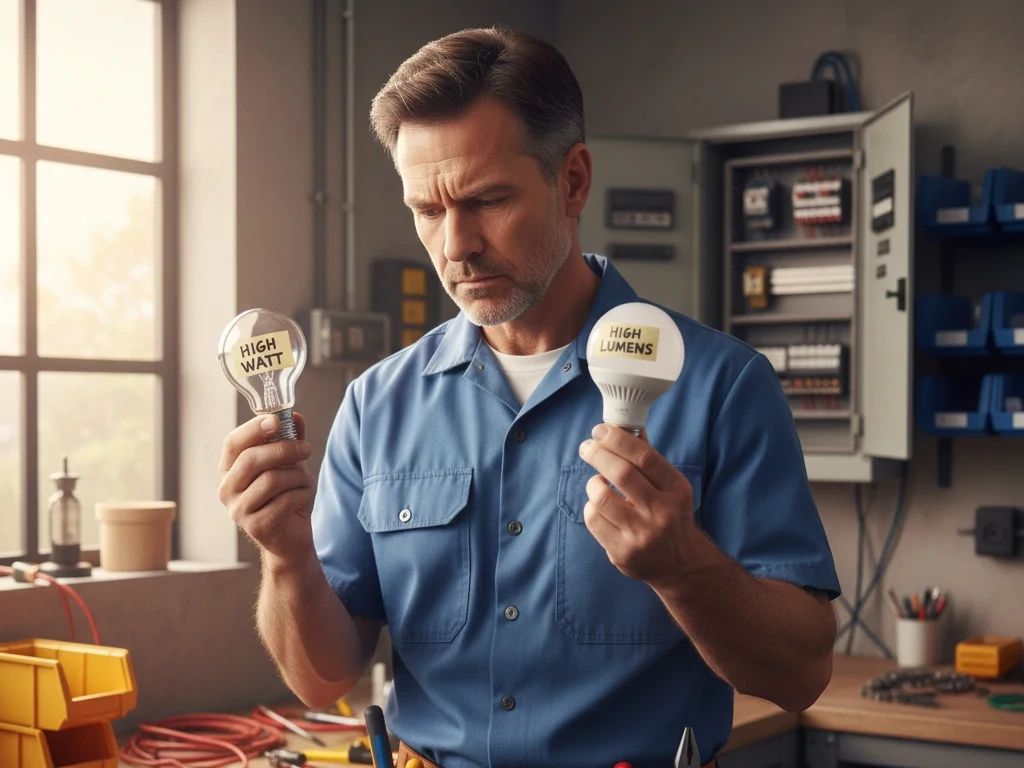
This low energy usage directly affects your electricity bill. Experts estimate that LED light energy consumption is 75–80% lower than traditional bulbs, meaning that even leaving lights on for extended periods results in minimal cost. When calculating energy use, it’s important to distinguish between watts (the power consumed) and lumens (the brightness produced). By choosing bulbs with higher lumens per watt, you get brighter light while keeping electricity usage low.
Benefits of LED Lights in a Residential Setting
LED lighting offers multiple advantages that make it ideal for homes:
- Longevity: LEDs can last anywhere from 25,000 to 50,000 hours, far exceeding traditional bulbs. This reduces replacement costs and ensures consistent lighting throughout the home.
- Cost-effectiveness: Even though the initial purchase might be slightly higher, the energy savings quickly offset upfront costs. Lower consumption means a smaller monthly electricity bill.
- Safety: LEDs produce minimal heat, reducing the risk of burns or fire hazards. This makes them safer for enclosed fixtures and areas where children or pets are present.
- Environmental impact: Reduced energy consumption translates to lower carbon emissions, making LEDs an eco-friendly choice for environmentally conscious households.
Using indoor string lights or LED bars strategically around the house can amplify these benefits while providing aesthetically pleasing illumination.
Potential Downsides of LED Lights
While LEDs are highly efficient, it’s important to be aware of their limitations:
- Color quality: Some LEDs emit a harsh blue light that can feel stark in living areas. Choosing warm-white or neutral-white tones can create a more comfortable environment.
- Compatibility: Certain dimmers or older light fixtures may not work properly with LED technology. It’s essential to check compatibility before installation.
- Initial cost: LEDs may cost more upfront than traditional bulbs. However, their energy efficiency and longevity usually offset the higher purchase price over time.
By understanding both the advantages and potential drawbacks, homeowners can make informed decisions about where and how to use LED bulbs for home effectively. Proper planning ensures that your LED lights house setup provides optimal illumination without unnecessary energy use or installation headaches.
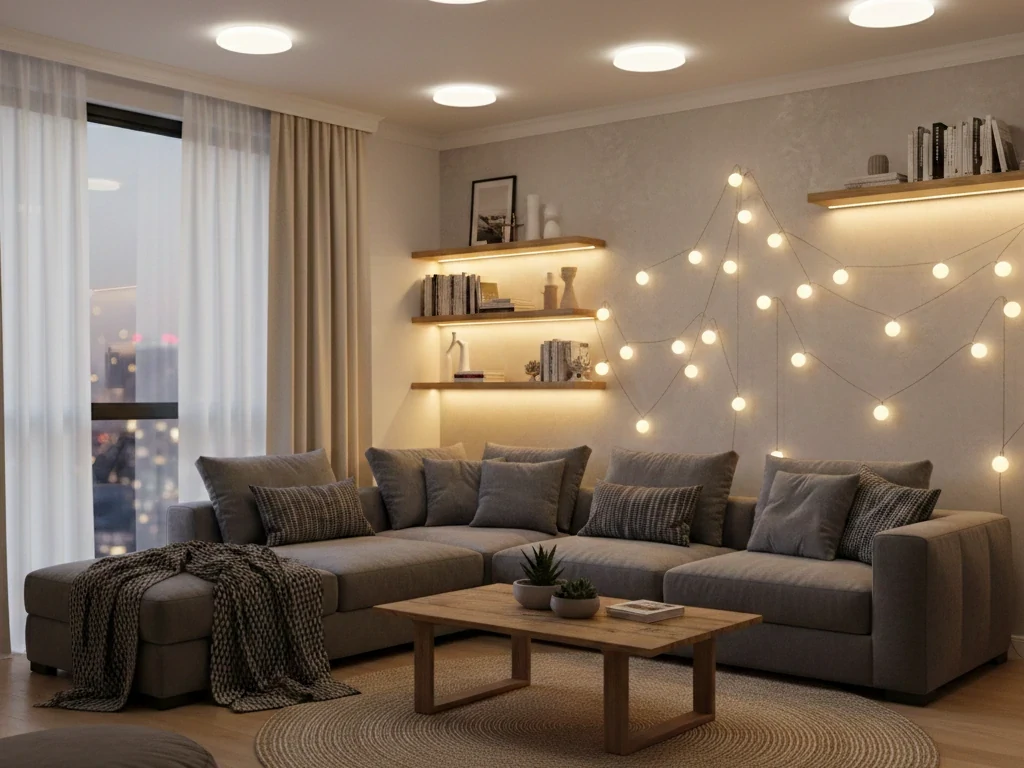
Types of LED Lights for Home Use
Choosing the right type of lighting can dramatically affect both the functionality and ambiance of your home. With the variety of options available, a well-planned LED lights house setup can combine energy efficiency, aesthetics, and practicality. Below, we break down the main types of LED lighting suitable for different areas of your home.
LED Bulbs for Home
The most straightforward choice for most rooms is standard LED bulbs for home use. These bulbs are available in various shapes and sizes, including:
- A19 or standard bulbs: Ideal for general lighting in living rooms, bedrooms, and hallways. They fit most standard fixtures and provide bright, consistent illumination.
- Globe bulbs: Perfect for decorative fixtures or vanity areas where even light distribution is desired.
- Candle-shaped bulbs: Typically used in chandeliers or accent lighting to create a soft, elegant glow.
These bulbs are highly energy-efficient, significantly lowering your monthly electricity bill. When planning a LED lights house setup, consider bulbs with higher lumens for rooms that require more brightness and lower wattage bulbs for cozy spaces.
LED Bars and Under-Cabinet Lighting
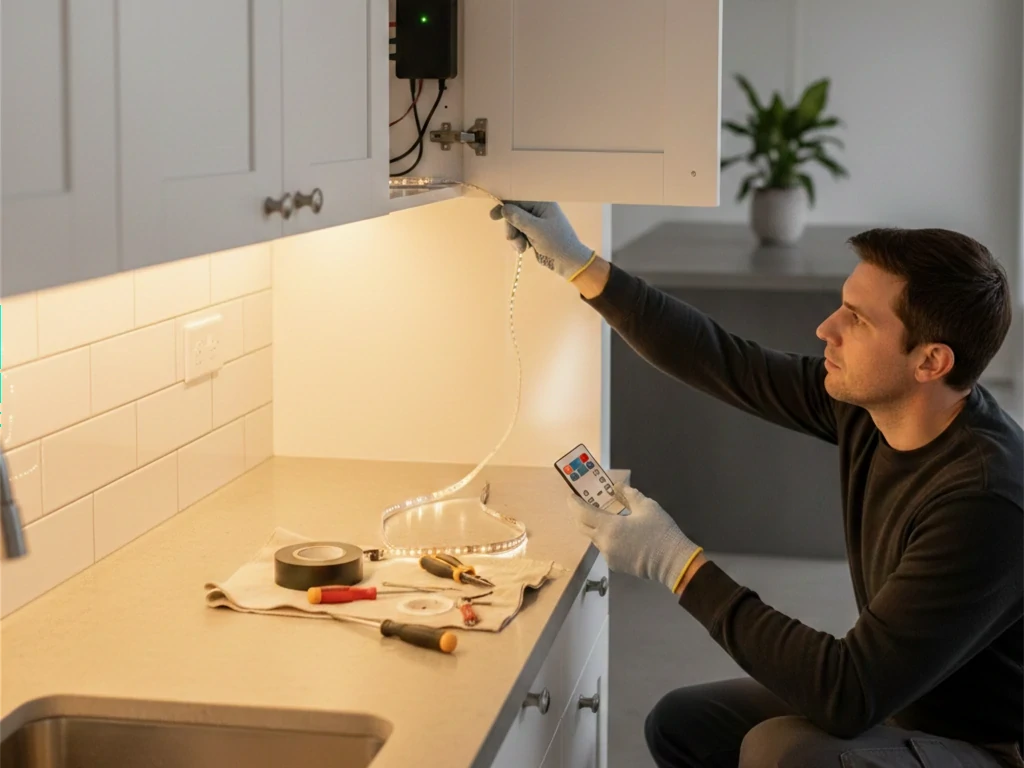
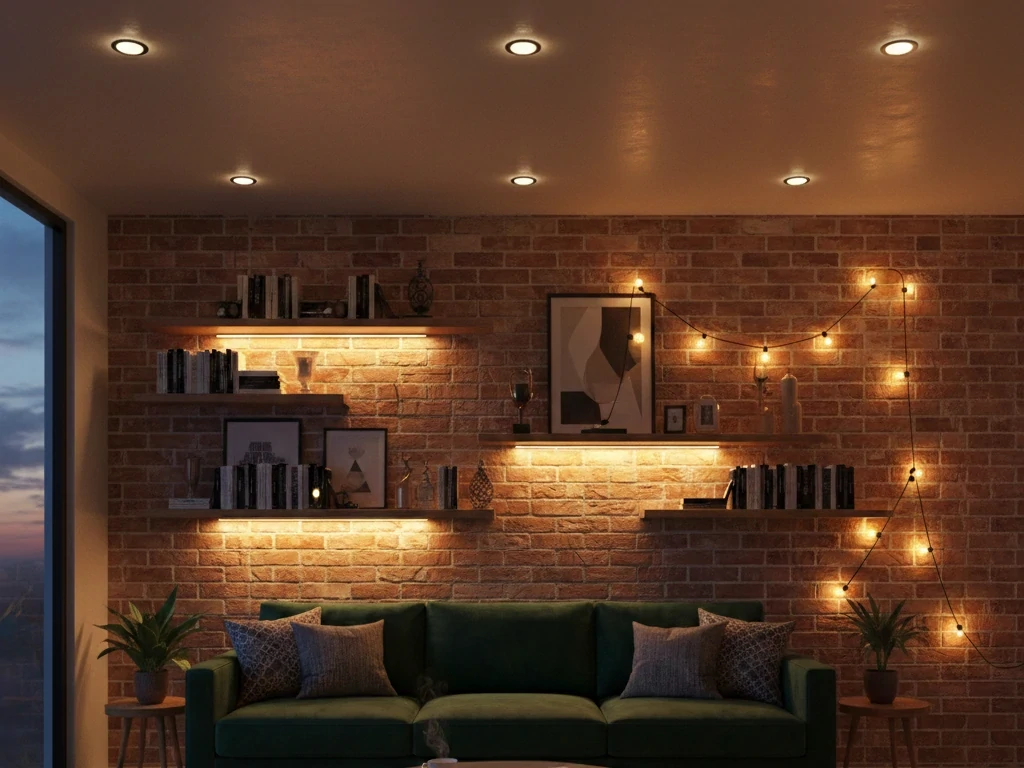
LED bars are excellent for task-oriented areas like kitchens, workspaces, or shelves. Their slim, linear design allows them to provide focused, even illumination without taking up space. Benefits include:
- Energy efficiency: LED bars use minimal power while providing bright light, ideal for reducing LED light energy consumption.
- Versatility: They can be mounted under cabinets, along counters, or on shelves to highlight work areas.
- Dimmable options: Some LED bars allow dimming to match mood or task requirements.
Strategically using LED bars can help maintain bright, functional lighting without relying on multiple overhead lights, ultimately lowering your energy usage.
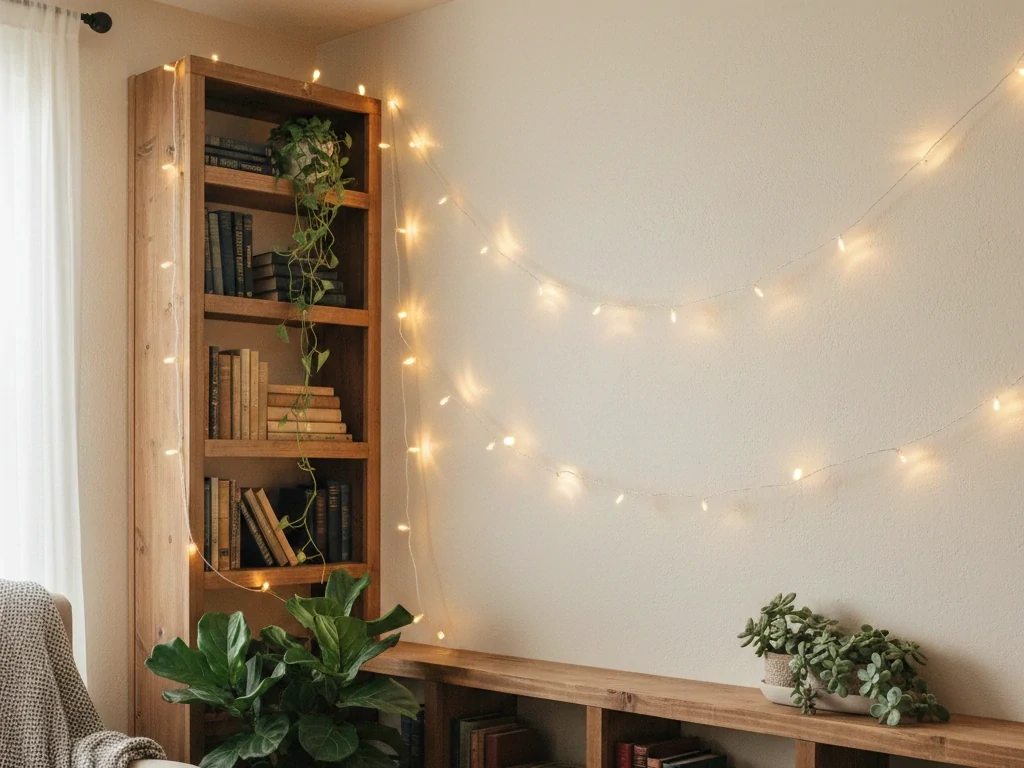
Indoor String Lights
For adding ambiance and charm, indoor string lights are unbeatable. These are ideal for bedrooms, living rooms, or even indoor patios. Key points for using string lights in a LED lights house setup include:
- Attachment: Use adhesive hooks, removable clips, or small nails to secure lights without damaging walls. Avoid tape that leaves residue.
- Energy use: String lights are highly efficient and cost very little to operate, making them a practical decorative choice.
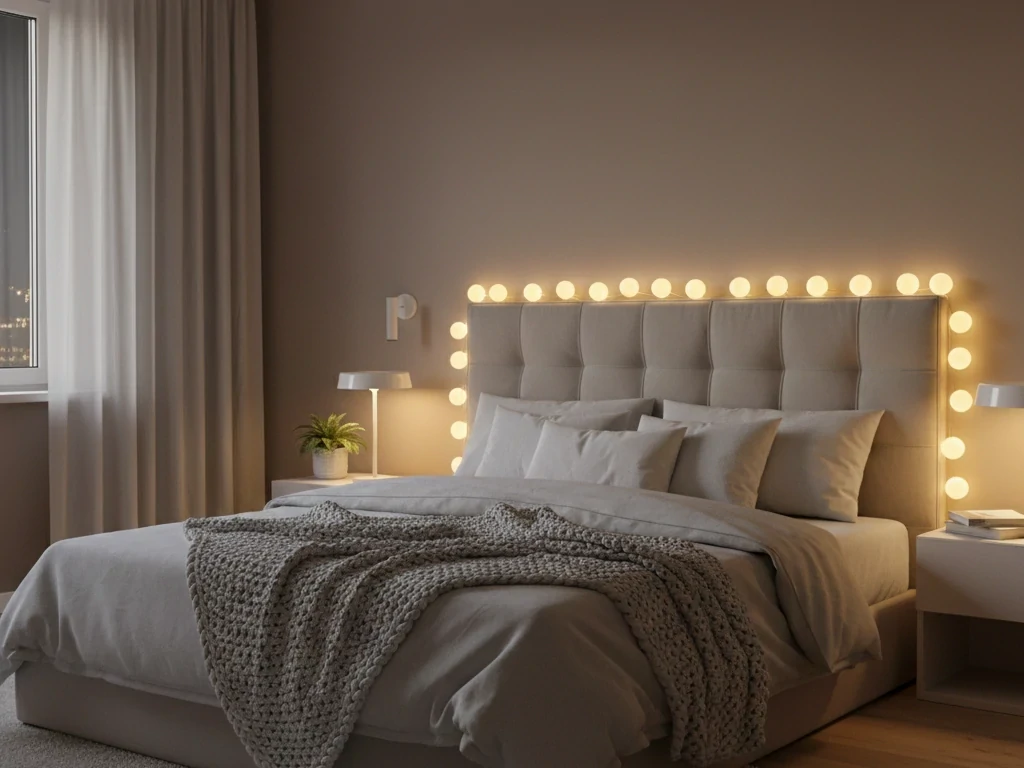
- Versatility: They can be draped across walls, furniture, or headboards, providing soft ambient lighting for relaxation or social spaces.
String lights are particularly useful for creating cozy corners or highlighting architectural features without significantly increasing how much do LED lights cost to run.
Smart LED Lighting Options
Modern LED lights house setups often include smart LEDs that integrate with home automation. Benefits include:
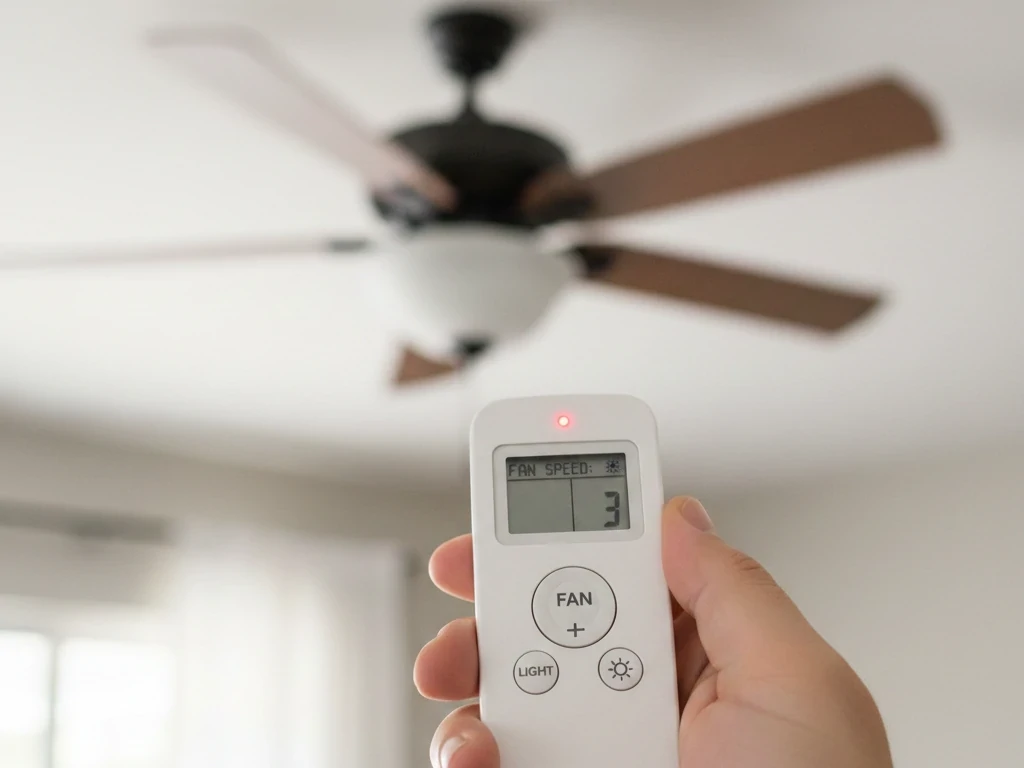
- Control: Adjust brightness and color remotely or with voice commands.
- Scheduling: Automatically turn lights on or off to match daily routines, reducing unnecessary energy use.
- Customization: Set zones or scenes to create the desired atmosphere in each room.
Smart LEDs are especially helpful in multi-room setups, ensuring that LED light energy consumption is optimized while providing flexibility in both functionality and design.
Cost Considerations: How Much Do LED Lights Cost to Run?
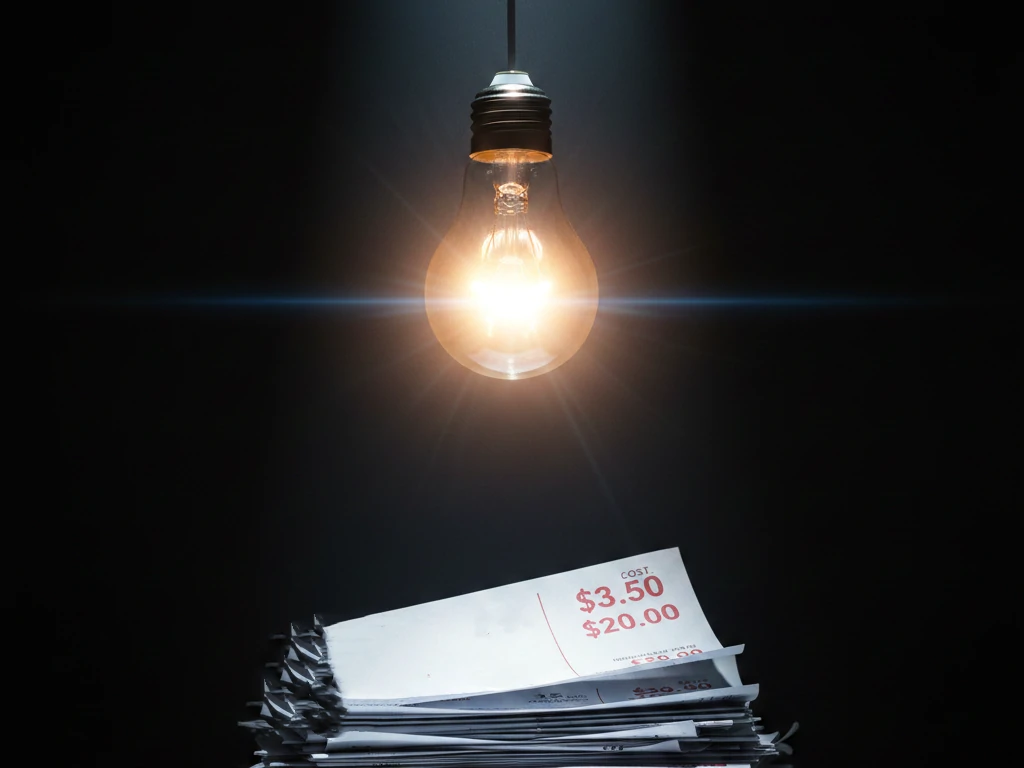
One of the most common questions homeowners ask when upgrading to LED lights house solutions is about the cost of operation. Understanding how much do LED lights cost to run helps you plan your lighting setup efficiently and avoid unnecessary energy expenses. LEDs are well-known for being cost-effective, but breaking down the numbers clarifies their real impact on your electric bill.
Calculating Energy Costs
To estimate the cost of running LED lighting, you can use a simple formula:
Cost = (Watts × Hours × Electricity Rate) ÷ 1000
For example, a 10W LED bulb used for 24 hours at an average rate of $0.12/kWh costs about $0.03 per day. This is a fraction of what an incandescent or halogen bulb would cost for the same period.
By calculating energy use in this way, you can clearly see that LED light energy consumption is far lower than traditional lighting. Even using multiple bulbs across your home, the total cost remains surprisingly low, making LED installation a financially sound choice.
How Much Does It Cost to Leave a Light On for 24 Hours?
Many homeowners worry that leaving lights on overnight will spike their electricity bills. In reality, a typical 10–15W LED bulb in a LED lights house setup costs only a few cents per day to operate continuously. For example:
- 10W LED: ~$0.03/day
- 15W LED: ~$0.05/day
These numbers demonstrate that even if you occasionally leave indoor string lights or LED bulbs on for extended periods, the impact on your monthly bill is minimal. For comparison, a 60W incandescent bulb could cost $0.17/day under the same conditions, showing a clear advantage of LEDs.
Is It Cheaper to Leave LED Lights On All the Time?
A common debate is whether it’s more economical to leave lights on constantly or to switch them off when not in use. For modern LEDs, frequent switching has negligible impact on lifespan or efficiency. Unlike older incandescent bulbs, which experienced stress from constant on/off cycles, LED technology is robust:
- Leaving LEDs on continuously may slightly reduce wear in some cases, but the difference is often negligible.
- Using timers or motion sensors can further optimize energy use without causing any harm to LED bulbs.
Therefore, in a LED lights house setup, it’s perfectly reasonable to leave lights on for short periods if needed, and you don’t have to worry about dramatically higher electricity costs.
Tips to Reduce LED Light Energy Consumption
Even though LEDs are already energy-efficient, there are ways to further reduce LED light energy consumption across your home:
- Use timers or motion sensors: Automatically turning lights off when rooms are empty prevents unnecessary energy use.
- Dimming: When full brightness isn’t required, dimming LED bars or bulbs saves energy.
- Strategic placement: Use a combination of indoor string lights and LED bars to highlight areas efficiently rather than over-lighting every room.
- Smart controls: Smart LEDs allow for scheduling, brightness adjustment, and zone control, giving precise control over electricity consumption.
By combining these strategies, a LED lights house setup can be both beautiful and cost-effective, keeping energy use minimal while maintaining a comfortable living environment.
Installation and Safety Considerations
Installing LED lighting in your home can be straightforward, but understanding when to DIY and when to call a professional is key to a safe and efficient LED lights house setup. Proper installation not only ensures optimal performance but also prevents hazards and maximizes the lifespan of your lighting system.
Do I Need an Electrician to Install LED Lights?
For basic installations, most homeowners can handle LED bulbs for home and plug-in indoor string lights themselves. Simple tasks like replacing ceiling bulbs or draping string lights across walls require minimal tools and carry little risk.
However, professional help is strongly recommended in the following cases:
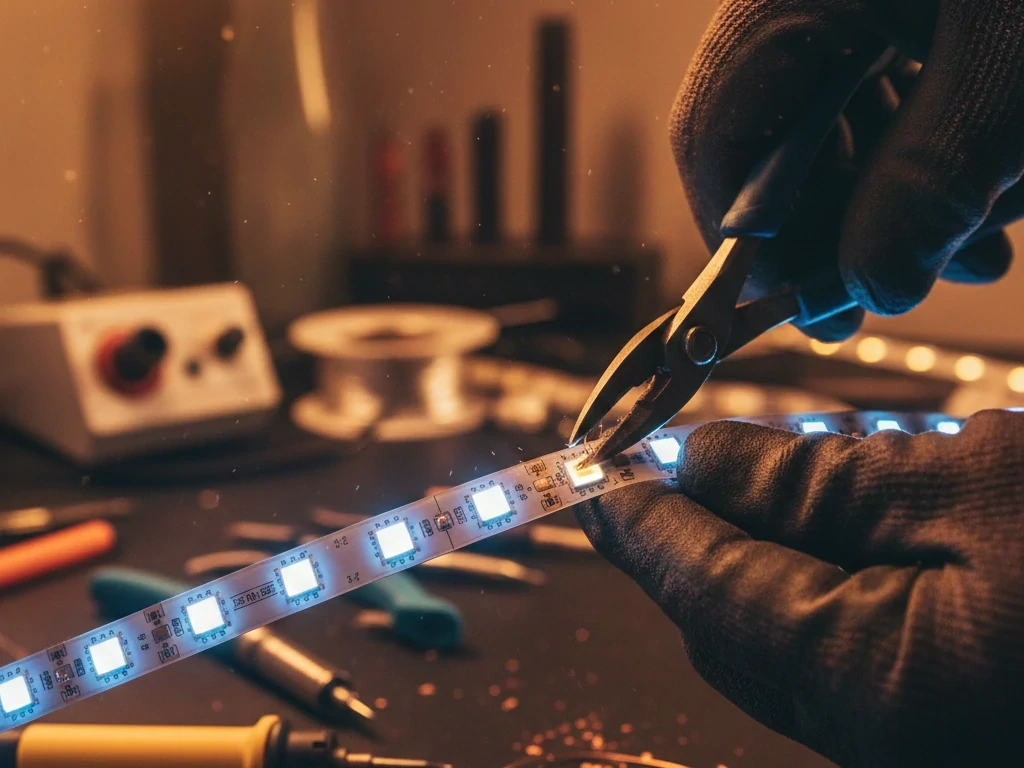
- Hardwired LED bars: Installing linear under-cabinet or accent lighting often involves electrical wiring and mounting that can be tricky without experience.
- High-voltage or recessed lighting: Projects that require modifying circuits, installing dimmers, or accessing junction boxes should be handled by a licensed electrician.
- Complex multi-zone setups: When integrating smart LEDs or whole-home lighting automation, professional guidance ensures both safety and functionality.
By knowing the limits of DIY installation, homeowners can avoid mistakes that could affect performance or safety.
Safety Tips for Indoor LED Lighting
Even though LEDs generate minimal heat compared to traditional bulbs, safety precautions remain essential:
- Avoid overloading circuits: Using too many bulbs or bars on one circuit can trip breakers or create fire hazards.
- Check fixture compatibility: Not all fixtures support LEDs, particularly older dimmers or enclosed designs.
- Use certified products: Look for safety certifications to ensure proper quality, reliability, and compliance with electrical standards.
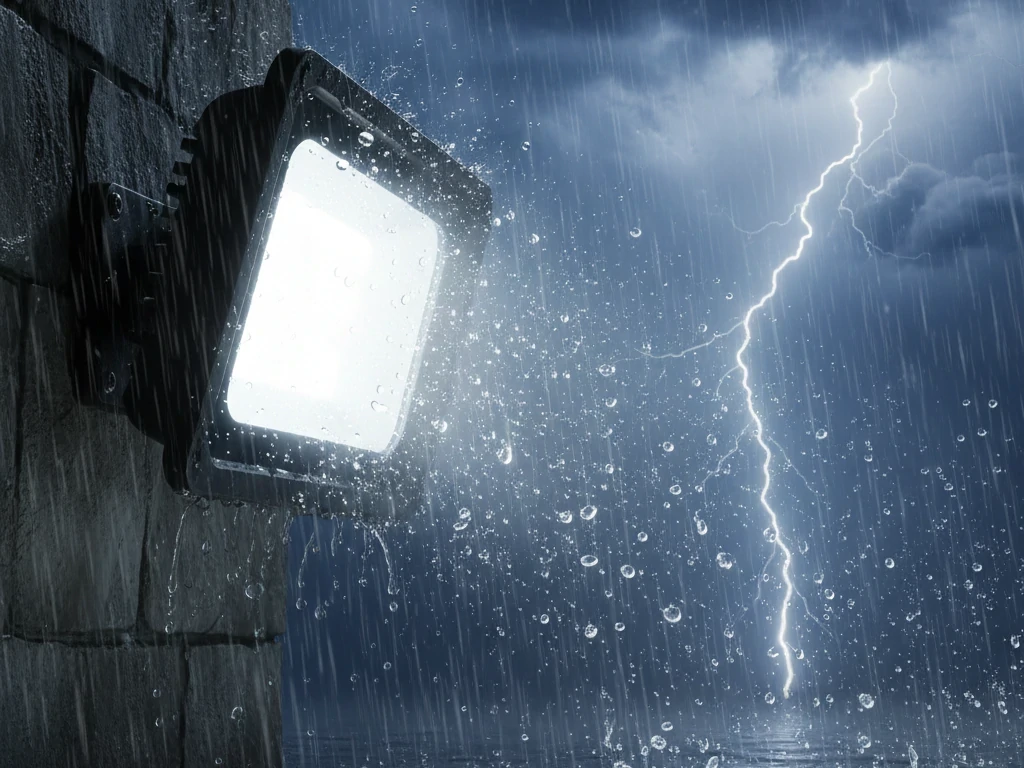
- Proper placement: Avoid installing LEDs in areas exposed to water or excessive heat unless they are rated for such environments.
Following these tips ensures a safe LED lights house environment while preventing costly mistakes or accidents.
Troubleshooting Common Issues
Even a well-planned LED setup can encounter occasional problems. Knowing how to address them helps maintain consistent lighting and protects your investment:
- Flickering lights: Often caused by incompatible dimmers, loose wiring, or voltage fluctuations. Check connections and ensure dimmer compatibility with LEDs.
- Dimming issues: Some older dimmers may not work well with LED technology. Using dimmers designed for LEDs or smart dimmers can solve this problem.
- Color mismatch: Different batches of LEDs may produce slightly different hues. Matching bulbs by color temperature ensures uniform lighting throughout a room.
- Short lifespan: Though rare, premature burnout usually stems from overheating or electrical inconsistencies. Ensure proper ventilation and correct wattage for fixtures.
By addressing these common issues, homeowners can maintain a reliable, efficient, and safe LED lights house setup that balances aesthetics with energy savings.
Selecting the Best LED Lighting for Each Room
Lighting a home efficiently isn’t just about energy savings—it’s about creating the right mood, functionality, and comfort in each space. A thoughtfully planned LED lights house setup considers both the type of LED fixtures and the activities performed in each room.
What Kind of Light Is Best for Indoors?
Choosing the right color temperature is crucial for comfort and effectiveness. LED light energy consumption can be optimized by selecting bulbs that match the intended use:
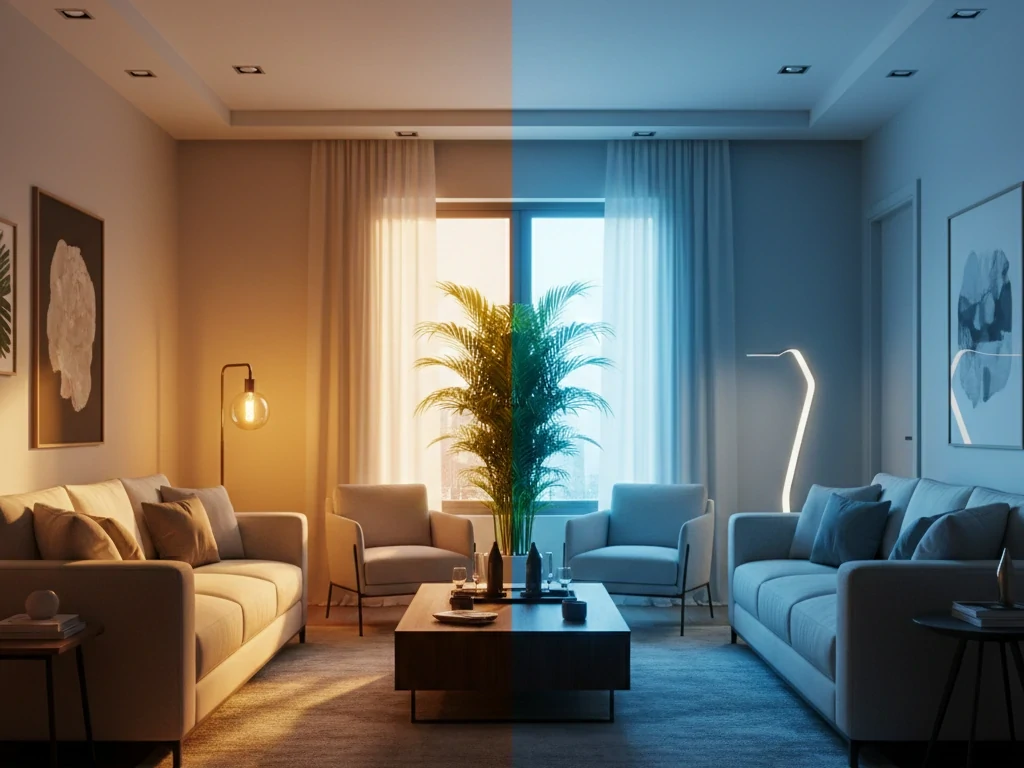
- Warm-white (2700–3000K): Perfect for living rooms and bedrooms where relaxation is the priority. These tones provide a cozy, inviting ambiance.
- Neutral-white (3500–4100K): Ideal for kitchens, offices, or multipurpose rooms where a balance between comfort and clarity is needed.
- Daylight (5000–6500K): Best for task areas like reading nooks or workshops where bright, clear light is essential.
Selecting the appropriate color temperature ensures that your LED lights house system is functional, comfortable, and visually appealing.
Living Room and Bedroom Lighting Ideas
In living areas and bedrooms, layering different types of lighting creates both style and practicality:
- Ambient lighting: Overhead fixtures or ceiling-mounted LEDs provide general illumination.
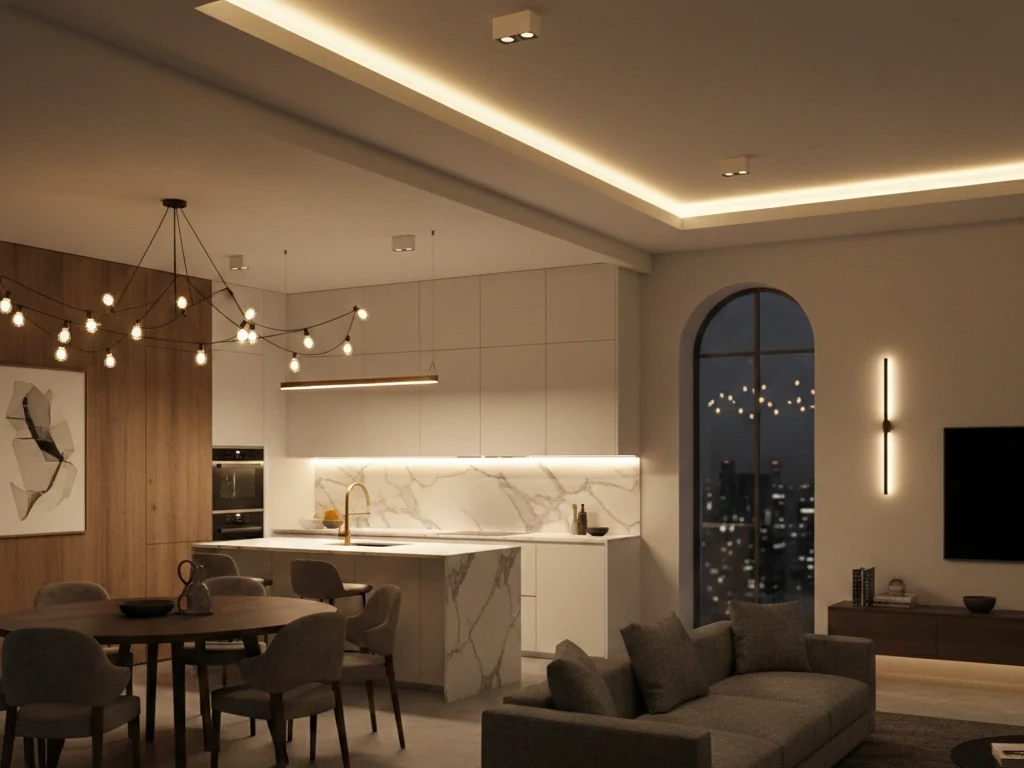
- Accent lighting: Use LED bars along shelves or cabinets to highlight architectural features or décor.
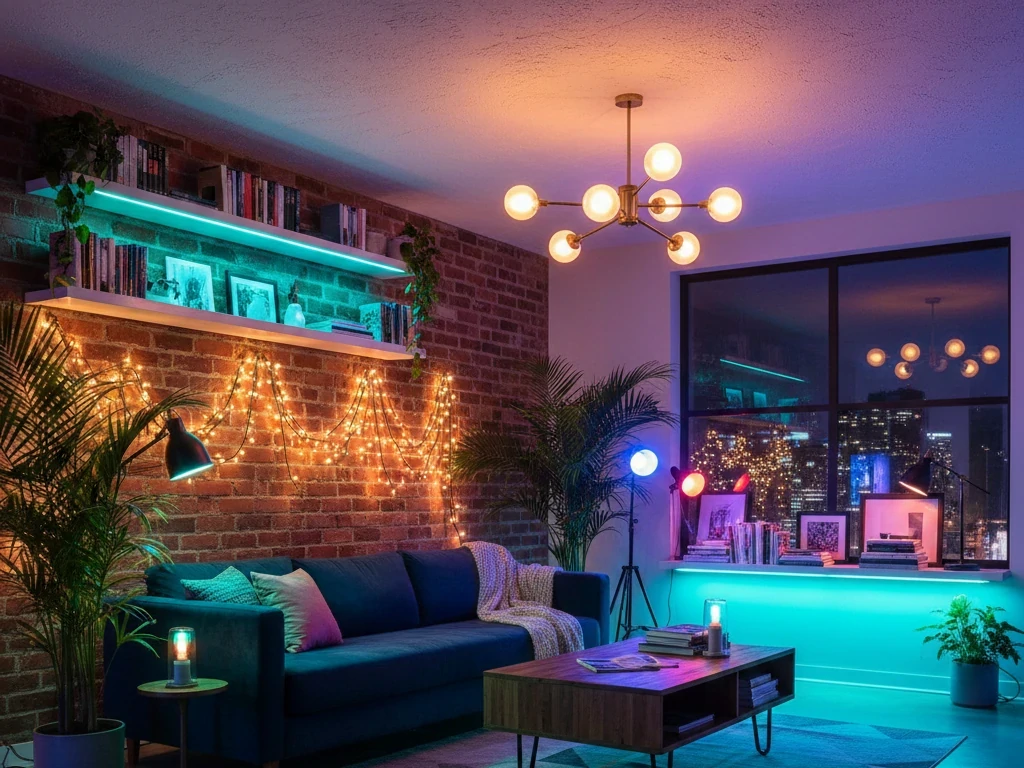
- Decorative lighting: Indoor string lights can add a soft glow around headboards, walls, or seating areas, creating a warm and inviting atmosphere.
This layered approach not only improves the visual appeal but also allows for energy-efficient use of LEDs by lighting only the areas needed at any given time.
Kitchen and Workspace Lighting
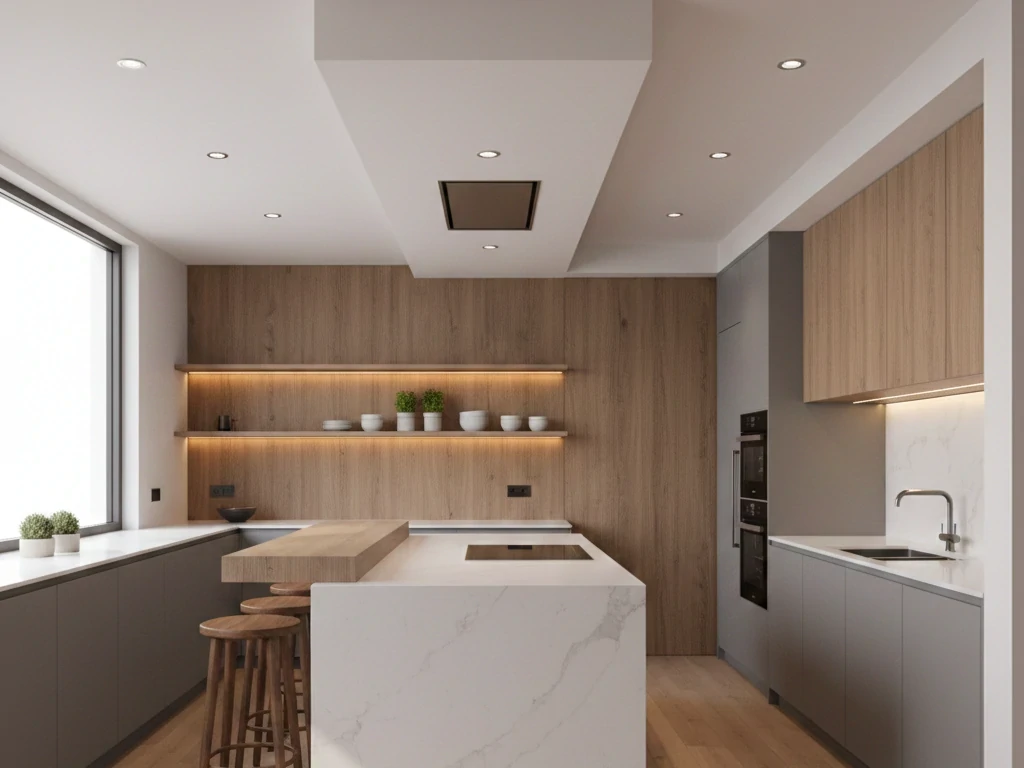
For kitchens and workspaces, bright, focused light is essential. LED bars and under-cabinet lighting are ideal because:
- They provide consistent illumination directly on counters or work surfaces.
- Dimmable options allow you to adjust brightness, reducing LED light energy consumption when full illumination isn’t required.
- Strategic placement minimizes shadows and reduces the need for additional overhead fixtures, keeping energy use low.
Proper lighting ensures safety, efficiency, and comfort in task-oriented spaces while keeping electricity costs minimal.
Bathroom and Hallway Options
Bathrooms and hallways often require specialized lighting due to moisture exposure and frequent usage:
- Moisture-resistant LEDs ensure durability and safety in damp environments.
- Accent lighting around mirrors or artwork enhances both functionality and aesthetics.
- Compact fixtures or LED bars in hallways provide sufficient illumination without overwhelming the space.
A carefully designed LED lights house layout in these areas ensures safety, efficiency, and consistent brightness throughout your home.
Conclusion
LED lights house setups combine style, energy efficiency, and cost savings. Whether using LED bulbs for home, decorative indoor string lights, or functional LED bars, strategic placement and informed choices reduce energy bills while enhancing your living spaces. With the right planning, LED lighting transforms homes into comfortable, well-lit environments without overloading your electricity budget.
By embracing smart LED solutions, you not only save money but also contribute to a more sustainable lifestyle, making your home brighter, safer, and more energy-efficient.
FAQs: LED Lights House
Do LED Lights Run Up Your Electric Bill?
LEDs are highly energy-efficient. A standard 10W LED bulb costs just a few cents to run for 24 hours. Compared to traditional incandescent or halogen bulbs, the energy savings are substantial. Even leaving indoor string lights or LED bars on for extended periods will have a negligible impact on your monthly electricity bill.
Do I Need an Electrician to Install LED Lights?
For simple installations like changing LED bulbs for home or adding indoor string lights, homeowners can safely handle the setup themselves. However, professional help is recommended for:
• Hardwired LED bars or recessed ceiling lighting
• Multi-zone smart LED systems
• High-voltage or dimmer-compatible installations
Hiring a licensed electrician ensures safety, compliance with local codes, and proper performance.
Which Type of LED Light Is Best for Home?
A combination of LED bulbs for home, LED bars, and indoor string lights works best. Warm-white bulbs are recommended for living spaces, while daylight or neutral-white tones suit kitchens and task areas. Layering ambient, accent, and decorative lighting creates both style and functionality while optimizing LED light energy consumption.
What Is the Downside of LED Lights?
Potential drawbacks include:
• Harsh blue light from some bulbs affecting ambiance
• Compatibility issues with older dimmers or fixtures
• Slightly higher upfront cost than traditional bulbs
• Placement sensitivity for even illumination
Despite these minor concerns, the benefits—long life, low energy use, and safety—generally outweigh the downsides.
What Kind of Light Is Best for Indoors?
Color temperature is key:
• Warm-white (2700–3000K): Relaxing spaces like bedrooms and living rooms
• Neutral-white (3500–4100K): Multipurpose areas and kitchens
• Daylight (5000–6500K): Task lighting for reading or work
Matching light type to activity ensures comfort and efficiency in your LED lights house setup.
How to Attach String Lights to an Indoor Wall?
For safe and aesthetically pleasing installation:
• Use adhesive hooks or removable clips instead of tape
• Small nails or push pins work for heavier or permanent setups
• Avoid damaging walls or leaving residue
Indoor string lights can then be draped creatively around furniture, headboards, or shelving for cozy ambiance.
How Much Does It Cost to Leave an LED Light On for 24 Hours?
A typical 10–15W LED bulb costs approximately $0.03–$0.05 per day at average U.S. electricity rates. This makes LEDs a practical choice even if lights are left on overnight, proving that how much does it cost to leave a light on is minimal compared to traditional lighting.
Is It Cheaper to Leave LED Lights On All the Time?
Modern LEDs are designed to handle frequent switching with no significant wear. Unlike incandescent bulbs, turning LEDs on and off does not reduce their lifespan appreciably. Using timers or motion sensors can further reduce energy usage, but leaving lights on for short periods is generally fine and does not significantly affect your bill.