
-43%
Select options
This product has multiple variants. The options may be chosen on the product page
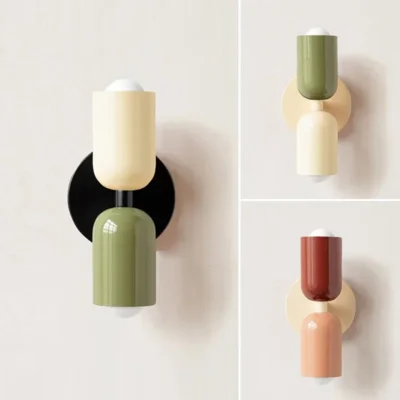
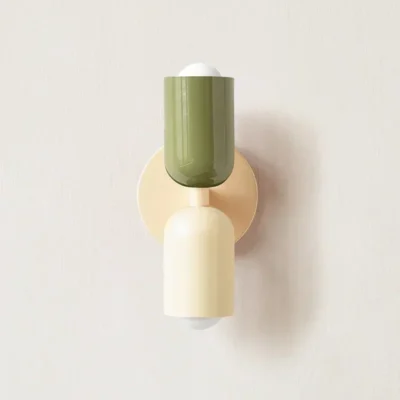
Macaron Wall Lamp – Nordic Style Colorful Light for Kids Room & Corridor
$32.70 – $52.26Price range: $32.70 through $52.26-43%
Select options
This product has multiple variants. The options may be chosen on the product page
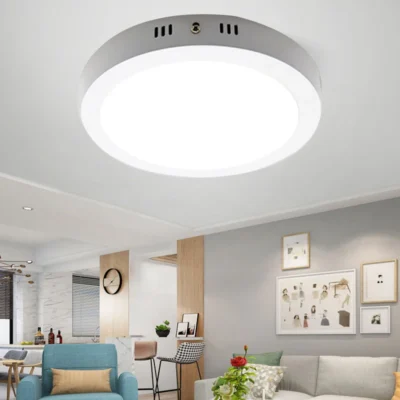
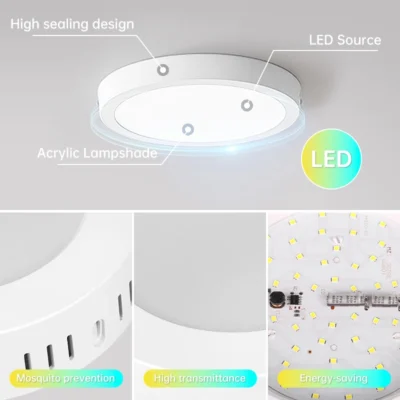
Ultra Thin LED Ceiling Lamp – 20W/30W Panel Light for Living Room & Bedroom
$27.31 – $67.63Price range: $27.31 through $67.63-39%
Select options
This product has multiple variants. The options may be chosen on the product page
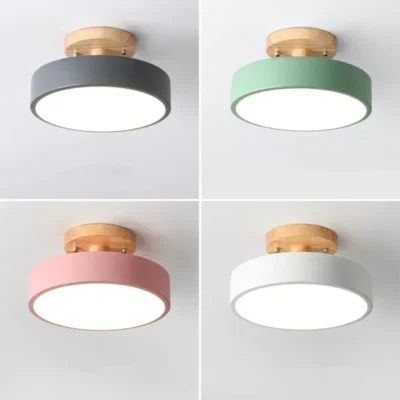
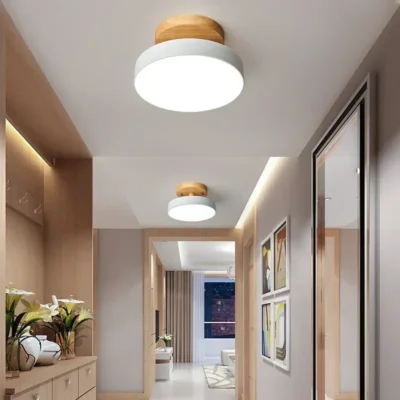
Nordic Ceiling Light – Wood Round Lamp for Dining, Study & Bathroom
$31.62 – $33.84Price range: $31.62 through $33.84-38%
Select options
This product has multiple variants. The options may be chosen on the product page
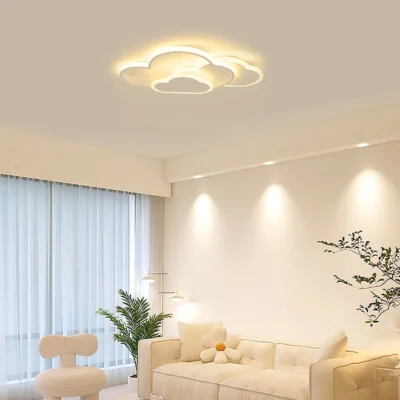
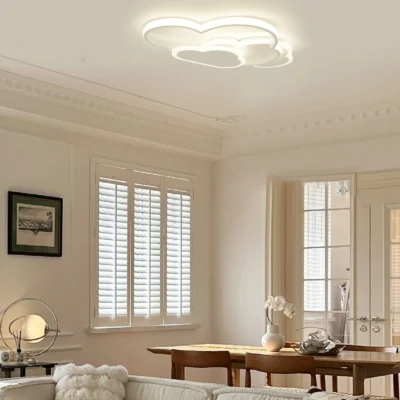
Modern Cloud LED Ceiling Lamp – 3-Color Acrylic Light for Living & Kid’s Room
$66.27 – $66.41Price range: $66.27 through $66.41-38%
Select options
This product has multiple variants. The options may be chosen on the product page
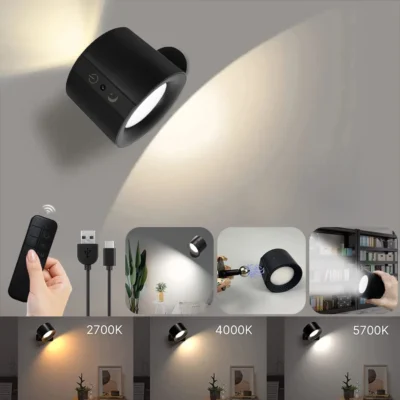
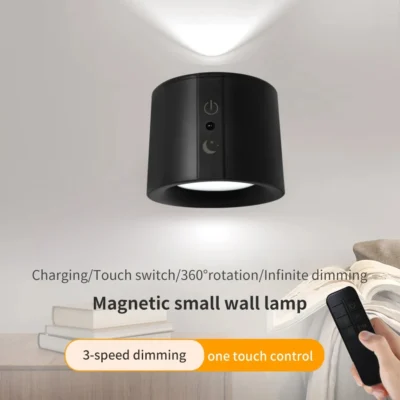
LED Wall Sconce Light – Double Head, Wireless, USB Rechargeable, 3 Colors
$32.80 – $32.84Price range: $32.80 through $32.84-41%
Select options
This product has multiple variants. The options may be chosen on the product page
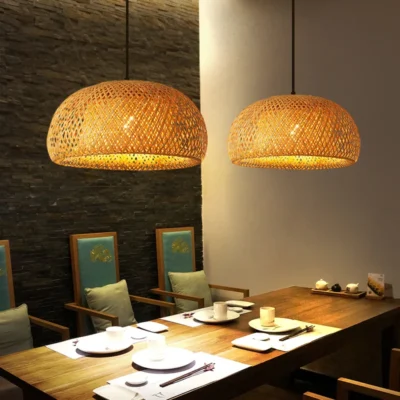
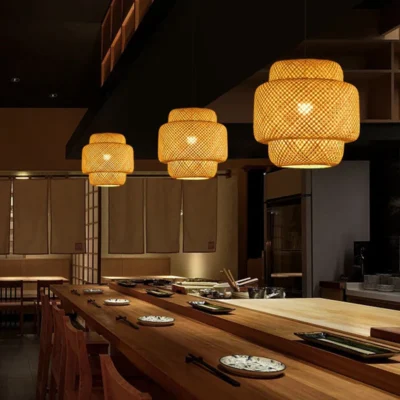
Hand-Woven Rattan Pendant Light – Bamboo Lantern LED Hanging Fixture
$40.74 – $57.28Price range: $40.74 through $57.28-47%

Select options
This product has multiple variants. The options may be chosen on the product page
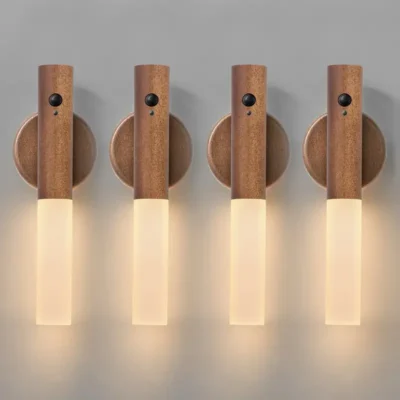
Smart Motion Sensor LED Night Light – Rechargeable Magnetic Wall Lamp
$22.98 – $38.14Price range: $22.98 through $38.14-42%

Select options
This product has multiple variants. The options may be chosen on the product page
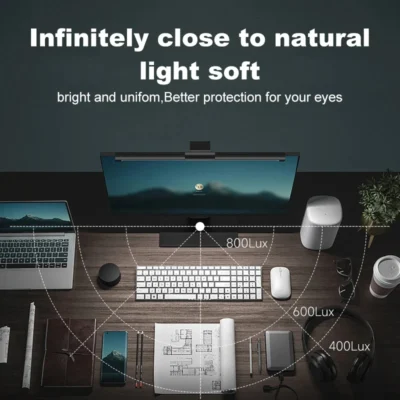
RGB Monitor Light Bar – Eye Care Table Lamp for Work, Game & Reading
$32.68 – $141,161.85Price range: $32.68 through $141,161.85-44%
Select options
This product has multiple variants. The options may be chosen on the product page
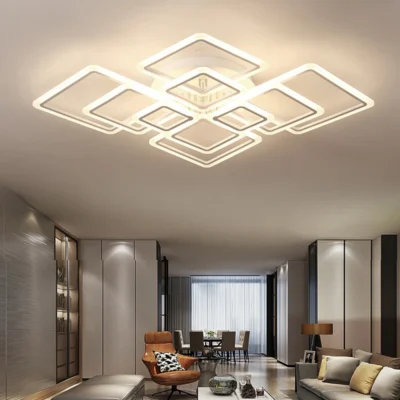
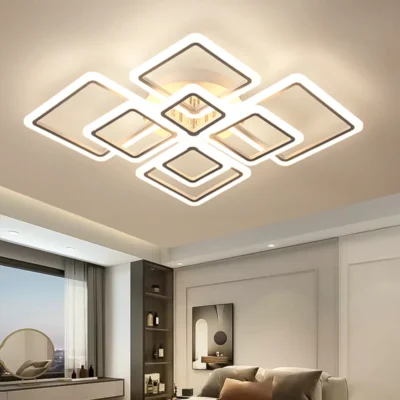
Minimalist Nordic LED Pendant Lamp – Ceiling Chandelier for Home Lighting
$78.19 – $179.38Price range: $78.19 through $179.38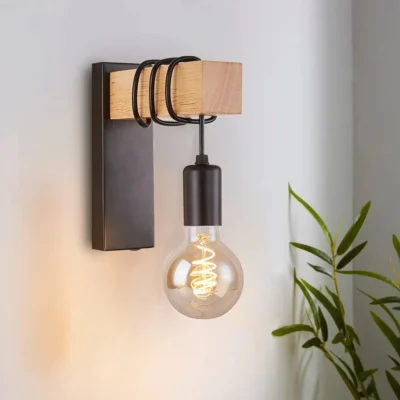

Retro Wood LED Wall Lamp – Industrial Night Light for Bedroom & Bathroom
-43%
Select options
This product has multiple variants. The options may be chosen on the product page
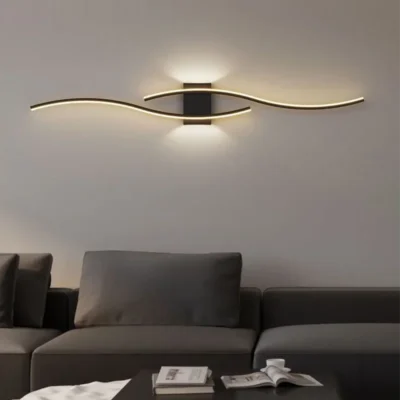
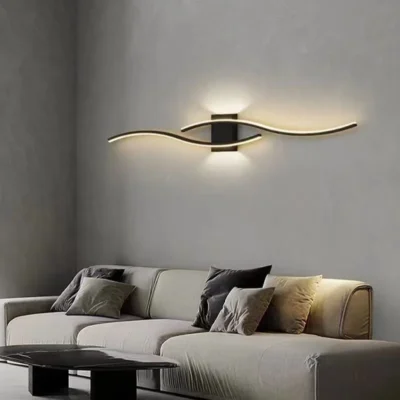
Modern LED Wall Lamp – Long Strip Decorative Light for Bedroom & Living Room
$39.81 – $62.78Price range: $39.81 through $62.78Why Indoor Lighting Matters
Impact on Mood, Productivity, and Comfort
The human brain responds to light in subtle but significant ways. Bright, well-balanced indoor lights can energize a room, helping you stay alert and productive during the day. In contrast, softer, warmer tones create a calming atmosphere, perfect for unwinding after a long day. For instance, a well-lit home office can enhance concentration, while a living room illuminated with layered ambient lighting encourages relaxation and social interaction.
Even small changes in lighting can transform a room. By adjusting brightness, color temperature, and placement, you can make a modest space feel open and inviting or a large room feel cozy and intimate. Proper lighting also supports comfort by reducing harsh shadows and glare, which can otherwise cause visual fatigue and discomfort over time.
How Lighting Affects Visual Clarity and Health
Lighting directly impacts your eyes and overall well-being. Poorly designed or overly dim indoor lighting can strain your eyes, cause headaches, and even affect sleep patterns. High-quality lighting with a suitable color temperature and brightness level ensures that your eyes are comfortable and reduces fatigue, especially in areas where you read, cook, or work.
Choosing flicker-free, high-CRI (color rendering index) lighting helps maintain visual accuracy. For example, in kitchens or workspaces, properly balanced indoor lights allow you to distinguish colors more clearly, improving safety and performance during daily tasks.
Lighting as Design: Layering Light to Add Depth
Good indoor lighting is layered, combining ambient, task, and accent lights to achieve both functionality and aesthetic appeal. Ambient lighting provides overall illumination, creating a foundation of light throughout the room. Task lighting focuses on specific activities like reading, cooking, or working at a desk. Accent lighting highlights architectural features, artwork, or decorative elements, adding depth and visual interest.
Layered lighting not only enhances the appearance of a space but also allows flexibility. You can adjust each layer independently to suit your mood or activity. For example, turning on only accent lights can create a cozy, intimate atmosphere, while combining ambient and task lighting makes a room bright and functional for work or study.

Key Terms & Concepts in Indoor Lighting
Ambient, Task, and Accent Lighting – The Three Layers Explained
- Ambient lighting provides overall illumination. Think ceiling fixtures or recessed lights.
- Task lighting focuses on specific activities like reading or cooking. Desk lamps and under-cabinet lights are examples.
- Accent lighting highlights artwork, plants, or architectural features, adding drama and depth.
By combining these three layers, your indoor lights work harmoniously to create a functional and inviting space.
Colour Temperature (Kelvin) and How It Affects Perception
Color temperature, measured in Kelvin (K), affects how warm or cool a room feels. Warm light (2700–3000K) creates cozy, relaxing spaces, while neutral or cool lights (4000–6000K) are ideal for work areas or modern designs.
Light Quality: CRI, Flicker, and Glare
High-quality indoor lighting should offer accurate color representation (high CRI), minimal flicker, and low glare. These factors improve visual comfort and prevent fatigue during prolonged activities.
Basic Sizing and Placement Rules for Ceiling Lights
Proper placement ensures even lighting and avoids dark spots. Ceiling light rules involve spacing fixtures evenly, considering room size, and adjusting for height. For instance, hanging lights should generally leave 7 feet from the floor to the fixture’s bottom.
The 5‑7 Lighting Rule for Indoor Lights
What is the 5‑7 Lighting Rule?
- The 5‑7 lighting rule suggests that every room should ideally have five to seven light sources. This combination of ambient, task, accent, and decorative lights ensures flexibility, functionality, and a visually appealing environment. You can mix floor lamps, table lamps, wall sconces, and ceiling lights to achieve this balance.
Variations and Practical Layout Strategies
Use the 5‑7 rule to layer lights. In a living room, for example, consider one central ceiling fixture, two table lamps, one floor lamp, and two accent lights. In a kitchen, combine recessed lights, pendant lights over counters, and under-cabinet task lights.
Other Lighting Rules: Ceiling Light and Height Guidelines
The rule for ceiling lights suggests that the fixture diameter in inches should roughly equal the sum of the room’s length and width in feet. Pendant lights should hang approximately 30 inches above a dining table or 7 feet above the floor in general spaces.
Choosing the Best Type of Indoor Lighting
What is the Best Type of Indoor Lighting?
- The “best” type of indoor lighting depends on the purpose of the room and the atmosphere you want to create. For general illumination, high-quality LED lights are versatile and energy-efficient, providing consistent brightness without harsh glare. Task-specific areas, such as kitchens or reading nooks, benefit from directed lights that focus on the activity without casting unwanted shadows. Meanwhile, accent lighting can highlight artwork, architectural features, or decorative elements, adding depth and character to the space.For a truly functional setup, consider layering multiple types of indoor lights. For example, a living room might combine overhead ambient lighting, a pair of table lamps for task lighting, and subtle accent lights around shelves or artwork. This layered approach ensures flexibility, allowing you to adjust the mood, focus light where it’s needed, and avoid the harshness of a single overhead light.
LED vs Incandescent vs Fluorescent
When choosing indoor lighting, understanding the pros and cons of different light sources helps make an informed decision:
- LED Lights: Highly energy-efficient, long-lasting, and available in a range of color temperatures. LEDs provide consistent brightness and can be dimmed to suit different moods or tasks, making them ideal for modern homes.
- Incandescent Lights: Offer warm, inviting light that flatters skin tones and creates a cozy atmosphere. However, they are energy-intensive and have shorter lifespans compared to LEDs.
- Fluorescent Lights: Efficient and bright, fluorescents are often used in workspaces or utility areas. They tend to have a cooler light and may flicker, which can be less comfortable for long-term use in living areas.
Selecting the type of light isn’t just about efficiency; it’s about how the light interacts with your space, furniture, and décor. For example, warmer tones work beautifully in bedrooms and living rooms, whereas neutral or slightly cooler lights are preferable in kitchens, bathrooms, and home offices.
Are There Ceiling Lights That Don’t Require Wiring?
In many cases, homeowners want the functionality of ceiling lighting without the hassle or cost of wiring. Fortunately, there are several solutions that allow you to add indoor lights without electrical work. Battery-operated fixtures, plug-in ceiling lamps, or retrofit options can provide sufficient illumination for smaller spaces or temporary setups. These solutions are particularly useful for renters, older homes, or rooms where installing new wiring is difficult or disruptive.
Even when using non-wired options, it’s important to position these lights thoughtfully. Ensure adequate coverage for reading, cooking, or other tasks, and consider combining them with portable task lamps or floor lighting for full-room illumination.
Practical Tips for Choosing the Right Indoor Lighting
- Consider the Function of the Room: Bright, neutral light works well for kitchens and offices, while softer, warmer lighting suits bedrooms and living rooms.
- Layer Your Lighting: Combine ambient, task, and accent lights for flexibility and visual interest.
- Mind Color Temperature: Warmer tones feel cozy, neutral tones enhance clarity, and cooler tones are functional but can feel stark.
- Prioritize Quality: Flicker-free, high-CRI lights reduce eye strain and provide accurate color rendering.
- Think About Flexibility: Dimmers and adjustable fixtures allow you to tailor lighting for different times of day or activities.
Colour Temperature & Light Appearance
Is 3000K or 4000K Better for Home?
- For most homes, 3000K and 4000K are the most common choices.
- 3000K: This warm, soft white light creates a cozy, relaxing atmosphere. It’s perfect for bedrooms, living rooms, and dining areas where comfort and intimacy are priorities. The gentle glow complements natural materials like wood and fabric, enhancing the sense of warmth in a space.
- 4000K: Neutral white light strikes a balance between warmth and brightness. It’s ideal for kitchens, bathrooms, home offices, and other areas where clarity and visibility are important. 4000K helps reduce eye strain while maintaining a welcoming feel, making tasks like reading, cooking, or working more comfortable.
Choosing between 3000K and 4000K often depends on room function and the mood you want to create. Many homeowners use a combination of both: warm lighting in relaxation zones and neutral lighting in functional areas.
Is 5000K or 6000K Better for a Living Room?
Higher Kelvin temperatures, such as 5000K and 6000K, produce cool, daylight-like light.
- 5000K: Neutral daylight white light provides excellent clarity and works well for reading areas or spaces that need high visibility. It feels bright without being harsh, making it suitable for modern living rooms where you want a crisp, energetic ambiance.
- 6000K: Very cool, bluish light resembles daylight at noon. While it offers excellent visibility and high contrast, it can feel sterile or uninviting for relaxed living areas. Use 6000K sparingly, mainly for task-specific lighting rather than general ambient lighting in a living room.
By understanding these temperatures, you can tailor your indoor lights to balance aesthetics with functionality, ensuring each space feels comfortable and visually appealing.
Practical Guidance: Matching Colour Temperature to Room Function
Here are some practical tips for choosing the right color temperature for your indoor lighting:
- Warm Light (2700–3000K): Best for bedrooms, living rooms, and dining areas to create a cozy, relaxing environment.
- Neutral Light (3500–4000K): Ideal for kitchens, bathrooms, offices, and workspaces where clarity and task performance matter.
- Daylight White (5000–6000K): Use for areas requiring high visibility, such as study zones, craft rooms, or garages. Avoid 6000K in main living areas to prevent a cold, impersonal feel.
- Layer and Mix Temperatures: Combining different temperatures within a room can create dynamic, layered lighting. For instance, a warm 3000K ceiling light paired with a neutral 4000K task lamp allows flexibility and preserves comfort.
- Consider Furniture and Wall Colors: Warm tones enhance natural materials and soft furnishings, while cooler tones work better with modern, minimalist décor or neutral color palettes.
Why Colour Temperature Matters for Well-Being
Colour temperature also affects our biological rhythms and mental state. Warmer tones encourage relaxation in the evening, signaling the body to wind down, while neutral and cooler tones can enhance focus during daytime activities. By choosing the right indoor lighting, you can support both comfort and productivity while creating an atmosphere that matches each room’s purpose.
Lighting Rules for Ceiling Fixtures and Placement
What is the Rule for Ceiling Lights?
Ceiling lights should be proportionate to room size and evenly spaced. Use formulas like the fixture diameter = room length + width in feet, and maintain consistent distance from walls to avoid shadows.
How Many Lights Are in a 12×12 Room?
For a 12×12 ft room, a combination of ceiling lights and task lighting totaling approximately 1,500–2,000 lumens is recommended. Typically, 4–6 fixtures (including ambient and accent) provide balanced coverage.
Choosing the Right Size, Height, and Spacing
Ensure ceiling fixtures suit the ceiling height, room function, and design style. Recessed lights should be spaced evenly (approximately 4–6 ft apart), and hanging pendants should maintain a 30-inch clearance above tables.
Indoor Lighting for Health & Safety
What Lights Are Healthiest for Eyes?
Ceiling lights should be proportionate to room size and evenly spaced. Use formulas like the fixture diameter = room length + width in feet, and maintain consistent distance from walls to avoid shadows.
How Many Lights Are in a 12×12 Room?
For a 12×12 ft room, a combination of ceiling lights and task lighting totaling approximately 1,500–2,000 lumens is recommended. Typically, 4–6 fixtures (including ambient and accent) provide balanced coverage.
Choosing the Right Size, Height, and Spacing
Ensure ceiling fixtures suit the ceiling height, room function, and design style. Recessed lights should be spaced evenly (approximately 4–6 ft apart), and hanging pendants should maintain a 30-inch clearance above tables.
Lighting Trends & What’s Out of Style
What Light Fixtures Are Out of Style?
As of 2025, bulky flush mounts, overly ornate fixtures, and rigid overhead lights are considered outdated. Streamlined, versatile, and layered lighting solutions are more in demand.
Emerging Trends and Durable Design Choices
Minimalist pendants, integrated LED strips, and smart dimmable solutions are popular. Combining style with function ensures that your indoor lighting stays current and adaptable.
Sustainability and Efficient Lighting Design
Opt for energy-efficient indoor lights, recycle old fixtures, and consider LED options with long lifespans. Sustainability now goes hand-in-hand with aesthetics in interior design.
Installation, Costs & Practicalities
Do I Need an Electrician to Install a Ceiling Light?
Simple fixture replacements may be done DIY. However, for new wiring, high ceilings, or complex fixtures, hiring a licensed electrician is recommended to ensure safety and compliance.
Cost to Install a Light Fixture: What to Expect
Installation costs vary by fixture type and complexity. On average, installing a ceiling light ranges from $100–$250, including labor. Specialized or smart fixtures may cost more.
How to Add a Ceiling Light Without Wiring
Wireless, battery-powered lights or plug-in pendants allow you to add illumination without major construction. Swag hooks, retrofits, and battery-operated fixtures provide flexible solutions.
Frequently Asked Questions
What is the 5 7 lighting rule?
The 5‑7 lighting rule recommends having five to seven distinct light sources in each room. This mix typically includes ambient, task, accent, and decorative lights. Following this rule ensures layered, flexible indoor lighting that’s visually appealing, functional, and adaptable to different moods or activities.
The 5‑7 lighting rule recommends having five to seven distinct light sources in each room. This mix typically includes ambient, task, accent, and decorative lights. Following this rule ensures layered, flexible indoor lighting that’s visually appealing, functional, and adaptable to different moods or activities.
The 5‑7 lighting rule recommends having five to seven distinct light sources in each room. This mix typically includes ambient, task, accent, and decorative lights. Following this rule ensures layered, flexible indoor lighting that’s visually appealing, functional, and adaptable to different moods or activities.
What is the best type of indoor lighting?
The best indoor lighting depends on room function and aesthetic goals. Layered lighting using LEDs is often the most versatile, providing energy efficiency, adjustable brightness, and various color temperatures. Combine ambient, task, and accent lights for a balanced and comfortable environment.
What are the 4 C’s of lighting?
The “4 C’s” help guide effective lighting for both portraiture and interior spaces: Contour (shaping objects and faces), Contrast (creating depth), Color (accurate rendering of hues), and Consistency (even illumination). Applying these principles ensures your indoor lights produce natural, comfortable results.
What is the 3 lighting rule?
The three-point lighting system uses three lights: key light (main source), fill light (softens shadows), and backlight (separates subject from background). While often used in photography, this method is also practical for highlighting feature areas or creating dimensional indoor spaces.
What is the rule for ceiling lights?
Ceiling lights should be proportionate to room dimensions. A common guideline is that the fixture diameter (in inches) should roughly equal the sum of the room’s length and width (in feet). Also, pendants should hang approximately 7 feet above the floor, or about 30 inches above tables, to balance aesthetics and functionality.
Do LED lights run up your electric bill?
No. LED lights are highly energy-efficient, consuming far less electricity than incandescent or halogen bulbs. Even when used throughout a home, high-quality LEDs have minimal impact on energy bills while providing consistent brightness and long-term savings.
Is 3000K or 4000K better for home?
3000K creates warm, cozy lighting suitable for bedrooms and living rooms. 4000K is neutral white, ideal for kitchens, bathrooms, and home offices where visibility and task performance are priorities. Choosing the right temperature depends on the room’s purpose and desired ambiance.
Is 5000K or 6000K better for a living room?
For living areas, 5000K neutral daylight is ideal, providing clarity without feeling cold. 6000K can be too stark and bluish, making spaces feel impersonal. Cooler temperatures are best reserved for focused tasks, workspaces, or craft areas.
What light fixtures are out of style?
As of 2025, bulky flush-mounts, overly ornate chandeliers, and rigid overhead fixtures are considered outdated. Modern interior trends favor streamlined, versatile, and layered lighting that integrates seamlessly with furniture and décor.
What lights are healthiest for eyes?
The healthiest indoor lights are flicker-free LEDs with high color rendering index (CRI). Proper brightness, minimal glare, and balanced placement reduce eye strain and fatigue, making these lights suitable for reading, cooking, and prolonged use.
Are there ceiling lights that don’t require wiring?
Yes. Wireless, battery-powered, or plug-in ceiling fixtures allow you to install functional indoor lighting without rewiring. These options are perfect for rentals, temporary setups, or spaces where traditional wiring is challenging.
How many lights are in a 12×12 room?
A 12×12 room typically requires 4–6 indoor lights, depending on ceiling height and lumen output. A combination of ambient, task, and accent lighting ensures even illumination, prevents dark spots, and provides flexibility for different activities.
What are the chances of LED lights catching fire?
LED lights are generally very safe. Fire risk is extremely low if you use high-quality fixtures and follow proper installation practices. Issues arise mainly with low-quality products, poor ventilation, or improper placement near flammable materials.
Do I need an electrician to install a ceiling light?
For simple fixture replacements, many homeowners can safely install ceiling lights themselves. However, installing new wiring, complex fixtures, or lights in high ceilings should be handled by a licensed electrician to ensure safety and code compliance.
How do I layer indoor lights for best effect?
To layer indoor lighting effectively:
- Start with ambient lighting for general illumination.
- Add task lights where activities like reading, cooking, or working occur.
- Incorporate accent lights to highlight artwork, architectural features, or decorative elements.
- Use dimmers and adjustable fixtures to control intensity and create mood variations.