

Table of Contents
When the sun dips below the horizon and your backyard fades into darkness, a well-lit fence can transform everything—your sense of safety, your outdoor ambiance, and even the usefulness of your garden at night. And one of the easiest, most affordable ways to bring that magic to life is with solar fence lights.
For many homeowners, the idea of rewiring their outdoor space or hiring an electrician feels overwhelming. That’s where solar fence lights step in. These compact, self-sufficient fixtures deliver ambient glow, perimeter lighting, and nighttime visibility without tapping into your home’s electrical system. They capture sunlight during the day, recharge with zero effort, and switch on automatically at dusk—giving your outdoor living space a warm, inviting, and energy-efficient glow.
Whether you’re aiming for a more secure backyard, a cozier patio atmosphere, or simply a revamped fence line, adding solar fence lights can upgrade your entire outdoor experience. In this guide, we’ll dig deep into everything you need to know—from choosing and installing the right lights to maximizing their lifespan and performance. Along the way, you’ll see how fences with solar lights can dramatically reshape your yard while keeping your energy bills at zero.
What Are Solar Fence Lights?
How Solar Fence Lights Work
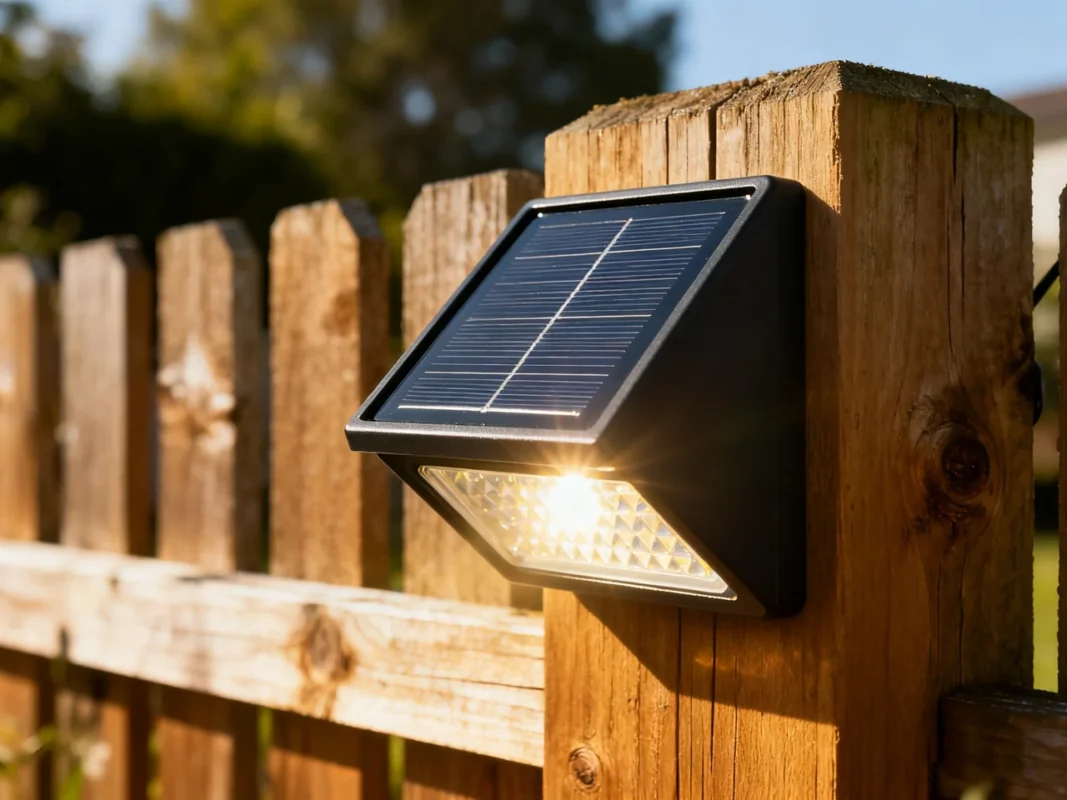
At their core, solar fence lights are elegantly simple. They bring together four components—solar panel, rechargeable battery, LED light source, and a built-in sensor—creating a self-powered lighting solution. During the day, the solar panel soaks up sunlight and converts it into electricity. This energy is stored in the battery and released after sunset as the LED illuminates the space.
What sets a solar fence light apart from other outdoor fixtures is its fully autonomous nature. There’s no wiring. No timers to fuss with. No complicated setup. The dusk-to-dawn sensor does all the work, automatically switching the light on at night and off at sunrise.
Common Uses and Applications
Because they’re so flexible, solar fence lights show up in a wide variety of places:
- Backyard and perimeter fences
- Garden fences and raised bed edges
- Gate entrances
- Walkways and pathways adjacent to fencing
- Deck fencing and railing
- Pool area fencing
- Side yards and narrow exterior corridors
If you’re renovating an outdoor entertaining space, solar lights for fences can instantly elevate the mood with soft, ambient lighting. If your main goal is security, evenly spaced lights along the fence line help eliminate dark pockets where intruders might hide. And if you simply want to highlight the architecture of your yard, the right fence lighting offers a beautiful decorative touch.
Why Solar Fence Lights Work So Well on Fences
Beyond convenience, fences are the perfect platform for solar lighting:
- Ideal height for sun exposure Mounted high enough to catch daylight but low enough for easy access.
- Continuous linear surface Allowing for symmetrical, evenly spaced fixtures.
- Great for accent lighting The glow helps define edges and visually frame the outdoor space.
- Simple installation No digging, wiring, trenching, or structural changes.
In short, if you want a dramatic nighttime transformation without complicated work, solar fence lights offer the perfect balance of practicality and beauty.
Are Solar Fence Lights Worth It? (Benefits vs. Limitations)
The Benefits
Eco-Friendly & Cost-Effective
With solar fence lights, the sun pays your lighting bill. After the initial purchase, they cost nothing to run. Because they consume solar energy instead of electricity, you can illuminate your entire fence—sometimes dozens of units—without raising your monthly energy bill.
Easy Installation & Versatility
Whether you’re a DIY beginner or a seasoned home-improvement pro, installing a solar fence light is refreshingly simple. Because they require no wiring, they’re ideal for:
- Renters
- Older fences
- Remote areas of the property
- Spots far from electrical outlets
Their versatility also extends to various fence types—wood, vinyl, metal, composite, bamboo, and beyond.
Improved Aesthetics & Ambience
Fences with solar lights create a warm, inviting after-dark atmosphere. They spotlight textures, highlight landscaping, and bring definition to the property line. Softly glowing lights transform the fence into a design feature rather than a mere boundary.
Security & Nighttime Visibility
Lighting isn’t just about looks. Well-placed solar fence lights support home security by:
- Deterring intruders
- Illuminating dark corners
- Making pathways safer to navigate
- Increasing visibility near gates and entrances
This security boost comes without wiring, power sources, or rising utility costs.
Low Maintenance & Long Lifespan
With proper care, solar fence lights can last several years. The LED components often last tens of thousands of hours. The battery and panel performance remain strong with occasional cleaning and maintenance. Compared with wired lights, they require significantly less ongoing effort.
The Limitations
Dependence on Sunlight
Solar lights only function as well as their access to sunlight. If your fence is shaded by trees or structures, charging may be inconsistent. Overcast regions or winter months can reduce performance.
Battery Degradation Over Time
Even high-quality rechargeable batteries degrade eventually. They may need replacement every few years, depending on usage and climate.
Quality Variability
Cheap models may look appealing, but low-grade materials will fade, crack, or stop working prematurely. Investing in solid construction, weatherproofing, and durable components is essential.
Weather & Environmental Influence
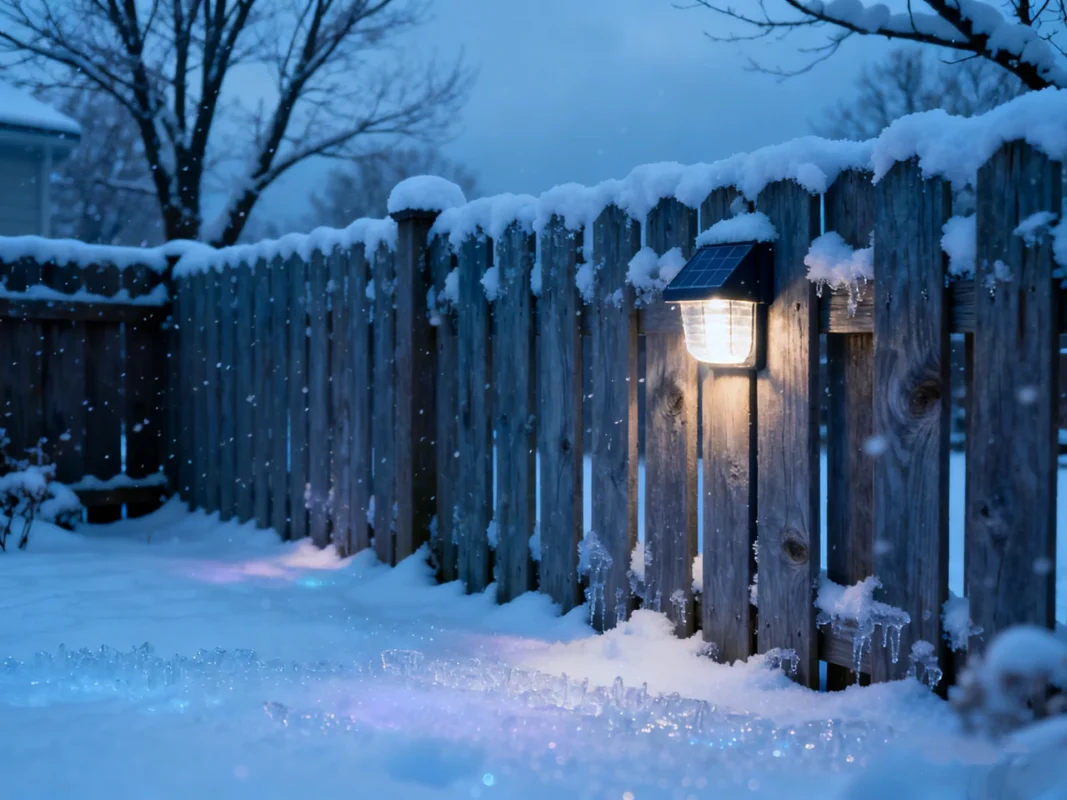
Extreme cold, high humidity, storms, and coastal salt exposure can wear on outdoor lights. Weather-resistant housings and sealed components mitigate this, but climate is always a factor.
Are They Worth It?
For the overwhelming majority of homeowners, yes—solar fence lights are absolutely worth it. They provide beauty, security, cost savings, and convenience in one effortless package. With even modest sunlight and responsible upkeep, they deliver long-term value far beyond their price tag.
How to Choose the Right Solar Fence Lights
Choosing the right solar fence lights can make the difference between a fence line that glows beautifully every night—and one that flickers, fades, or disappoints after a few months. Because these lights are designed to live outdoors through rain, heat, winter storms, and long-term sun exposure, it’s worth taking the time to select models with the right materials, construction, and performance features. If you’re exploring broader outdoor solar options, you can also review a wide range of solar lights here to better understand different lighting styles and performance features.
Quality of Components: Solar Panel, Battery, LED, and Housing Material
The foundation of good solar fence lights is the hardware inside them. Even if the fixture looks stylish on the outside, the internal components determine how well it charges, how bright it shines, and how long it will last.
Solar Panel Efficiency
A high-quality solar panel absorbs sunlight more quickly and converts a greater percentage of that energy into usable power. Look for:
- Panels that are large enough to charge efficiently
- Good sun exposure requirements and solid construction
- Panels angled or adjustable to capture maximum daylight
The more efficient the panel, the more consistent the lighting performance—especially during winter or on cloudy days.
Rechargeable Battery Capacity
The battery is what powers the LED light once the sun goes down, so its size and quality matter. A larger-capacity battery means the light can stay on longer and remain bright even after several cloudy days. When batteries begin to weaken with age, choosing lights that allow battery replacement ensures continued performance without buying entirely new fixtures.
LED Light Output
A reliable LED is crucial for brightness, energy efficiency, and longevity. LEDs used in premium outdoor lighting typically offer tens of thousands of hours of life and maintain consistent color and intensity. Always check the lumen rating—higher lumens mean a brighter glow.
Durable Housing Material
Outdoor lighting takes a beating from wind, heat, cold, humidity, and UV exposure. That means the outer shell of a solar fence light must be made from tough, weather-resistant materials. Look for:
- Waterproof or sealed casings
- Rust-resistant and UV-resistant finishes
- Impact-resistant construction
Sturdy materials protect the internal components and extend the lifespan of your lights.
Light Output & Coverage
Every yard has unique lighting needs. Before choosing your solar fence lights, consider the purpose behind your installation:
- Decorative glow: Soft, warm light along the fence line
- Security: Brighter illumination for visibility and safety
- Functional path lighting: Even spread of light along walkways or entrances
- Accent lighting: Highlighting fence textures or landscaping
The lumen rating, beam angle, and color temperature all influence the look and effectiveness of your fence lighting. Warm-toned lights create a cozy ambiance, while cooler tones enhance visibility and clarity.
Spreading lights evenly along the fence creates a polished, professional look. For higher fences, you may want fixtures with adjustable angles to direct light downward or outward as needed.
Mounting Style & Flexibility
Solar fence lights come in several mounting styles, and choosing the right one depends on your fence material, aesthetic preferences, and whether you want a temporary or permanent setup.
Side-Mounted Fixtures
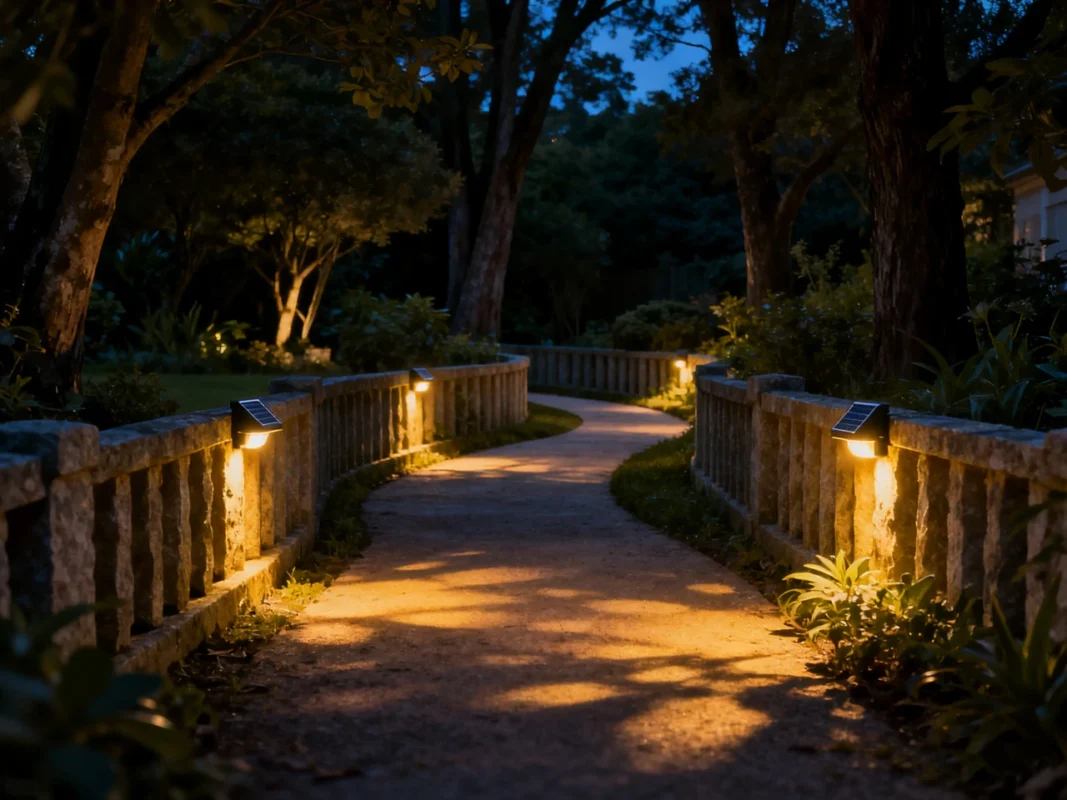
Great for wooden, vinyl, or composite fences. These attach directly to the fence posts or panels and offer subtle, focused beams.
Top-Mounted Lights
Installed along the top rail or fence cap, these fixtures cast illumination on both sides of the fence and provide excellent coverage. They’re ideal for fences surrounding patios, yards, and garden beds.
Hanging and Clip-On Designs
Perfect for areas where you prefer not to drill holes—such as metal fences or rented properties. They’re flexible, quick to install, and easy to reposition.
Adjustable-Angle Fixtures
Lights with adjustable angles give you more control over where the illumination is directed. They’re ideal when you want to avoid glare or highlight specific areas of your yard.
By selecting the right mounting method for your fence type, you’ll create a more even and visually appealing lighting pattern.
Extra Features That Improve Performance
Not all solar fence lights are created equal. Some models include additional features that improve efficiency, energy conservation, or convenience.
Dusk-to-Dawn Sensor
Automatically turns the light on when the sun sets and off at sunrise. This hands-free function maximizes energy usage and ensures consistent nightly illumination.
Motion Sensors
Perfect for enhancing security or saving battery power. Motion-activated lights stay dim or off until someone approaches, then brighten immediately.
Timers and Brightness Adjustments
Some lights allow you to set how long they stay illuminated or adjust brightness levels. Lower brightness can extend battery life during short winter days, while higher settings work well for gatherings or areas where security lighting is essential.
Angle Adjustability
A swiveling solar panel or adjustable LED head helps improve charging and illumination. Adjusting the panel to maximize sun exposure ensures better nighttime performance.
Durability & Weather Resistance
Outdoor lighting is only as reliable as its ability to withstand the elements. Since solar fence lights will remain outside year-round, weather resistance is non-negotiable.
Waterproof Design
Look for lights with sealed casings and components protected from moisture. This keeps rain, dew, and humidity from damaging electronics.
UV Resistance
Sun exposure can cause some materials to crack, fade, or become brittle. UV-resistant housings maintain their appearance and strength longer.
Rust and Corrosion Protection
If your climate includes heavy rain or salt air, corrosion-resistant materials help maintain both performance and appearance.
Impact-Resistant Construction
A sturdy frame protects the lights from wind, branches, pets, and general outdoor wear and tear.
Selecting durable, weatherproof solar fence lights means fewer replacements and more reliable year-round lighting.
How to Install Solar Lights on a Fence
Installing solar fence lights is one of the easiest ways to update an outdoor space without rewiring, trenching, or hiring an electrician. Most homeowners can complete the entire process in under an hour, even without prior experience. The key is understanding your fence type, choosing the correct mounting approach, and positioning the lights so they receive enough sunlight to perform well. With a few basic tools and some planning, you can transform ordinary fencing into an inviting, illuminated feature that adds safety, ambiance, and curb appeal.
Tools and Materials Needed
Because solar lights for fences rely entirely on sunlight, the installation process is incredibly straightforward. That said, having the right tools makes everything cleaner, safer, and more precise.
Common Tools You May Need
- A tape measure for accurate spacing
- A pencil or marker for marking drill points
- A screwdriver (manual or electric)
- A drill with appropriate bits (if screws are required)
- Outdoor-rated adhesive or double-sided mounting tape (optional)
- Zip ties, hooks, or clips for non-permanent mounting
Optional Items
- A level to ensure lights are straight
- Weather-resistant mounting strips for fences where drilling isn’t ideal
- Alcohol wipes for cleaning the fence surface if using adhesives
Preparing your tools beforehand helps the entire installation go smoothly and ensures each solar fence light sits securely and evenly.
Step-by-Step Installation Guide
Step 1: Plan the Layout
Start by walking the length of your fence during the day and noting where you want your lights to go. Consider the spacing, the height, and the purpose of the lighting—whether you’re illuminating a pathway, brightening a dark corner, or simply creating an inviting atmosphere. Mark your chosen locations lightly with a pencil.
Step 2: Check Sunlight Exposure
Because the performance of solar fence lights depends entirely on the sun, identifying spots that receive several hours of direct sunlight is essential. Avoid placing lights beneath heavy foliage, under roof overhangs, or in areas that stay shaded most of the day. If the fence faces north or sits in a dim area, choose positions where panels can tilt slightly upward for better exposure.
Step 3: Attach the Lights
Depending on the mounting style of your solar fence light, you may be drilling, hanging, sticking, or clipping the fixture into place.
- For screw-mounted fixtures: Hold the light against the fence, mark the screw hole positions, drill pilot holes, and secure with screws. Tighten gently to avoid stripping the wood or cracking the fixture.
- For adhesive-mounted fixtures: Clean the surface thoroughly, let it dry, apply the adhesive backing, and press firmly for 20–30 seconds. This works well on vinyl, metal, or composite fences where drilling might be undesirable.
- For clip-on or hook-style fixtures: Simply hang the lights over the fence rail or panel. This option is great for renters or for seasonal lighting setups.
Step 4: Turn On and Test
Once the lights are mounted, flip the switch (usually located underneath or inside the housing) and let them charge for a full day. After sunset, walk around the fence line to ensure the coverage looks even and the placement feels natural.
Step 5: Adjust Angle or Position if Needed
Some lights allow you to angle the solar panel or adjust the light direction. Small tweaks can dramatically improve charging efficiency and brightness. If a few areas still feel too dim, consider adding additional solar lights for fences to fill in the gaps.
Tips for Positioning Lights for Maximum Sunlight
Getting the most out of your solar fence lights means being intentional about where you place them. Even small changes can improve performance.
Positioning Tips
- Place lights where they can receive at least 6–8 hours of sunlight daily.
- Avoid mounting beneath dense tree canopies or behind structures that cast long shadows.
- For fences that run east–west, mount lights higher to capture more direct sunlight throughout the day.
- In shaded yards, choose mounting locations that allow the solar panel to tilt upward toward open sky.
- If possible, clean solar panels monthly to remove dust, pollen, and debris that reduce charging efficiency.
Good positioning not only extends the lifespan of each solar fence light but also ensures you get dependable illumination night after night.
Real-Life Use Cases & Best Practices
Backyard & Garden Lighting
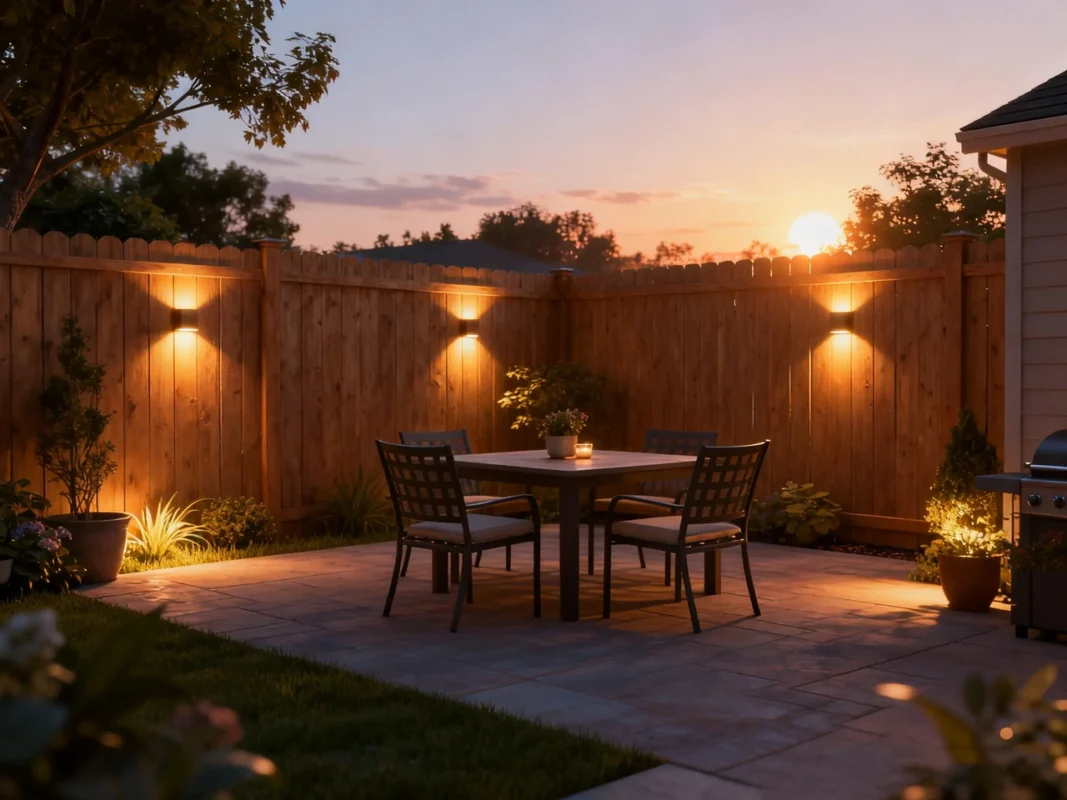
Fences are often the structural backbone of a backyard. When paired with solar fence lights, they add dimension, definition, and warmth to nighttime gatherings. Surrounding a patio with fences with solar lights creates a soft perimeter glow that complements outdoor dining or firepit sessions.
Security & Perimeter Lighting
Even if atmosphere isn’t your goal, security probably is. Strategically spaced solar fence lights can illuminate the entire boundary of your property. Gates, corners, and alcoves benefit especially from added visibility.
Retrofitting Existing Fences
If your fence wasn’t wired for lighting during installation, don’t worry. Solar lights for fences make retrofitting painless. Because they don’t rely on the electrical grid, you can install them on fences old or new—no electrician required.
Common Concerns & How to Address Them
Even though solar fence lights have become a popular choice for homeowners looking to illuminate outdoor spaces in a simple, energy-efficient way, it’s normal to have a few concerns before installing them. Whether you’re worried about durability, brightness, weather resistance, or long-term reliability, most issues can be prevented—or easily solved—with the right knowledge. This section walks through the most common concerns people have and offers practical, real-world solutions to help you get the best results from your solar fence light setup.
Dealing with Shaded Areas
One of the most frequent concerns is whether solar lights for fences will charge properly in yards with partial shade. Since solar lights rely on direct sunlight, shaded locations can affect both brightness and runtime.
What You Can Do
- Move the fixture slightly higher or lower to capture more direct sunlight. Even a shift of a few inches can make a difference.
- Angle the solar panel upward when possible so it faces open sky rather than trees or rooflines.
- Use reflective surfaces nearby, such as light-colored fence caps, which can bounce a bit of extra light onto the panel.
- Spread the lights out more evenly, placing additional fixtures in brighter spots to balance areas that naturally receive less sun.
Even in partially shaded yards, thoughtful placement almost always improves charging efficiency and overall performance.
Ensuring Long-Lasting Battery Performance
Because solar fence lights operate on rechargeable batteries, it’s natural to wonder how long those batteries will last before needing replacement. Over time, all rechargeable batteries lose capacity, but proper care can extend their life significantly.
How to Maximize Battery Life
- Allow full charging cycles whenever possible, especially during the first few days after installation.
- Clean the solar panel regularly to ensure the battery receives maximum energy input.
- Replace the battery when performance drops, rather than buying an entirely new fixture. Many lights use standard sizes you can swap out easily.
- Avoid mounting in deep shade, which can cause batteries to drain faster than they recharge.
Most batteries in well-made solar fence lights last one to three years, and simple maintenance helps keep them operating reliably night after night.
Weather Resistance and Durability
Outdoor lighting must withstand rain, heat, snow, dust, and changing temperatures. A common concern is whether fence lighting can hold up year-round without cracking, fogging, or short-circuiting.
Key Solutions
- Choose lights with sealed, waterproof housings that prevent moisture from reaching the internal components.
- Opt for UV-resistant materials that resist sun damage and discoloration over time.
- If you live in an area prone to freezing temperatures, install lights that have impact-resistant casings to prevent cracking.
- For coastal climates, select fixtures made from rust-resistant materials to combat salt exposure.
Most users are pleasantly surprised by how well-designed solar fence lights handle varying weather conditions when built with durable materials.
Preventing Overly Dim Lighting
A common frustration is when solar lights cast a glow that’s weaker than expected. This issue can stem from placement, battery charge, LED type, or even environmental conditions.
How to Improve Brightness
- Ensure the solar panel receives full sun for at least 6–8 hours.
- Wipe off dust, pollen, and dirt that block sunlight from reaching the panel.
- Increase the number of lights along the fence if you’re trying to brighten a larger area.
- Choose lights with a higher lumen output if you want stronger illumination.
- Look for fixtures with adjustable light angles so the glow is directed exactly where you want it.
Proper installation and regular maintenance typically solve dimness problems and help your solar fence light stay bright for years.
Combining Solar Fence Lights with Other Outdoor Lighting
While solar fence lights provide a steady glow along the perimeter, combining them with other lighting layers can elevate your outdoor design dramatically.
For example:
- String lights can stretch across patios or pergolas while the fence lights define the edges.
- Solar path lights complement fences by brightening walkways.
- Spotlights aimed at trees or architectural features add depth.
This layered approach brings dimension and warmth, making your outdoor space enjoyable even after dark.
Conclusion & Recommendations
Adding solar fence lights to your backyard isn’t just a trend—it’s a smart upgrade that blends beauty, practicality, and sustainability. Whether you want to illuminate a garden path, enhance home security, or create an inviting evening retreat, fences with solar lights deliver impressive value without complicating your outdoor setup.
When you choose high-quality materials, plan your placement, and maintain the panels and batteries, your solar lights for fences can easily last years—casting a warm glow that makes your yard feel safer, brighter, and infinitely more welcoming.
If you’re ready to elevate your outdoor space, installing a solar fence light is one of the easiest and most rewarding changes you can make. Let your fence shine—and let the sun do all the work.
Frequently Asked Questions
Are solar fence lights worth it?
Yes—solar fence lights are absolutely worth it for most homeowners. They provide night-to-night illumination without raising your electric bill, and they install easily without wiring or professional help. Because they rely on renewable energy, they’re also an environmentally friendly option for long-term outdoor lighting. Whether you want to increase visibility, add security, or create a warm ambiance, fences with solar lights deliver excellent value with minimal maintenance.
What are the best solar fence lights?
The best solar fence light for your property depends on your goals. If you want a soft decorative glow, lower-lumen fixtures with warm tones work beautifully. For security or pathway visibility, choose higher-lumen lights with adjustable angles. Look for models with durable housing, efficient solar panels, long-lasting batteries, and weatherproof construction. Most importantly, select lights that match your fence material and the amount of daily sunlight your yard receives.
How to add lighting to a fence?
Adding lighting to a fence is surprisingly easy. Start by choosing the right style—side-mounted, top-mounted, hanging, or clip-on—and plan your layout. Install each fixture at an equal spacing for a polished, cohesive appearance. Solar lights are the simplest option since they don’t require wiring. Just secure the fixtures with screws, adhesive, hooks, or clips, depending on your fence type. Once mounted, the lights charge during the day and automatically illuminate after dusk, providing effortless fence lighting every night.
Can you hang solar lights on a fence?
Yes, you can hang solar lights for fences using hooks, clips, or bracket-style mounts. This method is especially useful for metal or composite fences, where drilling holes may not be ideal. Hanging lights is also perfect for renters who need a non-permanent installation. Just ensure the solar panel faces open sky so the lights charge fully during the day.
How to attach solar lights to a fence without screws?
If you want a no-drill installation, there are several reliable options:
• Heavy-duty outdoor adhesives
• Double-sided mounting tape
• Clip-on brackets
• Zip ties for wire-style or hanging fixtures
These screw-free methods work well on vinyl, aluminum, or composite fences. They’re secure yet removable, making them ideal for temporary or seasonal lighting setups.
How long do solar fence lights last?
Most solar fence lights last several years when properly maintained. The LED components often last 20,000 hours or more. The rechargeable batteries typically perform well for one to three years before needing replacement. Keeping the solar panel clean, ensuring adequate daily sunlight, and replacing worn batteries as needed will extend the lifespan of the entire lighting system.
Do solar fence lights work in winter?
Yes, solar fence lights work in winter, but their runtime may be shorter due to fewer daylight hours and lower solar intensity. Positioning lights where they receive maximum exposure, clearing off snow, and keeping panels clean can significantly improve performance during cold months.
Do solar lights charge on cloudy days?
Solar lights do charge on cloudy days, but at a reduced rate. The panel still absorbs indirect sunlight, which is usually enough to power the light for several hours after sunset. In stretches of very cloudy weather, you may notice slightly dimmer light or shorter illumination periods.
How do I keep solar lights bright?
To maintain brightness:
• Clean the solar panel monthly
• Ensure the panel isn’t shaded by foliage or structures
• Replace aging batteries when illumination becomes weaker
• Position lights for optimal sun exposure
• Choose lights with enough lumens for your desired effect
Proper care keeps each solar fence light glowing consistently throughout the year.
Can solar fence lights stay out in heavy rain?
Quality solar lights for fences are designed to stay outdoors year-round, including during heavy rainfall. Look for fixtures with sealed, waterproof housings to prevent moisture from damaging internal components. Regularly inspect the casing for cracks or loose seams to ensure long-term weather resistance.