

Table of Contents
Lighting is no longer just about illumination—it’s about creating the perfect ambiance, saving energy, and maximizing control over your indoor and outdoor environments. Dimmable LED lights have become the go-to solution for homeowners, designers, and DIY enthusiasts who want the flexibility of adjusting brightness without sacrificing efficiency. But if you’ve ever tried to dim LEDs only to encounter flickering, buzzing, or uneven light, you know it’s not as straightforward as traditional bulbs.
This guide dives deep into everything you need to know about dimming LED lights, choosing the right dimmers, troubleshooting common issues, and even how LED dimming works with solar light setups.
Understanding Dimmable LED Lights
What Are Dimmable LEDs?
At its core, a dimmable LED light is designed to safely reduce its brightness while maintaining color quality and efficiency. Unlike standard LEDs, these bulbs and fixtures contain drivers that regulate voltage and current, allowing smooth dimming without flickering or shortening the bulb’s lifespan.
Think of it this way: standard LEDs are like water pipes—they deliver a fixed flow. Dimmable LEDs are like adjustable valves—you control the flow without damaging the system. This flexibility is why dimming LED lights are increasingly used in living rooms, kitchens, bedrooms, and even outdoor settings where mood lighting is key.
From a practical perspective, dimmable LEDs offer:
- Energy savings: Lower brightness equals lower energy consumption.
- Longer lifespan: Reduced stress on the LED driver can extend bulb life.
- Enhanced ambiance: Whether it’s cozy indoor light or subtle solar light, you can adjust the mood with a simple slide of a dimmer.
Dimmable vs Non-Dimmable LED Bulbs
Many people assume all LEDs can be dimmed—but that’s a common misconception. Non-dimmable LEDs lack the circuitry to handle varying voltage safely. If you put a non-dimmable LED in a dimmable socket, you risk flickering, buzzing, or even permanent damage. In some cases, the bulb may fail immediately, leaving you frustrated and with wasted money.
On the other hand, dimmable LEDs are engineered to handle voltage fluctuations safely. They respond predictably to dimmer adjustments, maintaining color stability and consistent output. For instance, when paired with the right dimmer, you can smoothly transition from bright task lighting to soft, relaxing ambient light without any flicker.
Key Takeaway:
- Non-dimmable LEDs in dimmable setups = flicker, buzzing, or damage.
- Dimmable LEDs with compatible dimmers = smooth, reliable dimming and longer lifespan.
This distinction is critical when designing your lighting system or upgrading your home with indoor light and solar light solutions.
Benefits of Using Dimmable LEDs
The advantages of dimmable LED lights extend beyond simple brightness control:
- Energy Efficiency: Dimming reduces power draw significantly. A LED dimmed to 50% brightness consumes roughly half the energy, unlike traditional incandescent bulbs where dimming has a minimal effect on energy usage.
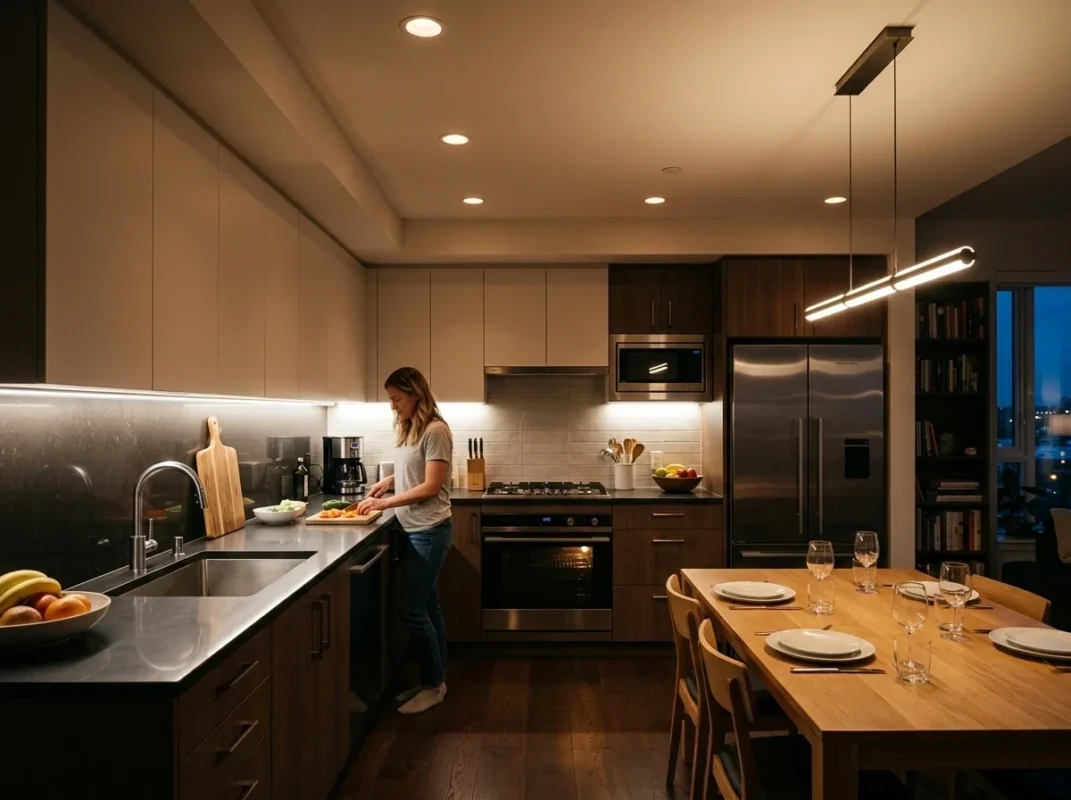
- Customizable Ambiance: From cinematic home theaters to intimate dinner settings, adjusting brightness changes the feel of the space instantly. Even outdoor solar light setups benefit from dimming, allowing softer glow during evenings while conserving battery life.
- Longevity: By reducing electrical stress on the LED driver, dimming can extend the lifespan of your bulbs by 20–30% in some scenarios, making it a smart long-term investment.
- Compatibility with Modern Smart Systems: Many dimmable LEDs work seamlessly with home automation systems, enabling schedules, motion sensors, and app-controlled lighting.
How LED Dimming Works
Methods of Dimming LED Lights
If you’ve ever asked yourself, “how do you dim LED lights?”, understanding the methods is crucial. LEDs don’t dim the same way as incandescent bulbs. There are three main techniques:
- Leading-Edge Dimming (Forward Phase)
This is the traditional method used for incandescent bulbs. The dimmer cuts off the beginning of each AC cycle, reducing power to the bulb. Some dimmable LEDs can work with leading-edge dimmers, but many experience flickering if not designed for it.
- Trailing-Edge Dimming (Reverse Phase)
Here, the dimmer chops off the end of each AC cycle. Trailing-edge dimmers provide smoother control, reduced buzzing, and are more compatible with low-wattage LEDs.
- PWM (Pulse Width Modulation)
PWM dims by rapidly turning the LED on and off at high speed. This method is common in low-voltage LEDs, including solar light fixtures, and ensures very smooth dimming without flicker.
Each method has pros and cons. For example, trailing-edge dimming is preferred for residential indoor light applications, while PWM is often used for LED strips and portable lighting. Understanding these methods can save you headaches when upgrading or troubleshooting your system.
Common Challenges in LED Dimming
Even with dimmable LEDs, issues can arise if compatibility isn’t carefully considered. Some of the most frequent problems include:
- Flickering: Usually caused by incompatible dimmers, low-load conditions, or cheap LEDs.
- Buzzing or humming: Electrical interference between the dimmer and the LED driver.
- Uneven dimming: Some LEDs may not dim to very low levels, leaving a faint glow even at minimum settings.
Practical tip: Always check the wattage of your dimmer against the combined wattage of your LEDs. Low-load conditions often trigger flicker, while overloading can damage the dimmer or LEDs.
Expert Insight:
An experienced lighting engineer once noted:
“Pairing high-quality dimmable LEDs with the right dimmer is the single most important factor for achieving smooth LED lights dimming without flicker or noise.”
This principle holds true whether you’re upgrading indoor light in a living room or adjusting solar light intensity in a backyard garden.
Choosing the Right Dimmer for LED Lights
Selecting the correct dimmer is critical for achieving smooth and reliable performance with dimmable LED lights. Using the wrong dimmer can cause flickering, buzzing, or even shorten the lifespan of your LEDs. To ensure optimal results, you need to understand dimmer types, compatibility, and practical installation considerations.
Why Traditional Dimmers May Fail with LEDs
Traditional dimmers were designed for incandescent or halogen bulbs, which draw high resistive loads. LEDs, in contrast, have low wattage and include electronic drivers that regulate current. When a standard dimmer is used:
- The dimmer may not reach the minimum load threshold, causing flicker or intermittent operation.
- Buzzing or humming can occur due to the mismatch between the dimmer’s voltage control method and the LED driver.
- Long-term stress can reduce LED lifespan or damage the dimmer.
This is why dimmers and LED bulbs must be carefully paired. Even if the dimmer physically fits, electrical compatibility is the key to smooth led lights dimming.
Matching Wattage and Load
Even the correct dimmer type can fail if load requirements aren’t met:
- Minimum Load: Some LED dimmers require a minimum wattage to function properly. Too few LEDs can trigger flickering.
- Maximum Load: Overloading a dimmer with too many LEDs can cause overheating or failure.
- Always calculate the total wattage of all led bulbs in dimmers before installation.
Proper load matching is a small step that pays off with stable dimming LED lights performance and extended device longevity.
Wiring and Installation Considerations
For multi-way switches or larger installations:
- Check if the dimmer requires a neutral wire. Older homes may lack this, which can affect performance.
- Ensure all dimmers in a circuit are compatible and designed for multi-way setups.
- Avoid mixing different types of dimmers on the same circuit to prevent flicker or uneven dim lighting.
Professional tip: Label your dimmer and LED combinations for future troubleshooting. This simple habit can save hours if changes or repairs are needed.
Tips for Optimizing LED Dimming
- Always test one bulb with the dimmer before full installation.
- Use high-quality dimmable LED lights to ensure smooth dimming at low levels.
- Gradually adjust dimming from maximum to minimum to verify consistent brightness and no flickering.
- For solar light setups, confirm that the dimmer or controller is compatible with the LED driver to avoid power inefficiency or flicker.
By following these practices, you’ll maximize the efficiency, lifespan, and smooth operation of your led lights dimming system, creating comfortable and reliable lighting for both indoor and outdoor spaces.
Installation and Practical Tips for Smooth LED Dimming
Installing dimmable LED lights correctly is crucial for achieving reliable, flicker-free performance. Even high-quality LEDs can misbehave if dimmers are incompatible or wiring is improper. Whether you’re upgrading a single room or setting up a whole-house lighting system, these practical tips ensure smooth LED lights dimming and long-term performance.
Preparing for Installation
Before touching a single wire or fixture:
- Confirm Bulb Compatibility: Only use LEDs labeled “dimmable.” Non-dimmable LEDs can flicker, buzz, or fail in a dimming circuit.
- Select the Right Dimmer: Match dimmer type to your LED load (trailing-edge, leading-edge, or PWM). Check wattage limits to prevent under- or overloading.
- Turn Off Power: Safety is paramount. Switch off the circuit breaker before working with switches or fixtures.
- Gather Tools and Materials: Screwdrivers, wire nuts, voltage tester, and the LED-compatible dimmer. Preparing everything ahead of time avoids errors mid-installation.
Proper preparation ensures a smooth installation process and prevents common issues like flicker or uneven dim lighting.
Step-by-Step Installation
- Remove the Old Switch Carefully detach the existing switch, noting wiring connections. Take a photo if necessary for reference.
- Install the Dimmer
- Connect the dimmer wires according to instructions, typically line, load, and ground.
- If the dimmer requires a neutral wire, ensure it’s connected; missing neutral can cause flicker.
- Mount the Dimmer Secure the dimmer in the electrical box, making sure no wires are pinched.
- Install Dimmable LEDs
- Insert bulbs or fixtures into the sockets.
- For multi-light circuits, make sure total wattage is within the dimmer’s range.
- Test the System Gradually adjust the dimmer from maximum to minimum. Observe for flickering, buzzing, or uneven brightness. Make minor adjustments if needed.
By following this step-by-step approach, you minimize installation errors and maximize smooth dimming LED lights performance.
Troubleshooting Common Dimming Issues
Even with careful installation, you might encounter issues. Here’s how to resolve them:
- Flickering Usually caused by incompatible dimmers or low load. Adding extra dimmable LEDs or using a compatible dimmer solves the problem.
- Buzzing or Humming Often occurs when a dimmer doesn’t match the LED driver. Switching to a trailing-edge dimmer or adjusting wiring can reduce noise.
- Uneven Dimming Some LEDs cannot dim to extremely low levels. Use mid-range dimming for routine adjustments, or upgrade to higher-quality LEDs for better performance.
- Multi-Way Circuit Problems If using two or more dimmers on the same circuit, ensure all dimmers are compatible and rated for multi-way operation. Mixing dimmer types can cause flicker or uneven led lights dimming.
Expert tip: Always start by testing one fixture with the dimmer before installing multiple lights, especially for complex indoor light or solar light setups.
Optimizing Performance for Long-Term Use
To maintain smooth dimming and maximize the lifespan of both LEDs and dimmers:
- Avoid Extreme Low Dimming: Running LEDs at near-zero brightness for long periods can stress drivers. Use moderate dimming levels for daily use.
- Regular Maintenance: Dust and debris on fixtures can reduce light output and create uneven dimming. Clean fixtures periodically.
- Check Load Balance: Ensure total LED wattage stays within dimmer specifications. Low-load conditions are a common cause of flicker.
- Document Your Setup: Keep a record of dimmer type, bulb wattage, and circuit layout. This simplifies troubleshooting or upgrades in the future.
Following these practices ensures consistent, flicker-free dimming LED lights and improves the longevity of your lighting system.
Expert Advice for DIYers and Professionals
- Test Before Full Installation: Install a single LED and dimmer first to verify compatibility.
- Use High-Quality Components: Cheap LEDs and dimmers increase the likelihood of flicker, buzzing, or uneven dimming.
- Plan for Multi-Room or Outdoor Applications: For solar light or multi-room indoor setups, ensure dimmers are synchronized, and all LEDs share similar dimming characteristics.
- Professional Consultation: For large or complex installations, consulting a lighting professional can prevent costly mistakes and optimize energy efficiency.
By incorporating these expert strategies, your dimmable LED lights will deliver reliable, smooth dimming that enhances both comfort and energy efficiency.
Enhancing Indoor and Outdoor Lighting with Dimmable LEDs
Dimmable LED lights are not just about adjusting brightness—they offer the flexibility to shape ambiance, improve comfort, and optimize energy use. Whether indoors or outdoors, understanding how to apply dimmable LEDs strategically can transform your space.
Indoor Lighting Applications
Indoor light is where dimmable LEDs truly excel, offering control and versatility for multiple settings:
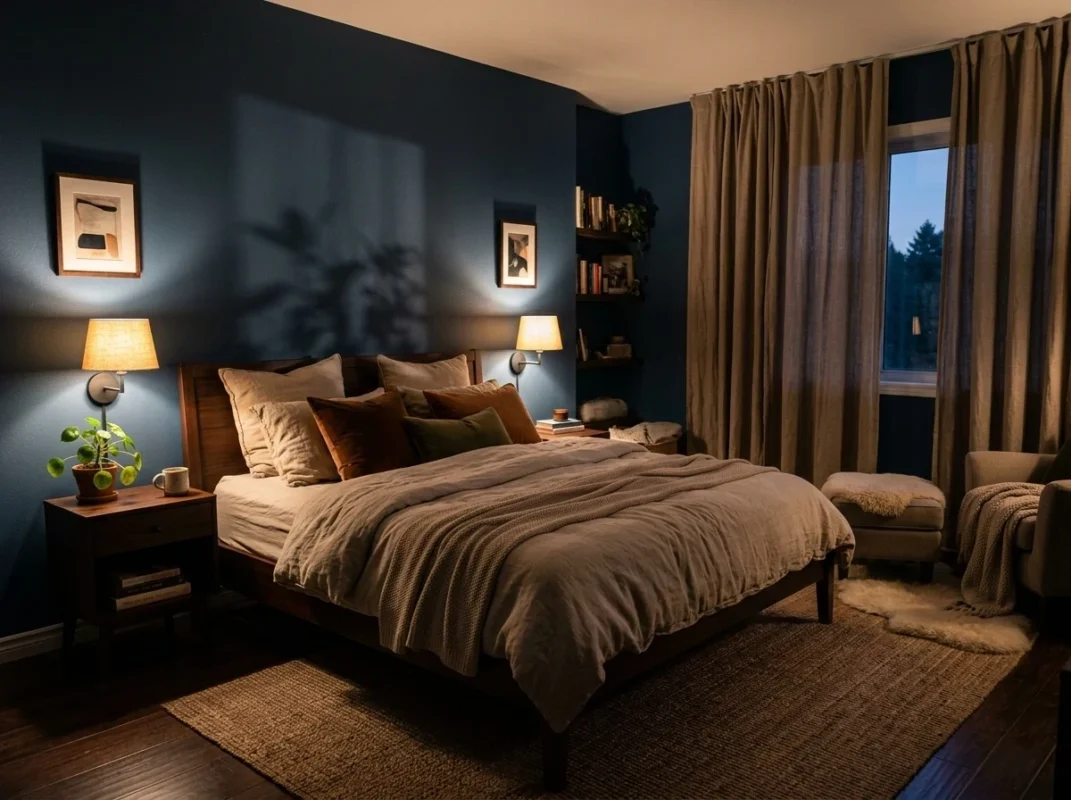
- Living Rooms and Bedrooms
- Create layers of light: overhead dimmable LEDs, accent lights for artwork, and task lighting for reading.
- Adjust brightness for different moods—soft, relaxing dim lighting in the evening, or brighter illumination during activities.
- Kitchens and Dining Areas
- Bright task lighting is essential for cooking and prep.
- Dimming during meals or gatherings enhances ambiance while reducing energy consumption.
- Home Offices and Study Areas
- Adjustable lighting helps reduce eye strain during prolonged work or reading sessions.
- Pair dimmable LEDs with desk lamps or indirect light sources to optimize comfort and focus.
Pro tip: Gradually dimming overhead and accent lights together prevents harsh shadows and ensures smooth transitions, enhancing the overall indoor experience.
Outdoor Lighting Applications
Outdoor and solar lighting can benefit greatly from dimmable LEDs, improving both functionality and aesthetics:
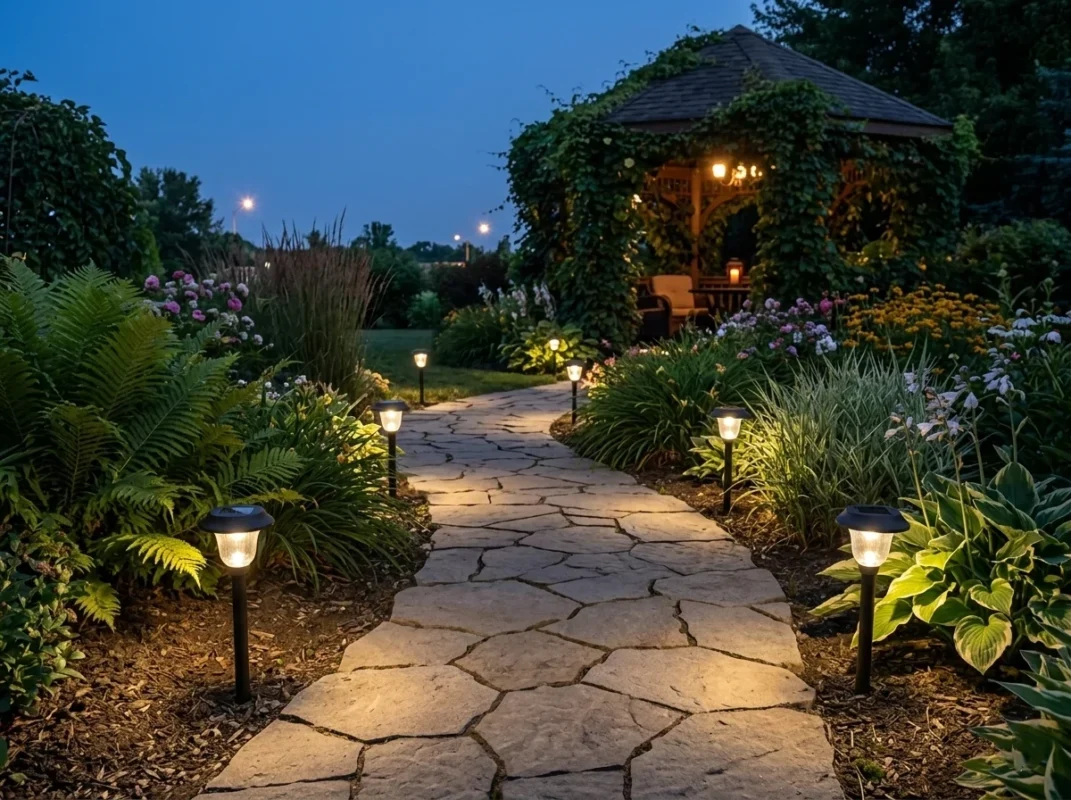
- Pathways and Gardens
- Soft dimmed LEDs create a welcoming glow without overwhelming brightness.
- Dimming conserves energy in solar-powered systems, extending battery life throughout the night.
- Patios and Decks
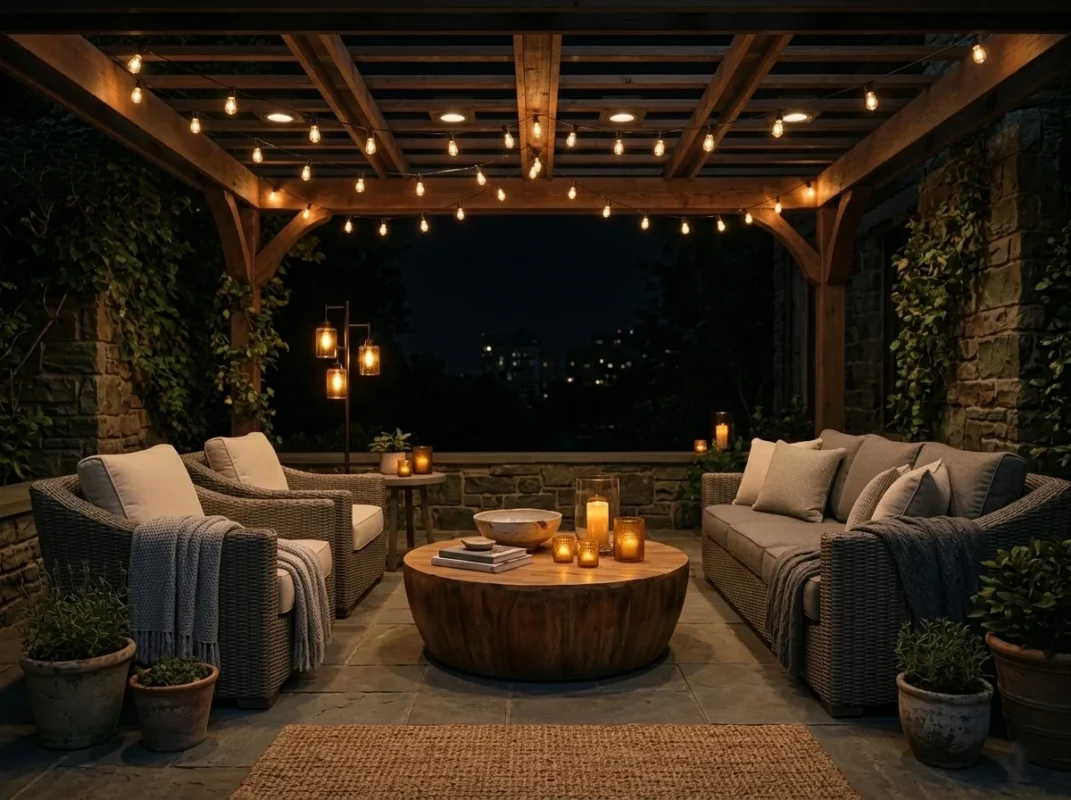
- Adjustable brightness allows a bright setting for gatherings and a softer glow for relaxation.
- Controlled dimming enhances the visual appeal and safety of outdoor spaces.
- Security and Motion-Activated Lighting
- Combine dimming with timers or motion sensors to optimize energy efficiency.
- Even at lower brightness, dimmable LEDs provide sufficient illumination for safety without excessive power use.
Expert tip: For outdoor solar light setups, ensure LED drivers and dimming controllers are compatible. Improper pairing can lead to flickering or reduced battery performance.
Maximizing Ambiance and Comfort
Dimmable LEDs allow nuanced control over light intensity, which is essential for both indoor and outdoor environments:
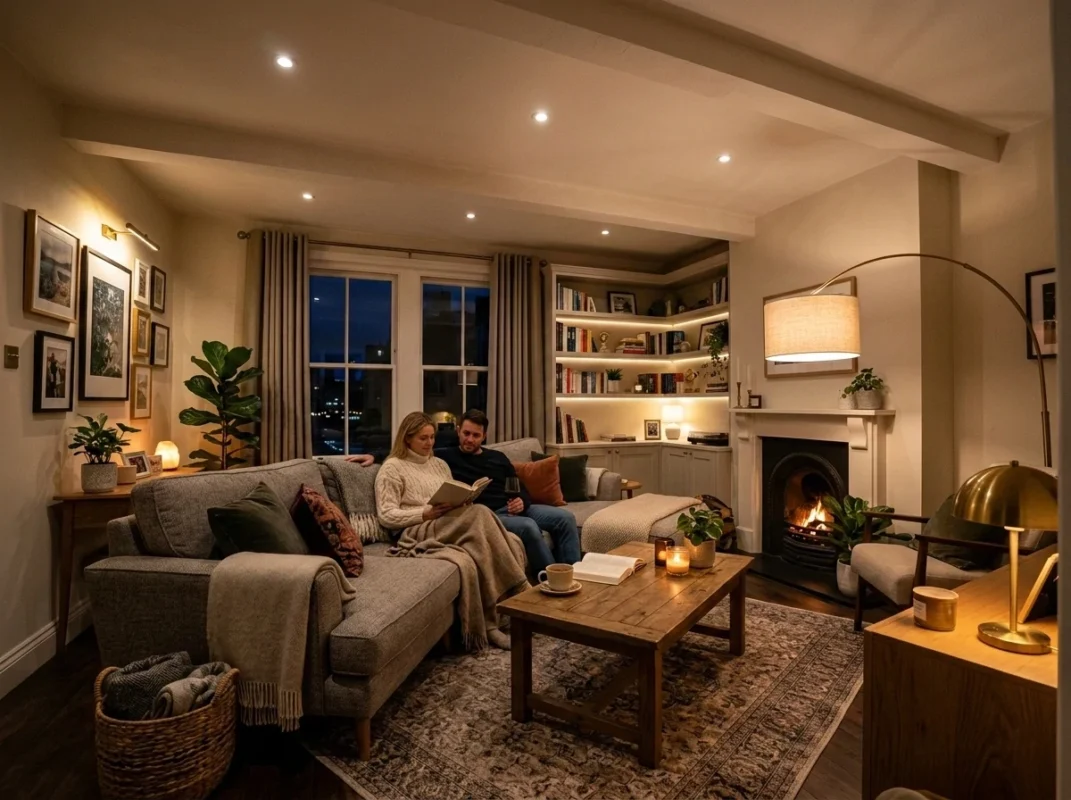
- Layered Lighting Combine ambient, task, and accent lighting. Dimming each layer independently creates a tailored atmosphere for different activities.
- Scene Control Adjust lights for dinner parties, movie nights, or quiet reading without changing fixtures. Smart dimmers or timers can automate these scenes for convenience.
- Energy Savings Dimmed LEDs consume less energy, especially important in large indoor areas or extensive solar light setups. Small reductions in brightness can translate to significant power savings over time.
Expert Recommendations for Best Results
- Consistent LED Quality Use high-quality dimmable LED lights throughout a space to avoid uneven dimming and flicker.
- Plan Circuits Strategically Group LEDs on circuits based on location and desired dimming control. Multi-way dimming requires compatible dimmers for each circuit.
- Consider Smart Control Options Automated systems allow scheduling, motion sensing, or app control, making dim lighting effortless and precise.
- Test Before Final Installation Always test your dimming setup with one fixture or a small group before committing to full installation. This reduces errors and ensures a smooth, reliable dimming experience.
- Outdoor Considerations Ensure that weatherproof enclosures and solar LED drivers are rated for outdoor conditions. Proper dimming helps preserve battery life and prevents premature fixture wear.
By following these practices, led lights dimming becomes a practical tool for comfort, efficiency, and aesthetic enhancement in both residential and outdoor settings.
Advanced Troubleshooting and Tips for Smooth LED Dimming
Even experienced DIYers and professionals encounter issues when working with dimmable LED lights. Here are advanced strategies to ensure reliable, flicker-free performance:
Addressing Complex Flicker Issues
Some flickering problems are subtle and occur only at low dimming levels. To address these:
- Check the Dim Curve
- Dimmers have a “dim curve,” controlling how brightness scales from minimum to maximum.
- Poor dim curves can cause abrupt drops or uneven dimming. Choose dimmers with smooth LED-compatible curves.
- Consider Load Balancing
- Dimmer switches have minimum and maximum wattage limits.
- If total LED load is too low, flicker can occur. Adding small resistive loads or using higher-wattage LEDs may stabilize dimming.
- Upgrade Wiring if Necessary
- Older homes with long runs or thin wiring may experience voltage drops that affect LED lights dimming.
- Upgrading wiring or using dedicated circuits for dimmable LEDs can prevent flicker.
Multi-Room and Large-Scale Dimming
When using dimmable LED lights across multiple rooms or large installations:
- Use the Same Dimmer Type: Mixing leading-edge and trailing-edge dimmers can cause uneven brightness or buzzing in shared circuits.
- Synchronize Dim Levels: For consistent ambiance, all LEDs on a circuit should have similar dimming capabilities.
- Professional Controllers for Large Spaces: Advanced dimming systems allow central control for office lighting, gyms, or large living areas. These systems often integrate smart automation, enabling scene control and scheduling.
Even in DIY setups, maintaining consistent LED quality and dimmer compatibility across a space reduces headaches and ensures professional-grade results.
Maximizing Lifespan and Efficiency
To get the most out of dimmable LED lights:
- Avoid Overloading: Keep total wattage within the dimmer’s specifications. Overloading reduces efficiency and may shorten bulb lifespan.
- Use Quality LEDs: Cheap or uncertified LEDs often fail under dimming conditions. Invest in high-grade bulbs designed for smooth dimming.
- Minimize Extreme Dimming: Running LEDs at near-zero output for extended periods may stress drivers and cause flicker. Use mid-range dimming for routine adjustments.
- Regular Maintenance: Dust and debris on fixtures can reduce light output and cause uneven dimming. Clean regularly for consistent performance.
By following these practices, you can extend the life of both the LEDs and the dimmer switch while enjoying optimal indoor light and solar light performance.
Practical Applications of Dimmable LEDs
Residential Indoor Lighting
- Living Rooms & Bedrooms: Dimmable LEDs allow layered lighting strategies, combining ceiling lights, wall sconces, and task lamps.
- Kitchens & Dining: Adjust brightness based on activity—bright for prep, dimmed for dining ambiance.
- Home Theaters: Precise control over brightness ensures immersive experiences without screen glare.
Keywords like dim lighting, dimming LED lights, and led lights dimming naturally integrate into every scenario. Smart scheduling can automate dimming, enhancing energy efficiency.
Outdoor and Solar Lighting
Solar-powered LED lights benefit significantly from dimming:
- Energy Conservation: Dimming extends battery life while providing sufficient illumination for safety or aesthetics.
- Adjustable Ambiance: Gardens, pathways, and patios can have soft glows or brighter settings as needed.
- System Integration: Advanced controllers allow dimming multiple solar lights from a single point, optimizing power management.
Practical tip: Pair high-quality LED solar fixtures with controllers designed for dimming. Avoid cheap units, which often flicker or fail prematurely.
Conclusion
Dimmable LED lights offer more than just the ability to turn the lights down—they’re a tool for energy efficiency, ambiance control, and modern lighting flexibility. Whether you’re enhancing indoor light in a cozy living room or managing solar light outdoors, understanding the interplay between bulbs, dimmers, and wiring is key to success.
Remember: flicker, buzzing, or uneven dimming is rarely a reflection of the LEDs themselves—it’s almost always about compatibility and installation. Pair high-quality dimmable LED lights with proper dimmers, follow safe installation practices, and you’ll enjoy smooth, adjustable lighting that lasts for years.
By mastering how to dim LED lights and troubleshooting common issues, you can transform any space into a professional-grade, comfortable, and energy-efficient environment.
FAQs About Dimmable LED Lights
Can LED lights be dimmable?
Yes. Only LEDs labeled as “dimmable” can safely adjust brightness. Non-dimmable LEDs may flicker, hum, or fail if used with a dimmer. Always check packaging or specifications before installation.
What happens if you put a non-dimmable LED bulb in a dimmable socket?
A non-dimmable LED in a dimmer may flicker, buzz, or stop working entirely. It can also reduce the bulb’s lifespan. Avoid using non-dimmable bulbs with dimmers to prevent damage and uneven LED lights dimming.
What is the difference between dimmable LED and normal LED?
Dimmable LEDs have drivers designed to handle voltage reduction safely, allowing smooth brightness adjustment. Normal LEDs lack this capability and may malfunction when dimmed.
Do I need a special dimmer switch for LEDs?
Yes. Traditional dimmers for incandescent bulbs often don’t work well with LEDs. Use an LED-compatible dimmer rated for the total wattage of your fixtures to prevent flickering or buzzing.
What are the methods of dimming LED lights?
The main dimming methods are:
• Leading-edge dimming: Cuts the beginning of AC cycles, suitable for some LEDs.
• Trailing-edge dimming: Cuts the end of AC cycles; smoother and better for most LEDs.
PWM (Pulse Width Modulation): Rapidly switches LEDs on and off for precise dimming, common in low-voltage or solar applications.
How do you dim LED lights effectively?
Pair dimmable LED lights with compatible dimmers, ensure total wattage is within dimmer limits, and test gradually from maximum to minimum. High-quality LEDs and proper installation are key for smooth dimming LED lights.
Can dimming LEDs save energy?
Yes. Lowering brightness reduces power consumption. In indoor light or solar light setups, dimming can extend bulb lifespan and battery life while maintaining comfortable illumination.
Do all LEDs dim to zero?
Not always. Some LEDs have a minimum dimming threshold, leaving a faint glow at the lowest setting. Choosing high-quality dimmable LEDs and matching dimmers can minimize this effect.