

Table of Contents
Lighting can dramatically impact how a space feels, functions, and even how we see ourselves in it. Whether you’re setting up your home office, designing a study nook, or selecting the perfect bulbs for your kitchen, understanding bright white vs daylight is essential. In this comprehensive guide, we’ll explore everything from the science of color temperature to choosing the right bulbs for specific tasks — all while clearly answering popular questions like “which is brighter, daylight or bright white?” and “what is daylight bulb color?”.
Lighting isn’t just about brightness — it’s about creating an environment that supports your activities, mood, and overall wellbeing. Let’s begin by breaking down the basics.
Introduction to Bright White and Daylight Lighting
Modern lighting does far more than illuminate a room. It shapes how we feel, how well we concentrate, and even how our spaces appear to others. Before diving into the deeper bright white vs daylight comparison, it helps to understand why lighting color temperature matters and how these two popular options differ on a fundamental level. Color temperature isn’t just a technical specification—it’s the backbone of how humans interpret light.
Below, we break down the essentials.
Why Color Temperature Matters
Color temperature, measured in Kelvin (K), determines whether a bulb gives off a warm glow, a crisp white beam, or a cool daylight-like radiance. The higher the Kelvin number, the cooler and more blue-toned the light appears. Lower numbers produce softer, amber-like light similar to classic incandescent bulbs.
Understanding color temperature matters because:
- It affects mood—cooler light tends to energize, while warmer light relaxes.
- It influences visibility—sharper tones highlight details better.
- It shapes the functionality of a room—each space benefits from different lighting styles.
- It impacts perception—colors and textures can look entirely different under different Kelvin levels.
When we compare bright white vs daylight, we’re essentially comparing two points on the Kelvin spectrum that look similar at first glance but offer different psychological and visual effects. Bright white usually ranges from about 3500K to 4100K, giving off a balanced neutral-white glow. Daylight bulbs fall between 5000K and 6500K, delivering a cooler, more invigorating tone similar to outdoor sunlight at midday.
Because our brains naturally respond to light cues, choosing between these two isn’t just a style preference—it directly ties into how we perform and feel throughout the day.
Main Differences at a Glance
Although bright white vs daylight may sound like two simple marketing labels, the distinction goes deeper. Their differences become clear once you understand how each tone behaves in real spaces.
Bright White (≈3500K–4100K):
- Neutral, neither yellow nor intensely blue.
- Clear and crisp, ideal for general activities.
- Creates a balanced atmosphere that avoids glare.
- Often described as clean, practical, and universally flattering to most home interiors.
Daylight (≈5000K–6500K):
- Cool, blue-white hue similar to outdoor sunlight.
- Boosts alertness and enhances fine detail visibility.
- Makes spaces feel vibrant, sharp, and high-energy.
- Ideal for task-oriented environments where clarity is essential.
In simple terms:
- Bright white is the middle ground—versatile, balanced, and practical.
- Daylight is the high-clarity option—sharp, energizing, and excellent for tasks requiring precision.
The human eye perceives daylight as slightly brighter because cooler light increases contrast. This is why, in the discussion of daylight vs bright white, daylight often gives the impression of cleaner, sharper illumination even when both bulbs have the same lumen output.
Why This Difference Matters
You might wonder why such subtle differences hold so much weight. The truth is that lighting influences nearly every part of our daily routine—how we wake up, work, study, relax, and even how we see ourselves in the mirror.
Choosing between bright white vs daylight has real implications for:
- Comfort: A neutral white helps avoid overstimulation.
- Performance: Cooler daylight tones encourage focus and alertness.
- Aesthetics: Interior colors shift under different lighting temperatures.
- Functionality: Each light type supports different tasks better.
Small decisions, like selecting a 4000K bulb instead of a 5000K one, can dramatically change how a space feels and how effectively you can perform tasks within it. That’s why understanding the difference between bright white and daylight is foundational before you choose bulbs for your home or workspace.
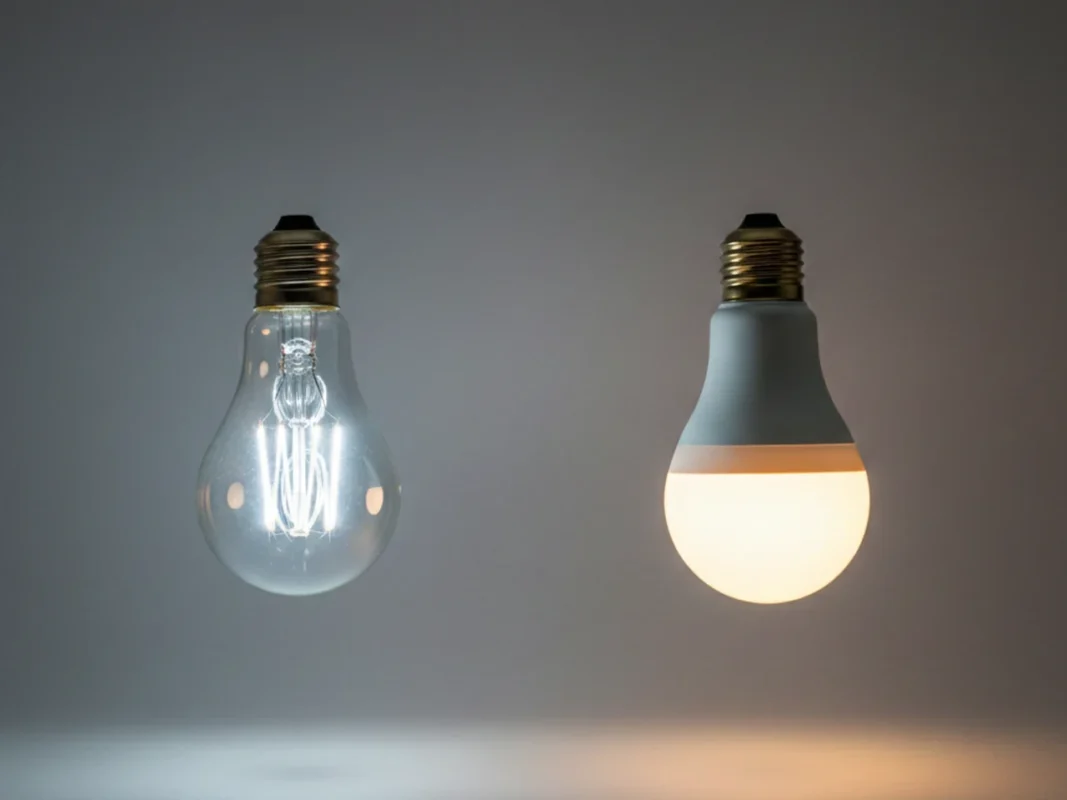
Bright White vs Daylight — Detailed Comparison
Although both lighting options sit on the cooler side of the color temperature spectrum, bright white vs daylight presents a set of differences that influence everything from atmosphere to performance. Understanding these distinctions helps you create rooms that support your daily habits, elevate productivity, and feel visually comfortable. Below, we break down what each lighting type truly offers.
What Is Bright White Light?
Bright white lighting occupies the sweet spot between warm ambient tones and crisp, bluish daylight hues. Typically ranging between 3500K and 4100K, this light color delivers a clean, neutral-white glow. Unlike warm light, which casts a golden hue, or daylight, which leans toward blue-white, bright white maintains clarity without tipping into harshness.
People often choose bright white lighting when they want:
- Balanced visibility without overwhelming coolness
- Neutral color perception that doesn’t distort décor
- Functional brightness suitable for multitasking
- A clean aesthetic in kitchens, bathrooms, and hallways
Imagine stepping into a room and feeling immediately able to see what you need, without squinting or adjusting. That’s the experience bright white tends to create — efficient, neutral, and adaptable to virtually any style. It works particularly well where you want clarity but also comfort, such as in kitchens, laundry rooms, transitional hallways, or shared living areas.
Bright white light gives you the feeling of walking into a well-lit workspace on a crisp morning: clear, organized, and ready for action.
What Is Daylight Bulb Color?
If bright white is the middle ground, daylight sits confidently at the high-clarity end of the spectrum. Usually falling between 5000K and 6500K, daylight bulb color mimics natural midday sunlight — the type of illumination you’d experience outdoors under a clear sky.
Daylight lighting:
- Maximizes detail visibility
- Boosts alertness and concentration
- Highlights textures and contrasts
- Feels invigorating and energizing
This is why daylight bulbs are commonly used in areas where fine detail matters: crafting tables, workbenches, study rooms, home offices, or makeup mirrors. The cooler light sharpens your perception, making edges, text, and colors appear more vivid. It’s also a popular choice for early-morning routines, as the tone naturally signals the brain to wake up and be alert.
Walking into a daylight-lit space feels similar to opening window shades on a bright noon afternoon — everything appears clear, sharp, and vividly defined.
Brightness — Which Is Brighter and Why?
One of the most common questions people ask is: Which is brighter: daylight or bright white?
The short answer: Daylight often appears brighter, even if both bulbs have the same lumen output.
The reason is rooted in human perception. Cooler light enhances contrast and gives the impression of increased luminosity. Even when a bright white bulb and a daylight bulb produce identical lumens, the higher Kelvin level of daylight makes the environment feel more sharply illuminated.
In simple terms:
- Daylight lighting → Feels cleaner and more intense
- Bright white lighting → Feels balanced and controlled
This perception plays a major role in how people choose lighting for workspaces versus living areas. In rooms where you need crisp focus — reading, studying, crafting, or working on a computer — many individuals gravitate toward daylight lighting because it feels stronger and more stimulating.
But keep in mind:
- Lumens measure true brightness
- Kelvin measures color tone
You can have a very bright bright-white bulb or a dim daylight bulb. What the eye notices first, however, is the tone — and daylight wins the “perceived brightness” test almost every time.
Color Appearance and Mood
Lighting doesn’t only affect how well we see — it influences how we feel.
Bright white lighting tends to create a clean, even environment. It feels active without being intense. It promotes a sense of order and practicality, making it a great choice for spaces where you want function and comfort to blend.
Daylight lighting, on the other hand, triggers alertness and sharper mental engagement. The high Kelvin range stimulates the brain similarly to natural daylight outdoors. That’s why people often report feeling more awake or focused when working under daylight bulbs.
Here’s how each typically affects mood:
| Lighting Type | Emotional Effect | Best Use Case |
|---|---|---|
| Bright White | Neutral, steady, functional | Everyday rooms, shared living spaces |
| Daylight | Energizing, alert, high-focus | Workspaces, study zones, task lighting |
Imagine two different scenarios:
- Reading a recipe in your kitchen under bright white light—everything looks clear and comfortable.
- Working on a detailed drawing under daylight light—each line appears sharper, allowing more precision.
Both lighting types serve essential roles, and the emotional tone they create is just as important as their technical qualities. Understanding how bright white vs daylight affects your perception and mood helps you choose lighting that aligns with your lifestyle and daily rhythms.

Practical Uses and Room Recommendations
Choosing between bright white vs daylight doesn’t just depend on what looks good—it depends on how you use your space. Lighting has a direct impact on daily activities, productivity, comfort, and even how textures and colors appear. This section explores where each lighting type performs best so you can make confident decisions when illuminating your home.
When to Use Bright White Lighting
Bright white lighting offers a harmonious balance that fits naturally into everyday living environments. It brings clarity without the intensity of cooler daylight tones, making it suitable for spaces where you want visibility and comfort to coexist.
Best Situations for Bright White Light:
- Kitchens and Food Prep Areas
In kitchens, you want enough clarity to chop, cook, and read labels without casting dramatic shadows. Bright white lighting provides a clean, neutral tone that keeps surfaces sharp but still feels inviting when the family gathers around the counter.
- Bathrooms and Vanity Areas
Bright white is excellent for grooming tasks like shaving, brushing, or styling hair. It offers clarity while keeping skin tones natural—not too warm, not too cool.
- Living Rooms and Multi-Use Spaces
These are areas where you relax, entertain, and work on small tasks. Bright white offers flexibility; it’s bright enough for reading yet calm enough to feel comfortable during downtime.
- Hallways and Transitional Spaces
These areas don’t require the intensity of daylight. Bright white provides safe navigation and consistent visibility without making spaces feel overly clinical.
- Laundry Rooms and Mudrooms
Tasks like sorting clothes or handling household chores benefit from the clarity of bright white without the sharpness of daylight lighting.
In short, bright white works beautifully anywhere you need reliable, clean illumination that doesn’t overpower the room’s atmosphere. It’s the versatile “everyday” lighting tone—the one you choose when you want things to feel organized, calm, and functional.
When Daylight Lighting Is Better
Daylight lighting is the sharper, more energetic counterpart in the bright white vs daylight discussion. Its cooler tone enhances contrast and fine detail, making it the go-to choice for task-heavy spaces where high visibility matters.
Best Situations for Daylight Bulb Lighting:
- Home Offices and Workstations
Daylight’s crisp clarity helps reduce eye fatigue and promotes alertness. Whether typing, reading, or attending video calls, daylight enhances focus and matches the mental energy needed for productivity.
- Study Rooms or Homework Corners
Students benefit from the high contrast of daylight lighting, which makes text easier to read and helps boost concentration. It’s especially helpful during long study sessions.
- Workshops, Craft Rooms, and DIY Areas
From working with intricate tools to sewing, drawing, or painting, daylight reveals details more accurately. This makes tasks safer and more precise.
- Garages and Utility Areas
Daylight lighting brightens corners and helps you see tools, wires, or small components clearly—essential for car maintenance, home repairs, or organizing stored items.
- Makeup Application Areas
Daylight mimics outdoor light, offering the most accurate color representation. This makes it ideal for detailed grooming tasks where color precision is key.
Daylight lighting is the lighting equivalent of a shot of espresso: sharp, energizing, and designed for high-performance tasks.
Mixed and Layered Lighting Strategies
Most homes don’t rely on a single light source for every activity. Instead, layering different lighting types creates depth, versatility, and a balanced mood throughout the day. This is where combining bright white vs daylight becomes a powerful design tool.
Here’s how to do it effectively:
- Layer Ambient, Task, and Accent Lighting
- Ambient lighting provides general illumination.
- Task lighting focuses on specific work areas.
- Accent lighting highlights décor or adds visual interest.
You might use bright white overhead fixtures (ambient), daylight desk lamps (task), and warm accent lights for relaxation in the evening.
- Create Zones Within the Same Room In a multi-purpose room—like a living room that doubles as a workspace—you can use bright white ceiling lighting and pair it with a daylight lamp for focused work. This allows you to switch modes depending on the activity.
- Balance Color Temperatures Thoughtfully You don’t want conflicting tones clashing visually. Use daylight lighting where you need intense clarity, but keep the rest of the room grounded with bright white to maintain visual harmony.
- Consider the Time of Day Daylight lighting mimics natural sunlight, which makes it ideal for morning to afternoon activities. As evening approaches, transitioning to bright white (or even warmer tones) can help the space feel more relaxing.
- Avoid Hard Transitions Jumping from a warm lamp to an extremely cool daylight source can feel jarring. Gradual layering helps the room feel cohesive and comfortable.
When executed well, layered lighting combines the strengths of both daylight vs bright white—productivity when you need it, comfort when you’re done for the day. It provides the freedom to adapt your space to your routine, rather than forcing your routine to fit your lighting.

Bright White vs Daylight for Specific Activities
Different activities call for different kinds of lighting. Choosing between bright white vs daylight isn’t just about preference—it’s about performance. Light color can influence how well you see fine details, how long you stay focused, and even how accurately you perceive colors on a screen or page. Below is a breakdown of how each lighting type performs in the most common daily tasks.
Reading and Studying
When it comes to reading and studying, clarity and eye comfort are the two main priorities. You need light that keeps the words crisp and helps your brain stay alert—but not light so harsh that it feels fatiguing after an hour.
Here’s how both lighting types perform:
Bright White for Reading
Bright white provides a clean, neutral tone that keeps the page visible without causing glare. This tone gently enhances contrast while maintaining a comfortable atmosphere. It’s especially useful in study corners located within multi-use rooms, where you want brighter visibility but still want the environment to feel cozy and livable.
Daylight for Studying
Daylight lighting offers ultra-sharp contrast, making letters, charts, and graphs stand out more distinctly. It mimics the feel of natural sunlight—which has been shown to help with alertness and cognitive performance. Daylight can be incredibly helpful for long hours of studying or exam preparation.
Which works best?
If you want maximum clarity and focus, daylight tends to win. But if you prefer balanced comfort and a more relaxed reading environment, bright white may feel better for long-term use.
Video Calls and Content Creation
Good lighting can be the difference between looking washed-out and looking sharp on camera. Whether you’re participating in online meetings, streaming, or recording tutorials, the choice between bright white vs daylight plays a major role in how you appear on screen.
Bright White for Video Calls
Bright white works well when you need a natural-looking tone that doesn’t overpower your skin tone. It avoids the yellow tint of warm light and the sometimes overly cool tone of high-Kelvin daylight. When your goal is to look clear and evenly lit without dramatic shadows, bright white often provides the ideal middle ground.
Daylight for Video Calls
Daylight lighting enhances details and sharpens your appearance on camera. It brightens your facial features and can make your video look more professional and high-definition, especially when using a webcam that struggles in low-light conditions. This is why many people gravitate toward daylight lighting for virtual presentations or content creation setups.
Which works best?
Daylight usually creates the sharpest, most vibrant on-camera results. However, if you prefer a softer, more flattering tone without the cool intensity, bright white may be more comfortable.
Workspaces and Productivity
Your lighting can influence how efficiently you work and how long you can stay focused. The difference between bright white and daylight becomes especially important in home offices or task-driven environments.
Daylight for Productivity
Daylight feels invigorating. It heightens alertness and reduces the sense of drowsiness during long work sessions. The cool tone replicates natural midday sunlight, which encourages your brain to remain active. For detail-oriented tasks—design, writing, coding, or editing—daylight often provides the clearest, most energizing environment.
Bright White for Blended Tasks
Bright white lighting is ideal when your workspace blends focus time with more relaxed moments. If your home office doubles as a reading nook or casual area, bright white offers clarity without overstimulating your eyes. You can remain productive but avoid the sharper feel of daylight lighting.
Which is better?
For pure productivity, daylight tends to be the top choice. For multipurpose rooms or if you’re sensitive to cooler tones, bright white provides a comfortable alternative.
Relaxation and Evening Use
Lighting has a psychological effect on your circadian rhythm. In the evening, you want lighting that calms your mind instead of stimulating it. Understanding daylight vs bright white is essential for creating a restful nighttime environment.
Bright White for Evenings
Because bright white is cooler than warm light but not as sharp as daylight, it serves as a neutral evening option. It allows you to stay awake enough to finish tasks but doesn’t send your brain into “daytime mode.” Many people use bright white in kitchens, living rooms, and hallways in the late afternoon or early evening to keep the space well-lit without feeling too energized.
Daylight for Evenings
Daylight is rarely recommended after sunset because its strong, cool tone signals your brain to stay alert. It may disrupt the sense of winding down and can feel too intense when your eyes are already tired.
Which is better?
Bright white is the better choice for evenings. Daylight typically feels out of place and too stimulating for nighttime relaxation.
Technical Considerations
To make smart decisions about bright white vs daylight, you need to understand a few technical concepts:
Lumens vs Color Temperature
When comparing brightness, always check lumens — not just the bulb’s name. Lumens measure actual light output, while Kelvin tells you color temperature. Two bulbs with identical lumens may feel different because daylight’s cool tones make spaces look brighter to your eyes.
So while daylight bulbs often feel brighter, the real brightness depends on lumen count — not the Kelvin rating.
Color Rendering and Visual Accuracy
Another technical term worth knowing is Color Rendering Index (CRI). CRI measures how accurately light shows colors. Higher CRI means better color accuracy — which matters for art, décor, or spaces where color distinction matters.
Daylight bulbs often come with high CRI ratings, but you can also find high-CRI bright white bulbs.
Energy Efficiency and Lifespan
Whether you choose bright white or daylight, energy use depends more on bulb type than color temperature. LEDs are generally more efficient and longer-lasting than traditional bulbs — regardless of tint. Choosing energy-efficient bulbs saves money over time and reduces heat in the room.

Conclusion — Choosing the Right Bulb for You
When it comes to bright white vs daylight, both have valuable roles in modern lighting design. Bright white provides balanced illumination that works well in everyday spaces, while daylight offers crisp, high-contrast light that boosts visibility and alertness. Whether you’re reading, working, or recording video calls, understanding the difference between these lighting options can help you create spaces that look better and feel better.
Ultimately, the “right” choice depends on how you use the space, your personal comfort, and the atmosphere you want to cultivate. Try experimenting with both — you may find that a thoughtful mix brings out the best in every room.
If you had to pick one rule of thumb: use bright white for general comfort and daylight for focused, detail-oriented tasks.
Now you’re ready to light your world with confidence.
FAQs
What is better, daylight or bright white?
Neither lighting type is universally better—it depends on how you use the space.
• Daylight is better for detailed tasks, studying, working, crafting, and situations that require high clarity.
• Bright white is better for living spaces where you want visibility without the sharper tone of cooler light.
If you want energy and crisp visibility, daylight may feel superior. If you prefer balanced, comfortable lighting that works all day, bright white is often the better option.
What is brighter, cool white or daylight?
Daylight appears brighter than cool or bright white most of the time, even when the lumen output is the same. That’s because daylight has a higher Kelvin value and a cooler tone, which enhances contrast and makes surfaces look more intensely illuminated. This perceived brightness makes daylight ideal for high-focus tasks or work areas where visibility matters.
Is bright white good for reading?
Yes. Bright white works very well for reading because it provides clear visibility without overwhelming your eyes. It adds enough contrast for text to remain sharp, but it doesn’t have the intense blue-white edge of daylight. If you read for long periods and want a balance between sharpness and comfort, bright white is an excellent choice.
Is bright white or daylight better for video calls?
Daylight generally provides the sharpest and most vibrant appearance on camera. It enhances detail, reduces shadows, and provides a crisp, high-definition look—especially helpful for online meetings or content creation.
However, bright white can be better if you prefer a softer, more neutral tone that avoids overly cool reflections on your skin.
What color light is daylight white?
Daylight white typically falls between 5000K and 6500K on the color temperature scale. It mimics natural midday sunlight, producing a bright, crisp, cool-toned illumination. It leans toward blue-white, providing strong contrast and excellent detail visibility.
What is the main difference between bright white and daylight?
The core difference is the color temperature:
• Bright white sits around 3500K–4100K and produces a clean, neutral tone.
• Daylight ranges from 5000K–6500K and produces a cooler, sharper, more energizing light.
This shift in tone influences how bright each appears, how colors look, and how your eyes respond during different tasks.
Which lighting is better for concentration—daylight or bright white?
Daylight is generally better for concentration. Its cooler tone boosts alertness, keeps your mind engaged, and makes fine details easier to see. For long study sessions or deep-focus work, daylight lighting usually leads to sharper mental performance.
Can daylight lighting be too harsh for some rooms?
Yes. Daylight lighting can feel too intense in cozy living rooms, bedrooms, or evening relaxation spaces. Its high Kelvin value creates a stimulating environment that may feel out of place in low-activity settings. Bright white is often more comfortable for relaxation areas.
Is bright white or daylight better for color accuracy?
Daylight offers the highest color accuracy because it closely resembles natural sunlight. If your task involves makeup, crafting, painting, photography, or anything requiring true color representation, daylight lighting will usually provide the most precise appearance.
Does daylight lighting help improve productivity?
Yes. Daylight lighting is known to enhance alertness and stimulate cognitive performance. Because it imitates the brightness and crispness of natural daylight outdoors, it encourages your brain to stay awake, focused, and receptive. This is why daylight is often recommended for home offices, workbenches, and study spaces.
Can I mix bright white and daylight in the same room?
You can, but it must be done intentionally. Mixing them can work well in multi-purpose rooms where different activities require different light tones—for example, using bright white overhead lighting for general ambiance and a daylight desk lamp for focused work. The key is to avoid abrupt color temperature clashes that create visual discomfort.