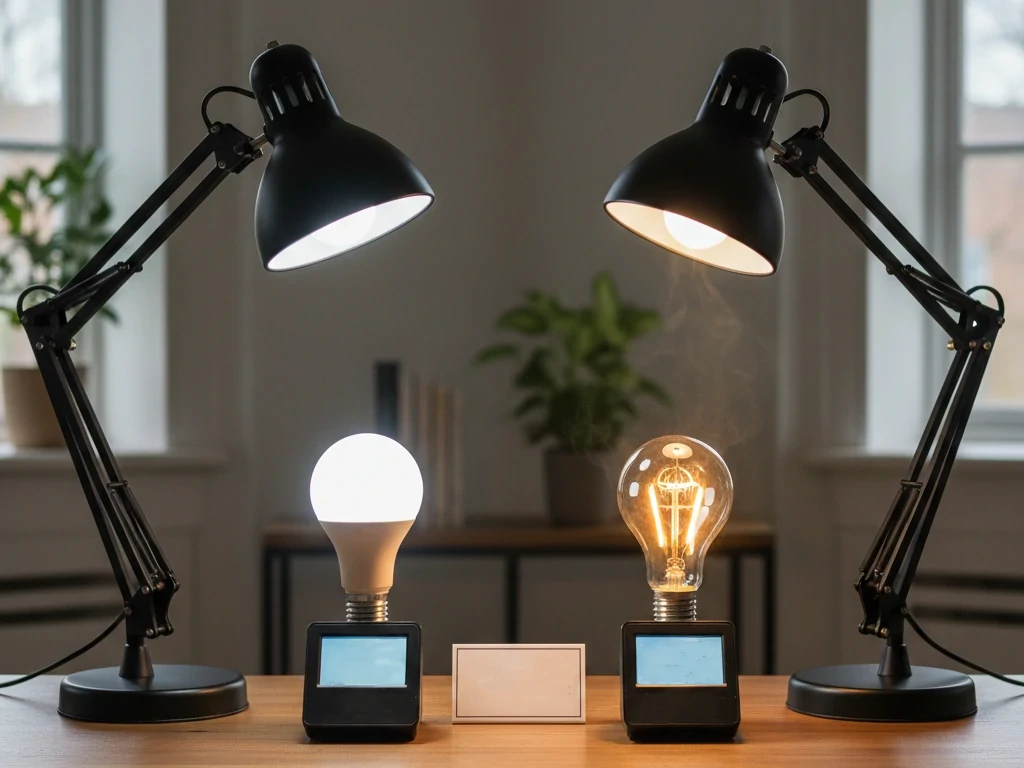
Best Lighting for Kitchen: Expert Tips for Bright, Functional Spaces

When it comes to transforming a kitchen into a functional, stylish, and comfortable space, lighting plays an absolutely pivotal role. Choosing the best lighting for kitchen areas isn’t just about illuminating the room; it affects how you cook, how you entertain, and even how you feel while preparing meals. Whether you are remodeling your kitchen, adding modern LED features, or simply trying to replace outdated bulbs, understanding the principles of proper kitchen lighting is crucial. In this guide, we will explore everything from kitchen ceiling light fixtures to the latest LED kitchen lighting trends, helping you make smart, professional-level lighting decisions.
Why Kitchen Lighting Matters
The kitchen is often called the heart of the home, and for good reason. It’s where meals are crafted, homework is completed, and social interactions happen. But all too often, kitchens are poorly lit, leaving countertops shadowed, islands dim, and cooking tasks less precise. Poor lighting isn’t just inconvenient—it can be unsafe. Imagine chopping vegetables in a dim corner or trying to read recipe measurements under insufficient illumination. That’s why selecting the best kitchen lighting is essential for both functionality and aesthetics.
Expert lighting designers often emphasize layering: “A well-lit kitchen balances ambient, task, and accent lighting. Neglect any of these, and you compromise both safety and style,” says a certified interior lighting specialist.
Modern kitchens have evolved, and so have lighting options. From energy-efficient kitchen ceiling LED panels to smart, color-adjustable lights, understanding the types of indoor light available is key to creating the perfect cooking environment.
Understanding Kitchen Lighting Basics
Getting kitchen lighting right starts with understanding the fundamentals. Before choosing fixtures or bulb colors, it’s important to know how kitchen lighting works, why certain setups perform better than others, and how professionals approach real-world kitchens. The goal is not to overlight the space, but to create clear visibility, balanced brightness, and long-term comfort. This section breaks down the core principles behind the best lighting for kitchen design, in a way that both homeowners and professionals can immediately apply.
Types of Lighting for Kitchen
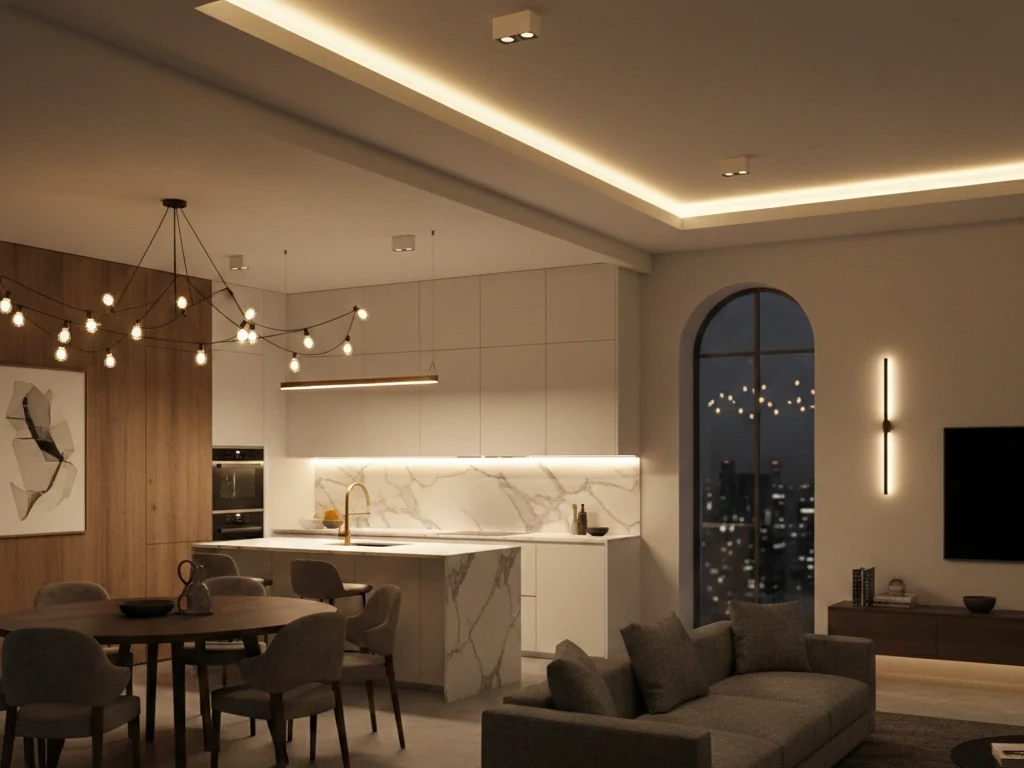
Every well-designed kitchen relies on a layered lighting system. This is not a design trend—it’s a functional necessity. Relying on a single ceiling light almost always leads to shadows, uneven brightness, and eye strain. Experts generally divide kitchen lighting into three essential layers.
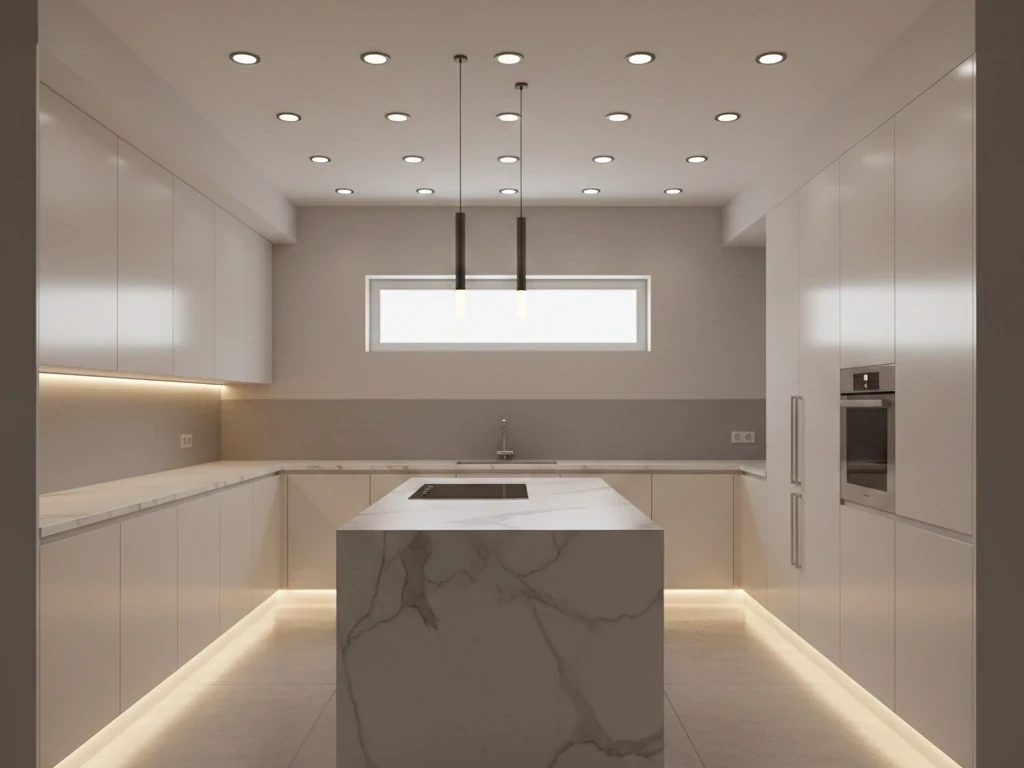
Ambient lighting forms the foundation. This is the general illumination that allows you to move safely around the kitchen. In most homes, this comes from ceiling-mounted fixtures or recessed lights. For modern spaces, best lighting for kitchen ceiling solutions often involve evenly spaced LED fixtures that distribute light across the entire room without harsh glare.
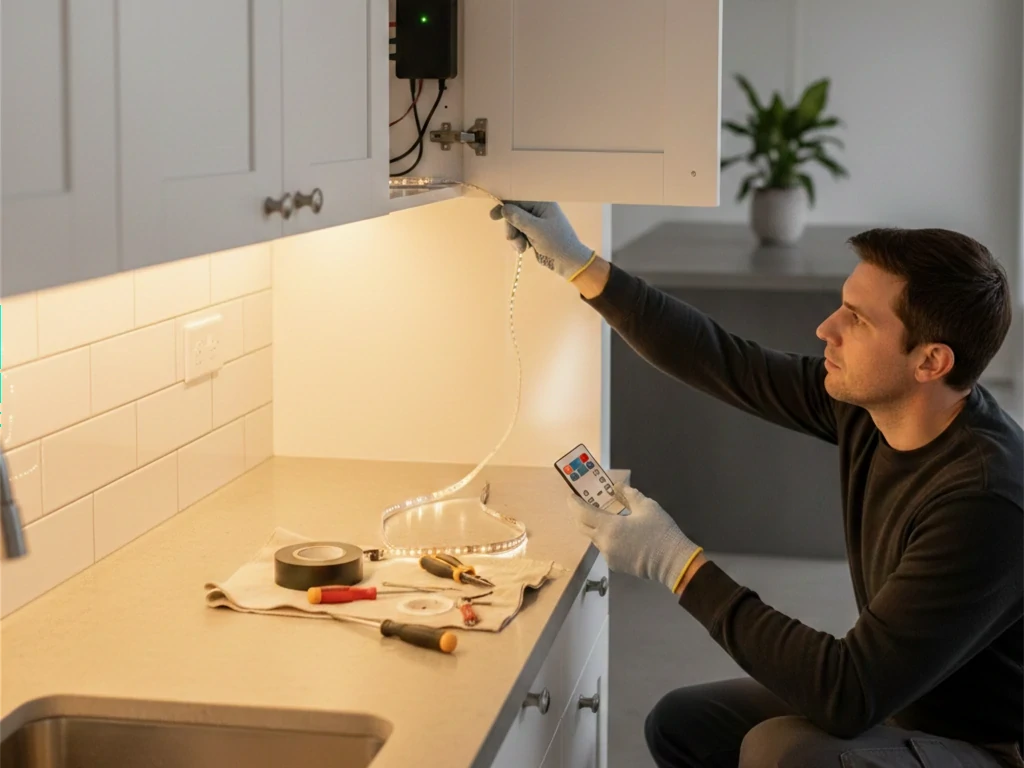
Task lighting is where functionality truly improves. This type of lighting is installed specifically for work areas such as countertops, sinks, and islands. Without proper task lighting, even a bright kitchen can feel frustrating to use. From a professional standpoint, recommended lighting for kitchen work zones should eliminate shadows caused by overhead cabinets or the user’s body. This is why under-cabinet lighting is considered a baseline standard rather than a luxury.
Accent lighting adds depth and visual clarity. While it doesn’t replace ambient or task lighting, it helps define the space. Accent lighting can highlight cabinets, open shelving, or architectural details. In high-end kitchens, accent lighting also improves orientation at night, allowing lower overall brightness without sacrificing usability.
Understanding these three layers is the first step toward achieving best kitchen lighting that works in daily life, not just in photos.
Light Color Temperature Explained
Color temperature plays a much larger role in kitchen usability than most people realize. It affects how food looks, how clean surfaces appear, and how comfortable your eyes feel after long cooking sessions. Measured in Kelvin (K), color temperature determines whether light appears warm, neutral, or cool.
Warm white light (2700K–3000K) produces a soft, yellow-toned glow. While it creates a cozy atmosphere, professionals generally avoid using it as the primary light source in work areas. In kitchens, warm light can distort food colors and make white surfaces look dull. It works best in dining-adjacent zones or as ambient lighting in open-plan layouts.
Neutral to cool white light (3500K–4500K) is widely considered the most practical range for kitchens. This range provides clarity without the harshness of very cool tones. Many lighting specialists recommend this range as the core of LED kitchen lighting, especially for ceiling and task applications.
Daylight-range light (5000K–6500K) closely mimics natural sunlight. It delivers maximum visibility and color accuracy, which is why it’s often used in professional kitchens and food prep environments. In residential settings, daylight tones are most effective when used selectively—such as over prep counters—rather than throughout the entire kitchen.
Choosing the right color temperature is not about preference alone. It directly impacts performance, which is why professionals often mix temperatures across lighting layers to achieve both comfort and precision.
How Lighting Impacts Kitchen Functionality
Lighting decisions directly influence how well a kitchen functions day to day. Poor lighting placement can create shadows exactly where visibility is needed most, while overly bright lighting can cause glare and fatigue. This is why experienced designers evaluate lighting from the user’s point of view—not just from the ceiling plan.
From a safety perspective, insufficient lighting around cutting and cooking zones increases the risk of accidents. Studies in residential ergonomics consistently show that well-lit work surfaces reduce errors and improve reaction time during food preparation. That’s a major reason type of lighting for kitchen tasks must be deliberate rather than decorative.
From a usability standpoint, lighting affects perception. A kitchen with balanced indoor light feels cleaner, more spacious, and easier to maintain. Proper ceiling lighting prevents dark corners, while focused task lighting ensures that details like measurements, textures, and doneness are easy to judge.
Professionals also consider adaptability. Kitchens are used differently throughout the day—bright in the morning, functional at midday, softer in the evening. This is where layered lighting and dimmable kitchen ceiling light fixtures become essential. Instead of one fixed brightness level, users can adjust lighting to match real-life needs.
In practice, the best lighting for kitchen environments is not about maximum brightness. It’s about placing the right light, in the right location, with the right intensity—a principle that separates expert lighting design from trial-and-error installations.
Best Kitchen Lighting Options
Ceiling Lighting for Kitchens
The ceiling is the backbone of any lighting plan. For optimal results, consider:
- Flush or Semi-Flush Mounts: Ideal for low ceilings, providing broad, even light.
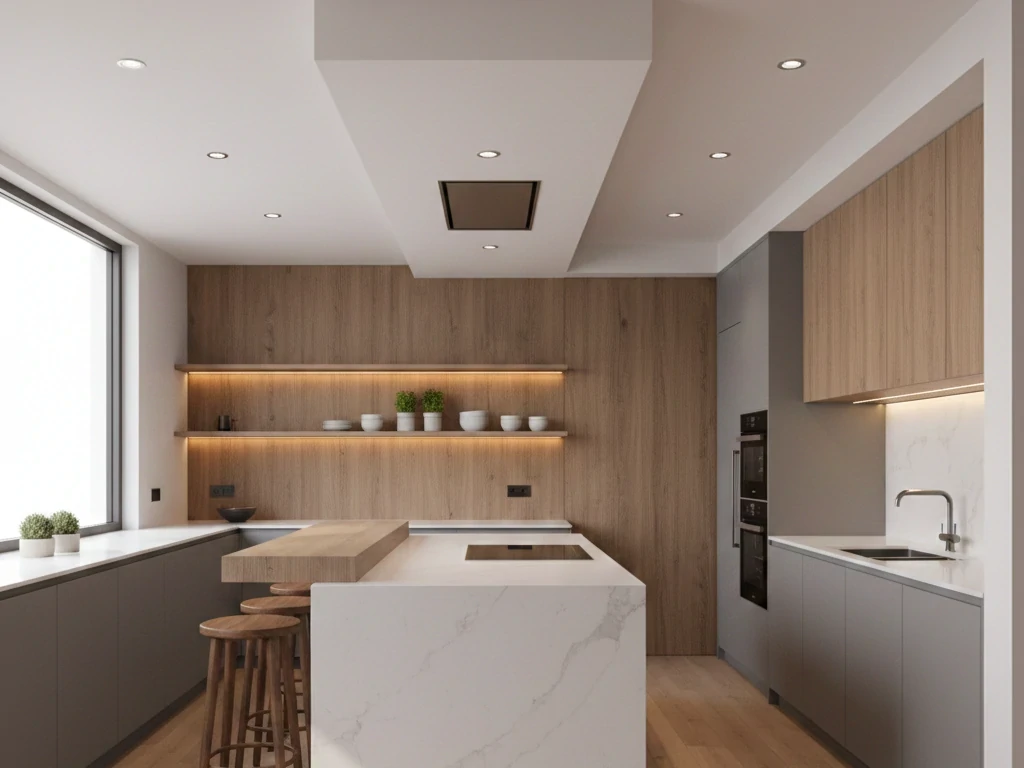
- Recessed Lighting: Perfect for modern kitchens; minimalistic and highly functional.
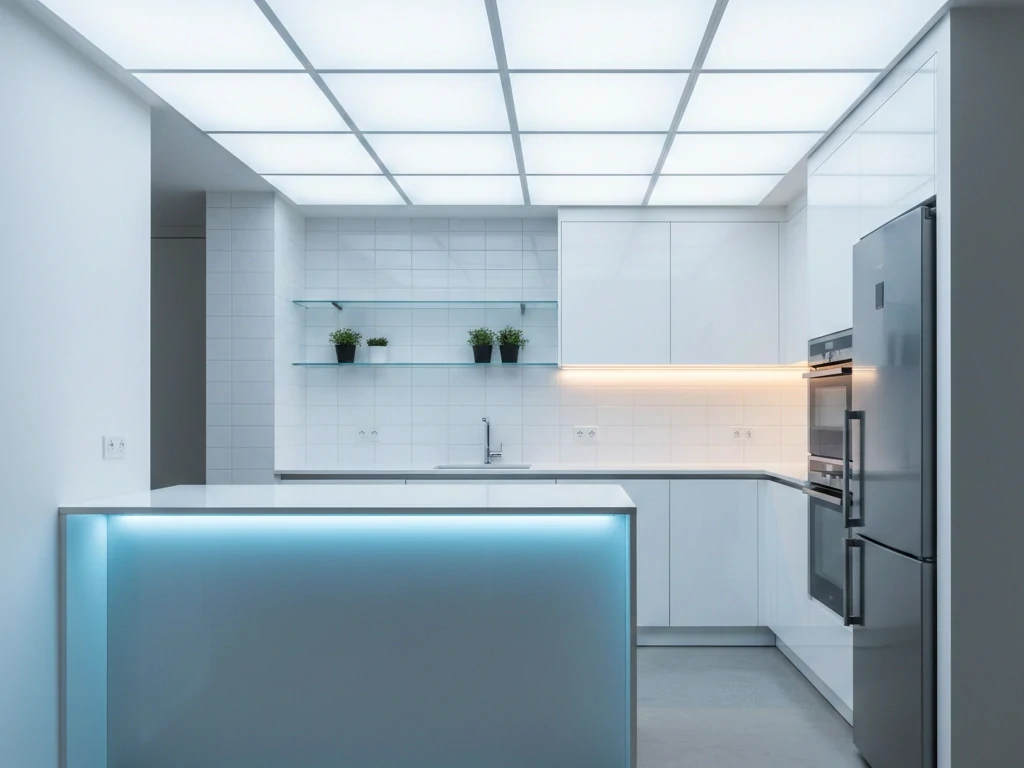
- Kitchen Ceiling LED Panels: Energy-efficient, low-heat, and versatile. Panels provide uniform light that can complement both ambient and task layers.
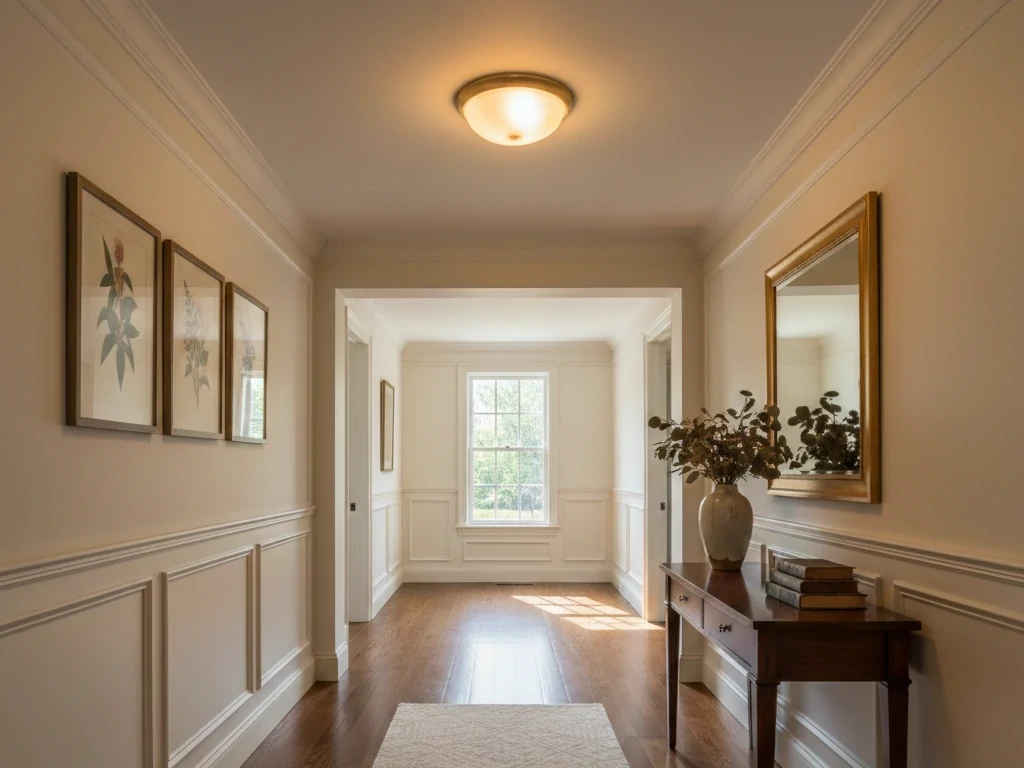
A well-chosen kitchen ceiling light fixture can drastically improve both the look and functionality of your kitchen. Positioning is critical—lights should cover high-traffic areas like the island, stove, and sink.
Lighting for Kitchen Counters and Islands
Task lighting over counters and islands is non-negotiable. Shadows make even simple prep tasks frustrating. Options include:
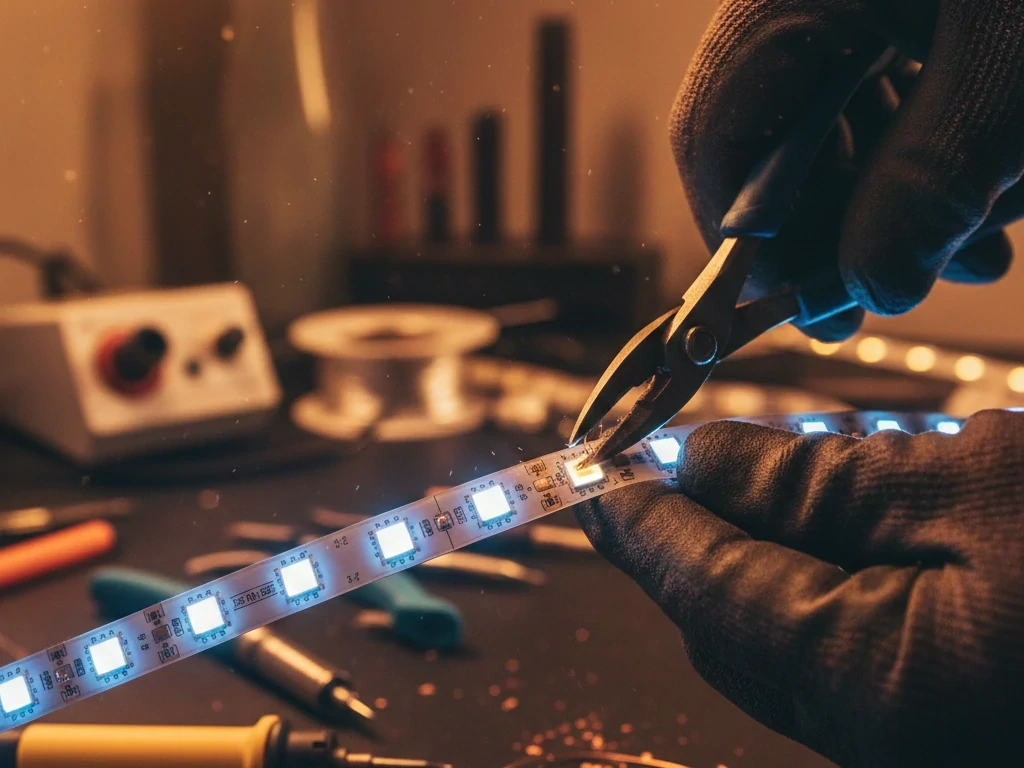
- Under-Cabinet LED Strips: Deliver direct light onto work surfaces without glare.
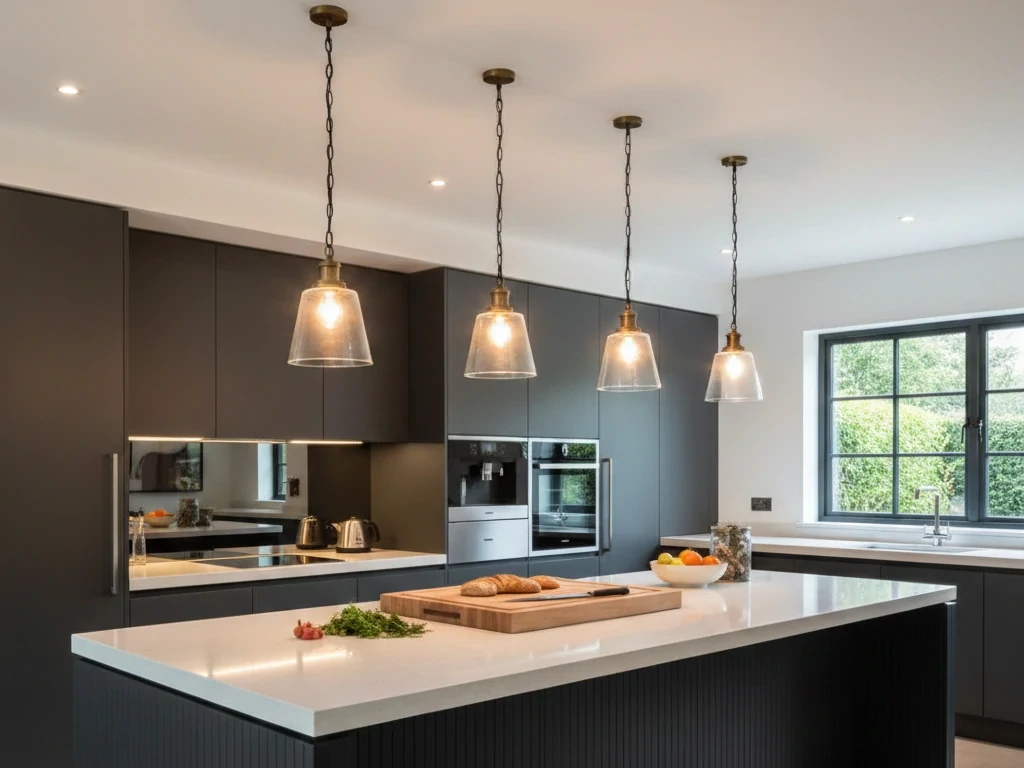
- Pendant Lighting: Offers both style and focus, especially over islands. Adjustable heights and dimming capabilities enhance usability.
- Track Lighting: Flexible directional lighting, particularly useful for elongated counters.
Industry experts recommend LED kitchen lighting for counters because it provides bright, shadow-free illumination with minimal energy consumption.
Indoor LED Lighting for Kitchens
LEDs are now the standard for high-quality kitchen illumination. Benefits include:
- Long lifespan (often 25,000–50,000 hours).
- Low heat emission—important near stoves.
- High energy efficiency, reducing electricity bills.
- Versatility in color temperature and fixture styles.
For most kitchens, kitchen ceiling LED panels combined with under-cabinet LEDs create a balanced, modern lighting environment. LEDs also pair well with smart dimming and color-adjustable systems.
Choosing the Right Fixtures
Selecting the proper kitchen ceiling light fixtures goes beyond style. Factors to consider include:
- Ceiling height: Flush mounts for low ceilings, pendants or chandeliers for higher ceilings.
- Kitchen size: Large kitchens may need multiple light layers; smaller spaces can benefit from multi-functional fixtures.
- Style and aesthetics: Fixtures should complement cabinetry, countertops, and overall kitchen design.
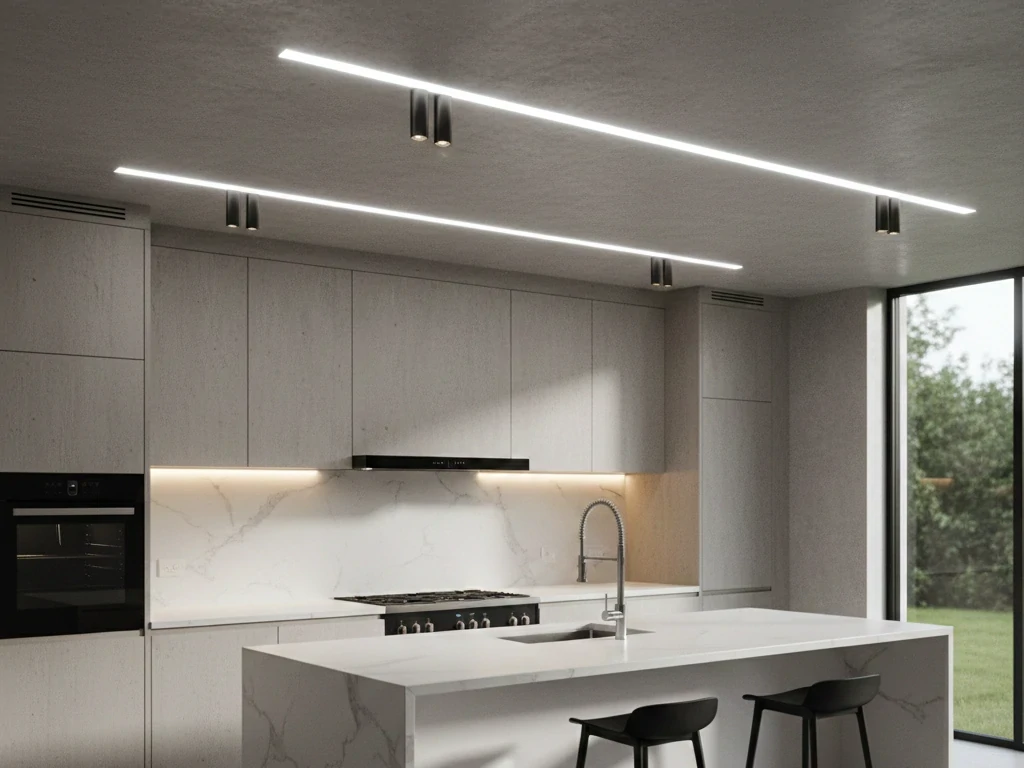
Current trends favor minimalist, hidden, or recessed lighting, creating a clean, contemporary look while maintaining functionality.
How to Select the Best Lighting for Your Kitchen
Choosing the best lighting for kitchen spaces is not about copying what looks good in a showroom. It’s about understanding how your kitchen is actually used, where light is needed most, and how different lighting choices perform over time. Professionals approach kitchen lighting as a practical system, not a decorative afterthought. This section breaks down the real decision-making process used by designers, contractors, and experienced homeowners.
Assessing Kitchen Size and Layout
The size and layout of your kitchen directly determine how light should be distributed. A common mistake is treating every kitchen the same, regardless of square footage or configuration. In reality, lighting requirements change significantly based on layout.
In small kitchens, light needs to work harder. Dark corners and shadows become noticeable very quickly. This is where evenly spaced ceiling fixtures and reflective surfaces matter. The best lighting for kitchen ceiling in compact spaces often comes from low-profile LED fixtures that spread light evenly without overwhelming the room.
In large or open-plan kitchens, lighting must be layered to avoid flat, underlit zones. Open kitchens frequently blend cooking, dining, and living areas, which means a single lighting style rarely works everywhere. In these layouts, professionals rely on multiple lighting zones: ceiling lighting for general movement, task lighting for counters, and softer ambient lighting for seating areas. This approach aligns with most recommended lighting for kitchen guidelines used in residential design.
Kitchen layout also affects fixture placement. Islands, peninsulas, and corner counters all require special attention. Lighting should be positioned so the user’s body does not block the light source while working—a detail often overlooked in DIY installations.
Considering Color Temperature
Color temperature is one of the most misunderstood aspects of kitchen lighting, yet it has a direct impact on comfort and usability. Selecting the wrong temperature can make even high-quality fixtures feel unpleasant.
For most kitchens, professionals recommend a neutral-to-cool range as the primary working light. This range provides clarity without creating a clinical feel. It is especially effective when used in LED kitchen lighting systems for ceilings and task areas.
Warm light has its place, but not everywhere. Many homeowners ask whether warmer tones make a kitchen feel more inviting. The answer is yes—but only in controlled areas. Warm light works best in dining zones, breakfast nooks, or open shelving accents. Using it across the entire kitchen can reduce contrast and make food prep harder.
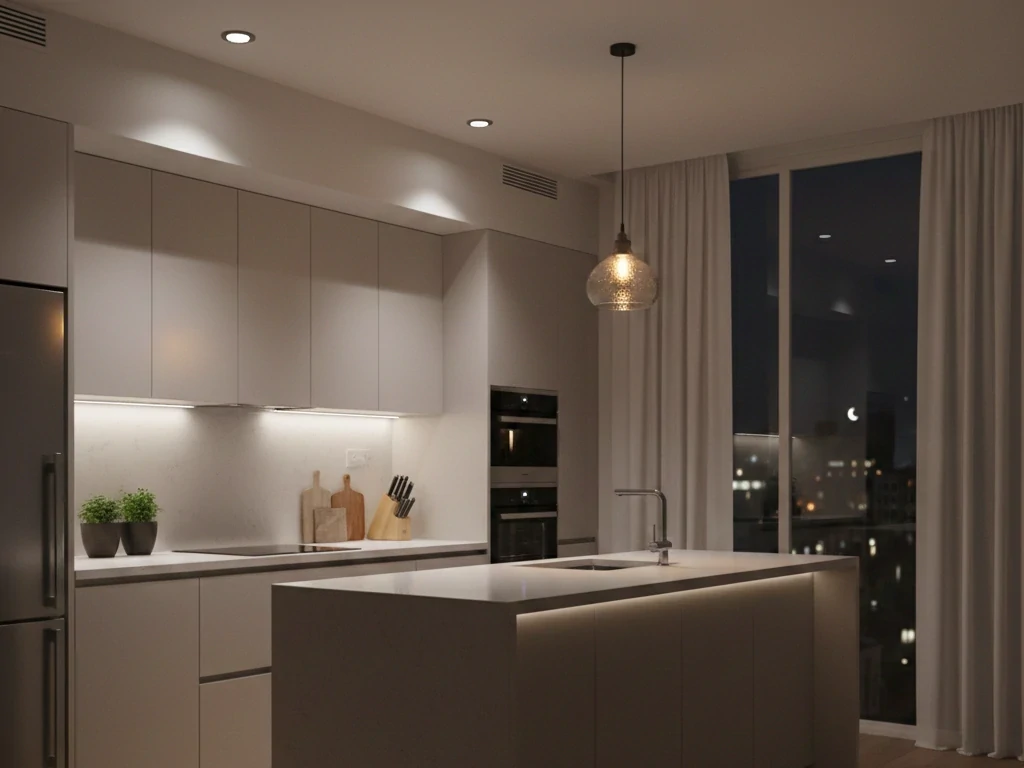
Daylight-toned light is highly effective for precision tasks. However, using it everywhere can feel harsh, especially in the evening. Experienced designers often blend color temperatures: neutral or daylight tones for counters, and slightly warmer tones for ambient lighting. This balance supports both functionality and comfort, which is a core principle behind best kitchen lighting design.
Energy Efficiency and Sustainability
Energy efficiency is no longer optional—it’s a practical requirement. Kitchens use lighting more frequently and for longer periods than most other rooms, which makes efficiency a major cost and performance factor.
Modern LED kitchen lighting has become the standard for good reason. LEDs consume significantly less energy than older technologies while delivering higher brightness and longer lifespan. For homeowners, this means fewer bulb changes and lower electricity bills. For professionals, it means predictable performance and reduced maintenance.
Ceiling lighting plays a major role in overall energy use. Choosing kitchen ceiling LED fixtures allows for high-output illumination with minimal heat buildup. This is especially important in kitchens, where additional heat from cooking appliances already raises room temperature.
Sustainability also ties into light control. Dimmers, zoning, and motion-based controls reduce unnecessary usage. A well-planned system ensures that only the areas in use are illuminated, which aligns with long-term recommended lighting for kitchen strategies focused on efficiency and user comfort.
From an expert standpoint, sustainable lighting is not just about saving energy—it’s about installing a system that remains effective and comfortable for years without constant adjustment or replacement.
Current Trends in Kitchen Lighting
Modern kitchens are embracing innovative solutions:
- Smart Lighting Systems: Adjustable brightness and color temperature for different tasks and moods.
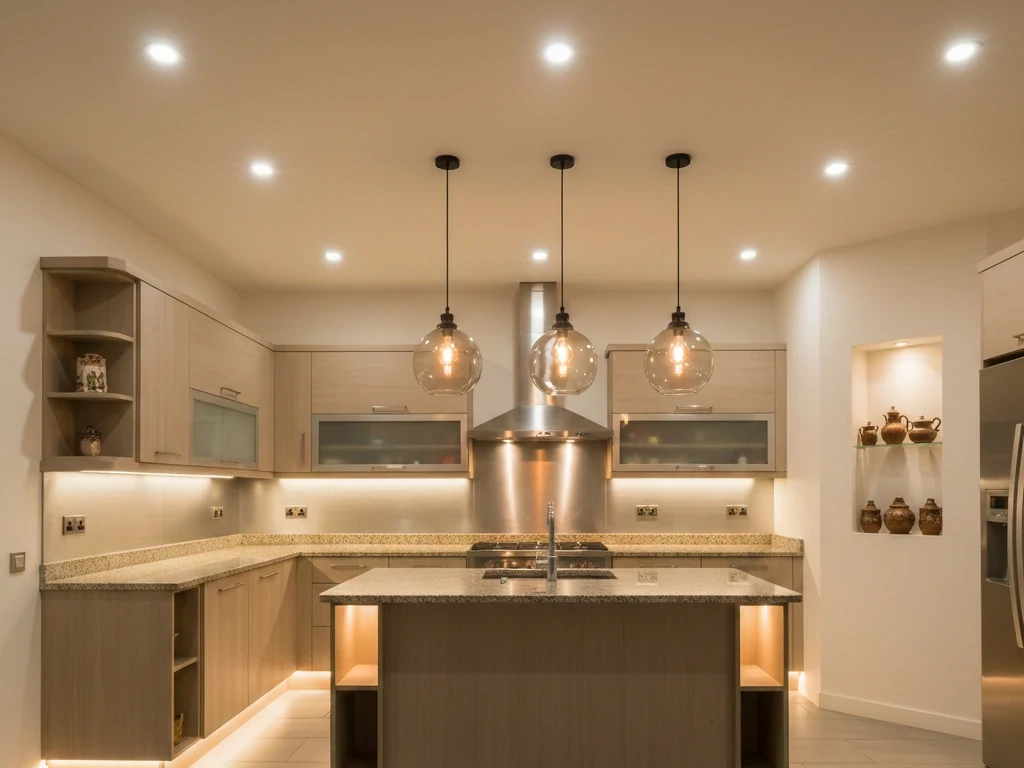
- Pendant Clusters: Multiple small pendants over islands provide style and practical illumination.
- Hidden Lighting: Recessed under cabinets or toe-kick lights for subtle ambiance.
- Layered Approach: Combining ambient, task, and accent lighting to create depth and versatility.
Lighting experts confirm: “Layered kitchen lighting is the single most important trend in 2024–2025 kitchen design. It maximizes both utility and aesthetics.”
Conclusion – Illuminate Your Kitchen Like an Expert
Creating the best lighting for kitchen spaces requires careful planning, understanding of light types, and thoughtful placement. By combining kitchen ceiling LED panels, task-specific under-cabinet lighting, and stylish accent lights, you ensure your kitchen is both functional and inviting. Remember, LED kitchen lighting is energy-efficient, durable, and versatile, making it the professional choice for modern kitchens. Layered, well-planned lighting not only improves safety and efficiency but also enhances style and mood, transforming your kitchen into a space that’s both practical and beautiful.
Upgrade your indoor light setup today, and experience the difference that expertly designed kitchen lighting can make.
Frequently Asked Questions
What type of lighting is best for a kitchen?
The best approach is a layered lighting system that combines ambient, task, and accent lighting. Ambient lighting ensures safe movement, task lighting supports food preparation, and accent lighting improves depth and visual comfort. Relying on a single light source almost always results in shadows and uneven brightness. Professionals agree that layered lighting is the foundation of best kitchen lighting, regardless of kitchen size or style.
Is cool white or daylight better for kitchen use?
Both can work, but they serve different purposes. Cool white light provides a balance of brightness and comfort, making it suitable for general ceiling lighting. Daylight tones offer higher clarity and color accuracy, which is especially useful for food preparation areas. In practice, many designers combine the two: cool white for ambient lighting and daylight for task zones. This strategy supports both visibility and comfort in indoor light planning.
What is the current trend for kitchen lighting?
The dominant trend is layered, adjustable lighting. Instead of one fixed brightness level, modern kitchens use multiple light sources that can be controlled independently. Recessed ceiling lighting paired with task-focused LEDs and subtle accent lighting is now considered standard. Minimalist kitchen ceiling light fixtures and hidden lighting elements are also increasingly popular, as they provide functionality without visual clutter.
Is 3000K too yellow for a kitchen?
It depends on where it’s used. A 3000K color temperature creates a warm, inviting atmosphere, but it can appear too yellow for countertops and prep areas. Most professionals avoid using it as the primary working light. Instead, it performs best in dining areas or as ambient lighting in open kitchens. For work surfaces, cooler tones are generally part of the recommended lighting for kitchen setups.
Which type of lighting is used for kitchen counters?
Kitchen counters require direct task lighting. Under-cabinet lighting is the most effective solution because it places light exactly where it’s needed, reducing shadows caused by overhead fixtures. Directional pendant lights over islands can also serve this purpose when properly positioned. Adequate task lighting is essential for achieving the best lighting for kitchen functionality and safety.
How bright should kitchen lighting be?
Brightness should be measured by purpose, not by a single number. Ambient lighting typically requires moderate brightness to evenly illuminate the room, while task areas need significantly higher light levels. Professionals often recommend stronger illumination over counters and sinks to support detailed tasks. Proper brightness planning ensures comfort without glare, which is a key principle of best kitchen lighting design.
Are LED lights suitable for all kitchen areas?
Yes. LED kitchen lighting is suitable for ceilings, counters, cabinets, and accent applications. LEDs provide consistent brightness, long lifespan, and low heat output, making them ideal for kitchen environments. Their flexibility also allows for better control of color temperature and intensity across different zones.
What is the best lighting for kitchen ceiling installations?
The most effective ceiling lighting provides even coverage without harsh shadows. Recessed fixtures, low-profile ceiling lights, and integrated LED panels are commonly used. The best lighting for kitchen ceiling setups focus on spacing and distribution rather than oversized fixtures, ensuring consistent illumination throughout the space.
Can lighting make a small kitchen feel larger?
Yes, lighting has a strong impact on perceived space. Even, well-distributed ceiling lighting reduces dark corners, while reflective surfaces enhance brightness. Using efficient kitchen ceiling LED fixtures and minimizing visual clutter helps small kitchens feel more open and comfortable.
Should kitchen lighting be dimmable?
Dimmable lighting is highly recommended. Kitchens are used at different times of day and for different purposes, from food prep to casual dining. Dimming allows users to adjust brightness based on activity and mood. From an expert perspective, dimming is one of the simplest ways to improve both comfort and long-term usability in best kitchen lighting systems.