

Table of Contents
Lighting your home, office, or industrial space efficiently is more than just picking a bulb off the shelf. It’s about understanding how many watts do LED lights use and what that means for your electric bill, brightness requirements, and long-term safety.
Whether you’re installing a simple ceiling fixture at home or upgrading to industrial LED high bay lighting in a warehouse, wattage determines both performance and cost. Many people still assume LEDs work the same way older bulbs did. They don’t. That misunderstanding is exactly why so many homeowners and facility managers search for answers to the same question: how many watts do LED lights use?
We’ll break down real-world LED light bulb electricity usage, explain when you might need a 250 watt LED lamp or a 300 watt light bulb, and address the common concern: do LED lights use a lot of electricity?
By the end, you’ll know whether you can handle installation yourself, what to avoid, and how to choose the right wattage without risking overloads or overspending.
Understanding LED Light Wattage and Electricity Usage
What Is LED Wattage and Why It Matters
Wattage measures the amount of electrical power a device consumes per hour. When people ask, “how many watts do LED lights use,” they are really asking how much electricity the fixture will draw from their circuit.
Here’s where LED technology changes everything.
A traditional 60-watt incandescent bulb typically requires only 8–12 watts in LED form to produce similar brightness. That represents a 70–85% reduction in energy consumption. Lighting efficiency experts consistently note that LEDs convert a much higher percentage of electricity into visible light rather than heat.
An energy consultant I’ve worked with often says:
“With incandescent lighting, you’re paying to heat the room. With LED lighting, you’re paying for light.”
That distinction is critical when evaluating larger fixtures such as a 250 watt LED lamp or a 300 watt light bulb used in commercial environments. Even at higher wattages, LEDs remain dramatically more efficient than the legacy systems they replace.
Understanding how many watts do LED lights use allows you to:
- Calculate operating costs accurately
- Avoid overloading fixtures
- Plan electrical capacity
- Estimate long-term return on investment
Without this knowledge, people either overspend or undersize their lighting.
Factors Affecting LED Electricity Usage
Wattage alone doesn’t tell the whole story. Several real-world factors influence LED light bulb electricity usage.
- Driver Efficiency
The internal driver regulates current. High-quality drivers reduce energy loss and improve lifespan.
- Lumens Output
Brightness, measured in lumens, determines power demand. A small residential bulb may use 10 watts. A 250 watt LED lamp designed for large facilities may use 250 watts to produce 25,000+ lumens.
- Environmental Conditions
Heat buildup, enclosed fixtures, and poor ventilation can impact efficiency and longevity.
- Application Type
Residential lighting typically falls between 5–15 watts per bulb. Meanwhile, industrial LED high bay lighting systems often range from 100–300 watts per fixture, depending on mounting height and illumination requirements.
This leads directly to the common concern: do LED lights use a lot of electricity?
Compared to incandescent or metal halide systems, the answer is almost always no. Even high-output industrial LEDs use significantly less energy than traditional alternatives providing similar brightness.
But to answer accurately, you must first understand how many watts do LED lights use in your specific application.
Typical Power Consumption of LED Lights
Residential LED Bulbs
Let’s start with homes, where most people first evaluate LED light bulb electricity usage.
Common Residential Wattages
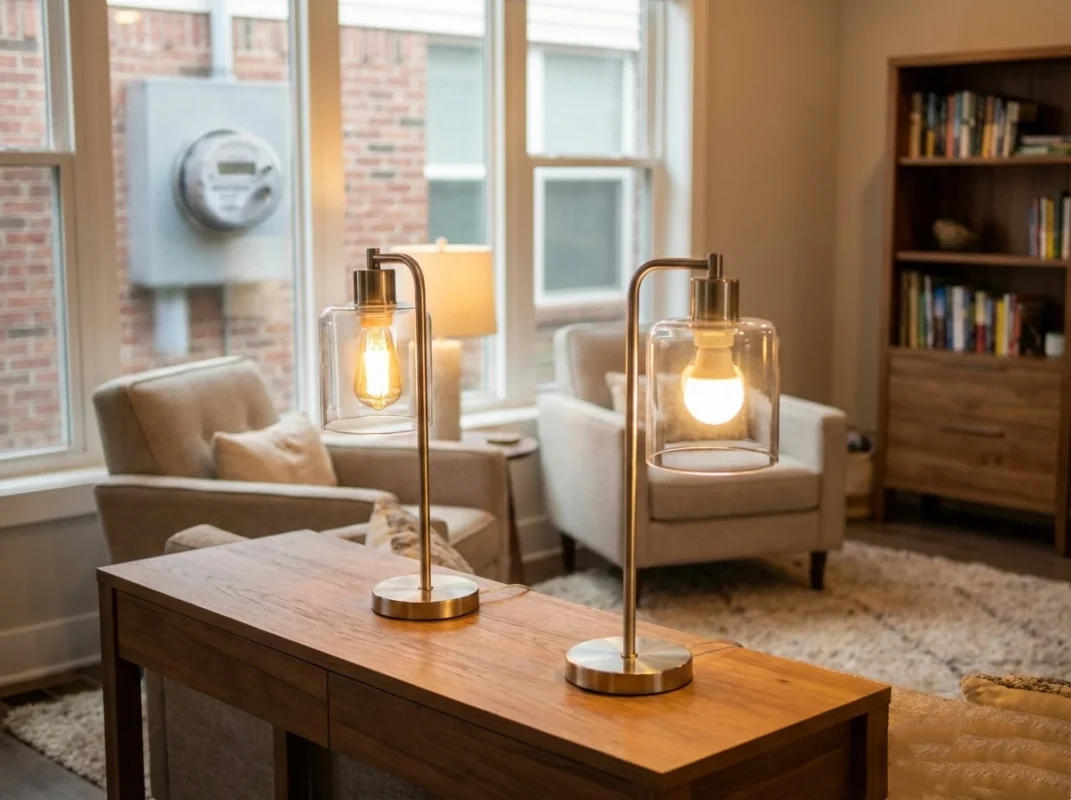
- 5–10 watts → replaces 40–60 watt incandescent bulbs
- 12–15 watts → replaces 75–100 watt incandescent bulbs
For example, a 10-watt LED used for 5 hours per day consumes:
10 watts × 5 hours × 30 days ÷ 1000 = 1.5 kWh per month
By comparison, a 60-watt incandescent used under the same conditions consumes 9 kWh per month.
That’s an 83% reduction.
Multiply that difference across 20 bulbs in a home, and the annual savings become substantial. This is why homeowners repeatedly ask, how many watts do LED lights use? The answer directly affects their monthly utility bill.
From practical experience, here’s what matters:
- Always check fixture maximum ratings
- LED wattage must remain below the fixture’s limit
- Lumens, not watts, determine brightness
Residential applications are usually straightforward. But problems arise when people move into higher wattage territory without understanding electrical limits.
High-Wattage LED Lamps
Now let’s move into larger-scale lighting.
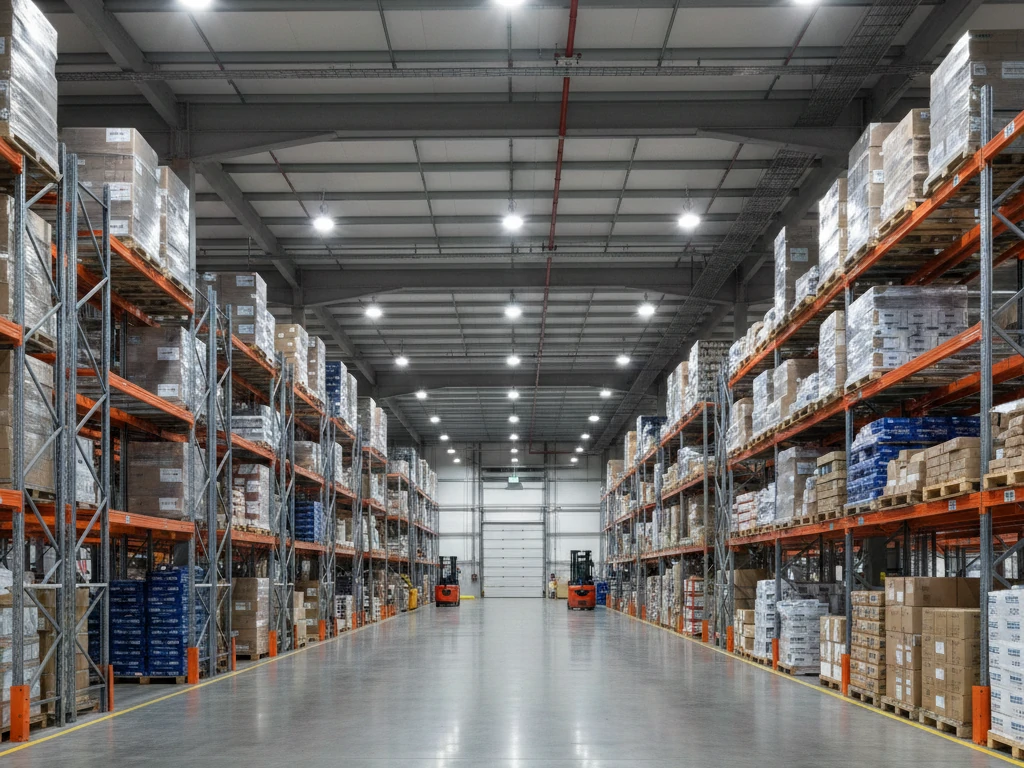
High-output fixtures such as a 250 watt LED lamp or a 300 watt light bulb are typically used in:
- Warehouses
- Manufacturing facilities
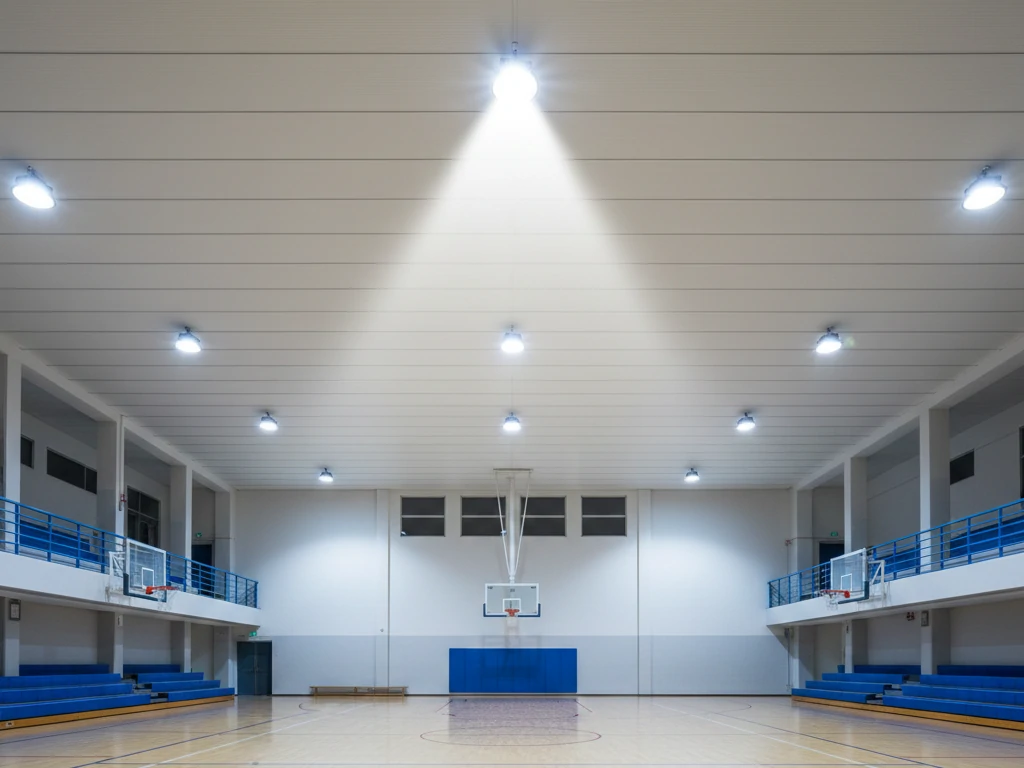
- Gymnasiums
- Outdoor floodlighting
- Agricultural buildings
A 250 watt LED lamp commonly produces around 25,000 lumens and may replace a 1000–1500 watt metal halide fixture.
A 300 watt light bulb can produce 30,000 lumens or more, replacing even higher wattage legacy systems.
This is where the question how many watts do LED lights use becomes more nuanced. Yes, 300 watts sounds high. But compared to the 2000+ watts older systems required for equivalent brightness, it represents a dramatic efficiency improvement.
Professionals working with industrial LED high bay lighting often see energy savings of 60–80% after upgrading from traditional discharge lighting.
However, high-wattage LEDs require:
- Proper voltage compatibility
- Adequate ventilation
- Correct mounting height
- Electrical load planning
If you’re unsure, consult a licensed electrician. Industrial environments leave less room for error.
LED Strips and Specialty Lighting
Beyond bulbs and high bays, LED strip lighting is increasingly common in residential and commercial settings.
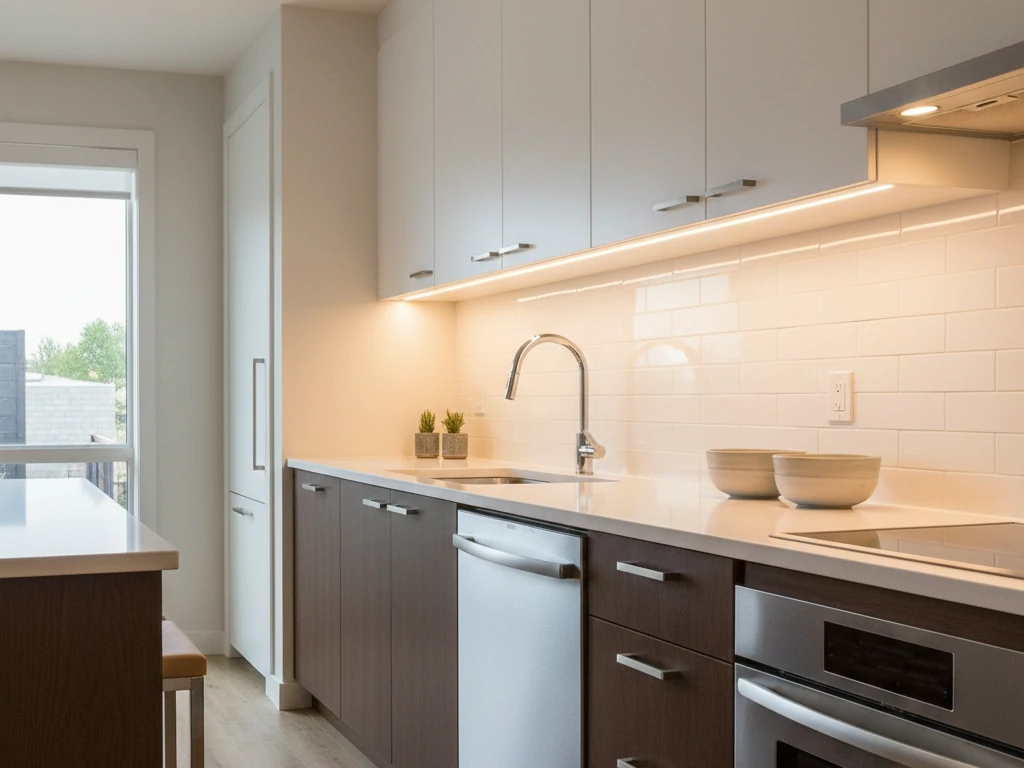
A typical 12V LED strip consumes 4–5 watts per foot. A 16-foot installation can draw roughly 64–80 watts total.
So again, do LED lights use a lot of electricity? In strip applications, generally no. Even larger decorative installations remain far more efficient than traditional rope lighting.
The key takeaway is consistent across all categories:
Before installation, determine how many watts do LED lights use, calculate total load, and verify circuit capacity.
This step alone prevents the majority of DIY lighting mistakes.
Understanding Brightness vs Wattage
One of the biggest misconceptions in lighting is confusing watts with brightness. When people ask, how many watts do LED lights use, they often assume more watts automatically means more light.
That was true decades ago. It is not true today.
With LED technology, wattage measures energy consumption. Brightness is measured in lumens. Understanding this distinction is essential whether you’re choosing a bedside lamp or installing industrial LED high bay lighting.
If you skip this step, you risk overspending, under-lighting your space, or installing a system that performs poorly.
Lumens vs Watts: The Modern Standard
Here’s the rule professionals use:
- Watts = Energy consumed
- Lumens = Brightness produced
A traditional 60-watt incandescent bulb produces around 800 lumens.
An LED bulb producing 800 lumens may only use 8–10 watts.
That efficiency difference is why the question how many watts do LED lights use has become central to modern lighting decisions.
Practical Comparison Chart
| LED Wattage | Approx. Lumens | Traditional Equivalent |
|---|---|---|
| 10W LED | 800–900 lm | 60W Incandescent |
| 15W LED | 1500 lm | 100W Incandescent |
| 250 Watt LED Lamp | ~25,000 lm | 1000–1500W Metal Halide |
| 300 Watt Light Bulb | ~30,000 lm | 2000W+ Traditional |
Now look at that last line again.
A 300 watt light bulb producing 30,000 lumens may replace an older system consuming 2,000 watts or more. That’s not a small improvement — it’s transformative in industrial environments.
Lighting engineers consistently emphasize that focusing on lumens per watt (efficacy) provides a clearer picture of performance. High-quality LED systems commonly achieve 120–160 lumens per watt. Older technologies rarely exceeded 70 lumens per watt.
So when evaluating how many watts do LED lights use, the better question becomes:
“How many lumens am I getting per watt?”
That ratio determines cost-effectiveness.
Brightness Examples
Let’s translate this into real-world scenarios.
How Bright Is 250 Watts?
A 250 watt LED lamp typically produces around 25,000 lumens. That level of brightness is appropriate for:
- 20–30 foot warehouse ceilings
- Gymnasiums
- Aircraft hangars
- Large retail environments
To put it into perspective, 25,000 lumens is roughly equal to 30 standard 800-lumen household bulbs running simultaneously.
When facility managers ask me how many watts do LED lights use, what they really want to know is whether 250 watts per fixture will properly illuminate their space.
The answer depends on mounting height, spacing, and reflectivity. But in many mid-size industrial settings, 250 watts per fixture is a strong, efficient choice.
How Bright Is 300W Light?
A 300 watt light bulb in LED form can produce 30,000 lumens or more.
This level of output is used in:
- High-ceiling warehouses
- Sports facilities
- Outdoor floodlighting
- Heavy manufacturing plants
Compared to legacy 2000+ watt high-intensity discharge systems, a 300-watt LED dramatically reduces both operating cost and maintenance frequency.
From a cost standpoint, here’s what that means:
300 watts running 10 hours per day equals:
300 × 10 × 30 ÷ 1000 = 90 kWh per month
Compare that to a 2000-watt legacy system:
2000 × 10 × 30 ÷ 1000 = 600 kWh per month
That’s a savings of 510 kWh monthly — per fixture.
Multiply that across a warehouse with 40 fixtures, and the savings become massive.
Now the question do LED lights use a lot of electricity starts to look very different.
In high-output environments, they use far less electricity than what they replace.
Industrial LED High Bay Lighting Planning
When designing industrial LED high bay lighting, professionals don’t start with watts — they start with lux or foot-candle targets.
Then they reverse-calculate:
- Required lumens
- Fixture efficiency
- Mounting height
- Wattage needed
That’s how experts determine how many watts do LED lights use for a specific facility.
In most warehouse upgrades I’ve evaluated, switching to LED reduces total facility lighting energy consumption by 50–75%.
And here’s something rarely discussed: maintenance savings.
Traditional metal halide lamps often require replacement every 10,000–15,000 hours. LEDs commonly last 50,000+ hours. Reduced lift rentals, labor, and downtime significantly improve return on investment.
So when evaluating LED light bulb electricity usage, you must consider both direct energy cost and indirect maintenance savings.
Safety and Compatibility Considerations
Understanding how many watts do LED lights use is only part of the equation. The next step is ensuring safe installation.
Electrical mistakes are expensive — and avoidable.
Using Higher Wattage LEDs in Smaller Fittings
One of the most common questions is:
What happens if you put a 60-watt LED in a 40 watt fixture?
Here’s the professional answer:
If the LED consumes 60 actual watts and the fixture is rated for 40 watts maximum, you risk overheating wiring, damaging insulation, and shortening fixture lifespan.
However, many consumers get confused because a “60-watt equivalent” LED might only consume 10 watts. In that case, it is completely safe in a 40-watt-rated fixture.
Always check:
- Actual wattage draw (not equivalent rating)
- Fixture maximum wattage rating
- Enclosed vs open fixture compatibility
A lighting safety consultant once told me:
“Fixture ratings exist for thermal reasons, not brightness reasons.”
That advice alone prevents countless installation mistakes.
If you are unsure how many watts do LED lights use in your exact model, consult the product specification sheet before installing.
Overloading and Energy Efficiency Tips
Now let’s address the broader concern: do LED lights run up the electric bill?
In almost every residential scenario, LED systems reduce bills dramatically. The U.S. Department of Energy has reported that widespread LED adoption can reduce lighting electricity consumption by up to 75%.
But problems arise when:
- Oversized fixtures are used unnecessarily
- Lighting is left on 24/7
- Poorly designed layouts require excessive wattage
If you are calculating LED light bulb electricity usage, use this formula:
Watts × Hours Used × Days ÷ 1000 = kWh
Then multiply by your local electricity rate.
This simple step answers the question how many watts do LED lights use in financial terms.
For homeowners, the decision is straightforward.
For industrial managers evaluating industrial LED high bay lighting, electrical load planning should be done with a licensed professional.
Electrical panels, breaker capacity, and wiring gauge must all be considered.

Cost and Electricity Savings With LED Lights
If you’ve made it this far, you already understand the technical side of how many watts do LED lights use. Now let’s talk about what most people actually care about:
How much money does that translate into?
Because at the end of the day, the real reason people ask how many watts do LED lights use isn’t curiosity — it’s cost.
Calculating Electricity Usage
The formula is simple, but most people never use it correctly:
Watts × Hours Used × Days ÷ 1000 = kWh
Then:
kWh × Your Utility Rate = Cost
Let’s apply this to three common scenarios.
Example 1: Residential 10W LED
10 watts × 5 hours × 30 days ÷ 1000 = 1.5 kWh
At $0.15 per kWh:
1.5 × 0.15 = $0.23 per month
That’s why the answer to do LED lights use a lot of electricity is almost always no in residential settings.
Example 2: 250 Watt LED Lamp in Commercial Use
A 250 watt LED lamp running 12 hours per day:
250 × 12 × 30 ÷ 1000 = 90 kWh
At $0.15 per kWh:
90 × 0.15 = $13.50 per month
Now compare that to a 1000-watt metal halide replacement:
1000 × 12 × 30 ÷ 1000 = 360 kWh
360 × 0.15 = $54 per month
That’s $40.50 saved per fixture, per month.
Multiply that across 30 fixtures in a warehouse and you’re saving over $1,200 monthly.
Suddenly the question how many watts do LED lights use becomes the foundation of a serious financial decision.
Example 3: 300 Watt Light Bulb in Industrial Setting
A 300 watt light bulb used in industrial LED high bay lighting at 10 hours per day:
300 × 10 × 30 ÷ 1000 = 90 kWh
If replacing a 2000-watt legacy fixture:
2000 × 10 × 30 ÷ 1000 = 600 kWh
Energy savings: 510 kWh per month per fixture.
In high-ceiling manufacturing plants, these numbers are not theoretical. I’ve seen facilities cut lighting energy costs by more than 60% within the first billing cycle.
That’s why facility managers constantly revisit the question: how many watts do LED lights use — because small wattage differences scale dramatically.
Investment vs Return
LED upgrades require upfront investment. But the payback period is often shorter than people expect.
Residential ROI
Most homeowners recover costs within 6–12 months through reduced LED light bulb electricity usage alone.
Commercial ROI
For industrial LED high bay lighting, payback periods typically range from 12–24 months, depending on operating hours.
But here’s the hidden factor most online guides ignore:
Maintenance savings.
Traditional discharge lamps:
- Require frequent bulb replacements
- Lose brightness over time
- Require lifts and labor
LED systems:
- Maintain output longer
- Last 3–5 times longer
- Reduce maintenance interruptions
When clients ask me how many watts do LED lights use, I always follow with:
“How many maintenance hours do you want to eliminate?”
Because energy savings are only part of the equation.
Conclusion: Choosing the Right LED Wattage for Efficiency and Brightness
At this point, the answer to how many watts do LED lights use should feel much clearer.
LED wattage depends on application:
- 5–15 watts for homes
- 100–150 watts for mid-scale commercial
- 250 watt LED lamp for medium industrial spaces
- 300 watt light bulb for high-output industrial environments
The smarter question isn’t just how many watts do LED lights use — it’s:
- How many lumens do you need?
- How many hours will they run?
- What is your circuit capacity?
- What is your target ROI?
If you’re replacing a single household bulb, you can confidently handle it yourself.
If you’re upgrading industrial LED high bay lighting, consult a licensed electrician and conduct proper load calculations.
The difference between guessing and calculating is often thousands of dollars per year.
And that’s why professionals start every lighting conversation with the same foundational question:
How many watts do LED lights use — and how much light do you truly need?
FAQ About LED Wattage and Electricity Usage
How Much Power Does a LED Light Use?
The answer depends on the application.
• Residential LED bulbs: 5–15 watts
• Commercial fixtures: 50–150 watts
• 250 watt LED lamp: 250 watts
• 300 watt light bulb: 300 watts
Compared to traditional lighting, LEDs use 70–80% less power for equivalent brightness.
So when asking how many watts do LED lights use, always compare actual watt draw, not “equivalent” labels.
What Happens If You Put a 60-Watt LED in a 40 Watt Fixture?
If the LED actually consumes 60 watts and the fixture is rated for 40 watts, overheating can occur.
However, many 60-watt “equivalent” LEDs only draw 10 watts. In that case, it’s safe.
Always verify actual wattage consumption before installation.
Understanding how many watts do LED lights use prevents costly mistakes.
Do LED Lights Run Up the Electric Bill?
In nearly all cases, no.
Residential LED systems significantly reduce bills. Even high-output systems like industrial LED high bay lighting use far less energy than older technologies.
If someone claims their bill increased, the issue is usually:
• Increased usage hours
• Adding more fixtures
• Installing higher-output lighting than necessary
The key is calculating LED light bulb electricity usage correctly.
What Is a 300 Watt Light Bulb Used For?
A 300 watt light bulb in LED form is used in:
• Warehouses
• Sports facilities
• Outdoor floodlighting
• Large commercial spaces
It replaces high-intensity discharge fixtures consuming 1500–2500 watts.
So although 300 watts sounds high, it’s extremely efficient for its brightness class.
How Bright Is 300W Light?
A 300 watt light bulb typically produces around 30,000 lumens.
That’s roughly equivalent to:
• 35–40 standard 800-lumen household bulbs
• Or older 2000-watt industrial fixtures
This level of brightness is appropriate for high ceilings above 25 feet.
What Is a 250 Watt LED Equivalent To?
A 250 watt LED lamp often replaces:
• 1000–1500 watt metal halide
• 1000 watt high-pressure sodium
It produces around 25,000 lumens.
When evaluating how many watts do LED lights use, equivalency helps determine upgrade value.
How Bright Is 250 Watts?
A 250 watt LED lamp produces about 25,000 lumens.
This is suitable for:
• 20–30 foot ceilings
• Industrial aisles
• Large indoor courts
Brightness planning must consider spacing and reflectivity.
Can LED Bulbs Replace Any Wattage Bulb?
In most cases, yes — if:
• Actual watt draw is below fixture limit
• Voltage compatibility matches
• Lumens meet brightness requirements
Understanding how many watts do LED lights use ensures safe retrofitting.