

Table of Contents
If you have ever stood in front of a wall of lightbulbs wondering which one actually makes sense for your home, you are not alone. The modern led lightbulb has transformed how we light spaces, but it has also created new questions. Can you use LED bulbs in any light fixture? Why do some LED bulbs flicker? What matters more: watts, lumens, or color temperature? And which LED lightbulb is actually best for everyday indoor light?
As someone who has spent years researching lighting systems, working with installers, and testing real-world applications, I can tell you this: choosing the right led lightbulb is less about memorizing specs and more about understanding how light behaves inside your specific fixtures and rooms.
This guide is built to solve practical problems. By the time you finish reading, you will know how to select the right led lamp light bulb, avoid common mistakes, choose safe combinations for led bulb light fixtures, and confidently design lighting for everything from bedrooms to photography light boxes.
Understanding What an LED Lightbulb Really Is
How LED Lightbulbs Produce Light
Traditional bulbs create light by heating a filament until it glows. A led lightbulb works differently. Inside each bulb are light-emitting diodes—semiconductor chips that emit photons when electrical current passes through them.
This “solid-state” process produces light without extreme heat. That single difference explains most of the advantages of LED technology: efficiency, long life, and durability.
According to data from the U.S. Department of Energy, LEDs use at least 75% less energy and last up to 25 times longer than incandescent bulbs. That difference alone changes long-term operating cost and maintenance planning.
Evolution from Incandescent to LED Lamp Light Bulb
Early LED lighting was harsh, bluish, and expensive. Today’s led lamp light bulb looks almost identical to traditional bulbs but performs dramatically better. Improved phosphor coatings now allow LEDs to mimic warm incandescent tones while maintaining high efficiency.
The modern LED market now includes:
- Classic A-shape bulbs
- Candle and globe bulbs
- Reflector bulbs
- Tubes
- Decorative filament-style LEDs
The technology matured to the point where LED is no longer a specialty option—it is the standard.
Key Components Inside a Modern LED Lightbulb
A quality led lightbulb contains:
- LED chips
- A driver circuit that regulates current
- Heat sink (usually aluminum)
- Optical diffuser
The driver is especially important. Cheap drivers fail early and cause flicker. Good drivers regulate voltage smoothly, extend lifespan, and prevent overheating.
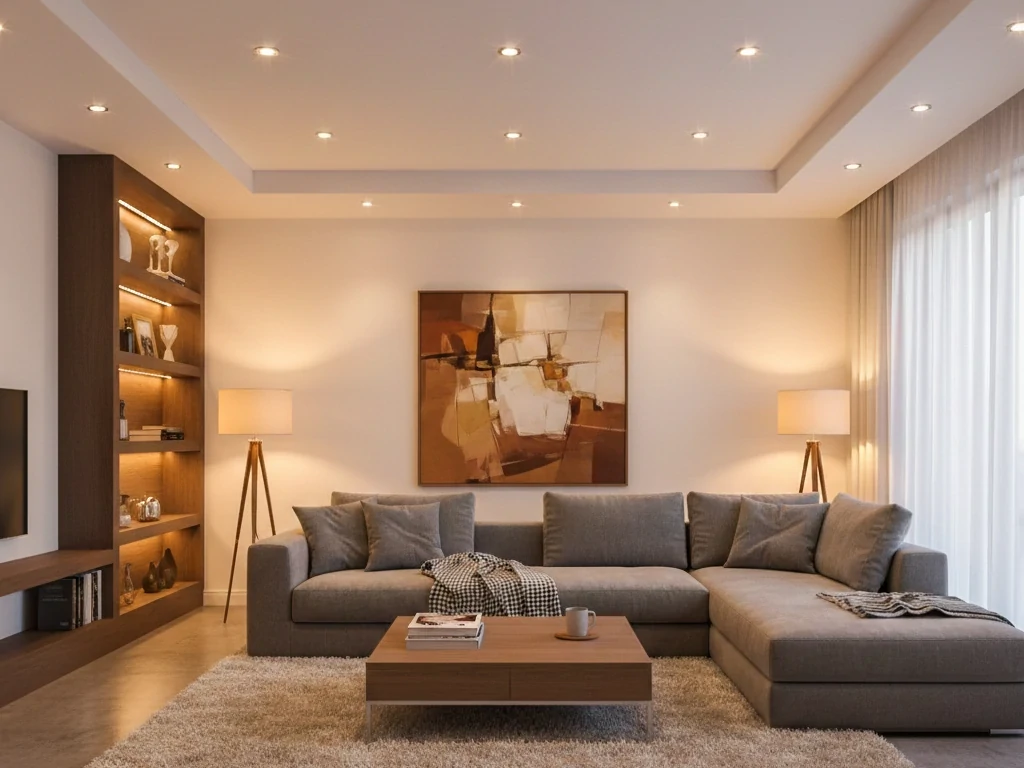
LED vs Traditional Bulbs – What’s the Real Difference?
If you have ever replaced a traditional bulb with a led lightbulb and immediately noticed a difference in brightness, heat, or even the “feel” of the light, you are not imagining things. The way LED technology produces light is fundamentally different from how incandescent, halogen, and CFL bulbs work, and those differences affect everything from your electric bill to how often you climb a ladder to change a bulb.
LED vs Incandescent Bulbs
Incandescent bulbs create light by passing electricity through a thin tungsten filament. The filament heats up to extremely high temperatures and glows. This process is simple, but highly inefficient.
Roughly 85–90% of the energy consumed by an incandescent bulb is released as heat rather than visible light. That wasted energy shows up on your utility bill and raises fixture temperatures, which can affect safety and comfort—especially in enclosed or poorly ventilated fixtures.
A led lightbulb, on the other hand, uses solid-state electronics to convert electricity directly into light. There is no filament to heat, and far less energy is lost as heat.
From a real-world perspective:
- A 60-watt incandescent typically produces around 800 lumens
- A comparable led lightbulb produces the same brightness using about 8–10 watts
That means an LED uses roughly one-sixth the power for the same amount of light.
Lifespan is another major difference. Incandescent bulbs generally last about 1,000 hours. A quality LED commonly lasts 15,000 to 25,000 hours under normal residential use. For a typical household, that translates into years of service from a single bulb.
Durability also favors LEDs. Incandescent filaments are fragile and easily damaged by vibration or minor impacts. LEDs are solid-state devices with no fragile filament, making them more resistant to everyday handling and movement.
In practical terms, switching from incandescent to LED means:
- Lower electricity costs
- Fewer bulb replacements
- Cooler fixtures
- Reduced fire and burn risk
For most indoor light applications, there is little functional reason to continue using incandescent bulbs today.
LED vs Halogen Bulbs
Halogen bulbs are a refined version of incandescent technology. They still use a filament, but operate inside a small capsule filled with halogen gas. This design allows the filament to burn hotter and slightly more efficiently than standard incandescent bulbs.
While halogen bulbs can produce crisp, bright light, they still suffer from many of the same limitations:
- High operating temperature
- Relatively short lifespan
- Modest efficiency gains compared to incandescent
A halogen bulb that replaces a 60-watt incandescent may consume around 43 watts. A comparable led lightbulb still uses only 8–10 watts.
Heat is a critical consideration. Halogen bulbs become extremely hot during operation. This limits their suitability for certain led bulb light fixtures, especially enclosed housings, recessed cans, or fixtures near combustible materials.
LEDs operate at much lower surface temperatures. Although they still generate some heat at the base, they do not radiate intense heat outward like halogen bulbs.
Another practical advantage of LEDs over halogen is cycling durability. Halogen filaments weaken with frequent on/off switching. LEDs tolerate frequent switching extremely well, making them ideal for areas such as bathrooms, closets, and hallways.
For homeowners concerned about safety, energy consumption, and longevity, LEDs outperform halogen bulbs in nearly every measurable category.
LED vs CFL Bulbs
Compact fluorescent lamps (CFLs) were once promoted as the main energy-saving alternative to incandescent bulbs. They use a gas-filled tube and phosphor coating to generate light through an electrical discharge.
Compared to incandescent bulbs, CFLs are more efficient. However, when compared to a modern led lightbulb, several disadvantages become apparent.
Start-up behavior is one of the most noticeable differences. Many CFLs require a warm-up period before reaching full brightness. LEDs illuminate instantly at full output.
CFLs also contain small amounts of mercury vapor. While safe when intact, broken CFL bulbs require special cleanup procedures and proper disposal. LEDs contain no mercury.
Lifespan comparisons further favor LEDs. CFLs typically last 6,000 to 10,000 hours. Quality LED bulbs often exceed 15,000 hours.
Temperature performance is another factor. CFLs can struggle in cold environments, such as garages or outdoor fixtures, where light output may be reduced. LEDs perform reliably across a wide temperature range.
In practical home use, LEDs have largely replaced CFLs because they:
- Turn on instantly
- Contain no hazardous vapor
- Last longer
- Offer better light quality options
For anyone selecting led bulbs for home upgrades, CFLs rarely make sense anymore.
Light Quality and Control Differences
Beyond efficiency and lifespan, the way light looks and behaves is a critical difference between LEDs and traditional bulbs.
Early LED products gained a reputation for harsh or bluish light. Modern LEDs are available across a full range of color temperatures, from warm white (2700K) to daylight (6500K), allowing homeowners to tailor indoor light to specific rooms and tasks.
Color rendering is another important consideration. High-quality LEDs now achieve CRI values above 90, meaning colors appear natural and accurate—comparable to or better than incandescent bulbs.
Traditional filament bulbs dim smoothly by reducing voltage. LEDs require electronic drivers to dim correctly. When paired with compatible dimmers, modern LEDs dim smoothly and consistently. When paired with incompatible dimmers, flicker or buzzing may occur.
This difference explains many user complaints and highlights the importance of matching dimmable LEDs with appropriate controls.
Heat Management and Fixture Compatibility
Heat is the silent factor that separates LEDs from traditional bulbs in real installations.
Incandescent and halogen bulbs radiate heat outward. LEDs generate heat at the base, which must be conducted away through heat sinks.
This distinction matters when asking, can you use led bulbs in any light fixture?
In open fixtures with good airflow, most LEDs perform well. In tightly enclosed fixtures, only LEDs rated for enclosed use should be installed. Using a non-rated LED in an enclosed housing can shorten its lifespan significantly.
Traditional bulbs tolerate high internal temperatures better than LEDs, but at the cost of enormous energy waste.
Understanding this thermal difference helps homeowners select the right bulb for each fixture and avoid premature failure.
Cost Over Time: Purchase Price vs Lifetime Value
Traditional bulbs are cheap at checkout but expensive to operate.
A typical incandescent bulb may cost little upfront but consumes far more electricity and requires frequent replacement. A led lightbulb costs more initially but saves money every month through lower energy use and fewer replacements.
Over the lifespan of a single LED bulb, the total cost of ownership is often several times lower than that of incandescent or halogen bulbs.
For households replacing dozens of bulbs, this difference becomes substantial.
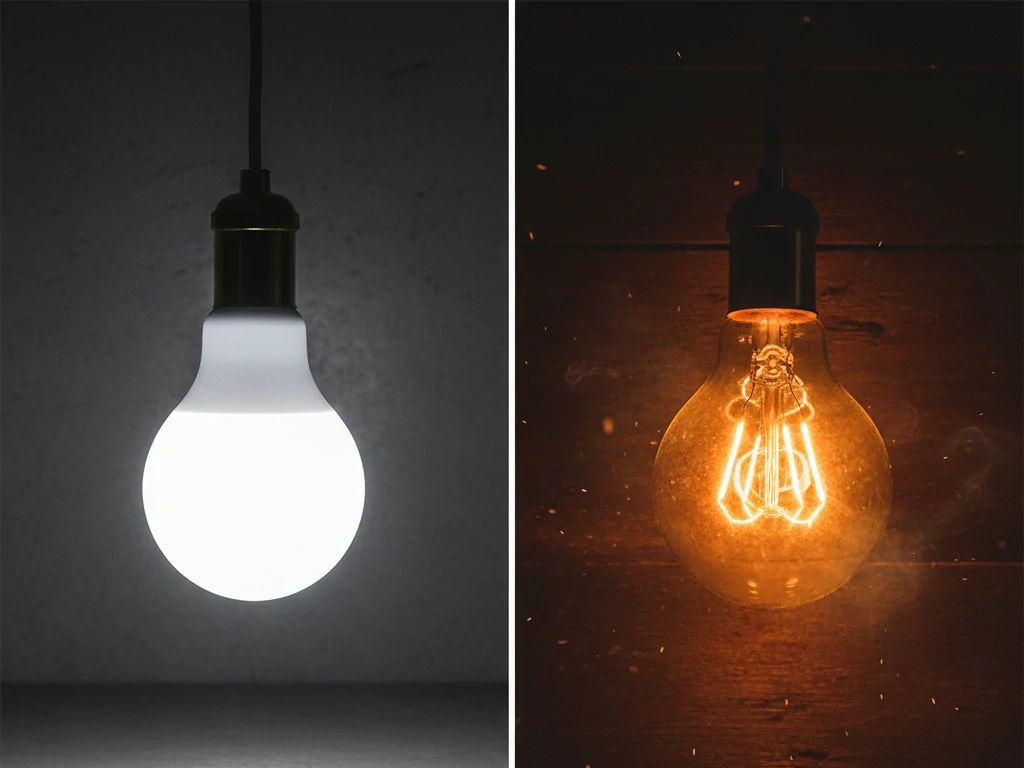
Can You Use LED Bulbs in Any Light Fixture?
This is one of the most common—and most misunderstood—questions about modern lighting: can you use led bulbs in any light fixture?
The short answer is: often yes, but not always.
The long answer is far more useful. While a led lightbulb may physically fit into many fixtures, long-term performance, safety, and lifespan depend on several technical and environmental factors. Understanding these factors is what separates a trouble-free installation from flickering bulbs, premature failures, or overheating issues.
Let’s walk through what truly determines whether a led lamp light bulb will work properly in a specific fixture.
Socket Type Compatibility
The most basic requirement is that the bulb base matches the socket.
Common residential bases include:
- E26 / E27 screw base
- B22 bayonet base
- GU10 twist-lock base
- MR16 bi-pin base
If the base does not match, the bulb cannot be installed safely—adapters are generally discouraged because they can introduce electrical and thermal risks.
Matching the socket type ensures electrical connection, but it does not guarantee full compatibility. It simply means the bulb can be physically installed.
Open Fixtures vs Enclosed Fixtures
One of the biggest factors affecting LED performance is heat.
Traditional bulbs radiate heat outward. LEDs generate heat at their base, which must be dissipated through internal heat sinks. If that heat cannot escape, internal components degrade faster.
Open fixtures allow air circulation. Most standard led lightbulb designs perform well in these environments.
Enclosed fixtures trap heat. Examples include:
- Dome ceiling lights
- Fully enclosed outdoor lanterns
- Some decorative pendants
Only LEDs specifically labeled for enclosed fixtures should be used in these housings. Installing a non-rated LED inside an enclosed fixture can reduce lifespan dramatically, even if the bulb seems to work fine at first.
This is a major reason why the question can you use led bulbs in any light fixture does not have a simple yes-or-no answer.
Fixture Size and Physical Clearance
LED bulbs vary in length and width. Some high-output LEDs are physically larger than traditional bulbs.
Before installing a bulb:
- Confirm it fits fully inside the fixture
- Ensure the diffuser or cover can close properly
- Verify the bulb is not pressed tightly against surrounding materials
Crowding restricts airflow and accelerates heat buildup.
Dimmable vs Non-Dimmable Fixtures
If a fixture is connected to a dimmer switch, the LED must be dimmable.
Non-dimmable LEDs installed on dimmer circuits may:
- Flicker
- Buzz
- Fail prematurely
Even with dimmable LEDs, dimmer compatibility matters. Older dimmers designed for incandescent loads may not communicate properly with LED drivers.
For smooth dimming performance, both the dimmer and the led lightbulb must be designed for LED operation.
Voltage and Electrical System Compatibility
Most residential fixtures operate on standard line voltage. Some systems—such as track lighting, landscape lighting, or under-cabinet lighting—use low voltage and require transformers or drivers.
Using an LED designed for the wrong voltage can result in:
- No operation
- Flickering
- Overheating
- Immediate failure
Always verify voltage rating before installation.
Damp-Rated and Wet-Rated Locations
Location matters as much as fixture type.
Dry locations:
- Living rooms
- Bedrooms
- Offices
Damp locations:
- Bathrooms
- Laundry rooms
- Covered patios
Wet locations:
- Outdoor exposed fixtures
- Shower enclosures
Only LEDs rated for damp or wet locations should be installed in those environments. Moisture can corrode electronics and degrade internal components.
For safe long-term performance, match bulb rating to environment.
Integrated LED Fixtures vs Replaceable Bulb Fixtures
Some modern fixtures use integrated LED modules rather than replaceable bulbs.
With integrated fixtures:
- You cannot install standard led lightbulb replacements
- The entire fixture is replaced when the LED module fails
With replaceable fixtures:
- You retain flexibility
- You can upgrade bulb type, color temperature, and brightness
Understanding which type of fixture you have prevents confusion when troubleshooting or upgrading.
Heat Rating of the Fixture
Some fixtures are rated for maximum wattage based on heat tolerance.
While LED wattage is lower than traditional bulbs, heat density still matters. A high-output LED in a small enclosed fixture may exceed thermal design limits.
When manufacturers list maximum wattage, they assume traditional bulb heat profiles. LEDs usually operate well below these limits, but physical size and enclosure rating still apply.
When LEDs Are Not a Good Fit
Although rare, some situations still challenge LED use:
- Very small sealed decorative fixtures
- Extremely high-temperature environments
- Specialty vintage fixtures without airflow
In these cases, selecting an LED specifically designed for the application becomes critical.
Practical Rule of Thumb
A led lightbulb is suitable for most fixtures when:
- The base matches
- The bulb fits physically
- The bulb is rated for the environment
- The bulb is rated for enclosure type
- The bulb matches voltage and dimmer requirements
If all five conditions are met, performance and lifespan will usually be excellent.
Why Compatibility Matters More with LEDs Than Traditional Bulbs
Traditional bulbs tolerate heat because they are designed to operate at extremely high filament temperatures. LEDs are efficient, but electronics are sensitive to heat.
This difference explains why fixture compatibility plays a much larger role in LED performance than it ever did with incandescent bulbs.
Expert Perspective
From field testing and long-term residential installations, the majority of LED failures traced back to fixture-related heat stress—not defective LEDs.
When homeowners assume any bulb that fits is acceptable, problems occur. When they verify enclosure rating, dimmer compatibility, and environment rating, LED reliability improves dramatically.
Final Answer
So, can you use led bulbs in any light fixture?
You can use LEDs in most fixtures—but only when the bulb is properly matched to the fixture’s design, environment, and electrical system.
Take two minutes to check ratings and compatibility, and your led lightbulb will deliver years of safe, efficient, and stable performance.
How to Choose the Right LED Bulbs for Home
Walking into a store or browsing online for led bulbs for home lighting can feel overwhelming. Hundreds of options, endless technical terms, and packaging filled with numbers that seem designed for engineers—not homeowners.
Here is the good news: choosing the right led lightbulb does not require advanced technical knowledge. It requires understanding a small set of practical factors and how they apply to real rooms, real fixtures, and real daily use.
Brightness (Lumens) Selection by Room
Forget watts. For a modern led lightbulb, brightness is measured in lumens.
Think of lumens as “how much light you get,” while watts simply indicate how much electricity the bulb uses.
General guidelines for common indoor spaces:
- Bedroom: 800–1,200 lumens
- Living room: 1,500–3,000 lumens
- Kitchen: 3,000–4,000 lumens
- Bathroom vanity: 1,600–2,400 lumens
- Home office: 1,200–2,000 lumens
These numbers represent total light for the room, not necessarily per bulb. If you have multiple fixtures, divide the target lumens across several bulbs.
A practical approach:
- Identify the room’s purpose
- Decide how bright it should feel
- Choose bulbs whose combined lumens reach that range
For example, three led lightbulb units rated at 800 lumens each will deliver roughly 2,400 lumens total.
Color Temperature Options
Color temperature is measured in Kelvin (K). It describes the warmth or coolness of light, not brightness.
Common ranges:
- 2700K–3000K → Warm white (soft, yellowish)
- 3500K–4000K → Neutral white (balanced)
- 5000K–6500K → Daylight (cool, crisp)
Warm white feels relaxing and works well in bedrooms and living rooms.
Neutral white is popular for kitchens, bathrooms, and hallways.
Daylight tones are often used in workspaces, garages, and task-oriented areas.
When selecting led bulbs for home, consistency matters. Mixing wildly different color temperatures within the same room can make lighting feel uncomfortable.
Color Rendering Index (CRI) Explained
CRI measures how accurately colors appear under a light source, on a scale from 0 to 100.
- CRI 80+ → Good for general home use
- CRI 90+ → Excellent color accuracy
Higher CRI lighting makes skin tones look natural, food appear appetizing, and décor colors appear true.
For kitchens, bathrooms, and makeup areas, choosing a led lightbulb with CRI 90+ is a noticeable upgrade.
Beam Angle and Light Distribution
Beam angle describes how wide the light spreads.
- Narrow beam (15°–30°): Accent lighting, artwork
- Medium beam (40°–60°): Task lighting
- Wide beam (100°+): General room lighting
A narrow-beam bulb in a ceiling fixture can create bright spots and shadows. A wide-beam bulb produces more even indoor light.
When selecting bulbs for ceiling fixtures, pendants, or floor lamps, wide-beam options usually feel more natural.
Bulb Shape and Base Type
Bulb shape affects both appearance and light distribution.
Common shapes:
- A-shape: Standard household bulb
- Globe: Decorative fixtures
- Candle: Chandeliers
- Reflector: Recessed lighting
Always match the base type to your fixture (E26, E27, B22, GU10, etc.).
A led lamp light bulb that fits physically and electrically ensures proper operation and safety.
Matching Bulb Output to Fixture Type
Different fixtures behave differently.
Table lamps and floor lamps benefit from omnidirectional bulbs that emit light in all directions.
Recessed ceiling fixtures work best with reflector-style LEDs designed to push light downward.
Wall sconces often look best with frosted bulbs that soften glare.
Understanding how the fixture directs light helps you choose the correct bulb design.
Choosing Between Dimmable and Non-Dimmable LEDs
If a fixture is controlled by a dimmer switch, you must use a dimmable LED.
Non-dimmable LEDs on dimmers often:
- Flicker
- Buzz
- Fail prematurely
Even with dimmable LEDs, using modern LED-compatible dimmers improves performance.
If you do not use dimmers, non-dimmable LEDs are perfectly fine and sometimes slightly less expensive.
Considering Enclosed Fixture Ratings
Some led bulb light fixtures fully enclose the bulb, trapping heat.
Only LEDs rated for enclosed fixtures should be used in these housings.
Ignoring this rating is one of the most common causes of early LED failure.
Choosing LED Bulbs for Home Based on Room Function
Rather than thinking “one bulb fits all,” think in zones:
Living areas → Warm white, wide beam, medium brightness
Bedrooms → Warm white, dimmable, soft diffusion
Kitchens → Neutral white, high CRI
Bathrooms → Neutral white, high CRI, damp-rated
Offices → Neutral to daylight, glare-controlled
This room-by-room approach produces balanced, comfortable indoor light throughout the home.
Energy Efficiency vs Light Quality Balance
Most modern LEDs are highly efficient. Instead of chasing the lowest wattage, prioritize:
- Correct lumens
- Appropriate color temperature
- High CRI
- Proper fixture compatibility
A slightly higher-watt LED that provides better light quality and longer lifespan is often the better investment.
Practical Buying Checklist
Before purchasing a led lightbulb, confirm:
- Lumens match room needs
- Kelvin temperature fits room purpose
- CRI 80+ (preferably 90+)
- Base type matches socket
- Enclosure rating if needed
- Dimmable if using dimmer
If all boxes are checked, you are very likely choosing a bulb that will perform well.
LED Lights for Light Box and Photography
Whether you are photographing artwork, products, food, or small crafts, lighting quality matters more than camera specifications. A well-built light box paired with the right led lights for light box use can dramatically improve image consistency, color accuracy, and editing efficiency.
Why LED Lights Are Ideal for Light Boxes
LEDs have largely replaced fluorescent and halogen lamps in photographic light boxes for several practical reasons:
- Stable, continuous light output
- Low heat generation
- Long operating life
- Low power consumption
Traditional bulbs generate significant heat, which can warp diffusion materials, discolor backdrops, and make long shooting sessions uncomfortable. A led lightbulb produces minimal radiant heat, keeping both the subject and enclosure stable.
Another advantage is consistency. LEDs reach full brightness instantly and maintain steady output, which is essential for exposure accuracy.
For anyone building or upgrading a light box, LEDs are now the default choice.
Recommended Color Temperature for Light Box Use
Color temperature directly affects how colors appear in photographs.
For most photography applications:
- 5000K–5500K (daylight range) is ideal
This range closely matches natural daylight and simplifies white balance calibration. Using LEDs in this range allows cameras to capture neutral tones without heavy correction.
Mixing different color temperatures inside a light box should be avoided. If one side emits warm white and another emits daylight, shadows will have different color casts that are difficult to correct in post-processing.
When selecting led lights for light box setups, always choose a consistent Kelvin rating across all light sources.
High-CRI Requirements for Accurate Color
CRI (Color Rendering Index) measures how accurately a light source reproduces colors compared to natural light.
For photography:
- Minimum recommended CRI: 90
- Ideal: 95 or higher
Lower-CRI LEDs may appear bright but distort certain colors—especially reds, blues, and skin tones.
A led lightbulb with high CRI ensures that what you see during shooting closely matches what appears in the final image, reducing editing time and preventing color surprises.
LED Strip Lights vs LED Bulbs in Light Boxes
Both formats can work well, but they serve slightly different purposes.
LED Strip Lights
- Provide even illumination
- Easy to mount along walls or ceiling
- Excellent for small to medium light boxes
LED Bulbs
- Produce higher point-output
- Useful for larger boxes
- Often require diffusion panels
Many builders combine both: strips for general fill light and bulbs for directional highlights.
When using bulbs, select wide-beam LEDs to avoid harsh hotspots.
Positioning and Diffusion Techniques
Light quality depends as much on placement as on the light source itself.
Common placement strategies:
- Top panel lighting for general illumination
- Side panels for shadow control
- Front opening for soft fill
Diffusion materials are essential. Without diffusion, even high-quality LEDs can produce hard reflections.
Common diffusion options:
- White fabric
- Frosted acrylic
- Tracing paper
Placing diffusion between the LEDs and the subject creates soft, even light.
Brightness Levels for Light Boxes
Brightness depends on box size and subject reflectivity.
As a general starting point:
- Small light box: 1,000–2,000 lumens total
- Medium light box: 2,000–4,000 lumens
- Large light box: 4,000+ lumens
Using multiple moderate-output LEDs often produces better results than one extremely bright source.
Heat Management Inside a Light Box
Although LEDs run cool compared to traditional bulbs, they still generate some heat at their base.
Ensure:
- Ventilation openings
- Space around LED housings
- No contact between LEDs and flammable materials
Good airflow extends LED lifespan and maintains stable output.
Avoiding Common Light Box Lighting Mistakes
- Mixing color temperatures
- Using low-CRI LEDs
- Skipping diffusion
- Over-concentrating light in one area
These mistakes lead to uneven lighting and inaccurate colors.
Choosing Between Plug-In Fixtures and Hardwired LEDs
Plug-in LEDs offer flexibility and easy replacement. Hardwired systems look cleaner but require more planning.
For most DIY builders, plug-in led lightbulb or LED strip systems are the most practical choice.
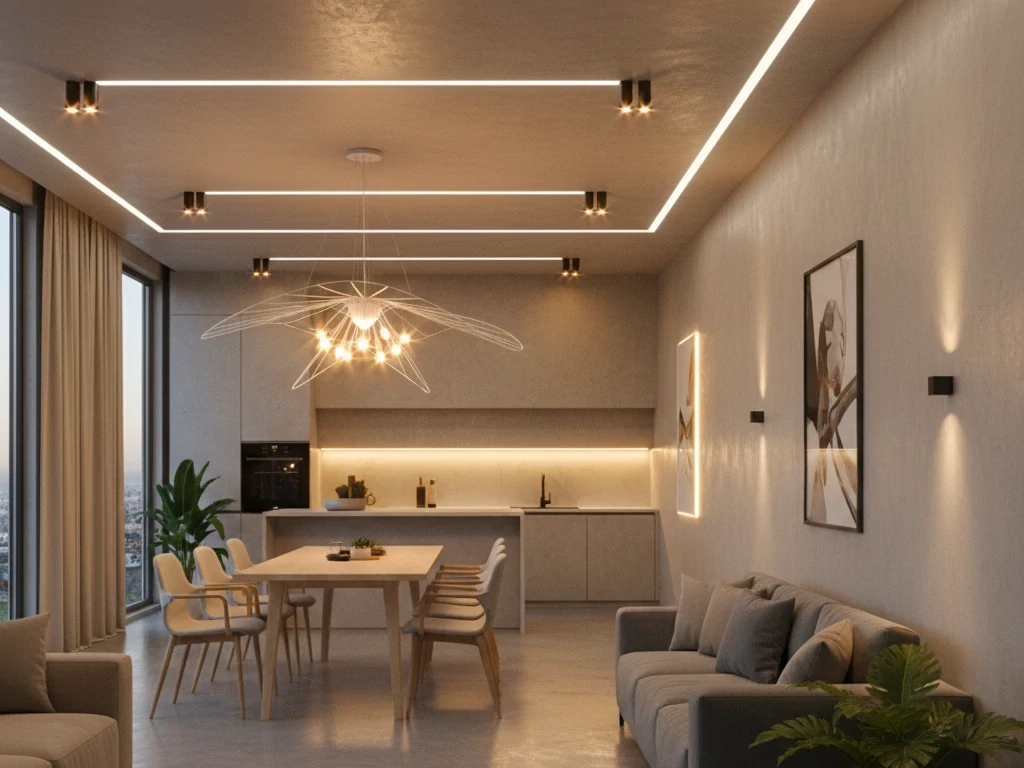
Common Problems with LED Lightbulbs (And How to Fix Them)
Even the best led lightbulb isn’t immune to issues if it’s mismatched to its fixture, environment, or electrical system. Understanding common problems—and how to fix them—can save you time, money, and frustration. From flickering and buzzing to premature failure, these are the challenges homeowners and professionals encounter most frequently with led bulbs for home and indoor light applications.
Flickering
What Happens: The LED blinks or pulses instead of producing steady light.
Causes:
- Incompatible dimmer switches
- Poor-quality LED drivers
- Voltage fluctuations in the circuit
Fixes:
- Ensure the bulb is labeled dimmable if used with a dimmer
- Replace old dimmers with LED-compatible dimmers
- Check electrical connections for loose wiring
Tip: Flicker is rarely caused by the LED itself. Most modern LEDs with quality drivers handle standard line voltage well.
Buzzing or Humming
What Happens: The bulb emits a low-pitched sound when operating, especially on dimmed circuits.
Causes:
- Magnetic transformers or older dimmer switches
- Driver interference in the LED
- Voltage irregularities
Fixes:
- Use LED-compatible dimmers
- Avoid mixing old and new fixtures on the same circuit
- Ensure the driver and bulb are rated for the fixture
Buzzing is not dangerous in most cases but can indicate strain on the system, reducing lifespan over time.
Dimming Issues
What Happens: The LED doesn’t dim smoothly, flickers at low levels, or turns off unexpectedly.
Causes:
- Non-dimmable LEDs on a dimmer
- Incompatible dimmer type
- Driver quality issues
Fixes:
- Only use dimmable LEDs on dimmer circuits
- Upgrade to dimmers specifically rated for LED use
- Avoid overloading circuits with too many bulbs on a single dimmer
Pro tip: Smooth dimming depends on both bulb and dimmer design. Even high-quality LEDs can flicker if paired with legacy dimmers.
Premature Failure
What Happens: LED burns out far earlier than the advertised 15,000–25,000 hours.
Causes:
- Excess heat in enclosed or poorly ventilated fixtures
- Using LEDs in damp or wet environments without proper rating
- Voltage spikes or poor-quality drivers
Fixes:
- Check enclosure ratings before installation
- Ensure proper ventilation for heat dissipation
- Use surge-protected circuits when possible
Note: Heat is the single largest factor affecting LED lifespan. A led bulb light fixture that traps heat will dramatically shorten life expectancy.
Color Shift or Uneven Lighting
What Happens: The LED changes color over time or produces uneven light coverage.
Causes:
- Low-quality LEDs with inconsistent phosphor coatings
- Mixing bulbs of different manufacturers or color temperatures
- Hot spots caused by poor diffusion or beam angle mismatch
Fixes:
- Use high-CRI, high-quality LEDs
- Match bulbs by type and color temperature
- Add diffusers to spread light evenly
Buzzing, Flicker, or Color Issues in Recessed Fixtures
Recessed or can lights are particularly sensitive because they often trap heat.
- Install only LEDs rated for enclosed fixtures
- Ensure sufficient clearance around the bulb for airflow
- Use wide-beam LEDs for even illumination
These precautions prevent common headaches with recessed installations.
LED Driver or Power Supply Failures
What Happens: LED stops working completely or flickers intermittently.
Causes:
- Poor-quality internal driver
- Voltage spikes or surges
- Overheating
Fixes:
- Purchase bulbs with certified drivers
- Avoid overloading circuits
- Consider surge protection
A high-quality led lightbulb from a verified source will rarely fail due to the driver under normal conditions.
Compatibility with Smart Home or Dimming Systems
Modern homes increasingly use smart switches, Wi-Fi dimmers, or motion sensors. Some led bulbs for home setups may not behave as expected.
- Flicker or delayed response
- Inconsistent brightness
- Failure to respond to automation
Fixes:
- Verify LED compatibility with smart controllers before purchase
- Update firmware on smart dimmers or hubs if applicable
- Use bulbs designed specifically for smart-home integration
Quick Maintenance Tips for Long-Term Reliability
- Check fixture ratings – especially for enclosed or damp locations.
- Avoid mixing bulb types – LED and halogen or CFL in the same circuit can cause flicker.
- Use surge protection – LEDs are sensitive to voltage spikes.
- Ensure proper ventilation – heat management is critical.
- Select quality LEDs – cheap bulbs may save a few dollars upfront but often fail prematurely.
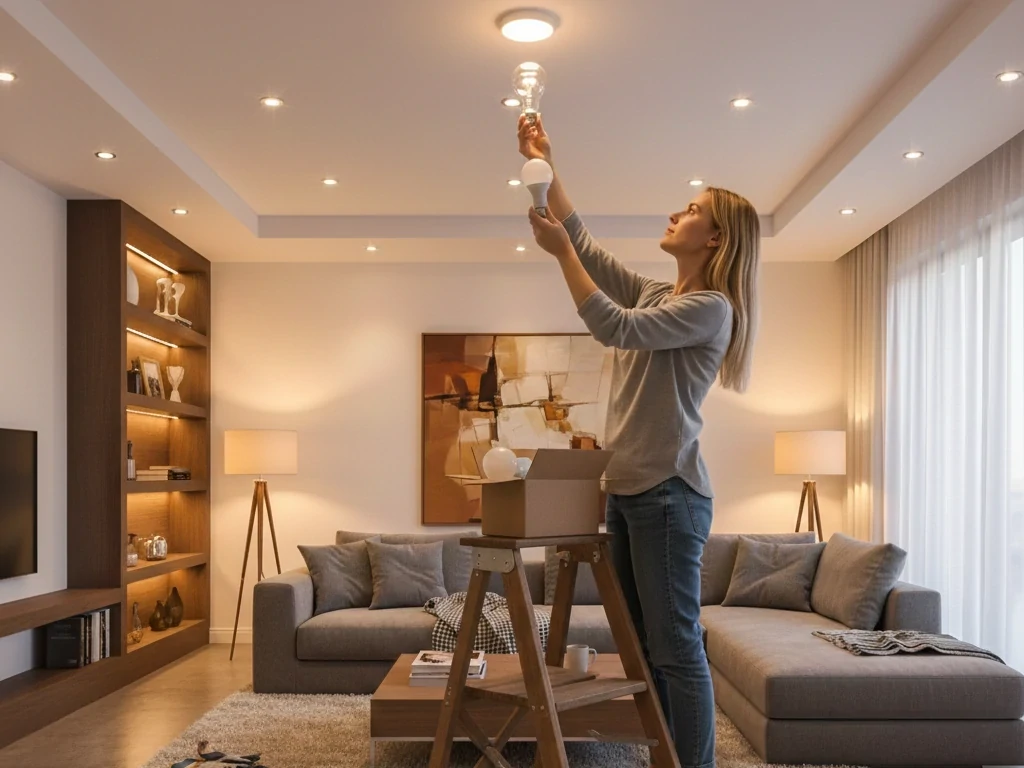
Conclusion – Choosing the Right LED Lightbulb with Confidence
The modern led lightbulb is one of the most reliable, efficient, and versatile lighting technologies ever created. When you understand compatibility, brightness, color temperature, and fixture limitations, selecting the right bulb becomes straightforward.
Whether you are upgrading a living room, building a photo light box, or replacing outdated bulbs, a carefully chosen led lamp light bulb will deliver better light, lower energy bills, and years of dependable service.
If lighting matters to you—and it should—invest a few minutes in choosing the right LED now. Your eyes, your wallet, and your home will thank you.
Frequently Asked Questions
What are the disadvantages of LED light bulbs?
While LEDs offer long life and energy efficiency, they do have a few drawbacks:
• Initial cost: LEDs are more expensive upfront than incandescent bulbs.
• Heat sensitivity: Enclosed or poorly ventilated fixtures can shorten lifespan.
• Dimmer compatibility: Non-dimmable LEDs cannot be used with dimmer switches.
• Light distribution: Some LEDs produce directional light, requiring careful fixture matching.
• Quality variation: Lower-quality LEDs may flicker, change color over time, or fail early.
Understanding these limitations helps homeowners choose led bulbs for home applications effectively.
Why is an LED better than a bulb?
LEDs are superior to traditional incandescent, halogen, and CFL bulbs because they:
• Consume up to 80% less energy for the same brightness
• Last 10–25 times longer than standard bulbs
• Produce minimal heat, improving safety and comfort
• Offer customizable color temperatures and high CRI for better color accuracy
• Turn on instantly without warm-up time
In practical terms, switching to led lightbulbs reduces energy bills, replacement costs, and maintenance effort.
Can you put an LED bulb in any fixture?
Not every fixture is suitable. While a led lamp light bulb may physically fit, consider:
• Fixture type: Enclosed housings require LEDs rated for enclosed use.
• Voltage: Low-voltage or transformer-powered fixtures need compatible LEDs.
• Dimming: Only dimmable LEDs work with dimmer switches.
• Environmental rating: Damp- or wet-rated bulbs are required for bathrooms or outdoor areas.
Following these guidelines ensures optimal performance and prevents premature failure.
What’s the difference between LED and regular bulbs?
The main difference lies in how the light is produced and how efficiently it is used. Traditional incandescent bulbs generate light by heating a filament until it glows, which wastes most of the energy as heat. Halogen bulbs operate similarly, producing intense heat, while CFLs (compact fluorescent lamps) rely on a chemical reaction inside a gas-filled tube, which can take time to reach full brightness and may contain small amounts of mercury.
In contrast, a led lightbulb uses a semiconductor to emit light, which is far more energy-efficient. LEDs produce very little heat, consume significantly less electricity, and have much longer lifespans—often 15,000 to 25,000 hours compared to 1,000–2,000 hours for incandescent bulbs.
Additionally, LEDs offer better control over color temperature and brightness, and they maintain consistent light output over time. Traditional bulbs may fade or shift color as they age. The solid-state design of LEDs also makes them more durable and vibration-resistant, whereas filaments in incandescent bulbs are fragile and prone to breaking.
In short, LEDs combine efficiency, longevity, durability, and customizable light quality, making them a superior choice for modern led bulb light fixtures and indoor light applications.
What lights to use in a light box?
For photography or product display:
• Daylight-range LEDs (5000K–5500K) for neutral color reproduction
• High-CRI LEDs (90+) to ensure accurate colors
• Wide-beam LEDs or strips for even illumination
• Diffusers (white fabric, acrylic, or tracing paper) to reduce harsh shadows
Using consistent, high-quality led lights for light box setups results in clear, shadow-free images.
Which type of LED light is best for home?
For most residential applications:
• Warm white (2700K–3000K) for bedrooms and living areas
• Neutral white (3500K–4000K) for kitchens, bathrooms, and workspaces
• CRI 80+ or 90+ for accurate color rendering
• Dimmable LEDs where adjustable brightness is desired
• Enclosure-rated LEDs for enclosed fixtures
Matching brightness, color temperature, and fixture type ensures comfortable and efficient indoor light.
Can LED bulbs be used in outdoor fixtures?
Yes, but only if they are damp- or wet-rated. Standard indoor LEDs exposed to moisture may fail or pose safety hazards. Enclosed outdoor fixtures may also require LEDs rated for enclosed use to prevent heat buildup.
Do LED bulbs work with dimmer switches?
Only dimmable LEDs work properly with dimmers. Non-dimmable LEDs may flicker, buzz, or fail prematurely. For best results, use dimmers designed for LED technology.
How long do LED bulbs last?
Typical led lightbulbs last between 15,000 and 25,000 hours. Lifespan depends on heat management, fixture type, voltage stability, and quality of the bulb itself. Proper installation can extend life even further.
Can mixing different LEDs cause problems?
Yes. Mixing LEDs of different color temperatures or brands in the same room or fixture can lead to:
• Uneven light
• Color mismatch
• Flicker in dimmed setups
For consistent results, match led bulbs for home by color temperature, beam angle, and manufacturer specifications.
Why do some LEDs flicker or buzz?
Common causes include:
• Incompatible dimmers
• Electrical noise or voltage fluctuations
• Low-quality LED drivers
Fixes involve ensuring dimmer compatibility, checking wiring, and using high-quality bulbs rated for your fixture type.
Can LED lights replace CFLs and halogens everywhere?
Mostly yes, but with exceptions:
• Very small or fully enclosed fixtures may require specialized LEDs
• Certain vintage or decorative fixtures may not support directional LED light
• Outdoor or wet locations need proper ratings
For general residential and commercial use, led lightbulbs outperform CFLs and halogens in energy efficiency, durability, and color quality.