
Table of Contents
Outdoor lighting has come a long way from the days of bulky wired fixtures and high electricity bills. Today, more homeowners and property managers are turning to solar lights floodlights because they offer something traditional lighting never could—powerful illumination without any dependency on the grid. Whether you’re trying to brighten a dark driveway, add security to your backyard, or keep walkways visible at night, solar flood lights have become one of the most reliable and cost-effective ways to do it. As solar technology continues to improve, the demand for the best outdoor solar flood lights has grown rapidly, and with good reason: they’re easy to install, incredibly efficient, and designed to perform even in challenging outdoor conditions. In this guide, we’ll walk through everything you need to know before choosing the best solar flood lights, including how they work, what features truly matter, and how to pick the right solar flood light for outdoor spaces of any size.
Introduction to Solar Flood Lights
What Are Solar Flood Lights?
In the simplest terms, solar lights floodlights are high-intensity LED fixtures powered entirely by energy captured from the sun. Instead of drawing electricity from the grid, they use a solar panel to convert sunlight into electricity during the day, store that energy in a built-in rechargeable battery, and release it at night to power a bright, wide-angle LED floodlight.
Solar flood lights differ from traditional wired fixtures in several ways. Conventional floodlights require electrical wiring, professional installation, and ongoing electricity costs. However, solar flood lights for outdoor use require none of these—making them an attractive choice for people seeking lighting solutions that are eco-friendly, cost-free to operate, and simple to install. With smarter sensors, better solar panels, and more efficient LEDs, today’s best solar flood lights provide brighter, more reliable performance than ever before.
Why Solar Lights Are Becoming Popular
Outdoor lighting is no longer just about brightness—it’s about convenience, sustainability, and smart energy use. The increased popularity of solar lights floodlights is largely due to these trends. Solar flood lights offer a hassle-free experience: no wiring, no professional installation, and no recurring electricity bills. As long as the solar panel receives direct sunlight each day, the light can operate entirely on renewable energy.
Additionally, many homeowners want lighting that enhances safety without harming the environment. Solar lights offer an ideal solution because they significantly reduce carbon emissions. With the push toward sustainable living, many people prefer using solar flood light for outdoor illumination instead of grid-powered lighting systems.
Benefits of Solar Flood Lights
As more homeowners and property managers take a closer look at energy efficiency and long-term outdoor lighting solutions, solar lights floodlights have become an increasingly popular choice. Their advantages extend far beyond “saving electricity”—they provide a reliable lighting system that blends performance, sustainability, and practicality. Understanding these benefits will help you select the best outdoor solar flood lights for your home or property, ensuring you get the most value from your investment.
Eco-Friendly and Sustainable Lighting
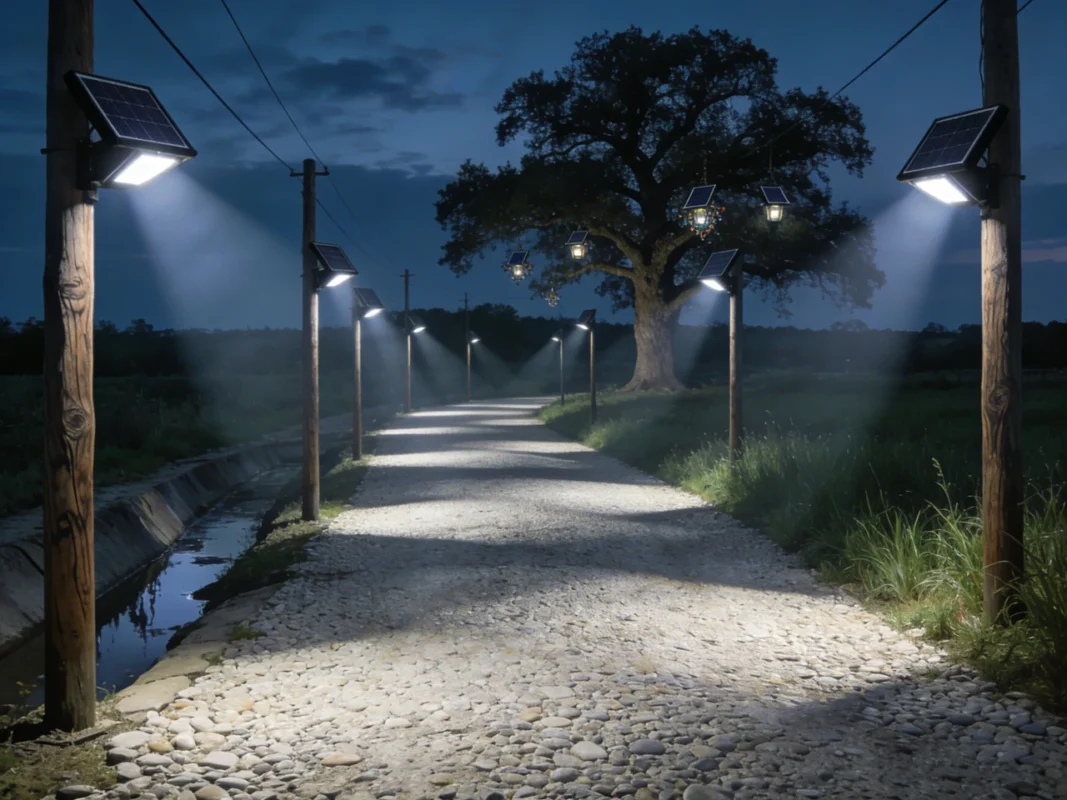
One of the biggest advantages of solar lights floodlights is their environmental impact—or rather, the lack of one. Every time these lights turn on at dusk, they run entirely on clean, renewable solar energy. Instead of pulling power from the electrical grid, they rely on sunlight captured during the day and stored in a rechargeable battery.
This makes solar flood lights an appealing option for anyone looking to reduce energy consumption or make their property more eco-friendly. With no carbon emissions, no strain on local power infrastructure, and no need for fossil-fuel-based electricity, these systems offer a genuinely sustainable way to illuminate outdoor areas. Even a few well-placed solar flood lights can significantly reduce your reliance on traditional lighting methods, especially if you want to move toward greener living.
Homeowners who seek environmentally conscious choices often find that the best solar flood lights deliver impressive brightness while helping them align with long-term sustainability goals. Whether you use them to secure your backyard or brighten your front walkway, these lights allow you to make a positive environmental impact without sacrificing performance.
Cost-Effective Outdoor Illumination
While the environmental benefits are compelling, the financial advantages of solar lights floodlights are just as significant. Traditional wired lighting systems may appear inexpensive upfront, but their long-term operating costs—electricity usage, wiring, labor, and maintenance—quickly add up. In contrast, solar flood lights require no ongoing power costs because they operate entirely off sunlight.
After the initial purchase, you essentially enjoy free lighting for years. This makes solar flood lights a smart investment for homeowners who want bright illumination without the burden of rising utility bills. Over time, the cost savings can be substantial, especially for properties that need multiple fixtures or those that require nighttime lighting throughout the year.
Whether you’re illuminating a wide driveway or a large backyard, choosing the best outdoor solar flood lights can dramatically reduce your monthly energy expenses. For rental properties, vacation cabins, or rural homes, the savings can be even greater, especially where wiring would normally require significant installation work or trenching.
Easy Installation & Low Maintenance
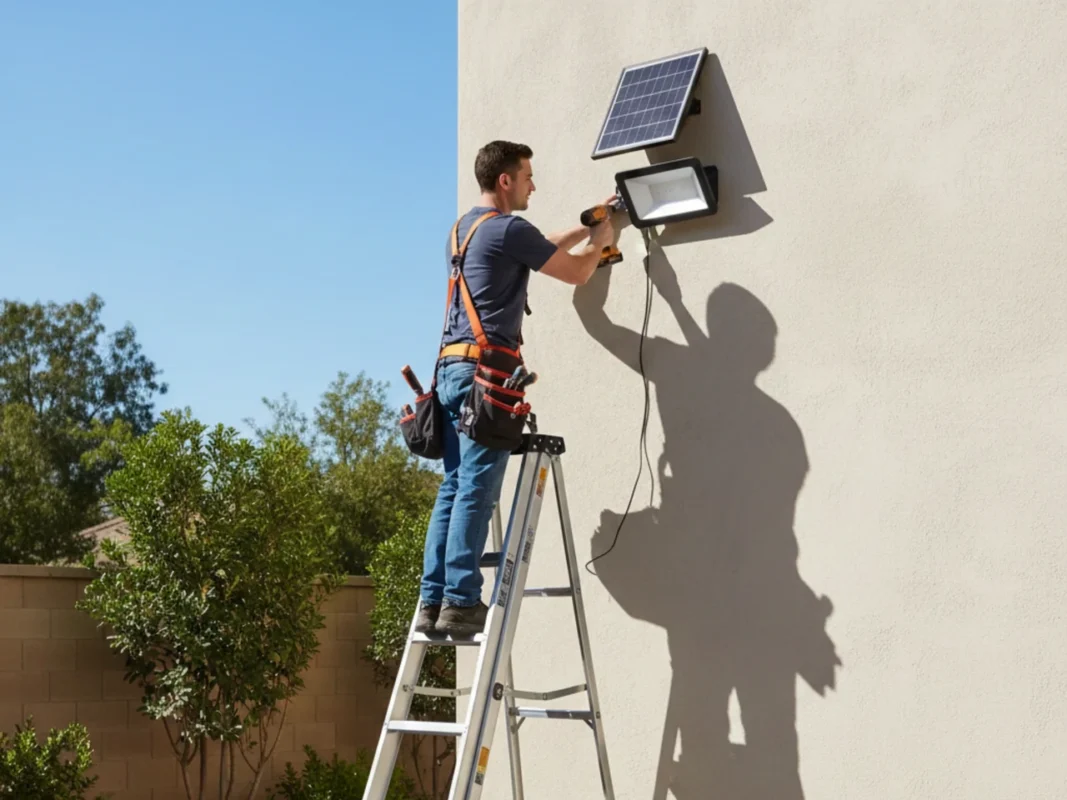
If there is one benefit of solar flood lights that homeowners appreciate the most, it’s the simplicity. Setting up solar lights floodlights generally takes just a few minutes. There’s no need to call an electrician, dig trenches, or install conduits. Most units mount onto walls, fences, poles, or even trees with basic tools.
This makes solar flood lights particularly useful in areas where electrical access is limited or nonexistent—such as barns, detached garages, remote driveways, or outdoor recreation areas. Because solar lights operate independently of the electrical grid, you can place them almost anywhere sunlight is available.
Once installed, solar flood light for outdoor use requires minimal upkeep. Routine cleaning of the solar panel and occasional battery checks are usually enough to keep the system running for years. With fewer components that can fail—and no wiring that can corrode or short out—solar flood lights provide dependable service without demanding constant attention.
Improved Outdoor Safety and Security
Lighting plays a crucial role in outdoor safety, and solar lights floodlights are an effective way to increase visibility around your property after sunset. Whether you live in a quiet suburban neighborhood or a rural area, dark corners and unlit walkways can create safety hazards for both residents and guests.
Solar flood lights help address these concerns by providing bright, wide-angle illumination across key areas such as driveways, entryways, backyards, patios, or perimeters. Many solar flood lights are equipped with motion sensors that activate instantly when movement is detected, offering an additional layer of security against trespassers or wildlife.
For homeowners concerned about nighttime visibility or property protection, investing in the best solar flood lights can make a dramatic difference. These lights enhance safety without increasing the electricity bill and without requiring complicated installations. Because they run automatically from dusk to dawn or activate with motion, they deliver consistent peace of mind.
Whether you’re lighting up a garden path, a back porch, or a remote corner of your land, solar flood light for outdoor safety ensures you never have to compromise between security and sustainability.
Key Factors to Consider When Choosing the Best Solar Flood Light
Choosing the right solar flood light can feel overwhelming, especially with so many options on the market. While all solar lights floodlights rely on the same basic principles—collect sunlight, store energy, and provide nighttime illumination—their performance varies dramatically from one model to another. Before investing in the best outdoor solar flood lights, it’s important to understand the key features that determine how well a solar flood light will perform on your property. These factors influence brightness, reliability, energy efficiency, and long-term durability, ensuring you get lighting that fits your needs rather than settling for something underpowered or short-lived.
Brightness (Lumens) Requirements
Brightness is one of the most important considerations when selecting the best solar flood lights. Unlike traditional lighting that’s often described by wattage, solar flood lights are measured in lumens—a direct indication of how much visible light the fixture produces.
If the area you want to illuminate is small, such as a porch or garden walkway, a light producing 500–1000 lumens is usually enough. For driveways, backyards, or medium-sized spaces, most homeowners prefer 1000–3000 lumens. Large properties, security zones, or wide commercial spaces typically require much brighter solar lights floodlights, sometimes exceeding 3000 lumens for maximum coverage.
Another detail many buyers overlook is beam angle. A high-lumen light with a narrow beam may illuminate only a small area, while a slightly lower-lumen fixture with a wider spread may cover far more space. When choosing a solar flood light for outdoor security or landscape lighting, look for a balance between lumen output and coverage angle.
Many high-quality lights now offer adjustable brightness modes to help you save battery life when full brightness isn’t necessary. This flexibility is especially useful in winter months when sunlight is limited, allowing your solar lights floodlights to run longer without requiring a larger battery.
Battery and Solar Panel Efficiency
Battery performance plays a major role in how long your solar lights floodlights will stay on each night. A powerful LED doesn’t matter if the battery can’t hold enough charge to support it. Generally, larger battery capacity (measured in mAh or Wh) provides longer illumination.
Lithium-ion batteries are the most common due to their ability to charge quickly and maintain capacity over time. They also handle repeated charge cycles better than older battery technologies. When comparing the best outdoor solar flood lights, pay attention to:
- Battery capacity
- Charging efficiency
- Expected runtime
- The number of hours of sunlight required for a full charge
Solar panel quality is equally important. High-efficiency monocrystalline panels convert more sunlight to electricity than polycrystalline panels, allowing the battery to charge faster—even in partially cloudy conditions. A larger panel can also compensate for shorter daylight hours.
If you live in a region with frequent cloudy weather or shorter winter days, choosing solar lights floodlights with high-efficiency panels and strong batteries will make a noticeable difference in performance.
Weather Resistance & Durability
Outdoor lighting is constantly exposed to harsh conditions—rain, snow, wind, dust, and extreme heat. For this reason, durability is one of the most critical factors when choosing the best solar flood lights for long-term outdoor use.
Look for a solar flood light with a high IP (Ingress Protection) rating.
- IP65 or higher is recommended for most climates.
- Higher IP ratings offer additional protection against heavy rain or wind-driven dust.
Durability also depends on the build materials. Rust-resistant metals or weather-resistant plastics help ensure the fixture withstands years of outdoor exposure. Sturdy mounting brackets are another detail worth checking—they determine whether the light stays secure in windy conditions.
If you live in a region with intense heat, freezing temperatures, or seasonal storms, choosing a rugged, weather-resistant solar flood light for outdoor installation is crucial. A well-built unit can last years longer than a cheaply made alternative, even when both appear similar at first glance.
Additional Features to Look For
While brightness, battery, and durability form the foundation of a quality solar flood light, several extra features can dramatically enhance daily performance. These add-ons are often what separates an average solar light from the best outdoor solar flood lights.
Here are a few features worth considering:
- Motion Sensors: Motion-activated lights are excellent for security, energy savings, and convenience. They illuminate only when needed, conserving battery power for longer nights.
- Adjustable Angles: Being able to pivot both the light and the solar panel ensures maximum sunlight exposure and targeted illumination.
- Lighting Modes: Many solar lights floodlights now offer dimming levels, dusk-to-dawn operation, or motion-triggered boost modes. These options allow you to tailor your lighting to your specific needs.
- Remote Controls or On-Unit Controls: These provide easier access for adjusting modes, especially when the unit is mounted high on a wall or pole.
- Timer Settings: Timers help you control when the light turns on or off—useful if you want lighting only during certain hours.
- Battery Indicators: Some lights include indicators showing how much charge the battery currently holds, which helps you troubleshoot issues related to poor sunlight exposure.
Solar Flood Lights vs Traditional LED Flood Lights
Power Source Comparison
Traditional flood lights rely on electricity from the grid, requiring wiring and professional installation. Solar flood lights operate independently using sunlight. This makes solar lights floodlights far more versatile, especially for remote or off-grid areas.
Cost Analysis
Traditional flood lights may cost less upfront but accumulate ongoing electricity costs. Solar flood lights have no operational expenses after installation, making them a better long-term investment for many homeowners.
Brightness and Performance Differences
Wired flood lights can achieve extremely high brightness levels, making them suitable for commercial properties. However, many modern best outdoor solar flood lights now rival wired fixtures in brightness thanks to improved LED efficiency.
How Many Lumens Should an Outdoor Floodlight Be?
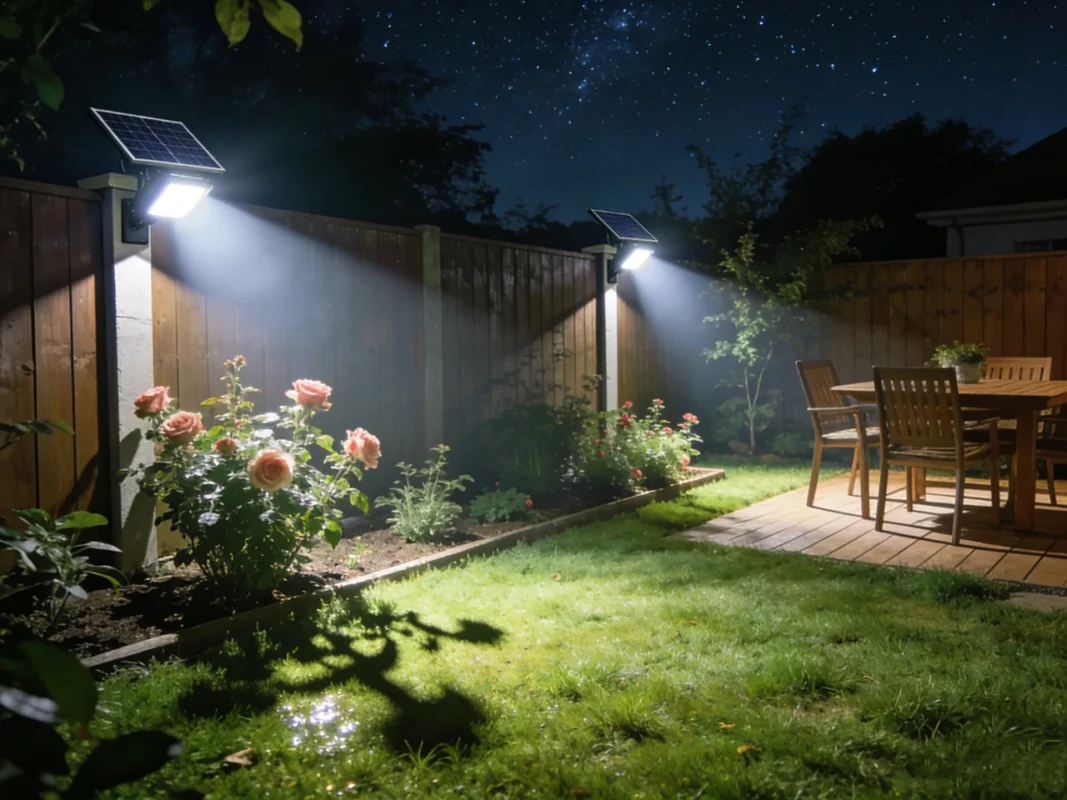
When choosing outdoor lighting, consider the area size:
- Small patio or garden: 500–1000 lumens
- Driveway or wide backyard: 1000–3000 lumens
- High-security zones: 3000+ lumens
If you want the best solar flood lights that provide reliable performance, choose lights with adjustable brightness modes. This helps conserve battery power and extend nighttime illumination.
Installation and Setup Tips
Installing solar lights floodlights is usually simple, but doing it correctly can dramatically improve performance and lighting coverage. While these lights don’t require wiring or professional installation, their placement and setup still play a major role in brightness, battery life, and overall reliability. The following tips will help ensure you get the most out of your best outdoor solar flood lights, whether they’re used for home security, pathway lighting, or general outdoor illumination.
Optimal Solar Panel Placement
The performance of any solar flood light for outdoor use depends heavily on how much sunlight reaches the solar panel each day. Even the most advanced battery or LED system cannot compensate for poor charging conditions. That’s why choosing the right location is the first—and most important—step in installation.
Here are key considerations:
- Direct Sunlight Access: Ideally, the solar panel should receive 6–8 hours of unobstructed sunlight daily. Shade from trees, roofs, fences, or neighboring buildings can shorten runtime or prevent the battery from fully charging.
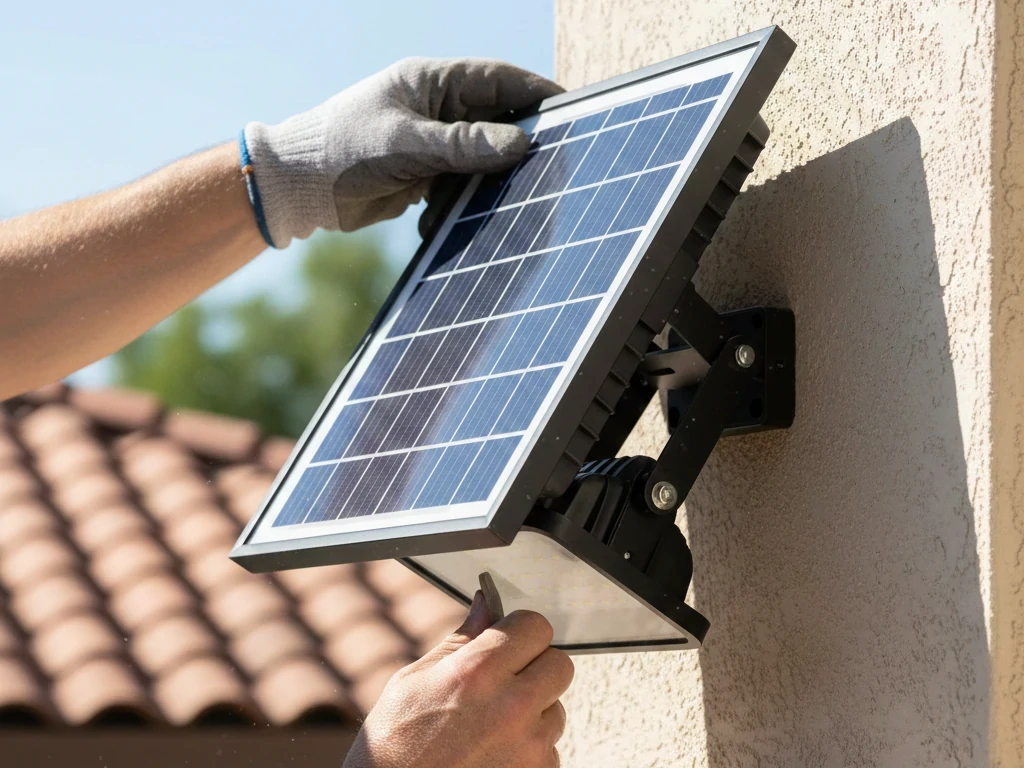
- Angle and Tilt: Most solar panels work best when tilted toward the sun at an angle appropriate for your geographic location. If your panel is adjustable, tilt it slightly upward and orient it southward (in the Northern Hemisphere) to maximize solar exposure. This small adjustment can significantly improve the charging efficiency of your solar lights floodlights.
- Avoiding Reflections and Obstructions: Surfaces that cast shadows for even part of the day can reduce charging capacity. Likewise, reflected light alone isn’t strong enough to power the panel effectively. Make sure the panel faces the sky directly.
When installed properly, a well-positioned solar panel can dramatically extend the illumination period of even the best solar flood lights, especially during seasons with shorter daylight hours.
Mounting Locations for Maximum Coverage
Where you install the actual light fixture matters just as much as the panel placement. The right mounting height and angle will determine how well the floodlight covers your yard, driveway, porch, or pathway.
Height Matters
Mounting a floodlight higher typically increases the coverage area because the beam spreads more widely. For general outdoor use, a height of 8 to 12 feet works well. For broader security coverage, slightly higher placements provide stronger illumination across larger spaces.
Consider the Area’s Purpose
Different outdoor areas require different lighting strategies:
- Entryways: Angle beams downward for concentrated lighting.
- Driveways: Position lights to illuminate vehicle paths and walking routes.
- Backyards: Use higher mounts for wide-angle coverage.
- Pathways: Lower, angled lighting ensures safer footing.
By thinking about how the space is used, you can make better choices that match the function of your best outdoor solar flood lights.
Avoid Light Pollution and Glare
Pointing the light too high or too close to eye level can create glare, which reduces visibility. Aim for angles that illuminate surfaces rather than shining directly into someone’s eyes.
Wiring, Sensors, and Angle Adjustments
Most solar lights floodlights today are wireless, but they often come with built-in sensors and adjustable components that require fine-tuning. Taking the time to customize these settings can make your lighting more responsive and efficient.
Motion Sensor Positioning
Place sensors where they can detect movement early—preferably facing walkways or areas with frequent activity. Avoid aiming sensors toward busy streets or swaying tree branches, as this may cause unnecessary activation.
Sensor Sensitivity Settings
Many lights let you adjust how easily the motion sensor triggers. Lower sensitivity helps prevent false activations, while higher sensitivity is ideal for security-focused solar flood light for outdoor installations.
Adjusting Beam Direction
The ability to rotate or tilt the floodlight provides better control over the coverage area. Aim the beam where it’s needed most—driveways, perimeter zones, entrances, or blind spots that remain dark at night.
Ensuring Proper Panel-to-Light Connection
If your solar panel is connected to the light via a cable, ensure the cable is secured and protected from water exposure and physical damage.
These small adjustments help you take full advantage of your best solar flood lights, ensuring that the system responds well to movement and provides consistent illumination.
Seasonal Adjustments for Better Performance
One commonly overlooked aspect of maintaining solar lights floodlights is adapting them to seasonal changes. Sunlight angles shift throughout the year, and weather conditions can affect charging efficiency.
- Winter Placement: During winter months, the sun sits lower in the sky. Slightly adjusting the panel to a steeper angle allows it to capture more light. This can improve charging on short winter days.
- Summer Optimization: In summer, when the sun is higher and the days are longer, lowering the angle helps maximize direct exposure.
- Post-Storm Checks: After periods of heavy rain or wind, debris can collect on panels. A quick wipe-down helps maintain strong charging performance.
- Relocation When Needed: If seasonal shadows from nearby trees begin to interfere with charging, it may be worth relocating the panel or pruning some branches to restore full sunlight access.
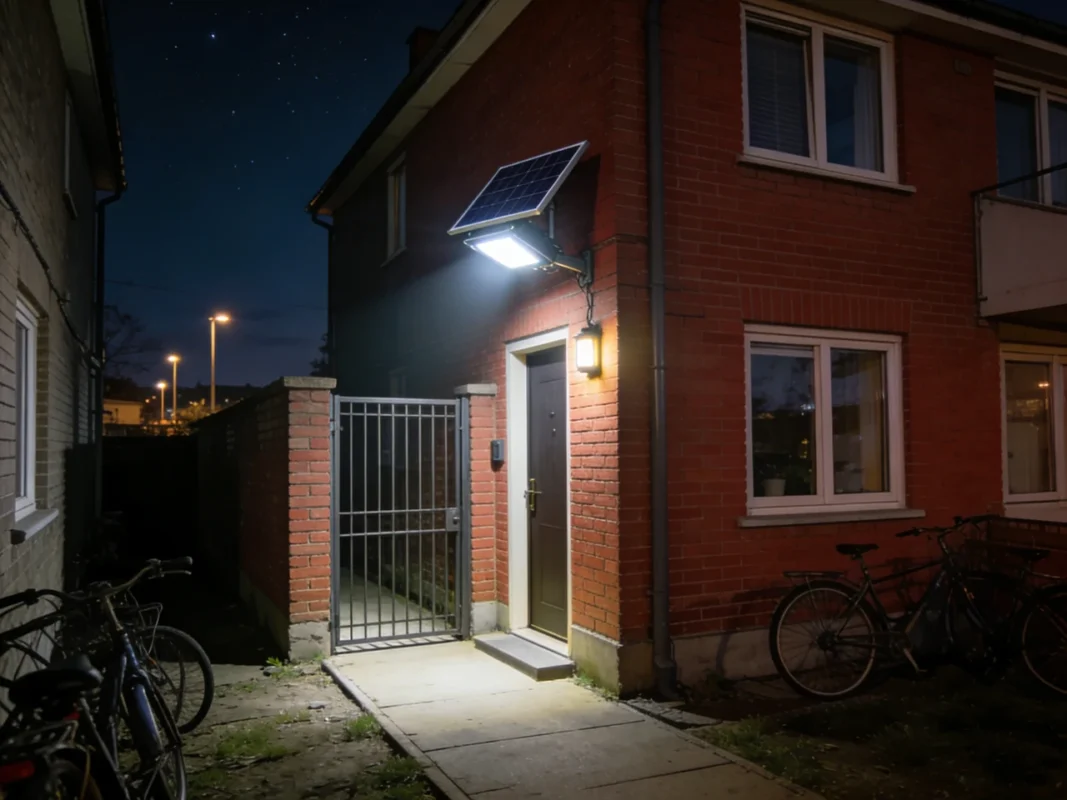
Staying mindful of seasonal changes ensures your best outdoor solar flood lights remain dependable all year long, rather than performing well only during summer months.
Maintenance & Care for Longer Lifespan
Even the most durable solar lights floodlights need proper care to maintain strong performance over the years. These lights are built to withstand tough weather conditions, but routine maintenance helps preserve battery health, charging efficiency, and long-term brightness. With a few simple habits, your best outdoor solar flood lights can continue providing reliable illumination season after season. Below are the most important maintenance steps to follow if you want to extend the lifespan of your best solar flood lights and keep them performing at their peak.
Cleaning Solar Panels for Maximum Efficiency
The solar panel is the heart of any solar flood light for outdoor use. If it can’t absorb enough sunlight, the entire system suffers. Dirt, dust, pollen, bird droppings, and even thin layers of grime can block sunlight and reduce charging efficiency by a noticeable margin.
- Wipe Panels Regularly: A gentle cleaning every few weeks helps ensure the panel can absorb light properly. Use a soft cloth with water or mild soap—strong chemicals are unnecessary and may damage the surface.
- Check for Debris After Storms: High winds often blow leaves, branches, or dust over solar panels. Giving the panel a quick inspection after a storm helps prevent energy loss.
- Avoid Abrasive Materials: Scratches can reduce panel efficiency, so stay away from rough scrubbers or harsh cleaning tools.
By keeping panels clean, you allow your solar lights floodlights to charge fully and shine at their intended brightness each night.
Battery Replacement and Care
The battery determines how long the light stays on at night. Although modern rechargeable batteries in solar lights are designed to last for years, they eventually lose capacity. Knowing how to care for and replace them can significantly extend the life of your lighting system.
- Understand Battery Lifespan: Most solar batteries last 2–4 years depending on usage and climate. Heat, cold, and frequent deep discharges can shorten this lifespan.
- Replace When Performance Drops: If your previously bright best outdoor solar flood lights dim earlier than usual or fail to stay illuminated through the night, a weak battery is likely the cause. Replacing it restores performance instantly.
- Avoid Full Drain Cycles: Allowing the battery to drain completely too often can shorten its life. Ensuring the panel receives enough sunlight helps avoid this issue.
Proper battery care ensures that your best solar flood lights remain dependable long-term rather than slowly fading over time.
Weather Protection and Seasonal Adaptation
While solar flood light for outdoor environments are built to withstand weather changes, a few protective measures can help them last longer—especially in harsh climates.
- Secure Fixtures Before Storms: Heavy winds can loosen mounts or tilt solar panels away from the sun. Tightening screws or brackets periodically prevents misalignment.
- Shield Against Accumulated Snow or Ice: Snow buildup blocks light absorption and freezes moisture around the panel. After any snowfall, brush snow away gently to restore full charging capability.
- Keep Lights Away From Sprinklers: Hard water deposits can cloud the panel’s surface. If sprinklers are unavoidable, wipe the panel regularly to prevent mineral buildup.
- Adjust Seasonal Angles: As the sun’s angle changes with the seasons, especially in higher latitudes, adjusting the tilt ensures your solar lights floodlights continue charging efficiently throughout the year.
Seasonal awareness goes a long way toward maintaining consistent performance in different weather conditions.
Regular System Checks to Ensure Proper Functionality
Even though solar lights are low-maintenance, taking a moment every few months to inspect and test their functions helps you catch small issues before they become major problems.
- Inspect Cables and Connections: Weather, animals, or prolonged exposure can affect external wiring or connectors. A quick check ensures the power flow between the panel and the light remains stable.
- Test Motion Sensors: Sensors can shift slightly from wind or get blocked by debris. Ensuring they detect movement at the right range keeps your best outdoor solar flood lights responsive and efficient.
- Monitor Light Output: A sudden drop in brightness is often the first sign of either panel obstruction or battery degradation. Investigating early helps prevent long-term damage.
- Confirm Panel Alignment: Panels may slowly tilt or shift over time. A minor adjustment can restore full sunlight exposure without any other repairs needed.
Routine checks help maximize the lifespan of your best solar flood lights, ensuring they remain reliable sources of outdoor lighting for years.
Conclusion
Solar lights floodlights offer one of the most practical and eco-friendly alternatives to traditional outdoor lighting. Whether you’re searching for the best outdoor solar flood lights, planning to upgrade your home security, or simply wanting reliable illumination for nighttime activities, today’s solar technology makes it easier than ever to find a solution tailored to your needs. With the right setup, proper installation, and routine maintenance, your solar flood lights can deliver years of bright, dependable performance—all powered by the sun.
FAQs
What is the best solar flood light?
The best solar flood light is one that provides strong brightness, long battery life, and consistent performance throughout the year. There isn’t a single universal model that works for every property, because needs differ—some homeowners require wide-angle illumination, while others prioritize long runtime or powerful motion sensors. Generally, the best solar flood lights combine high-efficiency solar panels, durable housing, adjustable lighting angles, and reliable batteries capable of running through the night. The “best” option is the one that matches your specific outdoor area and lighting goals.
What are the disadvantages of solar flood lights?
While solar lights floodlights offer significant benefits such as easy installation and zero electricity costs, they do have a few limitations. Their performance depends on daily sunlight exposure, meaning shaded areas may experience shorter runtimes. Battery capacity may decrease over time and require replacement after several years. Additionally, solar lights can dim during long stretches of rainy or cloudy weather. Despite these drawbacks, many users find the advantages—especially cost savings and energy independence—far outweigh the limitations.
How long will a solar flood light last?
Most solar flood light for outdoor systems last between 3 to 7 years, depending on environmental factors and maintenance. The LED light itself can last over a decade, while the battery typically lasts 2 to 4 years before needing replacement. Regular cleaning of the solar panel, occasional angle adjustments, and replacing worn components help extend the overall lifespan of your solar lights significantly.
Are solar floodlights any good?
Yes. Modern solar lights floodlights provide powerful illumination, reliable motion sensing, and energy-efficient operation without the need for electrical wiring. Improvements in battery technology, LED efficiency, and solar panel design have transformed solar floodlights from niche gadgets into dependable outdoor lighting solutions. Today, many homeowners choose them over wired alternatives because they offer long-term savings and easier installation.
How many lumens should an outdoor floodlight be?
For general outdoor use, solar lights floodlights typically range from 300 to 2,000 lumens, depending on the area you want to illuminate.
• Security lighting: 1,000–2,000 lumens
• Driveways and entryways: 700–1,200 lumens
• Pathways or garden areas: 300–600 lumens
Higher lumen levels are ideal when selecting the best outdoor solar flood lights, especially when coverage and visibility are top priorities.
Do solar flood lights work during winter?
Yes, but their performance depends on the amount of available sunlight. Winter months often bring shorter days and lower sun angles, reducing charging capacity. Adjusting the tilt of your solar panel and ensuring snow does not block sunlight helps maintain brightness. Even in colder climates, many of the best solar flood lights operate effectively with proper seasonal adjustments.
Can solar flood lights stay on all night?
Many high-quality solar lights floodlights are designed to operate from dusk to dawn, especially when fully charged. Runtime depends on battery capacity, sunlight exposure, and whether the light operates continuously or through motion activation. Lights with motion sensors usually last longer through the night because they only activate when needed.
Do solar lights require wiring or professional installation?
No. One of the biggest advantages of solar flood light for outdoor systems is that they require no wiring and can be installed with basic tools. Most fixtures include brackets or screws and can be mounted on walls, poles, fences, or other solid surfaces. Their simplicity makes them ideal for remote areas where wired power is unavailable.
Are solar flood lights waterproof?
Most solar lights floodlights designed for outdoor use come with weather-resistant housing. While the level of protection varies, many are built to handle rain, wind, and dust. However, submersion in water should be avoided. Checking the product’s waterproof rating before installation ensures you choose a light suited for your climate.
How do I make my solar flood lights brighter?
Improving brightness often comes down to three factors:
1. Clean the solar panel to maximize sunlight absorption.
2. Ensure proper placement, avoiding shade or obstructions.
3. Replace aging batteries if the light has dimmed significantly over time.
If these steps don’t help, upgrading to one of the best outdoor solar flood lights with higher lumens and improved panel efficiency may be the best solution.
Can I use solar flood lights for security purposes?
Absolutely. Many property owners rely on solar lights floodlights as part of their home security setup. Motion-activated solar floodlights are particularly effective because they startle intruders and illuminate dark zones instantly. Their ability to function independently from the power grid also ensures they remain operational during outages, making them a strong security asset.
Do solar flood lights work on cloudy days?
Yes, but their efficiency may drop. Solar panels can still capture diffused sunlight, although charging may be slower. If cloudy weather lasts several days, the light may not reach full brightness. This is why selecting high-efficiency models is important when choosing the best solar flood lights for areas with variable climates.