

Table of Contents
A well-lit bedroom is more than just a functional space; it sets the mood, enhances comfort, and elevates the overall style of your home. Choosing the right bedroom ceiling lighting is essential, whether you have a low ceiling or a spacious, high-ceilinged room. This guide will walk you through everything from selecting ceiling lamps for low ceilings to creating a dramatic effect with big ceiling light fixtures, ensuring your bedroom is both beautiful and practical. By understanding lighting types, color temperatures, and strategic placement, you can transform your bedroom into a cozy retreat or a vibrant space ready for any activity.
Understanding Bedroom Ceiling Lighting
Understanding bedroom ceiling lighting is the first step to creating a bedroom that is both comfortable and visually appealing. Proper lighting influences mood, functionality, and the overall design of your space. It’s not just about illumination; it’s about setting the right atmosphere for rest, relaxation, and daily activities.
Why Proper Ceiling Lighting Matters
Lighting can transform a bedroom from a plain room into a cozy retreat. Well-planned bedroom lighting ceiling balances ambient light with task-specific sources like reading lamps or accent lights. For bedrooms with low ceilings, choosing ceiling lamps for low ceilings ensures the room feels open and spacious rather than cramped. High ceilings, on the other hand, benefit from high ceiling lights or big ceiling light fixtures that add drama and enhance the room’s architectural features.
The right lighting also supports a healthy sleep cycle. Warm lighting in the evening encourages relaxation and signals your body that it’s time to wind down, while cooler lighting in the morning can help energize you for the day ahead. By thoughtfully selecting and placing your lighting, you can create a bedroom environment that promotes both comfort and productivity.
Key Factors to Consider
Several factors should guide your choice of bedroom ceiling lighting. Ceiling height is crucial: low ceilings call for flush mount or semi-flush mount lights, while high ceilings allow for pendant lights or chandeliers that make a visual impact. Room size matters too; a small bedroom may be overwhelmed by a large fixture, whereas a spacious bedroom can accommodate big ceiling light fixtures without feeling cluttered.
Natural light availability is another important consideration. Bedrooms with ample windows may need less artificial lighting during the day, but layered lighting—combining bedroom lighting ceiling fixtures with floor or wall lamps—ensures balanced illumination for evening and nighttime use. Finally, consider the style and decor of your room to choose fixtures that complement the overall aesthetic while providing practical lighting solutions.

Choosing the Right Ceiling Light for Your Bedroom
Selecting the perfect bedroom ceiling lighting can dramatically change the look and feel of your bedroom. The right ceiling light not only illuminates the space but also enhances its design, supports functional tasks, and complements your overall decor. When making your choice, it’s important to consider the size of the room, ceiling height, lighting needs, and personal style.
Types of Ceiling Lights
There are several types of ceiling lights suitable for bedrooms. Flush mount lights sit close to the ceiling and are perfect for ceiling lamps for low ceilings, creating a streamlined and spacious feel. Semi-flush mount lights offer a slight drop, adding a touch of elegance while remaining practical for moderately low ceilings. Pendant lights and chandeliers are ideal for rooms with high ceilings, serving both as a light source and a decorative statement.
Recessed lighting is another option that works well in both small and large bedrooms. It provides a modern, minimalist look and distributes light evenly without dominating the space. Layering these fixtures with other light sources, such as bedside lamps or wall sconces, ensures a balanced and functional lighting design.
What Type of Ceiling Light is Best for a Bedroom?
Choosing the best bedroom lighting ceiling depends on your specific needs and the characteristics of your room. For small or low-ceilinged bedrooms, flush mount or semi-flush mount lights are ideal because they save space while providing sufficient illumination. In bedrooms with high ceilings, high ceiling lights or big ceiling light fixtures make a striking visual impact and ensure the room is adequately lit.
Consider the purpose of your bedroom when selecting a fixture. If the room is primarily for relaxation, warm-toned bedroom ceiling lighting can create a soothing atmosphere. For multifunctional bedrooms that include work or study areas, incorporating cooler task lighting alongside ambient fixtures ensures functionality without compromising comfort. Ultimately, the right ceiling light should blend aesthetics with practicality, enhancing the overall ambiance of your bedroom.
Lighting Temperature: Warm vs. Cool
Choosing the right lighting temperature is a critical aspect of bedroom ceiling lighting that affects both the functionality and atmosphere of your space. The color temperature of light, measured in Kelvin (K), determines whether your bedroom feels cozy and relaxing or bright and energizing.
Warm vs. Cool Lighting for Bedrooms
Warm lighting, typically between 2700K and 3000K, produces a soft, yellowish glow that promotes relaxation and comfort. This makes it ideal for bedroom lighting ceiling fixtures intended for rest and winding down at night. Warm light complements natural tones, wood furniture, and soft textiles, creating a cozy retreat where you can relax after a long day.
Cool lighting, ranging from 3500K to 5000K, has a bluish-white tone that energizes and increases alertness. It is useful for task areas such as reading nooks, dressing corners, or home offices within the bedroom. Using cool light strategically alongside ambient warm lighting allows for a versatile, multi-functional bedroom environment.
Should Bedroom Lighting Be Warm or Cool?
For most bedrooms, a balanced approach works best. Ambient bedroom ceiling lighting should lean warm to foster a calming atmosphere, while supplemental task lighting can use cooler temperatures to enhance visibility. For example, a flush mount ceiling light with warm light can provide overall illumination, while a bedside reading lamp with cool light ensures you can comfortably read or work without straining your eyes.
Consider the time of day and your activities when planning lighting temperature. Layering different temperatures in your bedroom not only improves functionality but also creates a dynamic and aesthetically pleasing space. Thoughtful selection of warm and cool lights ensures your bedroom is inviting, practical, and visually harmonious.
Lighting for Different Ceiling Heights
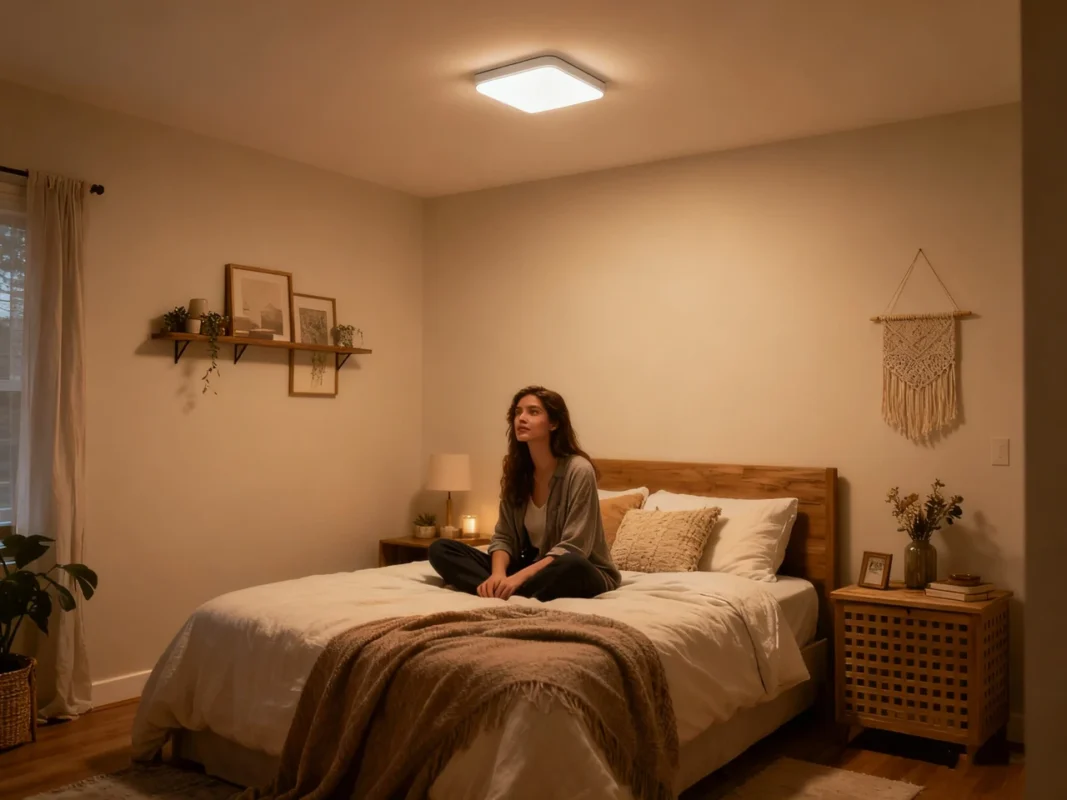
Lighting design should be tailored to the height of your ceiling to ensure both functionality and visual appeal in your bedroom. Bedroom ceiling lighting must consider how light disperses in the space, how it interacts with the room’s proportions, and how it complements other sources of illumination.
Ceiling Lamps for Low Ceilings
For rooms with low ceilings, choosing ceiling lamps for low ceilings is essential to maintain a sense of openness. Flush mount lights sit close to the ceiling and provide even, unobtrusive illumination. Semi-flush mounts offer a slight drop, adding elegance without overwhelming the space. Avoid oversized pendants or chandeliers that can make a low-ceiling room feel cramped and awkward.
High Ceiling Lights for Living Rooms and Bedrooms
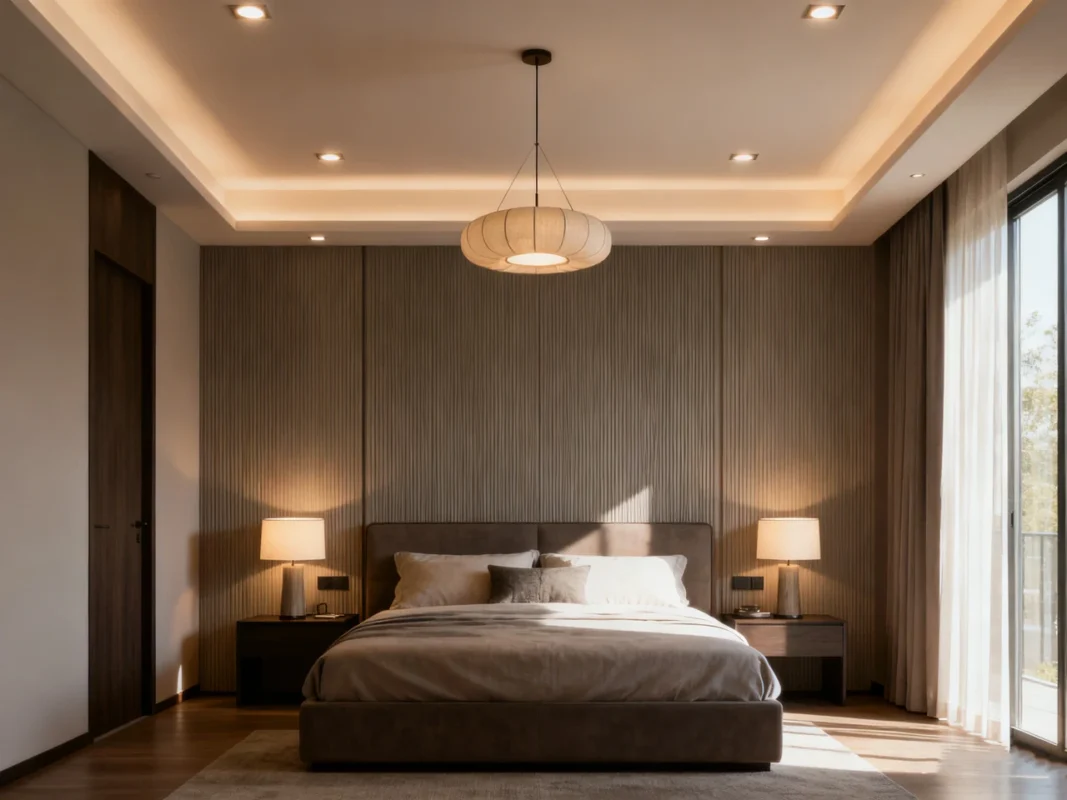
Rooms with high ceilings provide opportunities for dramatic lighting. High ceiling lights such as chandeliers or pendant fixtures can become a statement piece while effectively illuminating large spaces. The 3-5-7 rule in interior design can help guide the scaling and placement of these fixtures, ensuring they harmonize with furniture and room dimensions. Big ceiling light fixtures work particularly well in master bedrooms or open living spaces, drawing the eye upward and enhancing the room’s architectural features.
How to Light a Living Room with a Tall Ceiling
Even though this guide focuses on bedrooms, the principles of lighting for living room with high ceiling are applicable for bedrooms with vaulted or high ceilings. Layered lighting is key: combine ceiling fixtures for ambient light, wall sconces for accent lighting, and floor lamps for task-oriented illumination. This approach prevents dark corners, ensures balanced brightness, and allows flexibility in creating different moods throughout the day and night.
Large Ceiling Lights for Spacious Bedrooms
Spacious bedrooms offer the perfect canvas for bold and elegant bedroom ceiling lighting. In larger rooms, a well-chosen ceiling fixture can serve as both a functional light source and a striking design element. Properly scaled big ceiling light fixtures can balance the vastness of the space and create a focal point that draws the eye upward.
Big Ceiling Light Options
Big ceiling light options include chandeliers, multi-tiered pendants, and large statement lights. These fixtures provide ample illumination while also contributing to the room’s aesthetic. When selecting a large fixture, consider the overall room size, ceiling height, and proportion relative to furniture. A chandelier that is too small may appear insignificant, while an oversized pendant can overwhelm the space. Properly chosen, these fixtures enhance the bedroom’s architectural features and add a sense of sophistication.
5 Golden Rules for Lighting High Ceilings
- Layered lighting: Combine ambient, task, and accent lighting to achieve balance and functionality.
- Scale appropriately: Ensure high ceiling lights are proportional to room dimensions to avoid visual imbalance.
- Dimmers: Incorporate dimmers to adjust brightness according to mood and activity.
- Reflective surfaces: Use mirrors or glossy finishes to amplify light and enhance ambiance.
- Functional style: Choose fixtures that provide sufficient illumination while complementing the bedroom’s décor.
By following these guidelines, large bedrooms can benefit from bedroom ceiling lighting that is both practical and visually impressive, creating a space that feels inviting, well-lit, and stylish.
Bedroom Lighting Without a Ceiling Fixture
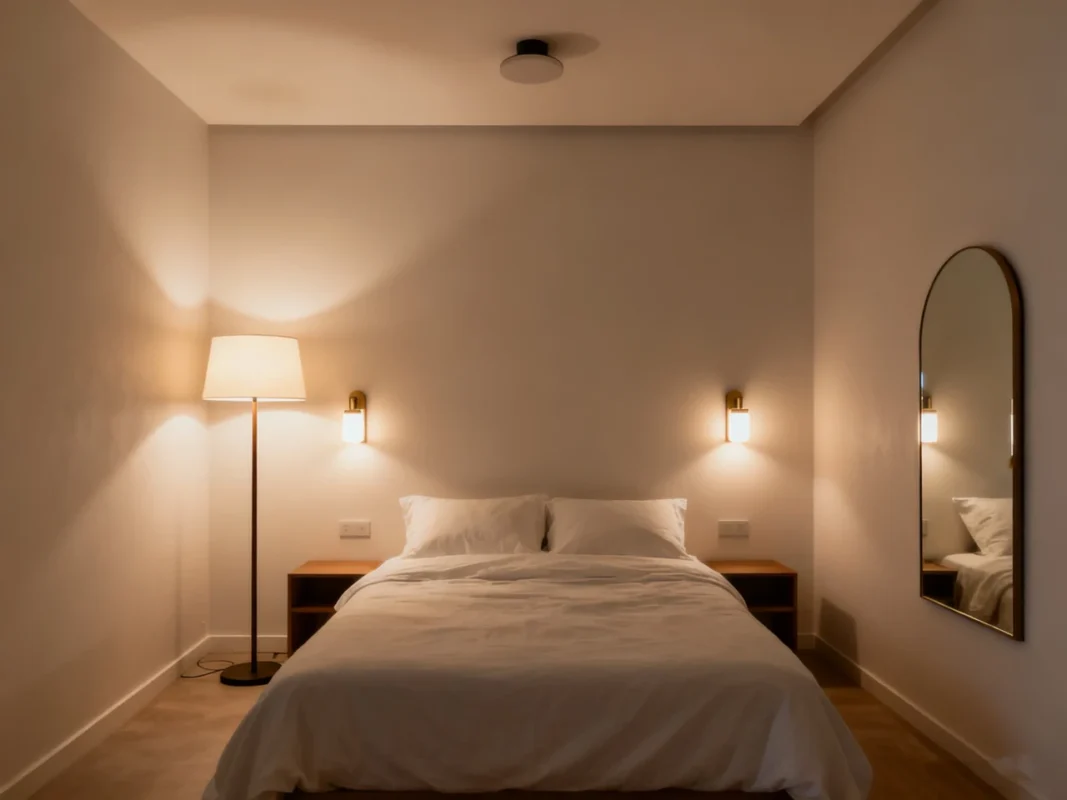
Not every bedroom comes equipped with a ceiling light, but that doesn’t mean your space has to suffer from poor lighting. With strategic planning, you can achieve layered, functional, and aesthetically pleasing bedroom ceiling lighting without a traditional fixture. Utilizing alternative lighting options allows you to create a cozy and versatile environment.
5 Alternatives to Ceiling Lights
- Wall sconces: Mounted on walls, these fixtures provide ambient or directional light, freeing up floor and table space while adding style.
- Floor lamps: Tall and mobile, floor lamps can illuminate corners or highlight specific areas, making them ideal substitutes for overhead lighting.
- Table lamps: Perfect for bedside tables, desks, or dressers, table lamps offer targeted light for reading or tasks.
- Cabinet or under-shelf lighting: These lights illuminate storage areas or work surfaces without taking up room space, adding subtle layers of light.
- Mirrors: While not a light source themselves, mirrors reflect existing light, amplifying brightness and creating the illusion of a larger, more open space.
What to Do if a Bedroom Has No Ceiling Light?
Layering different types of light sources is key. Start with ambient lighting through floor lamps or wall sconces, then add task lighting like table lamps for reading or work areas. Utilize reflective surfaces, such as mirrors or light-colored walls, to enhance brightness. This approach ensures that even without a ceiling fixture, your bedroom achieves a balanced, functional, and inviting atmosphere. Bedroom lighting ceiling can still be effective and stylish with careful planning and thoughtful placement of alternative lighting solutions.
Practical Tips for Installing and Maintaining Ceiling Lights
Proper installation and maintenance are crucial to maximizing the effectiveness and longevity of your bedroom ceiling lighting. Attention to detail ensures safety, enhances performance, and maintains the aesthetic appeal of your lighting fixtures.
Calculating Lumens for Optimal Brightness
Selecting the right brightness is essential. For most bedrooms, aim for 2,000–4,000 lumens, depending on room size and ceiling height. A smaller bedroom with a low ceiling may only need around 2,000 lumens, while larger rooms or those with high ceiling lights may require closer to 4,000 lumens to ensure even illumination. Calculating lumens based on room dimensions and lighting layers helps prevent dark spots and creates a balanced ambiance.
Safety and Installation Considerations
Ensure that your ceiling fixtures are securely mounted and that electrical connections meet safety standards. For big ceiling light or heavy chandeliers, professional installation is recommended to prevent accidents. If installing ceiling lamps for low ceilings yourself, make sure the power is off, and follow manufacturer guidelines carefully. Using appropriate hardware and anchors will provide stability and longevity for your fixtures.
Maintenance Tips
Regular maintenance keeps your bedroom lighting ceiling functioning optimally. Dust and clean light fixtures to preserve brightness, and periodically check for loose connections or burnt-out bulbs. For LED fixtures, monitor performance over time, as longevity can be affected by heat and electrical fluctuations. Proper care not only ensures safety but also maintains the intended mood and aesthetic of your bedroom.
Frequently Asked Questions
What type of ceiling light is best for a bedroom?
The best bedroom ceiling lighting depends on ceiling height and room size. Flush or semi-flush mount lights are ideal for low ceilings, saving space while providing even illumination. For bedrooms with high ceilings, chandeliers, multi-tiered pendants, or big ceiling light fixtures create both functional lighting and a striking visual focal point.
Should bedroom lighting be warm or cool?
Warm lighting (2700–3000K) is recommended for general ambient light, promoting relaxation and a cozy atmosphere. Cool lighting (3500–5000K) is ideal for task-specific areas such as reading corners or dressing spaces. A balanced mix can create a versatile, inviting bedroom.
What is the 5 7 lighting rule?
The 5 7 lighting rule is a guideline for scaling and placing fixtures relative to room dimensions and ceiling height. Using this rule ensures high ceiling lights or other bedroom lighting ceiling installations are proportionate and visually harmonious.
How to light a living room with a tall ceiling?
Layered lighting is key: combine ceiling fixtures for ambient illumination, wall sconces for accents, and floor lamps for task lighting. The same principle applies to bedrooms with vaulted or high ceilings to maintain balanced, functional light.
What to do if a bedroom has no ceiling light?
Layer alternative light sources: wall sconces, floor lamps, table lamps, under-shelf lighting, and mirrors to reflect light. This creates a balanced, flexible, and visually appealing bedroom lighting ceiling setup without a traditional fixture.
How many lumens are needed for a 12-foot ceiling?
Approximately 3,500–4,000 lumens are recommended, depending on room size and fixture type. This ensures the space is evenly lit and prevents dark spots or harsh shadows.
Can I mix ceiling lamps and floor lamps for layered lighting?
Yes, combining ceiling lamps for low ceilings or high ceiling lights with floor and table lamps adds depth and flexibility. Layered lighting allows you to adjust ambiance, highlight key areas, and create functional zones.
Are chandeliers suitable for small bedrooms?
Only if scaled properly. An oversized big ceiling light can overwhelm a small room, while a proportionate chandelier adds elegance without compromising space.
How do I choose a ceiling light that complements my bedroom décor?
Consider fixture size, style, color, and placement. A well-chosen bedroom lighting ceiling fixture harmonizes with furniture and decor while providing sufficient brightness for daily tasks.
Can LED lights replace traditional bulbs in bedroom fixtures?
Yes. LEDs are energy-efficient, long-lasting, and available in both warm and cool temperatures. They work well with all types of bedroom ceiling lighting, including flush mounts, pendants, and chandeliers.
What’s the best lighting layout for an open-concept bedroom?
Divide the space into multiple zones and combine ambient, task, and accent lighting. Use high ceiling lights as a focal point, supported by portable floor or table lamps for versatility and control over light intensity.
How do I prevent glare from ceiling lights in the bedroom?
Use diffusers, frosted glass, or indirect lighting techniques. This softens harsh light, reduces eye strain, and enhances the overall comfort of your bedroom ceiling lighting.