

Table of Contents
Lighting up your garden or outdoor space is more than just a functional choice—it’s an opportunity to transform your surroundings into a cozy, inviting retreat. Among all outdoor lighting options, an outdoor post lantern stands out as a versatile, stylish, and practical solution. Whether you’re looking to illuminate a garden path, driveway, or backyard, choosing the right post lantern can enhance aesthetics, improve safety, and even reduce energy costs.
In this comprehensive guide, we’ll explore everything you need to know about outdoor post lanterns, including types, brightness, installation tips, common mistakes, maintenance, and frequently asked questions. Along the way, we’ll naturally cover essential topics such as garden post lights, solar lights for a post, super bright solar post light, solar outdoor post light, and what is the highest lumens for solar lights.
Understanding Brightness: How Many Lumens Do You Need for a Post Light
When selecting an outdoor post lantern, one of the most critical considerations is its brightness. Too dim, and it won’t illuminate pathways or garden areas effectively; too bright, and it can create glare or disrupt the ambience of your outdoor space. This is where understanding lumens comes into play. Unlike watts, which only measure energy consumption, lumens measure the actual amount of visible light a fixture emits. By focusing on lumens, you get a clearer idea of how much light you’re actually placing into your garden or driveway.
What Are Lumens and Why They Matter
Lumens are the unit of measurement for the total visible light emitted by a source. Think of lumens as the “output” of your outdoor post lantern—the higher the lumens, the brighter the light. For garden or pathway lighting, it’s not just about brightness; it’s about achieving the right balance. Too much light can overwhelm a small garden, while too little can make paths unsafe. This balance ensures your garden post lights serve both practical and aesthetic purposes.
Recommended Lumen Levels for Outdoor Post Lights
Choosing the correct lumen output depends on the intended use of your post light:
- Ambient or decorative garden lighting: 100–200 lumens is sufficient to create a soft, welcoming glow that enhances landscaping features without overpowering them. These are ideal for subtle solar lights for a post along walkways or flower beds.
- Functional pathway or driveway lighting: 300–500 lumens ensures paths are well-lit for safe navigation. This range is particularly effective when using a solar outdoor post light on driveways or entryways.
- Security or large area coverage: For larger spaces or areas requiring extra visibility, a super bright solar post light reaching 1,000 lumens or more may be necessary. These high-lumen fixtures can illuminate broad areas while remaining energy-efficient if solar-powered.
When planning your lighting, it’s also essential to consider spacing. For example, lower-lumen garden post lights spaced closer together can provide consistent light along a pathway, while higher-lumen super bright solar post light units can be spaced further apart, covering more ground.
What Is the Highest Lumens for Solar Lights?
If you’re searching for maximum illumination, some solar lights for a post are now capable of delivering up to 4,000 lumens. These high-output fixtures are particularly suitable for large driveways, gardens, or areas that require strong security lighting. However, keep in mind that higher lumen output typically means larger solar panels and batteries to maintain reliable operation throughout the night. Planning for sunlight exposure and battery capacity is crucial when selecting these super bright solar post light options.
Achieving the Right Balance
The key to effective outdoor lighting is balance. You want your outdoor post lantern to provide enough light for safety and functionality while complementing the aesthetics of your garden. Layering different types of lighting—ambient, accent, and task—can help create depth and avoid harsh glare. For instance, a pathway lined with 200-lumen garden post lights can be paired with a few super bright solar post light fixtures near entryways to achieve both safety and visual appeal.
Tips for Optimizing Brightness
- Assess the area: Larger spaces generally need higher lumens or additional fixtures.
- Consider light distribution: Shielded fixtures reduce glare and improve coverage.
- Use layering techniques: Combine ambient garden post lights with accent lighting to highlight features.
- Factor in solar efficiency: For solar options, ensure panels receive adequate sunlight for the required autonomy.
By carefully selecting the right lumen level for your outdoor post lantern, you can ensure your garden, pathways, and outdoor spaces are both beautifully illuminated and safe to navigate.
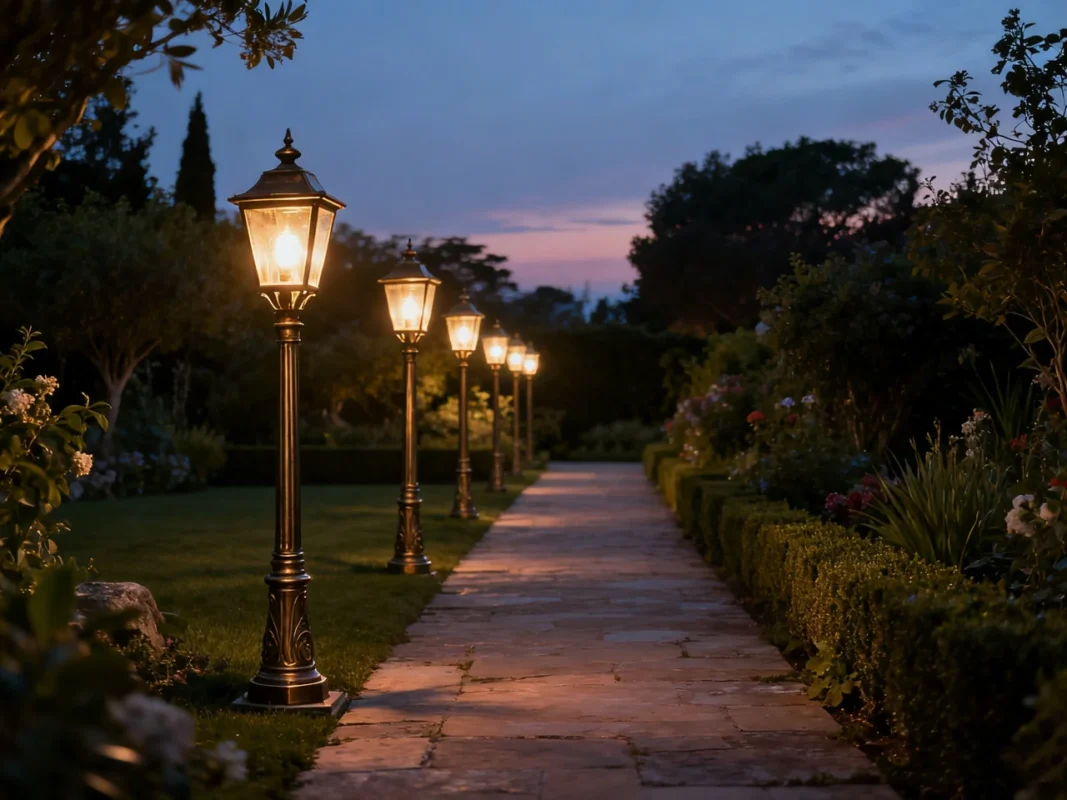
Types of Outdoor Post Lights
When it comes to outdoor illumination, choosing the right outdoor post lantern can make all the difference. Not all post lights are created equal, and understanding the various types available allows you to select fixtures that fit your garden’s design, functionality, and maintenance preferences. From classic garden post lights to modern solar outdoor post light options, each type serves a distinct purpose and offers unique advantages.
Solar Outdoor Post Lights
Solar lights for a post have surged in popularity due to their convenience and sustainability. These lights harness sunlight through integrated solar panels and store energy in rechargeable batteries, eliminating the need for wiring. Solar post lanterns are ideal for locations where running electricity is difficult or costly.
Key benefits include:
- Flexibility in placement: Since no wiring is required, you can position solar post lights anywhere with sufficient sunlight.
- Energy efficiency: Solar lights reduce electricity consumption and environmental impact.
- Low maintenance: With high-quality LEDs and properly maintained batteries, solar post lights can provide years of reliable illumination.
However, it’s important to consider sunlight exposure. Poorly positioned solar post lights may not receive enough sunlight to charge fully, which can affect brightness and runtime. Choosing a design that optimizes panel angle and placement ensures consistent performance throughout the night.
Wired or Electric Post Lanterns
Traditional wired outdoor post lanterns remain a popular choice for homeowners seeking consistent brightness. Unlike solar models, wired lanterns do not depend on sunlight, which makes them ideal for areas with limited exposure to natural light.
Advantages include:
- Stable illumination: Wired post lights maintain constant brightness regardless of weather or seasons.
- Higher power output: Electric fixtures can support higher lumen outputs, suitable for larger spaces or security-focused applications.
- Customization: You can pair them with timers, dimmers, or motion sensors for greater control over lighting intensity and energy use.
The primary drawback is installation. Running electrical lines often requires professional assistance and may be less flexible if you want to relocate your post lights later.
Super Bright Solar Post Light vs Standard Solar Post Light
Not all solar post lights are created equal. A super bright solar post light is designed to deliver higher lumens, often exceeding 1,000 lumens, making it suitable for driveways, parking areas, or spaces requiring enhanced visibility. Standard solar post lights, on the other hand, are typically in the 100–500 lumen range and are ideal for gentle garden post lights that create ambiance along pathways or around flower beds.
Consider the trade-offs: higher lumens require larger solar panels and batteries, which can increase the upfront cost and size of the fixture. However, the benefit is strong, reliable light output without wiring, making them highly effective for functional outdoor illumination.
Pole Light Fixtures vs Other Outdoor Lighting Options
Outdoor post lanterns are just one piece of the outdoor lighting puzzle. Compared to alternatives like wall-mounted lights, string lights, or floodlights, pole fixtures have unique advantages:
- Elevated position: By raising the light source, pole fixtures reduce shadows and cast light over a broader area.
- Coverage flexibility: Pole height can be adjusted to suit pathways, lawns, or garden beds.
- Design impact: Post lights act as vertical features, contributing to the visual appeal of your garden or driveway.
Alternatives such as wall-mounted sconces or bollard lights serve niche purposes—wall lights are excellent for accenting architectural features, while bollard lights work well for subtle, low-level illumination. However, when it comes to widespread, even lighting with a combination of function and aesthetic appeal, outdoor post lanterns are often the preferred choice.
Making the Right Choice
Selecting the right type of post light depends on several factors:
- Purpose: Is the goal ambiance, security, or pathway illumination?
- Placement: Consider sunlight exposure for solar options or wiring accessibility for electric lanterns.
- Brightness needs: Choose between standard and super bright solar post light options based on coverage requirements.
- Design: Ensure the style complements your outdoor aesthetic while meeting functional needs.
Common Outdoor Lighting Mistakes
Even the most thoughtfully chosen outdoor post lantern can fall short if installed or used incorrectly. Many homeowners unknowingly make mistakes that reduce functionality, aesthetics, and safety. By understanding common pitfalls, you can ensure your garden post lights or solar outdoor post light installations provide optimal illumination and enhance your outdoor space rather than detract from it.
Over-illumination and Lack of Layering
One of the most frequent errors is over-illuminating a space without layering. Simply adding bright lights everywhere can make a garden or driveway feel harsh and uninviting. The golden rule of lighting is to combine ambient, task, and accent lighting.
- Ambient lighting sets the overall mood, typically achieved with low-lumen garden post lights along pathways or borders.
- Task lighting focuses on functional areas such as steps, driveways, or entryways, often using higher-lumen super bright solar post light fixtures.
- Accent lighting highlights features like trees, statues, or water elements, adding depth and character to your outdoor space.
Layering prevents glare, creates visual interest, and ensures each area has the right light level for both aesthetics and safety.
Ignoring IP and Weather-Proof Rating
Water, dust, and other outdoor elements are constant threats to any lighting fixture. Installing solar lights for a post or wired outdoor post lanterns without considering their IP (Ingress Protection) rating can lead to premature failure. For outdoor conditions, a rating of IP65 or higher is recommended to protect against rain, dust, and moisture. Neglecting this can result in short circuits, corroded fixtures, and reduced longevity.
Using the Wrong Colour Temperature
Colour temperature greatly affects the atmosphere of your garden. Warm white (2,700–3,000K) fosters a cozy, welcoming environment, making it perfect for seating areas and pathways. Cool white (4,000–6,500K), however, can feel harsh and clinical, which may be suitable for security lighting but not for a relaxing garden ambience. Choosing mismatched colour temperatures across multiple outdoor post lanterns can disrupt cohesion and reduce the visual appeal of your outdoor lighting plan.
Glare and Fixture Visibility
Exposed bulbs or poorly shielded solar outdoor post light fixtures often produce glare, which can make it difficult to navigate paths safely and may even disturb neighbors. Shielding or frosted covers are essential for reducing glare while maintaining effective illumination. Well-designed garden post lights direct light downward or around key areas, ensuring functionality without visual discomfort.
Poor Planning and Maintenance Neglect
Many lighting failures occur because homeowners underestimate ongoing maintenance requirements. Solar panels on solar lights for a post need to be cleaned regularly to ensure maximum charging efficiency. Batteries degrade over time and must be replaced every few years to maintain brightness. Even wired outdoor post lanterns require occasional checks for loose wiring or corrosion. Ignoring these maintenance tasks can dramatically shorten the lifespan and effectiveness of your outdoor lighting.
Ignoring Environmental Impact
Outdoor lighting impacts the environment more than most people realize. Bright, misdirected lights attract insects and disrupt local wildlife. Over-illumination contributes to light pollution, which can affect nocturnal animals and alter natural behaviors. Thoughtful placement of garden post lights and using warm-white LEDs can mitigate these effects, creating an outdoor space that is both environmentally responsible and visually appealing.
Overlooking Sunlight Exposure for Solar Lights
For solar lights for a post, placement is crucial. Shadows from trees, walls, or fences can prevent solar panels from charging fully, reducing nighttime brightness. A common mistake is placing a solar post light purely based on aesthetics without considering sunlight exposure. Ideally, solar panels should receive 4–6 hours of direct sunlight daily to ensure optimal performance.
Excessive Use of Super Bright Fixtures
While super bright solar post light fixtures have their place, overusing them can overwhelm a garden or pathway. Bright lights are excellent for security or functional areas, but in decorative or intimate spaces, too much brightness can feel harsh. Combining high-lumen lights strategically with lower-lumen garden post lights creates a balanced, layered effect that enhances both safety and atmosphere.
Inconsistent Styles and Designs
Mismatched designs or styles of outdoor post lanterns can disrupt the harmony of your outdoor space. A modern fixture mixed with rustic lanterns may look out of place unless carefully curated. Consistency in design ensures that each garden post light complements the others, contributing to a cohesive and attractive outdoor environment.
Installation & Positioning of Outdoor Post Lanterns
Selecting the right outdoor post lantern is just the first step—proper installation and positioning are equally essential. A well-placed post light ensures your garden, driveway, or pathway is both visually appealing and safely illuminated. Poor placement can create shadows, glare, or uneven lighting, undermining the effectiveness of even the most attractive fixtures. Whether you’re installing garden post lights, solar lights for a post, or super bright solar post light fixtures, careful planning guarantees the best performance and aesthetic impact.
How Tall Should Outdoor Post Lights Be?
Height is a critical factor when installing outdoor post lanterns. The ideal height depends on the purpose and location of the light:
- Pathways and small garden areas: Posts between 3–4 feet (0.9–1.2 meters) ensure enough light for safe navigation without overwhelming nearby plants or structures.
- Driveways or larger open spaces: Taller posts, around 5–6 feet, provide broader coverage and can support super bright solar post light fixtures for added security.
- Accent or decorative purposes: Lower posts can enhance visual appeal without being obtrusive, particularly when paired with ambient garden post lights.
Proper height ensures the light spreads evenly, reduces harsh shadows, and minimizes glare for anyone walking through your garden or driveway at night.
Optimal Placement for Solar Panels
For solar lights for a post, panel exposure to sunlight is crucial. Solar panels need approximately 4–6 hours of direct sunlight daily to charge fully and provide consistent brightness throughout the evening. Common placement mistakes include positioning posts in shaded areas near trees, fences, or structures that block sunlight.
To maximize efficiency:
- Angle the solar panel toward the direction that receives the most sunlight.
- Avoid shadows during peak sun hours.
- If possible, place solar outdoor post light fixtures in open spaces while maintaining design cohesion.
Good solar panel positioning ensures your post lantern operates at peak efficiency, whether you’re illuminating a pathway with low-lumen garden post lights or a driveway with a super bright solar post light.
Avoiding Obstacles and Glare
Shadows, reflective surfaces, and obstructions can reduce the effectiveness of your outdoor post lanterns. Here are practical tips to ensure optimal light distribution:
- Keep posts clear of overhanging branches or garden structures that cast shadows.
- Use shielded or frosted fixtures to reduce glare, especially near seating areas or windows.
- Space garden post lights evenly to avoid patches of darkness along pathways.
- Position higher-lumen fixtures strategically to cover wider areas without overwhelming nearby plants or outdoor seating areas.
By thoughtfully considering obstacles and glare, your solar lights for a post and other post lanterns can provide safe, consistent illumination while enhancing the beauty of your outdoor space.
Combining Functionality and Design
The best outdoor post lantern installation balances aesthetics with practicality. Consider the overall layout of your garden or driveway:
- Align garden post lights along pathways for uniform illumination.
- Use taller super bright solar post light fixtures near driveways, gates, or large open areas for security.
- Mix heights and lumen outputs strategically to create a layered lighting effect that enhances both ambiance and visibility.
Additionally, think about maintenance access when installing posts. Solar lights require occasional cleaning of panels, while wired fixtures may need periodic inspection for corrosion or wiring issues. Proper positioning allows for easy maintenance without compromising design integrity.
Safety Considerations During Installation
- Ensure posts are securely anchored in the ground to prevent tipping or damage in high winds.
- Avoid running wires across walkways or areas with heavy foot traffic when using wired outdoor post lanterns.
- For solar options, check battery compartments and waterproof seals to prevent moisture damage.
Proper installation not only maximizes performance but also protects your investment and ensures the safety of anyone using your outdoor space after dark.
Longevity & Maintenance of Solar Post Lights
Solar outdoor post lights are a convenient and eco-friendly choice for illuminating gardens, pathways, and driveways. However, like any outdoor fixture, their performance and lifespan depend on proper maintenance and thoughtful care. Understanding how long solar lights for a post last and how to maintain them ensures you enjoy consistent brightness, reliability, and aesthetic appeal for years to come.
How Long Do Solar Post Lights Last?
The lifespan of a solar post light depends on three main components: the LED, the battery, and the solar panel.
- LED lifespan: High-quality LEDs in solar post lanterns typically last 25,000 to 50,000 hours, which can translate to over a decade of nightly use under optimal conditions. LED longevity is a major reason why garden post lights retain brightness over time without frequent replacements.
- Battery life: Rechargeable batteries are the component most likely to need replacement. Lithium-ion or nickel-metal hydride batteries commonly last 3–5 years, depending on usage, weather conditions, and charge cycles. Replacing the battery is usually straightforward, allowing your solar outdoor post light to maintain full functionality.
- Solar panel durability: Solar panels are generally long-lasting, often functioning efficiently for 15–20 years. Dirt, debris, or shading can reduce charging efficiency, so proper placement and maintenance are critical.
By considering all these factors, homeowners can expect a solar lights for a post installation to provide anywhere from 3 to 10 years of reliable illumination before components may need servicing or replacement.
Maintenance Tips for Prolonging Life
Regular care of your solar outdoor post light ensures maximum brightness and efficiency while extending the lifespan of the fixture. Key maintenance practices include:
- Cleaning Solar Panels: Dust, leaves, and bird droppings can block sunlight and reduce charging. Wiping panels with a damp cloth once every few months helps maintain optimal performance.
- Replacing Batteries: Monitor light intensity over time. If brightness diminishes noticeably, it may be time to replace the battery. Most solar post lights allow easy access for battery swaps.
- Inspecting Fixtures for Damage: Check for cracks, moisture ingress, or corrosion, especially after storms. Damaged seals or enclosures can shorten the life of both LEDs and batteries.
- Ensuring Proper Sunlight Exposure: Even the best solar lights for a post cannot perform optimally if shaded. Trim overhanging branches or reposition posts to ensure panels receive adequate sunlight.
- Seasonal Adjustments: In winter months or regions with heavy snowfall, clear snow and debris from solar panels to maintain efficiency.
Are Solar Post Lights Worth It?
When considering long-term value, solar post lights are a worthwhile investment. They eliminate wiring costs, reduce electricity consumption, and offer flexibility in placement. While batteries eventually need replacement, the combination of durable LEDs, efficient solar panels, and low-maintenance operation makes these fixtures cost-effective over time.
Additionally, modern super bright solar post light options allow homeowners to combine functionality with ambiance, providing ample illumination for security purposes while still maintaining the charm of subtle garden post lights in decorative areas.
Maximizing Performance
To ensure your solar outdoor post light delivers its best performance:
- Position lights for maximum sun exposure.
- Use a combination of low-lumen garden post lights for ambiance and higher-lumen super bright solar post light fixtures for pathways or driveways.
- Schedule regular maintenance checks, especially after storms or extreme weather.
By following these practices, you not only prolong the life of your solar post lights but also enhance the safety, appearance, and enjoyment of your outdoor spaces.
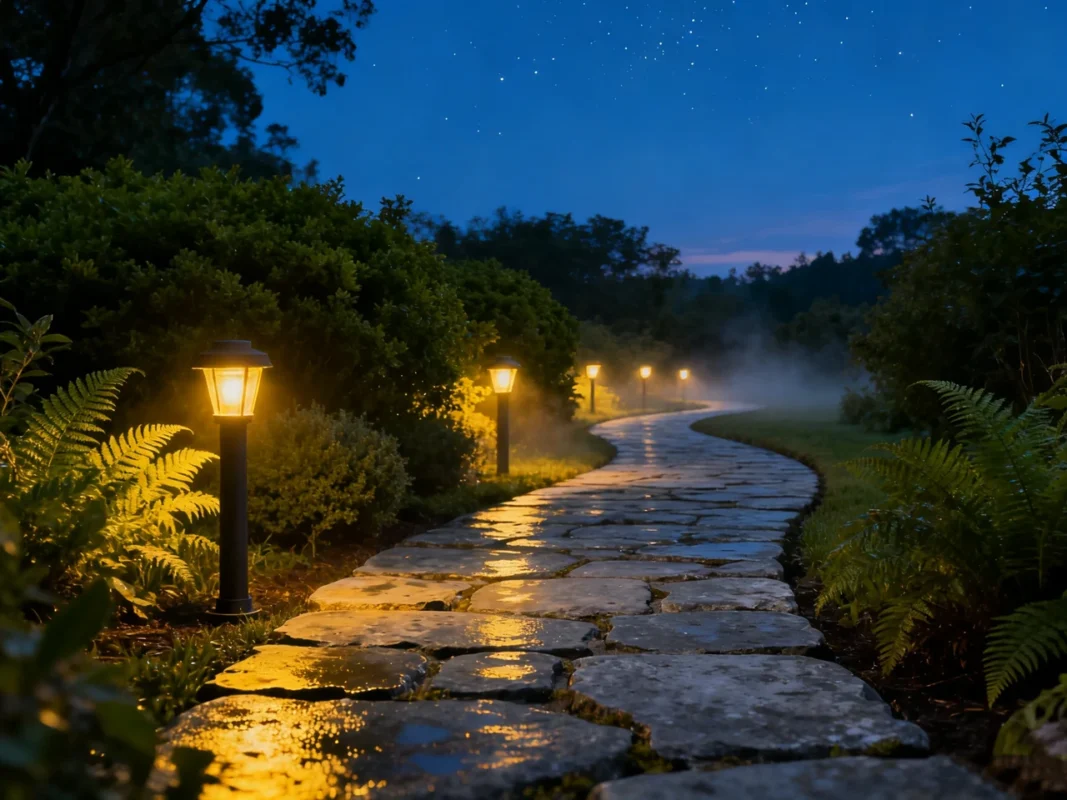
Design & Aesthetic Considerations for Garden Post Lights
While functionality is critical, outdoor post lanterns also play a major role in shaping the visual appeal of your garden, driveway, or backyard. Thoughtful design and aesthetic choices ensure that your garden post lights not only provide safe illumination but also enhance the overall atmosphere and style of your outdoor space.
Choosing the Right Style
The style of your outdoor post lantern sets the tone for your garden or pathway. Options range from traditional and rustic to modern and minimalist. Consider the following when selecting a design:
- Traditional lanterns: Offer a timeless look, perfect for classic gardens or vintage-inspired landscapes. These often feature ornate detailing and warm finishes, complementing brick pathways or wrought-iron fences.
- Modern and minimalist designs: Sleek lines and neutral tones fit contemporary gardens, patios, and driveways. Clean designs focus on form and function, often incorporating frosted panels or simple geometric shapes.
- Rustic or natural finishes: Wood-inspired or stone-textured posts blend seamlessly with natural landscapes, flower beds, and garden features.
By choosing a style that complements your existing outdoor décor, your garden post lights enhance harmony and visual appeal without appearing out of place.
Matching to Your Landscape
The placement and design of garden post lights should reflect the unique characteristics of your landscape. Consider the layout, plantings, and architectural elements when installing your outdoor post lanterns:
- Pathways and driveways: Evenly spaced garden post lights create a sense of rhythm and guidance for foot traffic.
- Flower beds and garden features: Accent lighting highlights textures, colors, and focal points without overpowering the space.
- Open lawns or patios: Strategically placed super bright solar post light fixtures provide functional illumination while maintaining an inviting atmosphere.
This careful coordination ensures that each solar outdoor post light complements its surroundings while serving its practical purpose.
Colour Temperature and Mood
The colour temperature of your outdoor post lantern directly influences the mood of your garden. Warm white light (2,700–3,000K) creates a cozy, welcoming environment ideal for seating areas, walkways, and flower beds. Cool white light (4,000–6,500K) is more suited to security lighting or larger driveways, providing crisp visibility without compromising safety.
Layering different light intensities and temperatures across garden post lights and super bright solar post light fixtures can create depth and enhance visual interest. For example, softer warm lights along a path combined with brighter cool lights near entryways balance ambience and functionality.
Balancing Function and Aesthetics
Good garden lighting combines beauty with practicality. Consider these design principles when installing solar lights for a post:
- Height variation: Mix shorter garden post lights with taller super bright solar post light fixtures for a layered effect that adds dimension to your landscape.
- Spacing and symmetry: Ensure even placement along paths and borders to avoid dark spots or overcrowding.
- Integration with features: Coordinate post lanterns with benches, pergolas, or fountains to enhance both illumination and garden design.
By thoughtfully blending style, placement, and light quality, your outdoor post lanterns can transform your garden into an inviting, functional, and visually compelling space.
Sustainability and Visual Cohesion
When designing your garden lighting, consider environmentally responsible choices:
- Use solar lights for a post to reduce electricity consumption and minimize wiring.
- Choose fixtures with long-lasting LEDs to reduce replacement frequency and environmental impact.
- Select colours, materials, and finishes that harmonize with natural surroundings to maintain visual cohesion and enhance the overall aesthetic experience.
The result is a well-lit outdoor area that is safe, energy-efficient, and visually appealing—demonstrating that practical lighting and design harmony can coexist seamlessly.
Safety, Bug Attraction & Environmental Impact
When installing outdoor post lanterns, it’s important to consider more than just illumination. Safety, insect attraction, and environmental impact all play critical roles in creating a functional, comfortable, and eco-friendly outdoor space. Understanding these factors ensures your garden post lights and solar outdoor post light fixtures provide the best experience without unintended drawbacks.
Do Lamp Posts Attract Insects?
A common concern with outdoor post lanterns is that they can attract insects. Bright lights, especially those with higher color temperatures like cool white LEDs, are more likely to draw bugs. This can be disruptive to outdoor activities, seating areas, or pathways.
To reduce insect attraction:
- Opt for warm-white LEDs in your garden post lights or solar lights for a post; they are less appealing to bugs.
- Use shielded or frosted lanterns to focus light downward, limiting the area that insects are drawn to.
- Consider motion-activated settings for super bright solar post light fixtures, reducing continuous light exposure and minimizing insect attraction.
By thoughtfully selecting fixtures and lighting strategies, you can enjoy bright, safe outdoor spaces without an overabundance of insects.
Light Pollution and Responsible Lighting
Excessive or poorly directed lighting contributes to light pollution, which can affect both human comfort and wildlife. Glare from improperly installed outdoor post lanterns can disturb neighbors or create hazards along pathways. Light spilling into gardens and natural areas may disrupt nocturnal animals and local ecosystems.
Best practices include:
- Directing light downward using shielded fixtures.
- Avoiding overly bright lights in small or intimate spaces.
- Strategically placing garden post lights and solar outdoor post light fixtures to minimize unnecessary spill.
Responsible lighting maintains safety and functionality while protecting the natural environment.
Energy Efficiency and Sustainability
Choosing energy-efficient solar lights for a post contributes to sustainability. Solar post lanterns reduce electricity consumption and eliminate the need for extensive wiring, making them an eco-friendly alternative to traditional wired lighting. Using energy-efficient LEDs further minimizes environmental impact by lowering energy usage and extending fixture lifespan.
Consider combining:
- Super bright solar post light fixtures for functional areas like driveways or gates.
- Low-lumen garden post lights for ambiance along pathways and flower beds.
This approach provides balanced lighting while keeping energy consumption and environmental impact low.
Safety Considerations
Properly installed outdoor post lanterns improve safety in outdoor spaces. They illuminate pathways, driveways, steps, and garden borders, reducing the risk of trips or falls. For maximum safety:
- Ensure solar outdoor post light fixtures are positioned to eliminate dark spots.
- Avoid glare near seating areas, windows, or traffic pathways.
- Regularly inspect posts for stability, damage, or water ingress to maintain safe operation.
By combining thoughtful placement with high-quality, well-maintained fixtures, you create an outdoor lighting setup that prioritizes safety without compromising aesthetics.
Balancing Safety, Ecology, and Beauty
Ultimately, successful outdoor lighting balances safety, aesthetics, and environmental responsibility. Properly designed garden post lights, well-positioned solar lights for a post, and judicious use of super bright solar post light fixtures allow homeowners to:
- Illuminate pathways and functional areas effectively.
- Minimize bug attraction and light pollution.
- Support energy efficiency and sustainable practices.
By considering these factors during planning and installation, your outdoor post lanterns can enhance both the usability and the natural beauty of your garden, creating a space that is safe, inviting, and environmentally conscious.
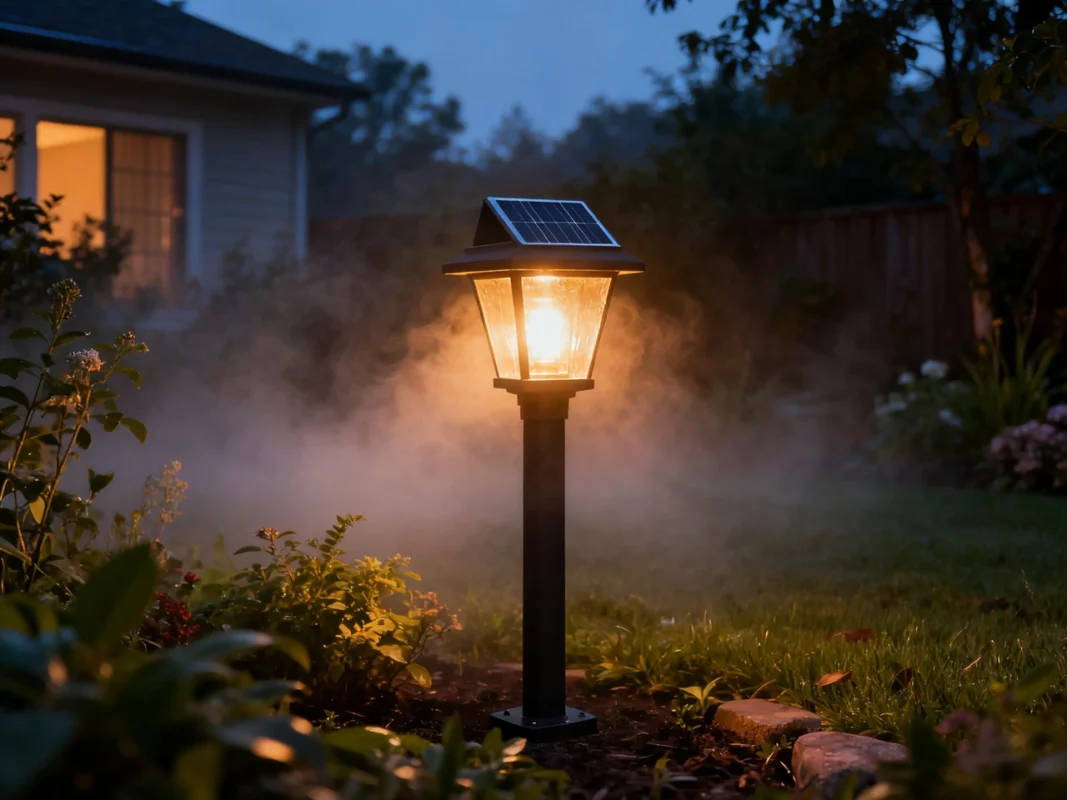
Alternatives to Outdoor Post Lanterns
What Are the Alternatives to Pole Lights?
Consider wall-mounted lights, floodlights, bollard lights, ground uplights, and string lights. Each serves unique purposes and may be preferable depending on your outdoor layout.
When to Choose Alternatives
Alternatives may be better when height is constrained, if you need low-level ambient lighting, or when extremely bright illumination is required for security.
Cost & Buying Considerations
Choosing the right outdoor post lantern involves more than style and brightness—it’s also about cost, long-term value, and practical considerations. Whether you’re selecting garden post lights, solar lights for a post, or super bright solar post light fixtures, understanding the balance between upfront investment and long-term benefits ensures you make a smart, cost-effective decision.
Upfront Cost vs. Long-Term Value
The initial purchase price of outdoor post lanterns can vary widely depending on type, size, materials, and brightness. Solar outdoor post light fixtures often have a higher upfront cost than basic wired lanterns due to integrated solar panels and rechargeable batteries. However, they offer significant long-term savings by eliminating electricity usage and reducing installation expenses associated with wiring.
- Wired post lights: Typically lower upfront costs but may require professional installation and ongoing electricity expenses.
- Solar post lights: Higher initial investment but minimal operational costs and no wiring, making them highly practical for remote or large outdoor areas.
Investing in quality solar lights for a post or super bright solar post light ensures durability and long-term performance, often offsetting the initial expense over several years.
Material and Quality Considerations
The materials used in outdoor post lanterns affect both longevity and maintenance. Durable, weather-resistant materials such as aluminum, stainless steel, or powder-coated finishes withstand the elements and protect the light from corrosion, moisture, and damage. Properly rated fixtures (IP65 or higher) are essential for outdoor use, especially in regions with rain, snow, or high humidity.
- Low-cost materials may save money initially but can require frequent replacement.
- Investing in quality materials ensures your garden post lights or solar outdoor post light fixtures continue to perform reliably and look attractive over time.
Brightness and Functionality Trade-offs
Cost also depends on the brightness and functionality of your outdoor post lanterns. Higher-lumen options, such as a super bright solar post light, may cost more upfront but provide wider coverage and greater security. Standard-lumen garden post lights are ideal for ambiance and decorative purposes but may need to be installed in greater numbers to achieve the same overall illumination.
Choosing the right balance between brightness, number of fixtures, and intended function helps avoid overspending while ensuring effective lighting.
Warranty, Replacements, and Upgradability
When buying solar lights for a post, consider product longevity and support options. Check if the fixtures allow easy battery replacement, which is the most common maintenance task for solar lanterns. A good warranty or after-sales support provides peace of mind and protects your investment.
- Replaceable batteries extend the functional life of a solar outdoor post light.
- Easy-to-maintain fixtures reduce the hassle of long-term upkeep.
- Quality warranty coverage ensures you’re protected in case of defects or early failures.
Maximizing Value
To get the most value from your outdoor post lanterns, combine careful planning with informed purchasing:
- Determine your illumination needs and space coverage before buying.
- Match style and design to your landscape to avoid future replacement for aesthetic reasons.
- Choose fixtures with durable materials and appropriate brightness levels for the intended area.
- Factor in maintenance requirements, especially for solar lights, to ensure consistent performance.
By weighing upfront cost against durability, efficiency, and functionality, you can select garden post lights, solar lights for a post, or super bright solar post light options that offer the best balance of aesthetics, performance, and long-term value.
Conclusion
Choosing the right outdoor post lantern can transform your garden into a safe, welcoming, and visually stunning space. By considering lumen output, style, height, placement, and maintenance, you ensure your garden post lights or solar outdoor post lights not only illuminate effectively but also enhance your outdoor lifestyle. From cozy pathways to brightly lit driveways, the versatility of solar lights for a post and super bright solar post light options allows you to customize lighting to suit your exact needs. Thoughtful selection, proper installation, and routine maintenance will ensure your outdoor lighting setup provides both beauty and practicality for years to come.
Frequently Asked Questions
How tall should outdoor post lights be?
The height of outdoor post lanterns depends on their purpose:
• Pathways and small garden areas: 3–4 feet (0.9–1.2 meters) provides sufficient illumination without overpowering nearby plants.
• Driveways or larger areas: 5–6 feet ensures wider coverage, especially for super bright solar post light fixtures.
• Accent or decorative purposes: Lower posts can create a subtle, ambient glow.
Correct height ensures balanced light distribution, improves safety, and enhances the visual appeal of your garden.What are common outdoor lighting mistakes?
Common mistakes include:
• Over-illumination without layering lighting.
• Ignoring IP/weather-proof ratings.
• Using the wrong color temperature.
• Exposing bulbs, causing glare.
• Poor planning and maintenance neglect.
• Ignoring environmental impact, such as attracting insects or contributing to light pollution.
Avoiding these errors helps your garden post lights or solar outdoor post light fixtures perform efficiently and look attractive.Which outdoor lights are best for a garden?
The best outdoor lighting combines functionality with aesthetic appeal:
• Low-lumen garden post lights along pathways for ambiance.
• Accent lights for trees, flower beds, or features.
• Super bright solar post light fixtures in driveways or open areas for safety.
• Layering ambient, task, and accent lighting ensures both beauty and practicality.What are the alternatives to pole lights?
Alternatives include:
• Wall-mounted sconces.
• Floodlights.
• Bollard lights.
• Ground uplights.
• String or fairy lights for decorative effects.
Each alternative serves specific purposes, but outdoor post lanterns remain ideal for broad, elevated coverage.What is the golden rule of lighting?
The golden rule of outdoor lighting is layering: combine ambient, task, and accent lighting to achieve safety, functionality, and aesthetic harmony. For instance, pairing low-lumen garden post lights with super bright solar post light fixtures creates depth while avoiding harsh glare.
Do lamp posts attract insects?
Yes, especially bright or cool-white lights. To minimize attraction:
• Use warm-white LEDs in garden post lights or solar lights for a post.
• Shield fixtures to direct light downward.
• Consider motion-activated super bright solar post light units to limit continuous illumination.Are solar post lights worth it?
Absolutely. Solar outdoor post light fixtures offer:
• Flexibility in placement without wiring.
• Reduced electricity costs.
• Low maintenance, especially with long-lasting LEDs.
• Eco-friendly operation for sustainable outdoor lighting.
They are particularly practical for pathways, gardens, and driveways where wiring is inconvenient or costly.How long do solar post lights last?
Lifespan depends on components:
• LEDs: 25,000–50,000 hours.
• Batteries: 3–5 years, replaceable in most solar lights for a post.
• Solar panels: 15–20 years with proper maintenance.
Overall, a well-maintained solar outdoor post light can provide 3–10 years of reliable operation.What is the highest lumens for solar lights?
Modern super bright solar post light fixtures can reach up to 4,000 lumens, suitable for:
• Driveways.
• Large gardens.
• Security lighting.
High-lumen solar lights require larger solar panels and batteries for sustained nighttime brightness.How should I maintain my solar outdoor post light?
Maintenance tips include:
• Clean solar panels regularly to remove dust, leaves, or debris.
• Replace batteries proactively to maintain brightness.
• Inspect fixtures for moisture, damage, or corrosion.
• Ensure proper sun exposure to maximize charging efficiency.
Routine care ensures your garden post lights or super bright solar post light fixtures maintain functionality and longevity.What materials should I look for in a durable post lantern?
Durable materials include:
• Aluminum or stainless steel for corrosion resistance.
• Powder-coated or weatherproof finishes.
• Fixtures with IP65 or higher ratings for outdoor protection.
High-quality materials ensure your outdoor post lanterns remain attractive and functional for years.How can I balance aesthetics and safety with post lights?
Balance aesthetics and safety by:
• Layering lighting: ambient garden post lights for atmosphere, super bright solar post light for functional areas.
• Varying heights and spacing for visual interest.
• Using warm light for inviting areas and cooler light for security.
• Coordinating fixtures with your garden layout, plants, and pathways.
Thoughtful planning results in outdoor spaces that are both safe and visually appealing.