

Table of Contents
If you’ve ever walked into a workshop, warehouse, or even a well-lit garage, you’ve likely seen four foot LED bulbs quietly doing their job. These fixtures might seem ordinary, but in reality, they are a modern lighting marvel, combining energy efficiency, long lifespan, and excellent illumination quality. In this guide, we’ll dive deep into everything you need to know about four foot LED bulbs, including LED shop light 4 ft options, 4 ft LED light bulbs, and how they compare with traditional fluorescent tubes. By the end, you’ll understand how many hours do LED bulbs last, the advantages of switching, and how to pick the right LED light bulbs 4 foot for your space.
What Are 4 Foot LED Bulbs?
LED lighting has revolutionized how we illuminate spaces, and among the most versatile and widely used types are four foot LED bulbs. These fixtures are designed to replace traditional fluorescent tubes, delivering improved energy efficiency, longer lifespan, and higher-quality light. Understanding their size, form factor, and applications is the first step toward making a smart lighting upgrade.
Size and Form-Factor Explained
When people refer to “4-foot LED bulbs,” they are talking about linear LED tubes that measure approximately 48 inches (about 1.2 meters) in length. This length aligns with legacy fluorescent fixtures, making it easy to retrofit without replacing the entire setup. Most LED 4 foot lights are available in T8 or T12 diameters — T8 being slimmer and more energy-efficient.
The form factor of these 4 ft LED light bulbs is designed for versatility. They can fit into strip fixtures, troffers, suspended shop lights, and even some ceiling-mounted industrial setups. Their long, linear design provides even illumination across a wide area, unlike point-source bulbs that create pockets of shadows.
One of the advantages of this standard size is predictability. Contractors, electricians, and DIY enthusiasts alike can confidently plan lighting layouts because the 4-foot dimension works in a variety of settings, from residential garages to large commercial spaces. Whether it’s an overhead LED shop light 4 ft or individual replacement tubes, the size ensures compatibility and uniform coverage.
Why Upgrade to LED 4 Foot Lights
There are several compelling reasons to switch to LED light bulbs 4 foot from fluorescent alternatives. First, energy efficiency is a major factor. Four foot LED bulbs consume significantly less electricity than traditional fluorescent tubes while producing the same or higher levels of brightness. This can translate into substantial cost savings, especially in spaces with dozens of fixtures running for multiple hours per day.
Next, consider lifespan. While a standard fluorescent tube may last 8,000 to 15,000 hours, LED 4 foot lights typically offer 50,000 to 100,000 hours of reliable operation. That’s years of maintenance-free illumination, drastically reducing the time and expense associated with replacing burned-out tubes.
Light quality is another key factor. 4 ft LED light bulbs provide instant-on brightness without flickering or warm-up times. They also deliver more consistent color rendering, improving visibility and reducing eye strain in work environments. Unlike fluorescents, which often degrade in brightness over time, LEDs maintain their illumination more evenly, creating a safer and more comfortable environment.
Lastly, environmental benefits play a role. Four foot LED bulbs do not contain mercury or other hazardous substances, unlike fluorescent tubes. Lower energy consumption also reduces carbon footprint, making them an environmentally responsible choice for both homes and businesses.
Common Applications: LED Shop Light 4 Ft
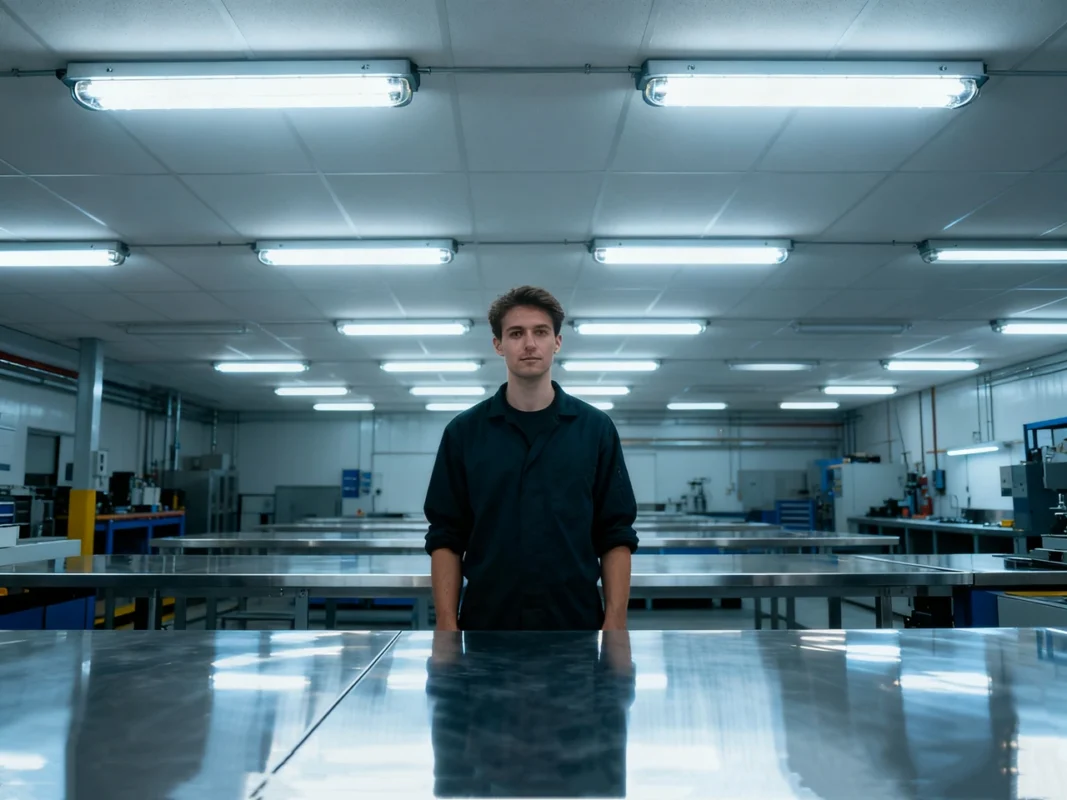
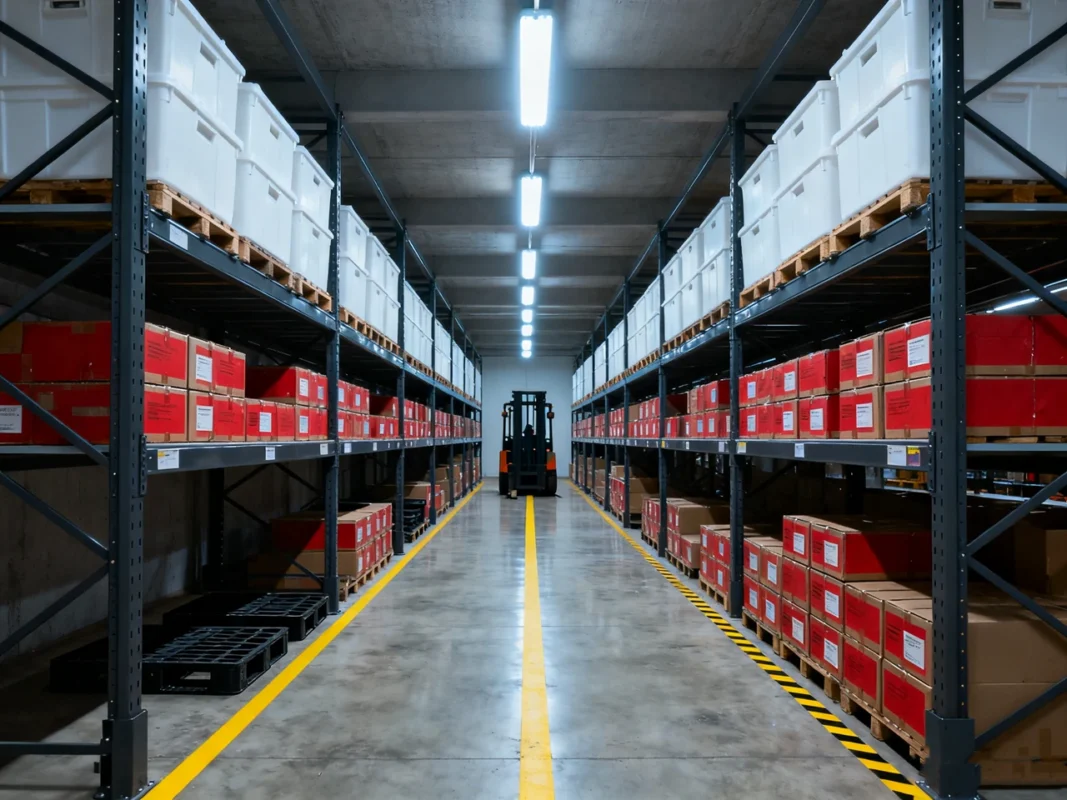
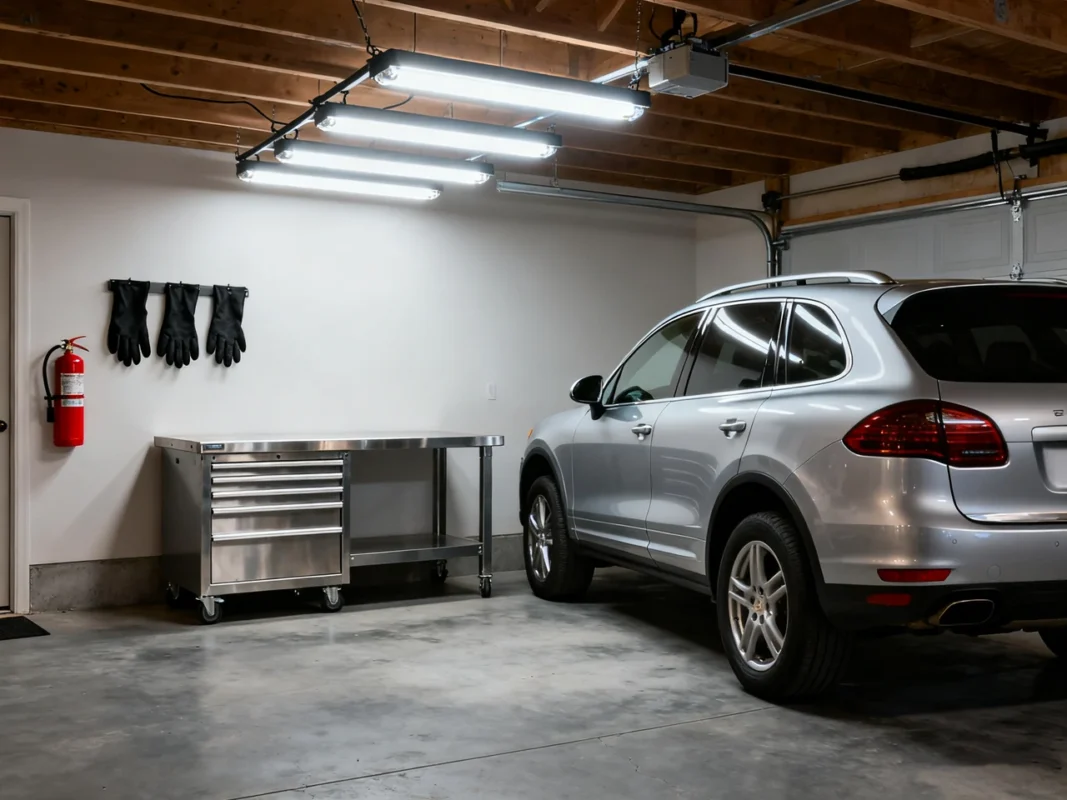
The popularity of LED shop light 4 ft stems from their versatility and adaptability. These fixtures are commonly used in commercial spaces such as warehouses, workshops, and retail environments where bright, even lighting is essential. In residential settings, they work well in garages, basements, and home workshops, providing a professional-quality lighting experience.
4 ft LED light bulbs are particularly effective in spaces where task lighting is critical. For example, in a woodworking shop or automotive garage, uniform overhead illumination ensures that work surfaces are consistently lit, minimizing shadows and enhancing safety. Their linear form factor allows for continuous lighting across long aisles or counters, which is difficult to achieve with smaller bulb types.
Lifespan: How Long Do 4 Foot LED Bulbs Last?
Overview of LED Lifespan Metrics
If you’ve ever wondered how many hours do LED bulbs last, the answer can be impressive. High-quality four foot LED bulbs typically last between 50,000 and 100,000 hours. That means if you run the light for eight hours a day, a single bulb could last between 17 and 34 years. This metric, often referred to as L70, indicates the point at which the bulb emits 70% of its original brightness — essentially the bulb’s effective lifespan.
Real-World Use Case
Imagine a small warehouse with 50 led 4 foot lights operating eight hours a day. Switching from fluorescent tubes, which last roughly 8,000 to 15,000 hours, to LEDs can save the facility thousands of dollars in replacements over a decade. It’s not just the bulbs that save money; the reduced labor costs and lower energy bills make a compelling case for 4 ft LED light bulbs.
Factors That Affect Lifespan
Several factors can impact the actual lifespan of four foot LED bulbs:
- Ambient Temperature: High heat shortens LED life.
- Voltage Fluctuations: Unstable power can damage the drivers.
- Frequent On/Off Cycling: Turning bulbs on and off excessively may reduce lifespan.
- Quality of Components: Budget LEDs may use lower-grade chips and drivers.
By selecting high-quality LED light bulbs 4 foot, you can mitigate most of these factors. Proper fixture ventilation and installation practices are also key.
How Long Do Fluorescent Bulbs Last Compared to LEDs
Traditional 4-foot fluorescent tubes usually last between 8,000 and 15,000 hours. That’s only a fraction of the lifespan of four foot LED bulbs. Not only do LEDs last longer, but they also maintain brightness more consistently over time. When asking how long do fluorescent bulbs last, it’s clear that LEDs outperform them in nearly every measurable way.
Can You Replace 4 Ft Fluorescent Bulbs with LED Bulbs?
For anyone looking to modernize their lighting, one of the most common questions is: “Can I replace 4 ft fluorescent bulbs with LED bulbs?” The short answer is yes — and doing so can offer significant energy savings, longer lifespan, and improved light quality. However, successful replacement depends on understanding fixture compatibility, ballast types, and the right four foot LED bulbs for your setup.
Compatibility and Retrofit Considerations
Replacing traditional fluorescent tubes with 4 ft LED light bulbs has become increasingly straightforward. Many LED 4 foot lights are designed to fit directly into existing fixtures, allowing for a simple swap without rewiring. However, the specific installation process depends on the type of LED light bulbs 4 foot you choose.
Fixtures vary: some have electronic ballasts, some have magnetic ballasts, and others might have been designed decades ago. Choosing the correct LED shop light 4 ft or tube type ensures a safe installation and prevents flickering, dimming issues, or reduced lifespan. The key is matching the LED tube type to your fixture’s requirements.
Do 4‑Foot LED Bulbs Need a Ballast?
Understanding ballast requirements is crucial for anyone upgrading to four foot LED bulbs. LED tubes typically fall into four categories:
- Type A (Ballast Compatible): These 4 ft LED light bulbs can work directly with existing fluorescent ballasts, allowing for a plug-and-play replacement.
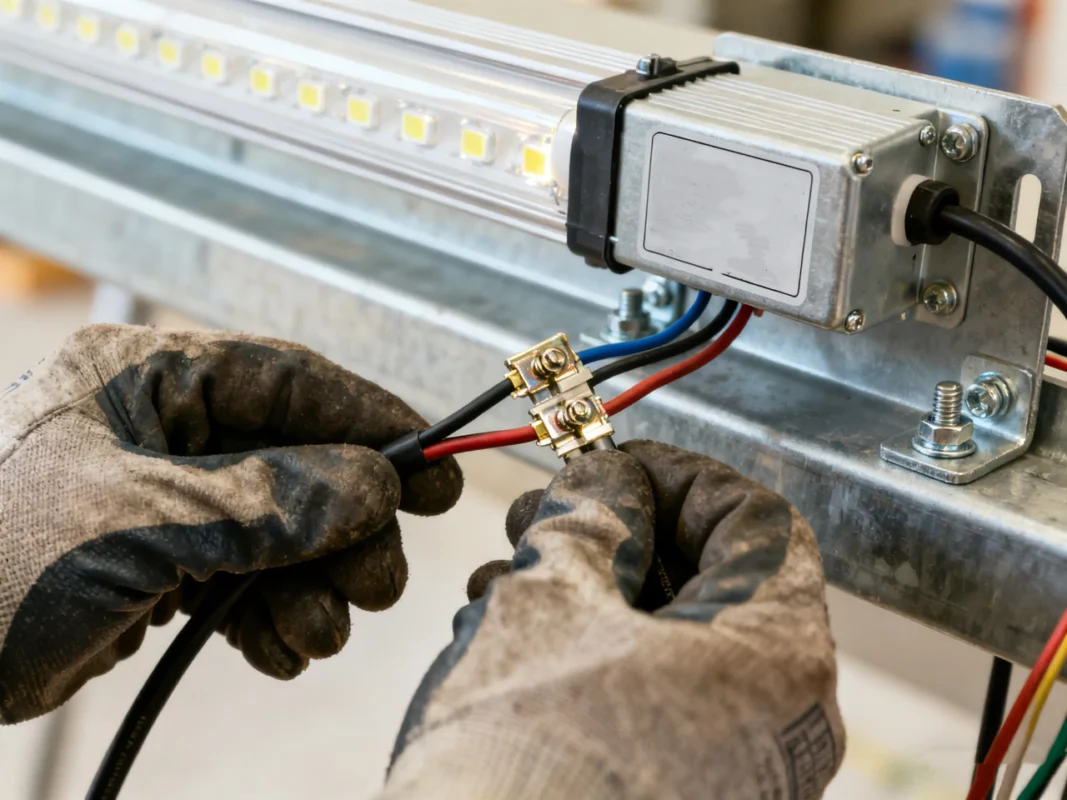
- Type B (Ballast Bypass): These LED 4 foot lights require direct wiring to mains voltage, bypassing or removing the existing ballast.
- Type C (External Driver): This type uses a separate driver and may allow for dimming or other advanced controls.
- Type A+B (Hybrid): A flexible option that can operate with or without a ballast.
Choosing the right type ensures safety and maximizes the performance and lifespan of 4 ft LED light bulbs. For example, if your fixture is older and uses a magnetic ballast, a Type B or hybrid tube may be necessary.
Step-by-Step Replacement Tips
For those ready to make the switch to LED 4 foot lights, here’s a simple roadmap:
- Turn off power: Always ensure the circuit is off before handling fixtures.
- Inspect the fixture: Identify the ballast type (magnetic or electronic) and check if a starter is present.
- Select the correct LED type: Determine whether your four foot LED bulbs need to be plug-and-play (Type A) or ballast-bypass (Type B).
- Remove the fluorescent tubes carefully: These contain fragile components.
- Install the LED tube: Follow manufacturer wiring instructions based on type. Type A is plug-and-play, Type B may require rewiring.
- Test the lighting: Ensure the 4 ft LED light bulbs illuminate instantly without flickering.
Even with proper installation, it’s recommended to replace old fluorescent starters and ensure the fixture is in good condition. Doing so ensures optimal performance for your LED shop light 4 ft or retrofit tubes.
Situations Where It’s Better to Replace the Entire Fixture
Sometimes, retrofitting LED 4 foot lights isn’t the most efficient choice. If the fixture is outdated, corroded, or incompatible with modern LEDs, installing a new integrated LED shop light 4 ft fixture may be more cost-effective in the long run. Modern integrated fixtures combine the driver, housing, and LED source in one unit, reducing maintenance and improving light distribution.
Large spaces, such as warehouses or workshops, benefit from integrated 4 ft LED light bulbs because they deliver uniform illumination across long spans and minimize the risk of flickering or uneven brightness. Additionally, a full fixture replacement often allows for smart lighting upgrades, dimming capabilities, or energy management systems.
Advantages of Replacing Fluorescent Tubes
Switching from fluorescent tubes to four foot LED bulbs is more than just a maintenance decision; it’s a strategic upgrade. Key advantages include:
- Longer lifespan: Typical LED tubes last 50,000–100,000 hours, far exceeding the 8,000–15,000 hours of fluorescent tubes.
- Energy savings: LED 4 foot lights consume 50–70% less electricity than fluorescent counterparts.
- Better light quality: Flicker-free illumination with improved color rendering enhances visibility and comfort.
- Environmental benefits: LEDs contain no mercury, produce less heat, and reduce overall energy consumption.
- Reduced maintenance: Less frequent replacements save labor costs and downtime, especially in commercial spaces.
By choosing the right LED light bulbs 4 foot, even older fluorescent fixtures can be efficiently upgraded, making this transition a practical, eco-friendly, and cost-saving solution.
What Are the Different Types of 4 Ft LED Bulbs?
When it comes to upgrading lighting, understanding the different types of four foot LED bulbs is essential. Not all LED tubes are created equal, and selecting the right type ensures optimal performance, longevity, and compatibility with your existing fixtures. Whether you are retrofitting old fluorescent tubes or installing new LED 4 foot lights, knowing the differences helps you make an informed decision.
Classification by Tube Type (T8, T12)
Most 4 ft LED light bulbs fall into T8 or T12 categories, referring to the tube diameter.
- T8 Tubes: These are the most common and energy-efficient option for modern installations. With a slim diameter, T8 tubes provide consistent brightness and are compatible with a wide range of existing fixtures. Many LED shop light 4 ft products use T8 form factors to maximize energy savings.
- T12 Tubes: Slightly larger in diameter, T12 tubes are often found in older fixtures. While they still offer energy savings over fluorescent equivalents, T12 tubes are gradually being phased out due to lower efficiency compared to T8 LED 4 foot lights.
Choosing the correct tube type ensures a secure fit and proper light distribution, especially in commercial or industrial spaces with long rows of fixtures.
LED Tube Types – A, B, C, A+B
Beyond size, four foot LED bulbs can be classified by installation type:
- Type A (Ballast Compatible): These 4 ft LED light bulbs work with the existing fluorescent ballast. They are a plug-and-play option, making them convenient for quick retrofits.
- Type B (Ballast Bypass): Also known as direct-wire LEDs, these LED 4 foot lights bypass or remove the ballast, connecting directly to mains voltage. This type often offers the most reliable long-term performance.
- Type C (External Driver): This type uses a separate driver rather than relying on the fixture’s ballast. Some Type C LED light bulbs 4 foot are dimmable or designed for specialized lighting controls.
- Type A+B (Hybrid): Flexible LEDs that can operate with or without a ballast. These LED shop light 4 ft tubes combine the convenience of plug-and-play installation with the reliability of direct-wire operation.
Understanding these types is critical for installation. Using the wrong type of four foot LED bulbs can lead to flickering, reduced lifespan, or even fixture damage.
LED Shop Light 4 Ft vs Standard 4 Ft LED Bulbs
Not all 4 ft LED light bulbs are designed purely as tube replacements. LED shop light 4 ft fixtures are integrated units where the housing, driver, and LED source come together in one fixture. These units provide simplified installation and better durability compared to individual replacement tubes.
Standard LED 4 foot lights are designed to fit into existing fluorescent fixtures, making them ideal for retrofits. While these tubes provide the same energy efficiency and lifespan benefits, integrated shop lights often have improved optics and distribution, making them particularly suitable for workshops, garages, and commercial spaces.
Other Variants and Features
Within the four foot LED bulbs category, there are additional options tailored to specific needs:
- Dimmable LEDs: Some 4 ft LED light bulbs allow for adjustable brightness, ideal for spaces requiring variable light levels.
- Single vs. Double-Ended Wiring: Single-ended tubes power from one end only, while double-ended tubes receive power from both ends, offering flexibility in fixture compatibility.
- Shatterproof Tubes: Ideal for industrial or high-traffic areas where accidental breakage is a concern.
- Color Temperature Options: From warm white (3000K) to daylight (5000K–6500K), LED 4 foot lights can match any environment or task.
By understanding these types and features, you can select LED light bulbs 4 foot that perfectly fit your space, whether it’s a high-ceiling warehouse, a home garage, or a retail environment. This ensures maximum efficiency, durability, and comfort.
Benefits of Using 4 Foot LED Bulbs
Energy Efficiency & Cost Savings
Four foot LED bulbs consume 50–70% less energy than fluorescent tubes. For businesses running dozens of fixtures, this translates to substantial electricity savings. Upgrading to LED shop light 4 ft units often results in immediate utility bill reductions.
Maintenance & Replacement Savings
With lifespans of up to 100,000 hours, 4 ft LED light bulbs reduce replacement frequency dramatically. Fewer replacements mean less labor and less downtime, which is critical for commercial spaces.
Better Light Quality & Instant On
Unlike fluorescent tubes that may flicker or require warm-up, led 4 foot lights provide instant, full brightness. The light is uniform, reducing shadows and eye strain, which is essential for workspaces.
Environmental Benefits
LED light bulbs 4 foot contain no mercury, unlike fluorescent tubes, and their long lifespan reduces waste. Less heat output also reduces cooling costs in large facilities.
Flexibility & Future-Proofing
Modern four foot LED bulbs often support dimming, smart controls, and integration into automated lighting systems, making them suitable for both retrofit and new installations.
Challenges & Considerations When Choosing 4 Foot LED Bulbs
While upgrading to four foot LED bulbs can provide significant energy savings, improved light quality, and longer lifespan, selecting the right tubes or fixtures requires careful consideration. Not all LED 4 foot lights are suitable for every application, and ignoring key factors can reduce performance, lifespan, or safety. Understanding these challenges ensures you get the most value from your investment.
Initial Cost vs Long-Term ROI
One of the most common considerations is upfront cost. 4 ft LED light bulbs typically have a higher initial purchase price than fluorescent tubes. However, this is offset by the long-term benefits: lower energy bills, reduced maintenance, and longer lifespan. When planning a retrofit or new installation, it’s important to calculate how many hours do LED bulbs last and project energy savings over the lifespan of the four foot LED bulbs. In most cases, the return on investment is achieved within two to five years, especially in commercial or industrial spaces with high usage.
Compatibility with Existing Fixtures & Ballasts
Compatibility is another critical factor when selecting LED shop light 4 ft or 4 ft LED light bulbs. Some older fluorescent fixtures may not support modern LED tubes, particularly if they use magnetic ballasts. Installing the wrong type of LED light bulbs 4 foot can cause flickering, dimming issues, or even permanent damage to the tube or fixture.
To avoid problems, verify whether your fixture requires:
- Type A (Ballast Compatible) LED tubes
- Type B (Ballast Bypass) LED tubes
- Integrated LED shop light 4 ft fixtures
Choosing the correct type ensures safety, longevity, and optimal performance.
Thermal Management & Environment
LED 4 foot lights are more efficient than fluorescents, but high ambient temperatures or poor ventilation can shorten their lifespan. Fixtures installed in enclosed or high-heat areas, such as attics or industrial spaces near machinery, require attention to thermal management. Proper airflow and spacing help maintain optimal operating temperatures, allowing your four foot LED bulbs to reach their full lifespan potential.
Quality & Reliability
Not all 4 ft LED light bulbs are created equal. Budget options may have lower-quality chips, drivers, or housings, which can reduce both performance and durability. Selecting well-made LED light bulbs 4 foot from reputable suppliers ensures consistent brightness, longer lifespan, and reduced flicker or failure risk. Even if you are replacing multiple tubes, investing in quality units pays off over time with fewer replacements and less maintenance hassle.
Warranty & Certifications
When buying four foot LED bulbs, look for products with proper safety certifications (UL, DLC, or equivalent). Certified products have been tested for safety and performance, ensuring you meet electrical codes and reduce risk. Additionally, a robust warranty provides peace of mind, covering premature failures and reinforcing the credibility of the product.
Disposal of Old Fluorescent Tubes
Replacing fluorescent tubes with LED 4 foot lights has environmental benefits, but proper disposal of old tubes is essential. Fluorescent tubes contain mercury and cannot be discarded in regular trash. Transitioning to LED shop light 4 ft or 4 ft LED light bulbs reduces future hazardous waste and supports sustainability initiatives.
Light Distribution & Beam Angle
Even when the wattage is the same, LED light bulbs 4 foot can distribute light differently than fluorescent tubes. Some LEDs focus light in narrower angles while others provide broad, uniform coverage. Consider the beam angle and fixture design to ensure adequate illumination across the entire area, whether for workspaces, warehouses, or retail spaces.
Dimming & Controls
Not all 4 ft LED light bulbs are compatible with dimming systems. If adjustable brightness is required, select tubes specifically rated for dimming and verify compatibility with existing controls. This ensures smooth dimming performance without flicker or driver issues.
Maintenance Planning
While four foot LED bulbs last significantly longer than fluorescents, planning for eventual replacement is still wise. Track which tubes are installed in which locations, monitor brightness levels, and plan future upgrades. Proactive maintenance ensures that your LED 4 foot lights continue to provide consistent illumination for years.
Environmental and Regulatory Considerations
Finally, consider local regulations and environmental impact. Using LED 4 foot lights reduces energy consumption and carbon footprint, but also ensure compliance with energy codes, lighting rebates, or efficiency programs. These incentives can offset installation costs and provide additional long-term value.
Setting Up a Retrofit Strategy for 4 Foot LED Bulbs
Transitioning from fluorescent lighting to four foot LED bulbs can dramatically improve energy efficiency, reduce maintenance costs, and enhance overall light quality. However, a successful retrofit requires careful planning and a structured strategy. By approaching the upgrade systematically, you ensure maximum savings, optimal performance, and long-lasting reliability from your LED 4 foot lights.
Audit of Existing Lighting
The first step in any retrofit strategy is to conduct a thorough audit of your current lighting setup. Identify all fixtures that use 4-foot fluorescent tubes, noting:
- The number and type of tubes per fixture
- Ballast type (magnetic or electronic)
- Fixture condition and mounting style
- Current light output and color temperature
This audit will help you determine the number of 4 ft LED light bulbs required, the type of LED shop light 4 ft needed, and whether any fixtures should be replaced entirely. Documenting the existing layout ensures a smoother transition and helps avoid compatibility issues.
Choose the Right LED Tube Type & Supplier
Selecting the correct LED light bulbs 4 foot is crucial for a successful retrofit. Consider the following factors:
- Tube Type: Decide between Type A (ballast compatible), Type B (ballast bypass), Type C (external driver), or Type A+B (hybrid).
- Size and Form Factor: Confirm T8 or T12 compatibility with existing fixtures.
- Light Output and Color Temperature: Ensure the four foot LED bulbs provide adequate lumens and desired color temperature for the space.
- Quality and Certifications: Prioritize products with UL, DLC, or equivalent safety certifications to ensure reliability and compliance with building codes.
A reliable supplier will provide detailed specifications, installation guidance, and warranty coverage, reducing the risk of errors during installation.
Plan Wiring / Installation
Before beginning installation, determine whether your retrofit requires simple plug-and-play tubes or ballast bypass. For LED 4 foot lights, installation planning should include:
- Ensuring power is off during installation
- Preparing wiring for Type B or hybrid tubes if bypassing the ballast
- Verifying fixture condition to support new LED light bulbs 4 foot
- Testing a small batch of bulbs in a representative area before full-scale installation
Proper planning reduces downtime and prevents potential damage to the tubes or fixtures.
Estimate Payback & Savings
Understanding the financial benefits of switching to four foot LED bulbs is key to justifying the retrofit. Calculate:
- Energy savings based on wattage reduction and operating hours
- Maintenance savings due to longer lifespan of 4 ft LED light bulbs
- Disposal cost reductions from retiring fluorescent tubes
Many facilities achieve a return on investment within two to five years. Factoring in potential rebates or incentives for energy-efficient lighting can further improve payback.
Implementation & Testing
A phased approach to installation is recommended. Start by installing a small group of LED 4 foot lights or LED shop light 4 ft fixtures in a test area. Evaluate:
- Brightness and coverage
- Flicker or dimming performance
- Compatibility with existing controls and switches
Adjust your plan based on the test results before completing the retrofit across the entire facility.
Maintenance & Monitoring
Once installed, monitor the performance of your four foot LED bulbs to ensure they continue to deliver consistent illumination. Keep records of:
- Tube types and locations
- Installation dates
- Observed dimming or lumen depreciation
Even though LED 4 foot lights have long lifespans, proactive monitoring ensures early detection of issues and simplifies future replacements.
End-of-Life / Replacement Planning
Although LED light bulbs 4 foot last significantly longer than fluorescent tubes, they will eventually need replacement. Planning ahead allows for:
- Budgeting for future upgrades
- Scheduling replacements to minimize downtime
- Evaluating potential improvements, such as dimming controls or smart lighting integration
By treating the retrofit as a long-term strategy, your facility maximizes both energy efficiency and lighting performance for years to come.
Environmental and Regulatory Benefits
Upgrading to four foot LED bulbs not only saves energy but also supports sustainability initiatives. LED lighting reduces carbon emissions, consumes less electricity, and eliminates the mercury content present in fluorescent tubes. Proper planning also ensures compliance with local energy codes, building regulations, and incentive programs that may offset installation costs.
Conclusion
Switching to four foot LED bulbs is one of the smartest upgrades for any commercial, industrial, or residential space. With led shop light 4 ft options and replacement 4 ft LED light bulbs, you can enjoy long lifespan, lower energy bills, and superior lighting quality. While fluorescent tubes still exist, led 4 foot lights clearly outshine them in longevity, performance, and environmental impact. Plan carefully, choose the right type, and enjoy the bright, reliable illumination that only LEDs can provide.
Upgrading today means fewer replacements, lower energy bills, and a more sustainable lighting solution for years to come. Don’t just replace the light — transform your space with LED light bulbs 4 foot that truly last.
If you want to buy solar lights, fan lights, indoor lights, pool lights then you can visit AuroLamp where you will surely find the right one for you.
FAQs
Can you replace 4 ft fluorescent bulbs with LED bulbs?
Yes, four foot LED bulbs are designed to replace traditional fluorescent tubes in most fixtures. The process is straightforward if you select the correct type of LED tube — Type A (ballast compatible) for plug-and-play replacement or Type B (ballast bypass) for direct wiring. LED 4 foot lights offer energy savings, improved light quality, and significantly longer lifespans compared to fluorescent tubes.
Do 4-foot LED bulbs need a ballast?
It depends on the type of 4 ft LED light bulbs:
• Type A (Ballast Compatible): Uses the existing fluorescent ballast.
• Type B (Ballast Bypass): Requires direct wiring, bypassing the ballast.
• Type C (External Driver): Has a separate driver and may allow dimming.
• Type A+B (Hybrid): Can operate with or without a ballast.
Choosing the correct type ensures your LED shop light 4 ft functions safely and efficiently.How long do 4-foot LED bulbs last?
High-quality four foot LED bulbs typically last between 50,000 and 100,000 hours. This far exceeds the lifespan of traditional fluorescent tubes, making LED 4 foot lights a long-term, maintenance-free solution. For example, running the lights eight hours a day could last over 17 years, depending on usage and environmental conditions.
What are the different types of 4 ft LED bulbs?
Four foot LED bulbs come in multiple types:
• T8 and T12 tubes based on diameter.
• Type A (ballast compatible), Type B (ballast bypass), Type C (external driver), and Type A+B (hybrid) based on wiring and installation.
• Variants include dimmable, single or double-ended wiring, shatterproof tubes, and multiple color temperature options.
Selecting the correct LED light bulbs 4 foot ensures optimal performance and compatibility with your fixtures.Are 4 foot fluorescent lights better than LED?
No. LED 4 foot lights outperform fluorescent tubes in nearly every aspect:
• Longer lifespan
• Energy efficiency (50–70% lower consumption)
• Instant-on brightness with no flickering
• Improved color rendering
• No mercury content
While fluorescent tubes have been standard for decades, four foot LED bulbs provide a safer, more cost-effective, and environmentally friendly alternative.How many hours do LED bulbs last compared to fluorescent bulbs?
Most 4 ft LED light bulbs last 50,000–100,000 hours, whereas fluorescent tubes typically last 8,000–15,000 hours. This difference makes LED shop light 4 ft a far more sustainable and low-maintenance option, reducing replacement frequency and labor costs.
Can LED 4 foot lights be dimmed?
Yes, but only if the four foot LED bulbs are specifically rated for dimming. Standard non-dimmable tubes may flicker or fail if connected to a dimming system. Always verify compatibility before installation to ensure smooth performance.
Are there special considerations for retrofitting LED 4 foot bulbs?
Yes. When retrofitting:
• Check ballast type and fixture compatibility
• Decide between Type A, B, C, or hybrid 4 ft LED light bulbs
• Evaluate light distribution and beam angle for the space
• Ensure proper wiring and thermal management
Careful planning ensures a successful retrofit and long-term performance of LED 4 foot lights.How do I know when a 4 ft LED tube needs replacement?
Even though four foot LED bulbs are long-lasting, they eventually reach end-of-life when:
• Brightness decreases below 70% of original output (lumen depreciation)
• Drivers fail or tubes stop working
• Flickering becomes noticeable
Monitoring LED light bulbs 4 foot periodically helps plan timely replacements.Do I need to dispose of old fluorescent tubes specially?
Yes. Fluorescent tubes contain mercury and cannot be discarded in regular trash. Replacing them with LED 4 foot lights eliminates future hazardous waste, but old tubes must be recycled according to local regulations to ensure safety and environmental compliance.
Can integrated LED shop light 4 ft fixtures replace multiple fluorescent tubes?
Yes. Integrated LED shop light 4 ft fixtures often combine the driver, housing, and LEDs into a single unit. This allows them to replace multiple fluorescent tubes while offering better light distribution, easier installation, and longer lifespan compared to individual 4 ft LED light bulbs.