

Table of Contents
When you step outside at night, you expect your home, garden, or yard to feel welcoming—not dark, unsafe, or poorly lit. That’s where outdoor led lighting comes into play. In this guide, you’ll learn everything — from choosing the right lumens and combating moisture damage, to specialty uses like outdoor led Christmas lights and ensuring your led lights outdoor last for decades. Let’s light up your outdoor spaces the smart way.
Introduction to Outdoor LED Lighting
When the sun sets, the right lighting can completely transform how your home, garden, or outdoor space looks and feels. Whether you want to highlight a landscaped path, create a cozy patio for evening gatherings, or improve safety and security, outdoor LED lighting is now the go-to solution. It has rapidly replaced older technologies like halogen or incandescent bulbs thanks to its unmatched combination of energy efficiency, durability, and design flexibility.
Why LED Lights Dominate Outdoor Lighting Solutions
It’s no coincidence that outdoor LED lighting has become the preferred choice for homeowners, designers, and contractors alike. Unlike traditional lighting, LEDs convert most of the energy they consume into visible light rather than heat. This efficiency translates into significant energy savings over time and a much lower environmental footprint.
Beyond saving energy, LEDs excel in performance and reliability. A well-made led light for outside can operate for tens of thousands of hours — often 30,000 to 80,000 hours or more — without noticeable dimming. That longevity means fewer replacements, lower maintenance costs, and less hassle over the lifespan of your lighting system.
Directional illumination is another game-changer. LEDs emit light in a focused direction, which reduces wasted output and makes them ideal for outdoor applications where you want precise coverage — such as illuminating a walkway, accenting a tree, or casting light along a wall. Add to that the ability to integrate dimmers, motion sensors, and smart controls, and outdoor LED lighting gives you unparalleled flexibility and control.
Key Benefits of Outdoor LED Lights
The list of advantages continues well beyond efficiency and longevity. Here’s why led lights outdoor consistently outperform older lighting options:
- Energy Efficiency: LEDs use up to 80% less electricity than incandescent bulbs, making them a cost-effective choice for long-term outdoor use.
- Extended Lifespan: High-quality fixtures often last decades, significantly outlasting halogen or fluorescent lights.
- Low Maintenance: With fewer bulb changes and less frequent repairs, outdoor LED systems are easier to manage over time.
- Cooler Operation: Because LEDs generate less heat, they’re safer to use near plants, wooden structures, or decorations.
- Design Versatility: From bright floodlights to subtle pathway lights and even outdoor LED Christmas lights, LEDs come in a variety of forms and styles to suit any purpose.
- Enhanced Control: Many modern systems allow dimming, scheduling, and automation, making it easy to tailor your lighting to your lifestyle.
Common Types: Outdoor LED Light Bulb, Fixtures, and Decorative Uses
Choosing the right form of outdoor LED lighting depends on your specific needs and aesthetic goals. Here are the main categories you’ll encounter:
- Outdoor LED Light Bulb: These are straightforward replacements for standard bulbs but are designed to withstand outdoor conditions, including moisture and temperature changes.
- Outdoor LED Light Fixture: Wall-mounted sconces, pathway stakes, floodlights, and post lamps fall into this category. They’re engineered to deliver focused illumination with durable, weather-resistant housings.
- Outdoor LED Christmas Lights: Perfect for festive decorating, these low-power strings and shapes add a seasonal touch without spiking your energy bill.
- Specialty and Accent Lighting: In-ground uplights, strip lights, and spotlights offer creative ways to highlight architectural features, trees, or water elements.
No matter the application — whether you’re installing a simple outdoor LED light bulb on your porch or designing a complex landscape system with multiple outdoor LED light fixtures — understanding the basics will help you make informed choices. With the right planning and products, outdoor LED lighting can enhance curb appeal, improve safety, and create an inviting atmosphere year-round.
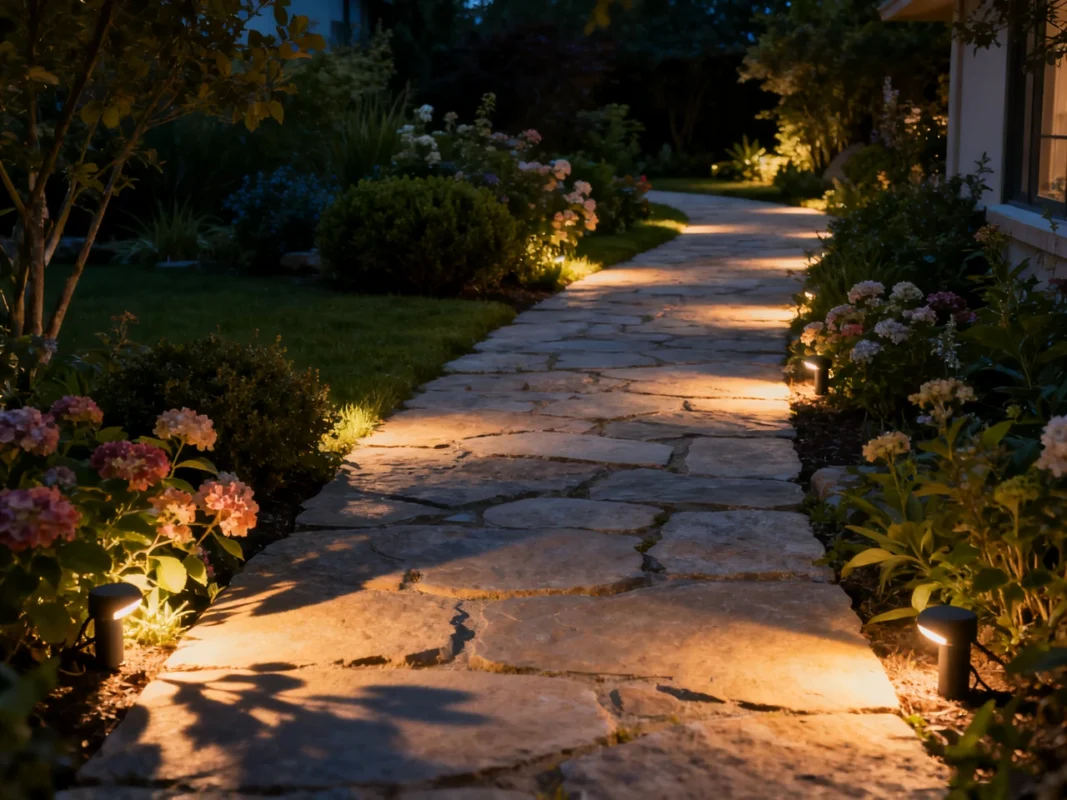
Choosing the Right Outdoor LED Light
Selecting the best outdoor LED lighting for your space is more than just picking a bright bulb — it’s about understanding how light behaves outdoors, how much brightness you need, and which types of fixtures suit your goals. Whether you’re illuminating a garden path, installing security lights, or hanging outdoor LED Christmas lights, choosing wisely ensures optimal performance, longevity, and safety.
Understanding Lumen Ratings and Brightness
One of the most common mistakes people make when buying led lights outdoor is focusing solely on wattage. Wattage measures power consumption, not brightness. What truly matters is lumens — the unit that tells you how much visible light a source emits.
For outdoor spaces, lumen requirements vary widely based on the purpose:
- Pathway lights: 100–400 lumens per fixture
- Wall lights: 700–1,500 lumens
- Security floodlights: 2,000–5,000+ lumens
- Accent lighting: 300–800 lumens
- Landscape uplighting: 1,000–3,000 lumens
But lumens don’t work in isolation. The beam angle, height of installation, and fixture design also affect perceived brightness. A 1,000-lumen spotlight aimed at a walkway can look brighter than a 1,500-lumen light with a wide beam spread. Additionally, the color temperature (measured in Kelvin) matters: warm tones (2,700K–3,000K) create cozy, welcoming ambiance, while cooler light (4,000K–5,000K) enhances visibility and security.
Is 1000 Lumens Bright Enough for Outdoor Use?
A common question about outdoor LED lighting is whether 1,000 lumens is sufficient. The answer depends on where and how you use it.
For small patios, front porches, garden paths, or accent lighting, a led light for outside rated around 1,000 lumens often provides excellent illumination without glare. It’s bright enough to light up an area while maintaining a warm, inviting atmosphere. However, for larger areas such as driveways or backyards, 1,000 lumens may feel underpowered. In those cases, either install multiple fixtures or upgrade to higher-output options.
A good rule of thumb: use lower lumens for outdoor LED light bulbs intended for ambiance or decoration, and higher lumens for safety, visibility, or broad coverage.
2000 vs 3000 Lumens — Which Is Brighter and When to Use Each
This is a straightforward comparison: 3,000 lumens is brighter than 2,000 lumens — about 50% more light output. But brighter isn’t always better. The right choice depends on application and placement.
- 2,000 lumens: Ideal for medium-sized spaces like garden beds, patios, or entryways. It offers excellent visibility without overwhelming glare.
- 3,000 lumens: Best suited for larger areas, tall mounting positions, or spaces requiring high-intensity illumination, such as parking areas, large driveways, or security zones.
If you’re unsure, start with 2,000-lumen fixtures and adjust by adding more lights as needed. The goal of outdoor LED lighting is balanced, uniform illumination — not just raw brightness.
Best Outdoor LED Light Bulbs for Different Applications
With so many options available, it’s important to match the type of outdoor LED light bulb to the job at hand:
- Path and walkway lighting: Choose low-lumen bulbs with narrow beams to guide foot traffic without overpowering nearby plants or seating areas.
- Wall sconces and architectural lighting: Medium-lumen options with a wide beam angle are ideal for highlighting structures and increasing curb appeal.
- Floodlights and security lighting: High-lumen bulbs (2,000–5,000+) provide strong illumination and deterrence against intruders.
- Accent and spotlighting: Adjustable fixtures with focused beams let you highlight trees, sculptures, or water features.
- Outdoor LED Christmas lights: These are typically low-lumen per bulb but designed for decorative impact rather than functional lighting.
When purchasing, always verify that the bulb or fixture is rated for outdoor or wet conditions. Even the brightest led light for outside will fail prematurely if it isn’t designed to handle rain, humidity, and temperature changes.
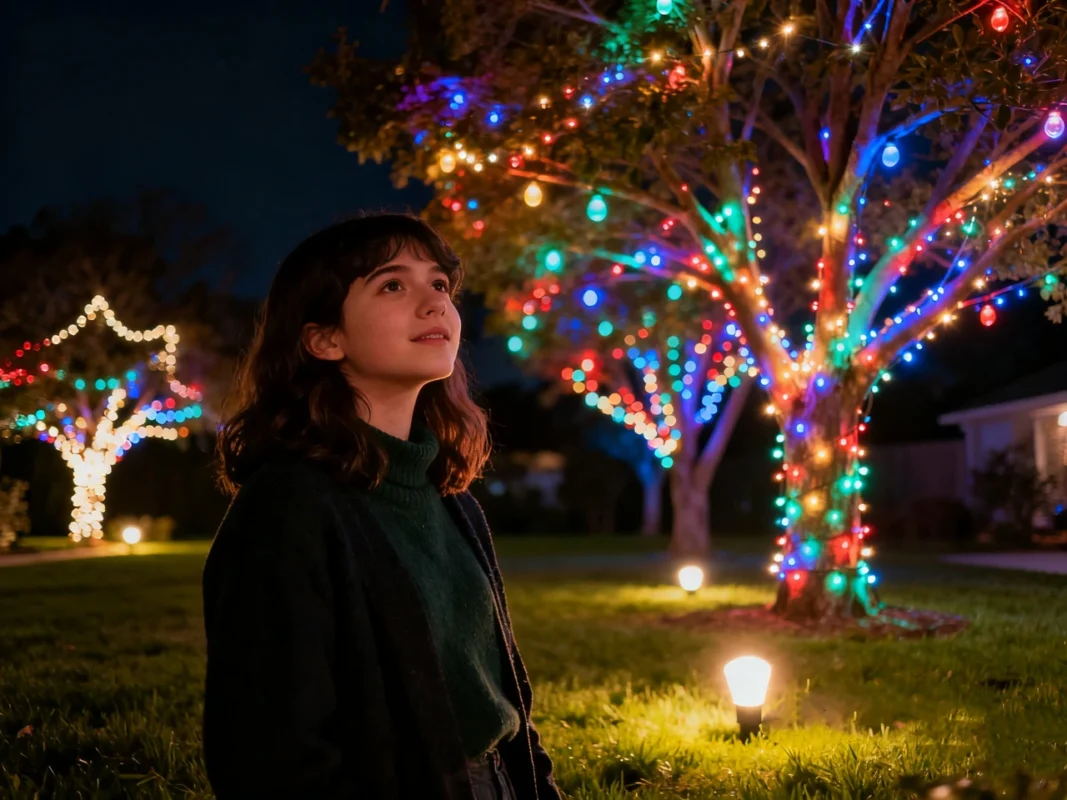
LED Lights and Weather Resistance
One of the most important factors to consider when installing outdoor LED lighting is how it will stand up to the elements. Rain, humidity, snow, and even morning dew can all affect lighting performance if the system isn’t designed for outdoor conditions. Whether you’re installing outdoor LED Christmas lights, a powerful outdoor LED light fixture, or a single outdoor LED light bulb, understanding how moisture interacts with your system — and how to protect it — is essential for safety, longevity, and consistent performance.
What Happens If an LED Light Gets Wet?
A common concern with led lights outdoor is how they respond to moisture exposure. If your fixture is not designed for wet environments, getting wet can trigger several issues:
- Corrosion and rust: Water can corrode metal contacts, connectors, and circuit boards, leading to poor conductivity or complete failure.
- Short circuits: Moisture that reaches the internal wiring or driver components can create short circuits, damaging the light or posing a safety hazard.
- Reduced brightness: Condensation or water droplets on the lens scatter light and reduce the effective lumen output.
- Color shifts: Water intrusion can damage phosphor coatings or optical layers, altering the light’s color temperature over time.
- Premature failure: Long-term moisture exposure accelerates degradation and dramatically shortens the lifespan of your outdoor LED lighting.
For example, if a led light for outside is not properly sealed, heavy rain or sprinkler spray can seep inside, leading to flickering, dimming, or total failure. This is especially true for fixtures installed close to the ground or near irrigation systems.
In short, water and electricity don’t mix — and while LEDs are far more durable than older bulbs, they still need proper moisture protection to perform reliably outdoors.
Moisture Protection Strategies and IP Ratings
The good news is that there are several effective ways to safeguard your outdoor LED lighting against water damage. The most important is choosing the correct Ingress Protection (IP) rating for your fixture. The IP code consists of two numbers: the first indicates protection against solids like dust, and the second measures resistance to moisture.
- IP65: Resistant to water jets from any direction — a common minimum for outdoor use.
- IP66: Offers higher protection against heavy rain and water spray.
- IP67: Can withstand temporary submersion — ideal for areas prone to flooding.
- IP68: Designed for continuous immersion — often used near ponds or water features.
In addition to IP ratings, consider the following best practices to protect your led lights outdoor:
- Sealed housings and gaskets: Ensure fixtures have watertight seals to prevent water ingress.
- Silicone sealant: Apply around cable entries and joints for added protection.
- Breathable vents and drainage holes: These allow condensation to escape while keeping water out.
- Conformal coating: A protective layer on internal components shields them from moisture damage.
- Desiccant packs: These absorb residual moisture trapped inside the fixture.
- Routine maintenance: Inspect and clean fixtures regularly, checking for cracks, loose seals, or trapped condensation.
These steps significantly extend the life of your outdoor LED light fixture and reduce the risk of electrical issues caused by moisture exposure.
Can LED Lights Be Used Outdoors in All Climates?
Yes — outdoor LED lighting is designed to perform reliably in a wide range of climates, from tropical rainforests to snowy alpine regions. However, choosing the right type of fixture for your local environment is key to long-term performance.
- Humid or rainy climates: Opt for high IP-rated fixtures (IP66 or higher) and use sealed outdoor LED light bulbs with corrosion-resistant housings.
- Cold climates: Look for LEDs rated for low-temperature operation to prevent reduced performance or flickering.
- Hot climates: Ensure fixtures have proper heat sinks and ventilation to manage thermal stress.
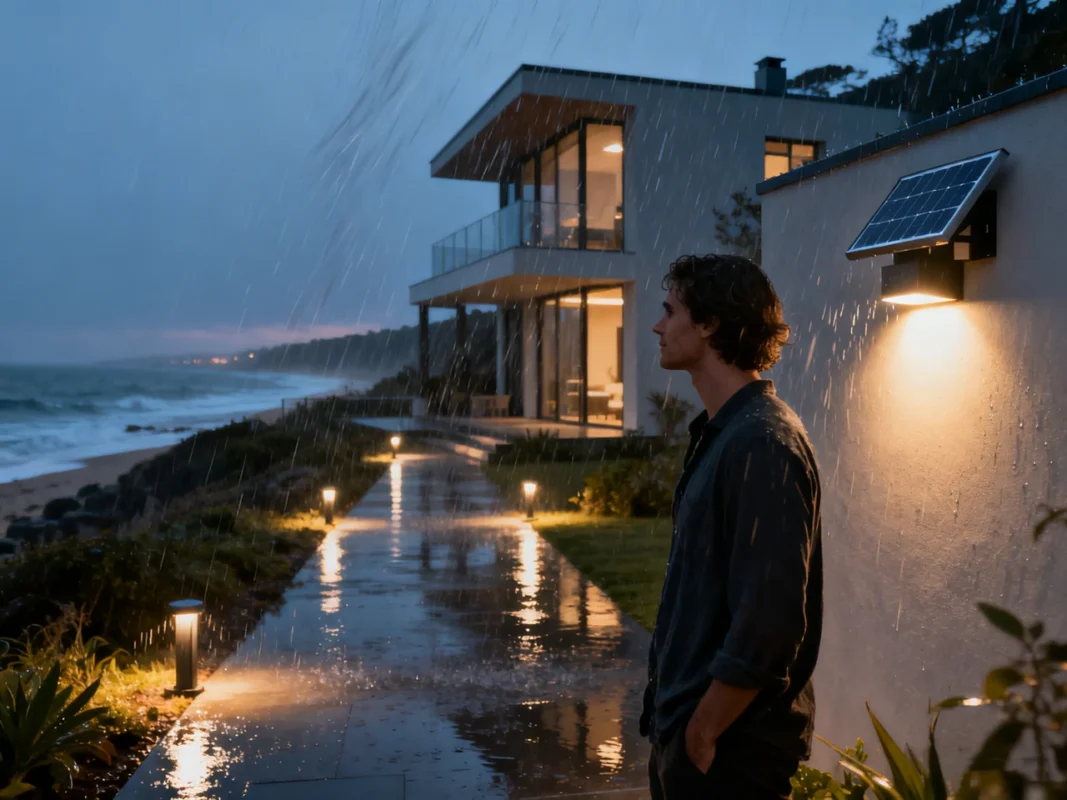
- Coastal areas: Choose materials that resist salt corrosion and UV exposure.
Even decorative installations like outdoor LED Christmas lights should be specifically rated for wet conditions. Indoor-only string lights will quickly fail when exposed to rain or snow, while weather-resistant designs can last for seasons without issue.
In extreme environments — such as coastal locations with salt spray or desert regions with intense UV radiation — periodic maintenance becomes even more important. Cleaning lenses, inspecting seals, and replacing worn gaskets will help maintain both brightness and longevity.

Applications of Outdoor LED Lighting
The beauty of outdoor LED lighting lies in its versatility. Whether your goal is to create a warm, inviting backyard, increase nighttime safety, showcase landscaping, or celebrate the holidays, there’s a perfect led light for outside to match every purpose. Today’s LED technology allows for creative, efficient, and highly customizable lighting designs that transform outdoor spaces into functional and visually stunning environments.
Enhancing Safety and Security
One of the most practical uses of outdoor LED lighting is improving safety and security. Adequate illumination helps prevent accidents, guides visitors, and deters unwanted intrusions.
- Pathway and driveway lighting: Low-profile fixtures or outdoor LED light bulbs with focused beams illuminate walking paths and driveways, reducing the risk of trips and falls.
- Stair and step lights: Proper lighting on steps is essential for visibility and safety, especially in darker areas or uneven terrain.
- Security floodlights: High-lumen led lights outdoor can be mounted on walls, garages, or perimeter fences to illuminate large areas and deter intruders. Motion sensors can further enhance their effectiveness.
- Entryway lighting: Installing an outdoor LED light fixture near doors and gates makes access safer while creating a welcoming entrance.
Because LEDs provide bright, focused light without excessive glare, they are ideal for security applications. A well-planned system ensures key areas are visible while avoiding light pollution or wasted energy.
Creating Ambiance and Outdoor Living Spaces
Outdoor lighting isn’t just functional — it’s also a powerful design tool. With the right combination of fixtures, color temperatures, and lumen levels, outdoor LED lighting can transform a simple backyard into an inviting extension of your home.
- Patio and deck lighting: Soft, warm-toned outdoor LED light bulbs can make seating areas cozy and comfortable, ideal for evening gatherings or outdoor dining.
- Garden and landscape lighting: Accent lights and spotlights highlight plants, trees, water features, or sculptures, adding depth and drama to your landscaping.
- Architectural lighting: Wall-mounted fixtures or uplights emphasize architectural details like columns, textures, or facades, enhancing the property’s nighttime curb appeal.
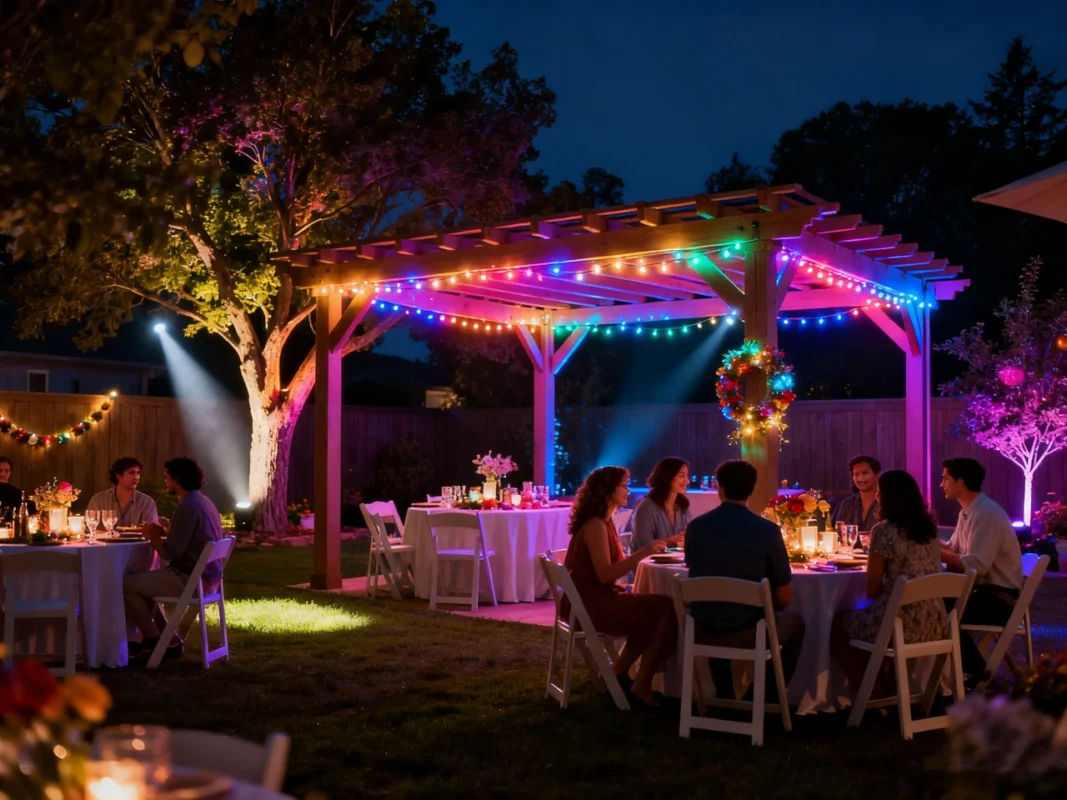
- Pergolas and gazebos: String lights or recessed LEDs create an enchanting atmosphere perfect for relaxing or entertaining outdoors.
Here, the flexibility of LED technology shines. You can adjust brightness levels, choose between warm and cool tones, and even integrate dimmers or timers — all while using minimal electricity.
Seasonal and Decorative Uses
No application shows the creative potential of LEDs better than seasonal and decorative lighting. Outdoor LED Christmas lights are a favorite example, but decorative lighting extends far beyond the holidays.
- Festive decorations: Use weather-resistant string lights or rope lights to celebrate holidays, birthdays, or special occasions. Their low energy use and long lifespan mean you can leave them on for hours without worry.
- Event lighting: LED spotlights and floodlights can transform outdoor spaces into vibrant venues for weddings, parties, or community events.
- Accent and mood lighting: Subtle, color-changing LEDs create ambiance around water features, fire pits, or seating areas — perfect for quiet evenings or lively gatherings.
Even simple decorative touches, like outlining a garden bed or wrapping a tree with led lights outdoor, can dramatically enhance the visual appeal of your property.
Commercial and Public Space Applications
Outdoor LED lighting isn’t just for residential properties — it’s also widely used in commercial and public settings due to its efficiency, durability, and design flexibility.
- Parking lots and pathways: High-output fixtures provide bright, uniform illumination, improving safety for pedestrians and vehicles.
- Building exteriors: Architectural lighting enhances brand image and makes buildings stand out after dark.
- Public parks and plazas: Pathway lights, bollards, and accent fixtures make outdoor public areas more welcoming and secure at night.
- Signage and landmarks: LEDs provide precise, long-lasting illumination for signs, monuments, and outdoor art installations.
Because LEDs are resistant to vibration, weather changes, and frequent switching, they are ideal for demanding public environments where reliability is essential.
Disadvantages and Limitations of LED Lighting
While outdoor LED lighting offers impressive advantages — from energy efficiency to long lifespan — no technology is without its downsides. Understanding the potential drawbacks of led lights outdoor helps you make smarter choices and set realistic expectations for your lighting system. Most of these limitations are manageable, but it’s important to know them before installation so you can plan accordingly.
What Is the Negative Side of LED Light?
The question often arises: What is the negative side of LED light? Despite their many strengths, LEDs do have several disadvantages worth noting:
- Higher upfront cost: Compared to incandescent or halogen bulbs, outdoor LED light bulbs typically cost more initially. Although they save money over time through lower energy use and longer life, the higher purchase price can be a barrier for some homeowners.
- Complex compatibility issues: Not all LEDs are compatible with older dimmer switches, timers, or control systems. If your existing infrastructure isn’t designed for LED technology, you might need to upgrade components, increasing installation costs.
- Heat management requirements: While LEDs generate less heat overall, the heat they do produce is concentrated in the driver and base. Without proper heat dissipation — especially in enclosed fixtures — performance and lifespan can suffer.
- Directionality limitations: LEDs emit light directionally, which is usually an advantage but can require additional fixtures or reflectors to achieve the same coverage as omnidirectional bulbs.
- Color consistency issues: Lower-quality LEDs sometimes suffer from color shift over time, which may alter the appearance of your outdoor lighting design.
For most applications, these issues don’t outweigh the benefits, but they’re important to consider when planning a led light for outside setup.
Challenges in Wet or Harsh Environments
Another limitation of outdoor LED lighting relates to water and environmental exposure. While many LEDs are designed for outdoor use, those not rated for wet conditions can fail prematurely when exposed to rain, humidity, or sprinklers.
If water enters the fixture, several problems can occur:
- Short circuits and safety risks: Water can bridge electrical contacts, leading to malfunctions or potential hazards.
- Corrosion: Prolonged moisture exposure corrodes internal components, reducing efficiency and lifespan.
- Reduced brightness or flickering: Moisture trapped inside a lens can scatter light or cause inconsistent performance.
This is why led light water protection and proper IP ratings are essential. Always choose fixtures specifically rated for outdoor or wet environments, and avoid installing indoor-rated lights outside — even in covered areas.
Sensitivity to Temperature Extremes
Although LEDs are more resilient than many traditional bulbs, they can still face challenges in extreme weather. Very high temperatures can shorten their lifespan, while extremely cold conditions may affect light output or cause delayed startup in some models. If you live in a region with severe climate fluctuations, select outdoor LED light fixtures rated for wide temperature ranges to ensure consistent performance year-round.
Light Pollution and Glare Concerns
Another often-overlooked drawback is that improperly installed outdoor LED lighting can contribute to light pollution and glare. Because LEDs are so bright and directional, they can create harsh lighting or unwanted spillover into neighbors’ properties if not carefully aimed. This is especially true for powerful floodlights or security lights.
Mitigation is simple: choose fixtures with shields, install them at appropriate angles, and select lumen levels suited to the application. Proper planning ensures you enjoy bright, efficient light without disrupting the surrounding environment.
Limited Performance Without Proper Design
LED lighting is not a “set it and forget it” solution. Its performance heavily depends on proper installation, placement, and component quality. A poorly designed system — for example, using the wrong beam angles, mismatched color temperatures, or inadequate moisture protection — can lead to disappointing results despite using high-quality fixtures.
Similarly, not all outdoor LED light bulbs are created equal. Low-quality options might flicker, dim prematurely, or have inaccurate color rendering. Investing in well-designed, properly rated fixtures and bulbs is essential for maximizing the potential of your led lights outdoor setup.
Safety, Maintenance, and Best Practices
Installing outdoor LED lighting is about more than aesthetics and illumination — it’s also about safety, durability, and performance over time. Even the most advanced led lights outdoor can underperform or fail prematurely without proper care. By following safety guidelines, routine maintenance routines, and installation best practices, you’ll ensure that your system operates efficiently, safely, and beautifully for years to come.
Safety Tips for Installing Outdoor LED Lights
Outdoor lighting systems deal with both electricity and environmental exposure, so safety must always be your first priority. Whether you’re mounting an outdoor LED light fixture on a wall or setting up outdoor LED Christmas lights for the holidays, these precautions are essential:
- Use fixtures rated for outdoor use: Always choose led light for outside models designed to withstand moisture, UV exposure, and temperature fluctuations. Indoor-rated products are not built for outdoor conditions and pose electrical risks.
- Check voltage compatibility: Make sure your lighting matches your electrical system’s voltage. Using the wrong voltage can damage fixtures or create fire hazards.
- Seal all connections: Use waterproof connectors and weatherproof junction boxes to prevent moisture from entering wiring systems. Even a small amount of water intrusion can cause corrosion or short circuits.
- Keep distance from water sources: Avoid installing fixtures too close to sprinklers, pools, or fountains unless they are explicitly rated for wet locations.
- Turn off power before installation: Always switch off the power supply before connecting or adjusting fixtures to prevent electrical shock.
Safety doesn’t end once your lights are installed — ongoing vigilance is just as important. Regularly check wiring, mounts, and seals, especially after heavy rain or storms, to ensure everything remains intact and functional.
Routine Maintenance to Extend Lifespan
One of the biggest advantages of outdoor LED lighting is its low maintenance requirements compared to traditional bulbs. However, “low maintenance” doesn’t mean “no maintenance.” A few simple habits can significantly extend the lifespan of your outdoor LED light bulbs and fixtures:
- Clean lenses and housings regularly: Dirt, dust, and pollen buildup can block light output and reduce efficiency. A soft cloth and mild detergent are usually enough.
- Inspect for moisture intrusion: Check inside fixtures for condensation or signs of water. If present, dry them thoroughly and reseal any weak points to prevent future ingress.
- Tighten loose fittings: Outdoor conditions like wind and temperature changes can loosen screws or mounts over time. Make sure everything stays securely in place.
- Replace damaged gaskets and seals: Rubber and silicone components degrade slowly. Replacing them ensures long-term protection against water and dust.
- Check for corrosion: If you notice rust or oxidation on metal parts, address it immediately to prevent further damage and maintain electrical conductivity.
These steps not only prolong the life of your led lights outdoor but also help maintain consistent brightness and color quality throughout their lifespan.
Best Practices for Long-Term Performance
To get the most from your outdoor LED lighting, smart planning and proper installation are just as important as maintenance. Here are some best practices professionals follow to ensure reliable, efficient performance:
- Use the right IP rating for your environment: For wet or exposed areas, opt for fixtures rated at least IP65. For regions prone to heavy rain or snow, IP66 or higher is ideal.
- Install with proper drainage: Avoid mounting fixtures where water pools. Standing water accelerates corrosion and can compromise seals over time.
- Plan lighting layers: Combine ambient, task, and accent lighting for a balanced outdoor setup. For example, pair pathway lighting with spotlights and outdoor LED light fixtures for architectural details.
- Consider lumen levels carefully: Over-lighting can cause glare and light pollution, while under-lighting reduces visibility and safety. Tailor lumen output to each area’s needs.
- Use timers and motion sensors: Automating your led light for outside not only improves energy efficiency but also extends the life of the fixtures by reducing unnecessary runtime.
- Protect connections from pests: Insects and small animals sometimes nest in fixtures or chew through wires. Inspect regularly and use protective covers if needed.
For decorative applications like outdoor LED Christmas lights, it’s best to remove them after the season rather than leaving them exposed year-round. Even weather-rated lights last longer when stored during off-seasons.
Conclusion
With the right knowledge, outdoor led lighting can transform your yard, home exterior, or commercial space into a well-lit, safe, efficient, and beautiful nighttime environment. From festive outdoor led Christmas lights to robust outdoor led light fixture systems, your choices matter.
Focus on:
- Matching lumens and beam angles to your space,
- Choosing proper wet/damp rated fixtures,
- Designing with heat and moisture protection in mind,
- Installing with care, and
- Maintaining over time.
FAQs – Outdoor LED Lighting Explained
What is the negative side of the LED light?
While outdoor LED lighting offers exceptional energy efficiency, longevity, and versatility, it does have some drawbacks. The most notable disadvantages include a higher upfront cost compared to traditional bulbs, potential compatibility issues with older dimmers or electrical systems, and sensitivity to heat buildup if not properly ventilated. Additionally, low-quality LEDs may suffer from color inconsistency or reduced brightness over time. Most of these issues can be minimized by choosing high-quality outdoor LED light fixtures and installing them correctly.
Are LED lights good for the outside?
Yes, led lights outdoor are excellent for exterior use. They are more energy-efficient, durable, and weather-resistant than most traditional lighting options. Because they produce directional light, they’re ideal for pathways, security lighting, landscape accents, and decorative uses like outdoor LED Christmas lights. Just ensure the fixtures are rated for outdoor or wet conditions, and they will provide reliable illumination year-round.
Is 1000 lumens bright for outdoor lights?
Yes — in many cases, 1,000 lumens is bright enough for outdoor lighting. For smaller areas such as porches, patios, or garden paths, a led light for outside with about 1,000 lumens provides plenty of illumination without being too intense. However, for larger areas like driveways, backyards, or security lighting, you may need more lumens or multiple fixtures to achieve sufficient brightness.
Which is brighter, 2000 lumens or 3000 lumens?
Simply put, 3,000 lumens is brighter than 2,000 lumens — about 50% brighter. But the best choice depends on your application. A 2,000-lumen outdoor LED light bulb is ideal for medium-sized areas or accent lighting, while 3,000 lumens works better for larger spaces or high-mounted fixtures that need to cover more ground. The key is to match brightness with the purpose and size of the area you’re lighting.
What is the best light bulb for outside?
The best outdoor LED light bulb is one specifically rated for exterior use and suitable for your climate and application. Look for bulbs with the right lumen output, color temperature, and IP rating for moisture resistance. For example, lower-lumen bulbs work well for ambiance and pathways, while high-output bulbs are better for floodlights or security applications. Always ensure the bulb is designed to handle exposure to rain, humidity, and temperature changes.
Do you need special LED lights for outside?
Yes, you should always use led lights outdoor that are designed and rated for exterior conditions. Indoor LEDs may fail quickly when exposed to moisture, dust, or temperature fluctuations. Outdoor-rated LEDs have weatherproof housings, sealed components, and protective coatings that allow them to operate safely and reliably in rain, snow, or intense sunlight.
What happens if an LED light gets wet?
If a led light for outside that isn’t properly sealed gets wet, it may short-circuit, flicker, dim, or stop working entirely. Moisture can corrode internal components, reduce brightness, or even create safety hazards. To prevent these issues, always choose fixtures with a suitable IP rating (e.g., IP65 or higher) and ensure all electrical connections are sealed against water intrusion.
How long do outdoor LED lights last?
A high-quality outdoor LED lighting system can last anywhere from 30,000 to 80,000 hours — significantly longer than incandescent or halogen bulbs. That translates to 10–20 years of use, depending on how many hours per day the lights operate. Proper installation, good heat management, and regular maintenance (like cleaning lenses and checking for moisture) all help maximize their lifespan.
Can outdoor LED lights handle extreme weather?
Yes, most outdoor LED light fixtures are built to handle a wide range of weather conditions, from heavy rain and snow to scorching heat. However, extreme environments require proper planning — for example, coastal areas benefit from corrosion-resistant materials, while very cold regions need LEDs rated for low-temperature operation. Choosing the right product for your climate ensures consistent performance all year.
Can I leave outdoor LED Christmas lights on all night?
Absolutely — outdoor LED Christmas lights are designed to be energy-efficient and safe to operate for extended periods. Their low power consumption means leaving them on overnight won’t significantly impact your electricity bill. However, using timers or smart controls is still a good idea to conserve energy and extend the lights’ lifespan.
How do I protect outdoor LED lights from moisture?
The best way to protect outdoor LED lighting from water damage is to choose fixtures with a proper IP rating, typically IP65 or higher. Additionally, use waterproof connectors, seal all joints, and mount fixtures away from areas where water can pool. Regular inspections and maintenance — such as checking for condensation or resealing connections — also go a long way toward preventing moisture-related issues.
Are outdoor LED lights safe around plants and pets?
Yes, led lights outdoor are generally safe around plants, pets, and landscaping. Because they emit less heat than traditional bulbs, they pose little risk of scorching plants or creating hot spots. Their efficiency and directional lighting also make them ideal for highlighting trees, gardens, and pathways without disturbing natural habitats.