
Table of Contents
When you think about transforming your backyard, garden path, driveway, or even the front porch, the first thing that comes to mind is ambiance. And nothing sets the mood or improves safety quite like outdoor lighting. But there’s one big challenge: finding brighter solar lights that don’t just flicker faintly but genuinely illuminate your space.
Over the past decade, solar technology has evolved drastically. No longer limited to dim decorative accents, today’s brightest outdoor solar lights can rival low-voltage wired lighting systems, offering both performance and eco-friendly convenience. Whether you’re upgrading your patio, installing bright solar street lights, or simply looking for the solar garden lights brightest to showcase your landscaping, brightness is now the key factor.
In this guide, we’ll explore everything you need to know: lumens, wattage, installation, common problems, and how to pick the right model. By the end, you’ll have a clear answer to the big question: what is the brightest lumens for solar lights, and which ones are right for your space?
Understanding Brightness – Lumens and Solar Light Performance
If you’re shopping for brighter solar lights, one term you’ll see over and over is “lumens.” It’s easy to get lost between lumens, watts, and marketing claims, but understanding how brightness is measured will help you choose the right light for your outdoor space. Whether you’re searching for decorative garden fixtures or bright solar street lights, lumens tell you exactly how much visible light a solar fixture can produce.
What Is the Brightest Lumens for Solar Lights?
So, what is the brightest lumens for solar lights? The answer depends on the application. At the lower end, small pathway or accent lights may produce as little as 5–20 lumens—enough to mark the edges of a walkway but not nearly enough to improve visibility. By contrast, the brightest outdoor solar lights used for security or street illumination can deliver anywhere from 1,000 to over 10,000 lumens.
To put that in perspective:
- 20–50 lumens – Suitable for soft garden accents.
- 100–300 lumens – Adequate for pathways and patios.
- 600–1,500 lumens – Good for driveways, backyards, and home security.
- 2,000+ lumens – Typically found in bright solar street lights and commercial-grade fixtures.
The important takeaway is that “brightest” doesn’t mean the same thing in every situation. A garden might look harsh under 2,000 lumens, while a long driveway may feel unsafe with only 100 lumens. By matching lumens to the purpose, you’ll get the best performance out of your brighter solar lights.
How Lumens Affect Outdoor Solar Lighting
Lumens don’t just dictate brightness—they also influence how a space feels and functions. Too dim, and your lights serve little purpose beyond decoration. Too bright, and you risk creating glare or washing out the natural ambiance of your outdoor setting.
For example, the solar garden lights brightest are designed to softly illuminate flowers, walkways, or landscaping features without overwhelming the area. On the other hand, when you need to improve visibility and deter intruders, brightest outdoor solar lights with higher lumen ratings are the better option.
Another factor is battery performance. High-lumen lights require more stored energy, meaning that a weak or undersized battery can cause them to fade halfway through the night. Quality brighter solar lights balance efficient solar panels, strong batteries, and lumen output to ensure consistent illumination until dawn.
Wattage vs Lumens: Which Matters More?
For decades, people judged light bulbs by watts. A “60-watt bulb” was brighter than a “40-watt bulb.” But in the age of LEDs and solar technology, watts no longer tell the full story. Watts measure energy consumption, not visible brightness.
Let’s break it down:
- A traditional 60-watt incandescent bulb produces about 800 lumens.
- A modern 8-watt LED can produce the same 800 lumens—at a fraction of the energy use.
- With solar lights, wattage indicates how much energy is consumed, but lumens reveal how much actual light you’ll see.
That’s why professionals recommend focusing on lumens rather than watts when comparing the brightest outdoor solar lighting. A 10-watt solar LED floodlight could easily outshine a 20-watt alternative if it’s engineered for high lumen efficiency.
In short, if your goal is to invest in the brightest outdoor solar lights or reliable bright solar street lights, always prioritize lumen ratings over wattage. Watts tell you what the fixture consumes, lumens tell you how bright it truly is.
Types of Brighter Solar Lights for Outdoors
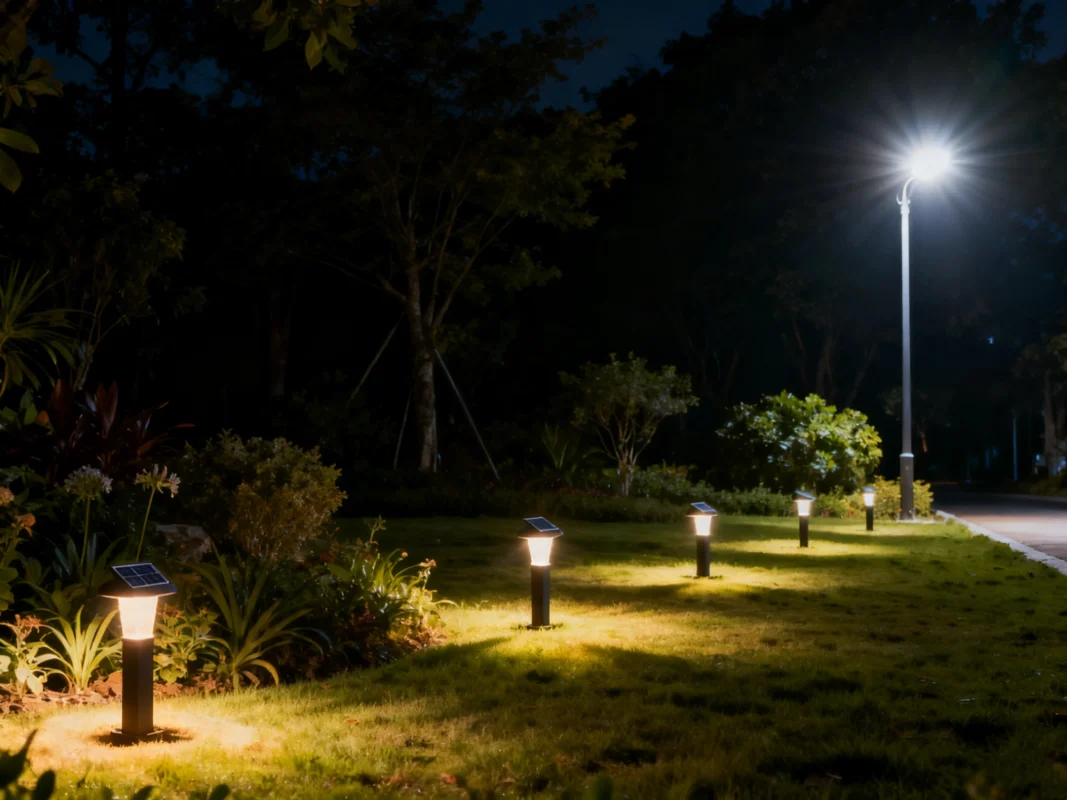
The market for brighter solar lights is incredibly diverse, and the “brightest” option really depends on where and how you plan to use them. From decorative accents in a small backyard to heavy-duty illumination for wide streets, each type of solar light serves a distinct purpose. Below, we’ll break down the most popular categories so you can match the right light to your needs.
Solar Garden Lights (Brightest for Landscaping)
When people imagine outdoor solar lighting, garden fixtures are often the first that come to mind. The solar garden lights brightest are designed to highlight landscaping features, flower beds, and walkways while adding charm and character to outdoor spaces.
These lights usually produce anywhere from 20 to 200 lumens per fixture. That may not sound like much compared to high-powered floodlights, but in a garden setting, it’s more than enough to create ambiance without overwhelming the natural beauty of plants. For example, a set of 100-lumen stake lights can line a path gracefully, providing both safety and style.
One thing to consider is color temperature. Warm white (2700K–3000K) is soothing and complements greenery, while cool white (5000K–6000K) can make stonework or modern landscaping features pop. When chosen carefully, brighter solar lights for gardens strike a perfect balance between visibility and atmosphere.
Bright Solar Street Lights (For Large Outdoor Areas)
If you need power and performance, nothing beats bright solar street lights. These fixtures are built for scale—driveways, parking lots, neighborhoods, or rural roads where visibility and safety are top priorities.
Unlike small garden lights, bright solar street lights typically start at 1,000 lumens and can go up to 10,000 or more. They often feature motion sensors that automatically switch from a dim setting (200–300 lumens) to full brightness when movement is detected. This helps conserve energy while still providing maximum illumination when needed.
They are also designed with durability in mind, usually featuring IP65 or higher waterproof ratings, heavy-duty casings, and large solar panels to support high-capacity batteries. For homeowners with long driveways or businesses looking to light parking areas, these are among the brightest outdoor solar lights available.
Solar Post Top and Pathway Lights
For a more decorative yet functional option, solar post-top and pathway lights combine design aesthetics with practical brightness. Common in residential neighborhoods, parks, and entryways, these fixtures provide a balance between elegance and security.
Post-top lights typically range from 100 to 500 lumens, enough to softly light a path without casting harsh glare. Their designs often mimic traditional lamp posts, making them a popular choice for homeowners who want a classic look with modern energy efficiency. Pathway lights, on the other hand, are usually smaller and less powerful, falling in the 30–150 lumen range.
Both styles are excellent examples of brighter solar lights that are not necessarily the most powerful but still essential for creating safe, inviting outdoor environments.
Floodlights vs Spotlights – Which Are Brighter?
One common question is whether solar floodlights or spotlights provide the better solution. The answer depends on the lighting goal.
- Floodlights: Designed to cover wide areas with broad beams of light. Perfect for backyards, patios, or outdoor gatherings where you want widespread illumination. Solar floodlights can range anywhere from 300 to 2,000 lumens, making them some of the brightest outdoor solar lights available for residential use.
- Spotlights: Focused beams meant to highlight specific features like trees, statues, or architectural details. While their lumen ratings may be lower than floodlights, the concentrated light often appears brighter to the eye. For example, a 200-lumen spotlight aimed at a tree can look more dramatic than a 600-lumen floodlight spread across a yard.
Ultimately, the choice between the two comes down to purpose. If you want functional visibility, go with floodlights. If your goal is accent lighting, opt for spotlights. Both are powerful additions to your arsenal of brighter solar lights, and many homeowners use a combination of the two for layered outdoor lighting effects.

How to Pick the Brightest Outdoor Solar Lights
With so many options on the market, choosing the right brighter solar lights can feel overwhelming. Some lights are designed purely for ambiance, while others—like bright solar street lights—deliver industrial-level brightness. The key is to match the fixture to your needs by carefully considering a few essential factors.
Factors to Consider – Lumens, Battery, Solar Panel Efficiency
The very first step is to check the lumen rating. Lumens tell you how bright the light will actually appear, unlike watts which measure power consumption. For example, a garden path may only need 50–150 lumens per fixture, while security applications require brightest outdoor solar lights that exceed 1,000 lumens.
But lumens alone aren’t enough. The light’s performance also depends on the quality of the solar panel and battery. A high-lumen fixture with a weak battery may shine brightly at first but fade within hours. Look for monocrystalline solar panels, which are more efficient at capturing sunlight, paired with high-capacity lithium-ion batteries. Together, these ensure your brighter solar lights stay illuminated through the night, even in cloudy conditions.
Material & Build Quality (Weather Resistance, Durability)
Outdoor solar lights face rain, heat, snow, and wind, so build quality is crucial. Cheap plastic fixtures may work for a season but quickly degrade under UV exposure. On the other hand, high-quality brightest outdoor solar lights are often made with aluminum alloy, tempered glass, or UV-resistant ABS plastic, ensuring they withstand years of use.
Check for an IP rating (Ingress Protection). For general backyard or solar garden lights brightest, IP44 is adequate, but for exposed driveways or bright solar street lights, aim for IP65 or higher to guarantee dustproof and waterproof performance. Investing in durability means fewer replacements and more consistent performance.
Color Temperature (Cool White vs Warm White)
Brightness isn’t just about lumen count; the color of the light also shapes perception. Warm white (2700K–3500K) creates a cozy, welcoming atmosphere—perfect for patios and decorative garden areas. By contrast, cool white (5000K–6500K) feels sharper and is ideal for security or task-oriented lighting.
For example, the solar garden lights brightest often lean toward warm white to highlight flowers without harshness, while brightest outdoor solar lights for driveways typically use cool white to maximize visibility. Choosing the right color temperature can make the difference between a relaxed evening space and a functional, safety-oriented lighting setup.
Motion Sensor and Smart Control Features
One of the biggest upgrades in modern brighter solar lights is the addition of motion sensors and smart controls. Motion sensors conserve energy by keeping lights dim until movement is detected, then boosting brightness instantly. This is especially useful for bright solar street lights or security-focused fixtures around your property.
Smart features go even further, allowing you to adjust brightness levels, set timers, or control the lights remotely via apps. These functions don’t just enhance convenience—they also maximize the efficiency of your brightest outdoor solar lights, ensuring they perform exactly when and how you need them.
Common Problems – Why Your Solar Lights Aren’t Bright Enough
Even the brightest outdoor solar lights won’t perform well if something is preventing them from charging or operating properly. Many homeowners assume their fixtures are defective, but in most cases, the problem is simple and easy to fix. Let’s look at the most common reasons why your brighter solar lights may not be shining as expected.
Dirty or Blocked Solar Panels
Solar panels need unobstructed access to sunlight in order to charge efficiently. Dust, pollen, bird droppings, or fallen leaves can create a thin film over the surface, reducing energy absorption. In urban areas, air pollution and smog can also leave behind residue.
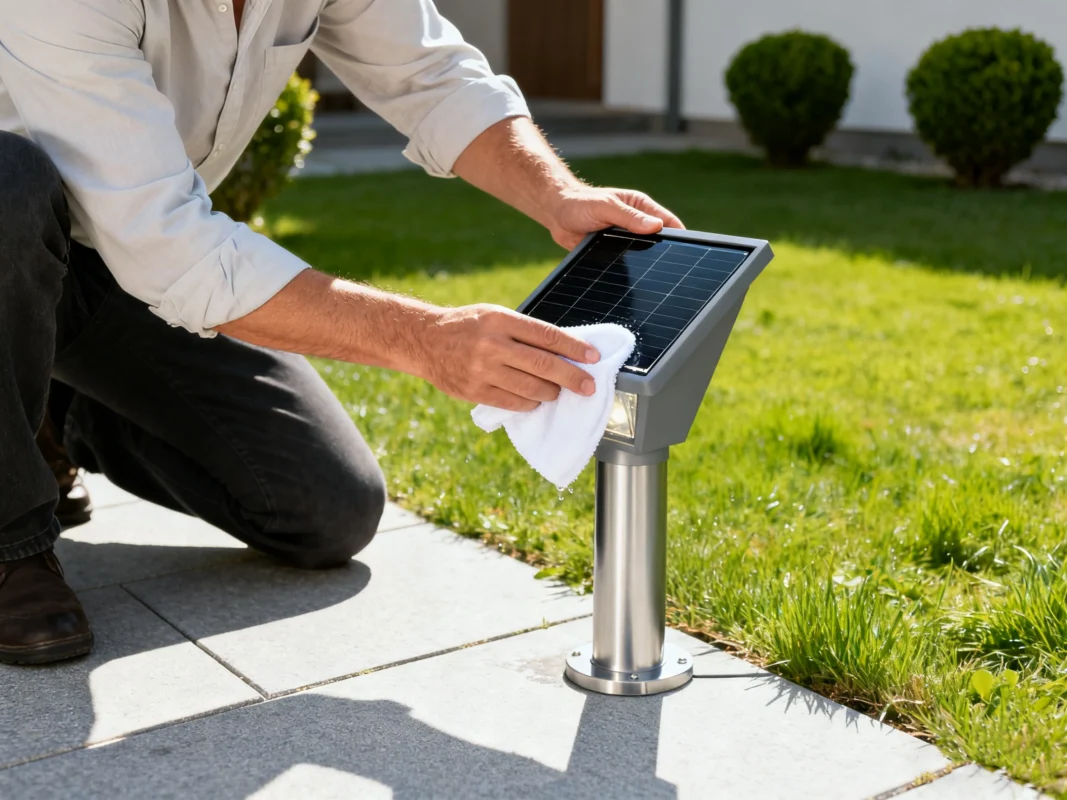
Think of it like a dirty window—you can still see through it, but the light coming in is much weaker. The same principle applies to your solar fixtures. Even the solar garden lights brightest will dim noticeably if the panels are covered. A quick cleaning with a damp cloth once or twice a month can restore performance and keep your lights operating at peak brightness.
Weak Batteries or Low Charging Efficiency
Another common issue is battery degradation. Over time, rechargeable batteries lose their ability to hold a full charge. A light that once stayed bright for eight hours may start fading after only two or three. This doesn’t mean the fixture is useless—it often just needs a battery replacement.
High-quality brightest outdoor solar lights usually come with lithium-ion batteries, which last longer than older NiMH options. If your lights are dimming early in the night, replacing the batteries with fresh, high-capacity cells is one of the quickest ways to restore performance. It’s also worth checking the solar panel size; if the panel is too small for the lumen output, the light may never charge fully, regardless of battery quality.
Incorrect Placement (Shade, Direction, Angle)
Even the best-designed brighter solar lights won’t shine properly if they’re installed in the wrong place. Panels positioned under tree branches, roof overhangs, or too close to walls may spend most of the day in shade. Similarly, panels that are not angled correctly toward the sun won’t collect enough energy to support nighttime brightness.
For example, if you live in the Northern Hemisphere, your panels should face south for maximum exposure. Adjusting the tilt angle seasonally can also improve efficiency. Homeowners who install bright solar street lights along shaded roads often notice weaker output unless the panels are positioned above or away from obstacles.
Solutions to Fix Dim Solar Lights
Fortunately, most brightness issues can be solved with simple maintenance:
- Clean panels regularly – Wipe down with a soft cloth and mild soap to remove dirt and debris.
- Replace aging batteries – Every 12–24 months, swap in fresh rechargeable batteries for consistent power.
- Reposition the lights – Move them to a sunnier spot or adjust the panel tilt to capture more sunlight.
- Upgrade components – If your lights are still underperforming, consider upgrading the solar panel or LED bulbs.
By following these steps, you can keep your brightest outdoor solar lights functioning at their best and extend their lifespan. Remember, even small adjustments can make a huge difference in the overall performance of your brighter solar lights.
Recommended Brightness Levels for Outdoor Solar Lighting
Choosing the right lumen level is just as important as choosing the right type of fixture. Too dim, and your lights won’t serve their purpose; too bright, and you may create glare or waste energy. The best brighter solar lights are those that match lumen output to the function of the space.
How Many Lumens Do I Need for Bright Outdoor Lighting?
This is one of the most common questions homeowners ask when shopping for the brightest outdoor solar lights. The answer varies by application:
- 50–150 lumens – Good for accent lighting on small pathways, decks, or decorative areas.
- 300–700 lumens – Suitable for patios, driveways, and general backyard use.
- 700–1,500 lumens – Ideal for security lights, garage entrances, or larger spaces where safety is critical.
- 2,000+ lumens – Typical for bright solar street lights or commercial-grade security fixtures.
For residential use, many homeowners find 700–1,000 lumens per fixture to be the sweet spot for visibility without being overly harsh. The key is to layer different light levels—using low-lumen decorative pieces alongside higher-lumen security lights—to create both ambiance and safety.
How Many Lumens Should Garden Lights Be?
When it comes to landscaping, less is often more. The solar garden lights brightest don’t need to compete with security fixtures; instead, they should enhance the beauty of plants, pathways, and outdoor décor.
Most garden and pathway lights fall between 20 and 200 lumens:
- 20–50 lumens – Gentle glow for flower beds or small walkways.
- 100–200 lumens – Enough to illuminate paths clearly without overpowering the scenery.
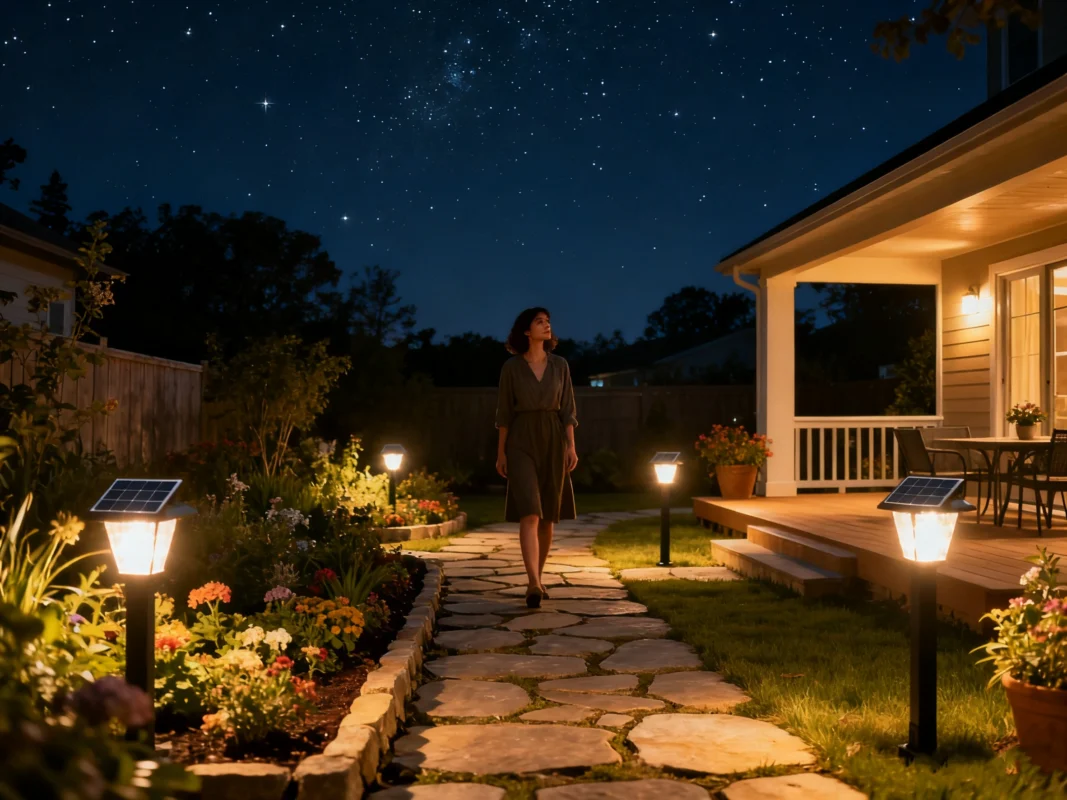
For example, lining a garden path with 100-lumen stake lights provides both safety and elegance. Adding a few higher-lumen spotlights to highlight trees or sculptures can create visual interest without turning your backyard into a floodlit parking lot. The goal with garden lighting is balance—ensuring your brighter solar lights showcase the space rather than dominate it.
Comparing Residential vs Commercial Bright Solar Lights
The lumen requirements for residential and commercial applications differ significantly.
- Residential Brighter Solar Lights Designed for homes, patios, driveways, and gardens. These fixtures usually range from 50 to 1,500 lumens. They prioritize aesthetics, safety, and energy efficiency. For instance, the brightest outdoor solar lights in residential neighborhoods might be motion-sensor security units rated at 1,200 lumens.
- Commercial Bright Solar Lights Built for streets, parking lots, campuses, or industrial facilities. Bright solar street lights often start at 2,000 lumens and can reach 10,000+ lumens depending on the area size. These focus on visibility, safety, and reliability, especially in locations where wired electricity isn’t available or practical.
Understanding this distinction helps buyers avoid mismatches. Installing a 10,000-lumen street light in a small garden would look excessive, while using 100-lumen path lights to illuminate a warehouse parking lot would be dangerously inadequate. The best choice of brighter solar lights depends entirely on context.
Installation & Maintenance Tips for Maximum Brightness
Even the brightest outdoor solar lights won’t deliver their full potential if they aren’t installed or maintained correctly. Think of them like a car: no matter how powerful the engine is, it needs proper care to run at its best. With a few simple steps, you can maximize the efficiency and longevity of your brighter solar lights.
Proper Placement for Optimal Sunlight
The most critical factor in solar lighting is exposure. Panels must receive direct sunlight for at least 6–8 hours per day to ensure the batteries charge fully. Placing a fixture under trees, near tall fences, or close to a building wall often results in dim output.
For homeowners in the Northern Hemisphere, panels should generally face south for maximum exposure. If you’re in the Southern Hemisphere, aim them north. Adjusting the tilt angle seasonally—steeper in winter, flatter in summer—can also help capture more sunlight.
A practical tip: observe the installation area at different times of day before positioning your lights. For example, bright solar street lights installed near large trees may lose efficiency during summer months when foliage blocks the sun. Relocating them just a few feet can dramatically improve brightness.
Seasonal Care and Cleaning
Over time, dust, pollen, and weather residue accumulate on solar panels, reducing their ability to absorb sunlight. In coastal areas, salt buildup is another common issue. Regular cleaning is one of the easiest ways to keep your brighter solar lights operating at peak performance.
- Spring & Summer: Clean panels monthly to remove pollen, dust, and insect debris.
- Autumn: Clear fallen leaves and check for branches casting new shadows.
- Winter: Remove snow or frost buildup promptly and make sure panels aren’t blocked by ice.
Use a soft cloth, mild soap, and water—avoid abrasive cleaners that could scratch the surface. A clean panel is like a clean windshield: it allows maximum light through, ensuring your fixtures deliver the solar garden lights brightest performance possible.
Battery Replacement and Upgrades
Batteries are the heart of your solar lights, storing the energy that powers them at night. Over time, rechargeable batteries degrade, holding less charge and reducing brightness. Most fixtures need battery replacements every 12–24 months, depending on quality and usage.
When upgrading, choose high-capacity lithium-ion batteries over older NiMH options for longer life and better performance. Many of the brightest outdoor solar lights on the market already come with lithium technology, but swapping to a newer, higher-mAh model can extend runtime significantly.
If you notice your lights dimming after only a couple of hours, even on sunny days, that’s a strong indicator the batteries need replacing. Think of it as routine maintenance, much like changing the oil in your car—necessary to keep everything running smoothly.
Conclusion
The search for brighter solar lights isn’t just about buying the biggest fixture on the shelf. It’s about balancing lumens, design, and functionality. From solar garden lights brightest for landscaping charm to bright solar street lights for wide-area security, there’s an option for every space.
So, when someone asks, what is the brightest lumens for solar lights? — you’ll know the answer isn’t just numbers, but how those lumens translate into real-world brightness and usability.
With proper care, installation, and selection, the brightest outdoor solar lights can transform your nights into safer, more beautiful, and eco-friendly experiences.
FAQs About Brighter Solar Lights
How do I make my outdoor solar lights brighter?
Start by cleaning the solar panels with a soft cloth to remove dust or pollen. Next, check the placement—ensure the panels get at least 6–8 hours of direct sunlight daily. If brightness still drops, replace the batteries with higher-capacity rechargeable ones. These steps often restore performance and make your brighter solar lights shine like new.
Why are my solar lights not very bright?
The most common reasons are dirty panels, weak batteries, or shaded installation areas. In regions with shorter daylight hours—like Northern Europe in winter—lights may naturally appear dimmer because of reduced charging time.
What is the brightest lumens for solar lights?
Residential models typically peak around 1,500 lumens per fixture, while bright solar street lights or commercial systems can exceed 10,000 lumens. For most homeowners, 700–1,000 lumens is considered bright without being overpowering.
How do you pick the brightest solar lights?
Focus on three main factors: lumen output, battery capacity, and solar panel efficiency. High-quality materials and weatherproof designs are also essential, especially if you live in areas with heavy rain, snow, or strong UV exposure.
What are the brightest lumens for outdoor solar lights?
For security and driveway illumination, 1,000–2,000 lumens is usually ideal. Decorative or garden lights, however, work best at 50–200 lumens. Choosing the correct lumen level ensures efficiency and avoids unnecessary glare.
How many lumens do I need for bright outdoor lighting?
Driveways, patios, and backyards typically need around 300–700 lumens per fixture. Larger spaces, like rural yards or suburban parking lots, may require fixtures above 1,500 lumens for effective coverage.
How many lumens should garden lights be?
Garden and pathway fixtures usually fall between 20 and 200 lumens. For highlighting plants or pathways, 100-lumen lights strike a good balance between ambiance and visibility. This level prevents your solar garden lights brightest fixtures from overwhelming the landscape.
Do brighter solar lights use more energy?
Yes, but they offset this by requiring larger or more efficient panels and batteries. Modern LED technology ensures even high-lumen solar lights remain energy-efficient compared to traditional wired options.
How long do bright solar lights last at night?
With full charging, most brightest outdoor solar lights run 6–12 hours. Battery quality, weather, and panel size all affect runtime. Replacing batteries every 1–2 years helps maintain longevity.
Can I use brighter solar lights in shaded or cloudy areas?
Yes, but performance will be limited. If you live in a cloudy climate (e.g., the Pacific Northwest), choose models with oversized solar panels and higher-capacity batteries. Motion-sensor lights are also a smart option, as they save stored energy for when it’s truly needed.