
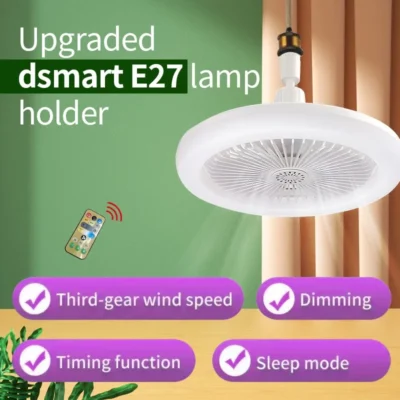
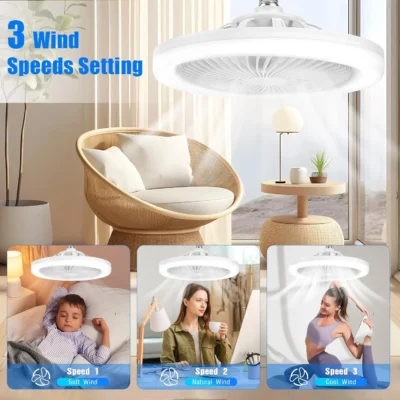
LED Ceiling Fan Chandelier – 30W, Dimmable Light, Remote Control, Bedroom
$31.26 – $52.43Price range: $31.26 through $52.43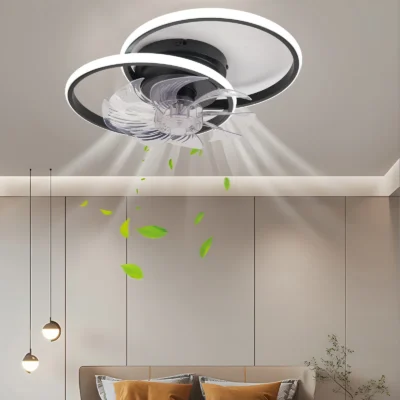
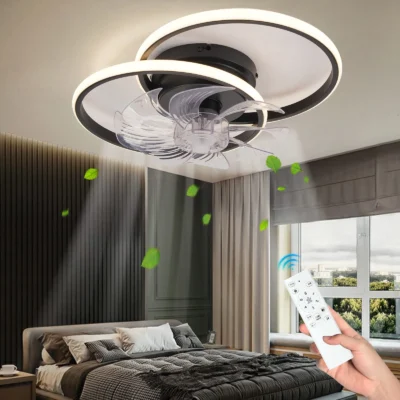
Smart LED Ceiling Fan – Quiet Operation, App & Remote Control
$79.72 – $81.39Price range: $79.72 through $81.39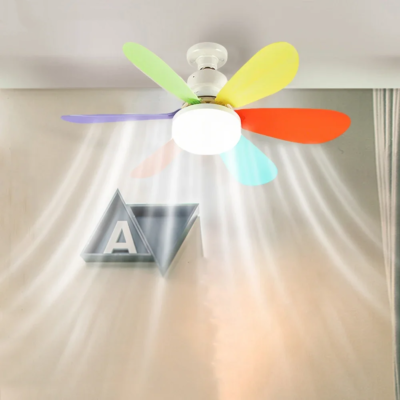
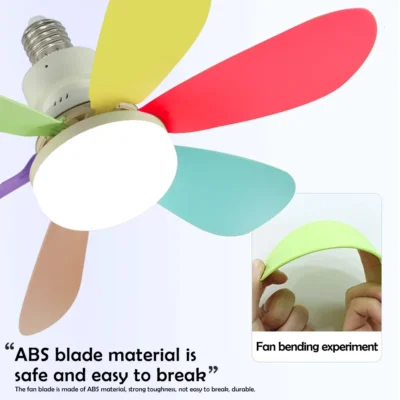
LED Ceiling Fan Light – 40W, Adjustable Modes, Remote Control, Living Room
$31.23 – $33.51Price range: $31.23 through $33.51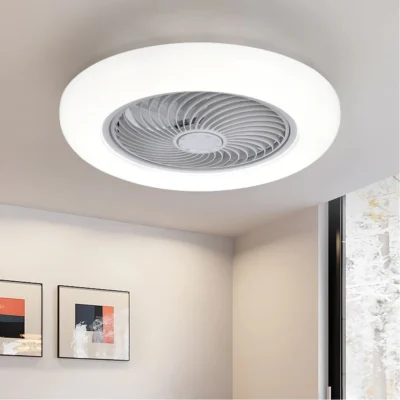
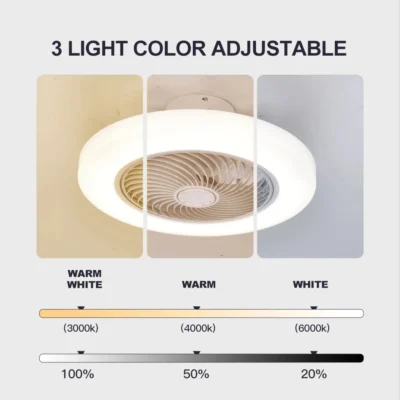
Bedroom Smart Ceiling Fan – 52cm Invisible Blades, Remote LED Light
$104.85 – $211.56Price range: $104.85 through $211.56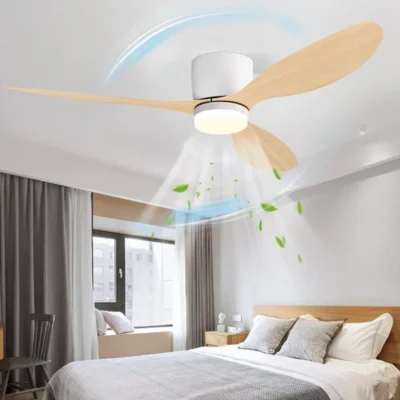
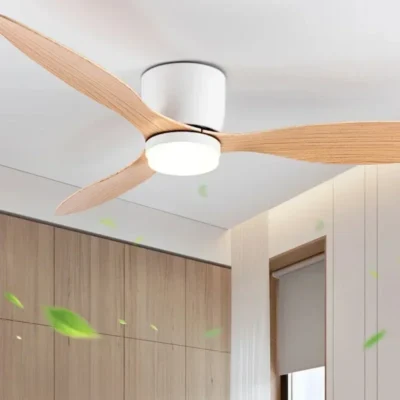
Remote LED Ceiling Fan Light – Home Lighting for Bedrooms & Living Spaces
$102.53 – $112.77Price range: $102.53 through $112.77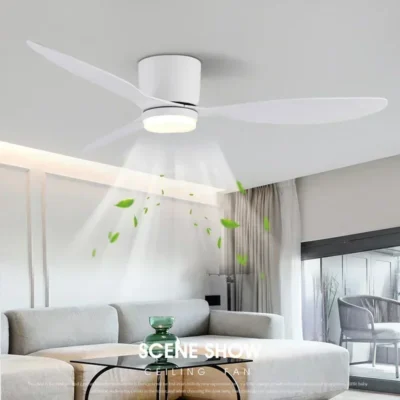
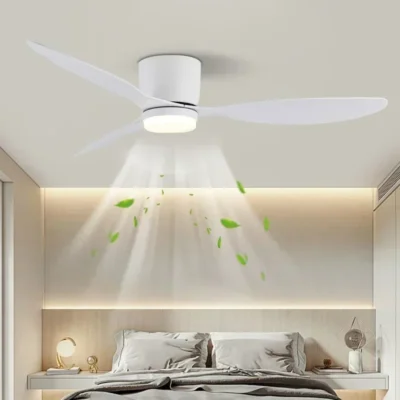
Minimalist Nordic LED Ceiling Fan Light – Decorative Home & Restaurant Fan
$102.22 – $192.29Price range: $102.22 through $192.29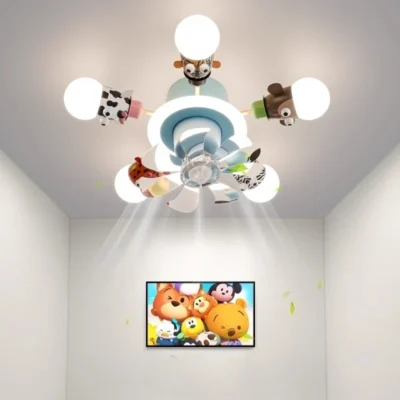
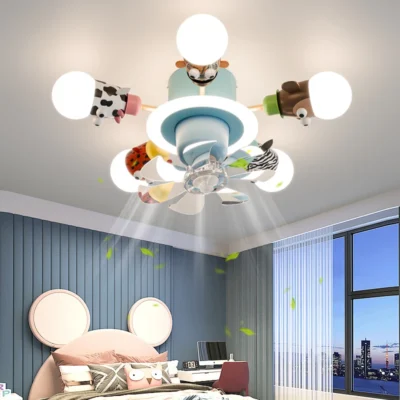
Nordic Cartoon LED Ceiling Fan Light – Children’s Bedroom Boys & Girls
$101.42 – $370.75Price range: $101.42 through $370.75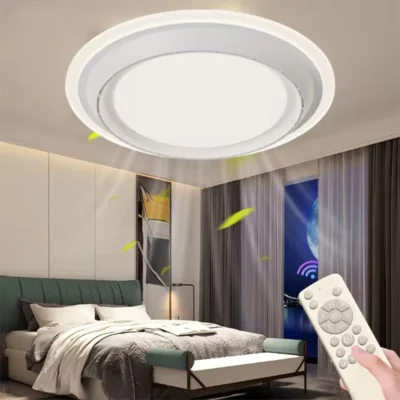
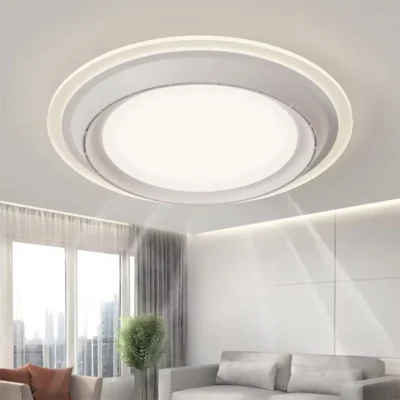
Modern Bladeless LED Ceiling Fan – Remote Control, 6-Speed, Bedroom Lamp
What Are Fan Lights?
Definition of Fan Lights
Types of Fan Lighting: LED, Halogen, CFL
- LED Fan Lights: Known for their energy efficiency and long lifespan, LED fan lights are a popular choice. They consume less power and have a longer operational life compared to other lighting options.
- Halogen Fan Lights: These provide bright, white light and are often used in spaces requiring high illumination. However, they tend to consume more energy and have a shorter lifespan than LEDs.
- CFL Fan Lights: Compact Fluorescent Lamp (CFL) fan lights are more energy-efficient than halogen bulbs but less so than LEDs. They offer a balance between brightness and energy consumption.
Advantages of Fan Lights in Homes
- Space-Saving Design: Combining two fixtures into one reduces the need for separate fans and lights, freeing up ceiling space.
- Enhanced Comfort: The airflow provided by the fan helps maintain a comfortable room temperature, while the light ensures adequate illumination.
- Energy Efficiency: Modern fan lights, especially those with LED technology, consume less energy, leading to cost savings on electricity bills.
- Aesthetic Appeal: Available in various styles and finishes, fan lights can complement your room’s décor, adding a stylish touch.
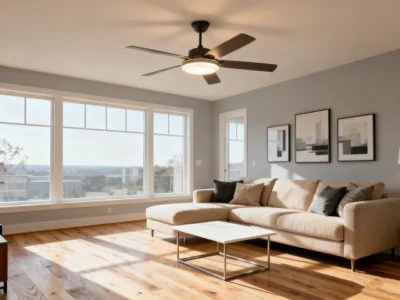
Choosing the Best Fan Light
Factors to Consider (Room Size, Ceiling Height, Style)
- Room Size: The size of your room directly impacts the type of fan light you need. For smaller rooms under 100 square feet, a fan with a blade span of 29–36 inches can provide adequate airflow and light. Medium-sized rooms (100–300 square feet) benefit from fan lights with 42–48 inch blades, while larger spaces may require fans with 52 inches or more to circulate air effectively. Choosing the right size ensures your fan light cools the room efficiently without creating drafts or leaving areas dimly lit.
- Ceiling Height: Ceiling height determines the mounting style for your fan light. Standard ceilings often work well with flush or standard mount fan lights, which sit close to the ceiling. For rooms with vaulted or high ceilings, consider a downrod extension to lower the fan light to an optimal height for airflow and illumination. This adjustment not only improves performance but also enhances the visual proportion of the fixture within the space.
- Style: Your fan light should complement your home décor. From classic, ornate designs to sleek, modern silhouettes, the style of your fan lighting can make a statement while serving a practical purpose. Consider the finishes, materials, and shape of the fixture to ensure it harmonizes with furniture, wall colors, and overall interior design.
Energy Efficiency and Light Output
Fan Light vs. Separate Ceiling Fan and Light Fixtures
Types of Ceiling Fan Lights
Integrated Fan Lights
Convertible Fan Light Kits
Smart Fan Lighting Options

Installation and Maintenance of Fan Lights
Do You Need an Electrician?
Cost to Install a Ceiling Fan with Light
Replacing and Upgrading Fan Lights
Maintenance Tips for Longevity
- Regular Cleaning: Dust and dirt can accumulate on fan blades and light fixtures, reducing airflow and light quality. Turn off the fan and gently wipe blades and fixtures with a soft, dry cloth.
- Check Electrical Connections: Periodically ensure that all wiring and screws are secure. Loose connections can cause noise, flickering, or electrical hazards.
- Replace Bulbs Promptly: If a bulb burns out, replace it with a compatible LED or recommended type to maintain efficiency and brightness.
- Inspect for Wear: Look for signs of motor strain or wobbling blades. Early detection of issues prevents costly repairs or replacements.
- Adjust for Seasonal Use: Ceiling fans with reversible blades may need seasonal adjustments to maintain airflow efficiency; this also affects the performance of the integrated fan lighting.
Energy Efficiency and Lifespan
LED vs. Traditional Bulbs
How Long Do LED Fan Lights Last?
Electricity Usage and Cost Comparison
Maximizing Lifespan and Efficiency
- Turn Off When Not Needed: Even energy-efficient fan lights benefit from being switched off when a room is unoccupied.
- Use Compatible Bulbs: Always use bulbs recommended for your fan light to avoid overheating or reduced lifespan.
- Regular Maintenance: Clean the fan blades and light fixtures to prevent dust buildup, which can impact both airflow and light output.
- Monitor Usage Patterns: If your fan light has adjustable settings, using dimmers or timers can prolong bulb life and save electricity.
Essential Safety Tips for Fan Lights
Can You Leave Ceiling Fans On 24/7?
Electrical Considerations and Proper Wiring
Negative Aspects of LEDs
Additional Safety Tips
- Secure Mounting: Ensure that the fan light is firmly attached to the ceiling to prevent wobbling or detachment.
- Blade Clearance: Maintain sufficient clearance between fan blades and walls, furniture, or other obstacles to avoid accidents.
- Regular Inspections: Periodically check screws, mounting brackets, and electrical connections to detect wear or damage early.
- Dust Management: Keep the fan blades and light fixture clean; excessive dust can affect both lighting efficiency and motor performance.
- Avoid Overloading: Do not exceed the recommended wattage for bulbs, as this can cause overheating and reduce the lifespan of your fan light.
Frequently Asked Questions
Modern fan lights, especially those with LED technology, consume significantly less electricity than traditional bulbs. Choosing energy-efficient fan lighting reduces electricity bills while providing ample illumination.
High-quality LED fan lights typically last between 15,000 and 25,000 hours, offering years of reliable illumination with minimal maintenance.
Yes, ceiling fans can run continuously without safety risks. However, turning them off when not in use can extend motor life and conserve energy.
Low-quality LEDs may flicker, produce harsh light, or generate heat. Choosing high-quality fan lighting and compatible bulbs ensures optimal performance and safety.
Yes, LED fan lights can be replaced. Depending on the fixture, this may involve swapping out individual bulbs or replacing the entire light kit.
While some installations are DIY-friendly, hiring a licensed electrician is recommended to ensure proper wiring, safe installation, and code compliance.
Installation costs vary based on complexity and location, typically ranging from $145 to $355. Additional expenses may apply for new wiring or mounting adjustments.
Yes, with the use of an extended downrod, fan lights can be installed on vaulted ceilings to ensure proper airflow and light distribution.
Smart fan lights allow remote control, scheduling, dimming, and even color adjustments. They offer convenience, energy savings, and customizable ambiance.
Ceiling fans do not actually lower the temperature, but their airflow creates a cooling wind-chill effect, making the room feel more comfortable.
Turn off the power before cleaning. Dust blades and light fixtures regularly, check for loose screws or connections, and replace bulbs as needed.
Outdoor-rated fan lights are designed to withstand moisture and weather conditions. Ensure your fixture is rated for damp or wet locations before installation.
Yes, dimmable fan lights provide flexible lighting options for different activities and moods, enhancing comfort and energy efficiency.
Consider the square footage and ceiling height of your room. Larger rooms require fan lights with a wider blade span to ensure effective airflow and lighting.
Upgrades can involve replacing bulbs with energy-efficient LEDs, installing a new light kit, or converting a traditional fan into one with integrated lighting.
Depending on bulb type and usage, fan lights can last anywhere from 10 to 25 years with proper maintenance and care.
DIY installation is possible if you have experience with electrical work, but hiring a professional ensures safety and proper wiring.
Always turn off the power, secure the fan to a properly rated ceiling box, and follow manufacturer instructions. Regular inspections prevent hazards.
Many fan lights include warranties covering electrical components or bulbs. Check the terms carefully to ensure coverage for your installation.
Yes, but only with fixtures rated for damp or wet locations to handle humidity safely.
Dust the blades and light, check for loose screws, inspect wiring periodically, and replace bulbs as needed.
Properly installed fan lights should operate quietly. Noise can result from loose screws, unbalanced blades, or poor-quality motors. Regular maintenance prevents disturbances.
Yes, with the appropriate angled mount or downrod, fan lights can function effectively on sloped ceilings while maintaining safety and airflow.
Flickering may indicate loose wiring, incompatible bulbs, or a faulty connection. Always turn off the power and inspect the fixture, or call a professional if needed.